
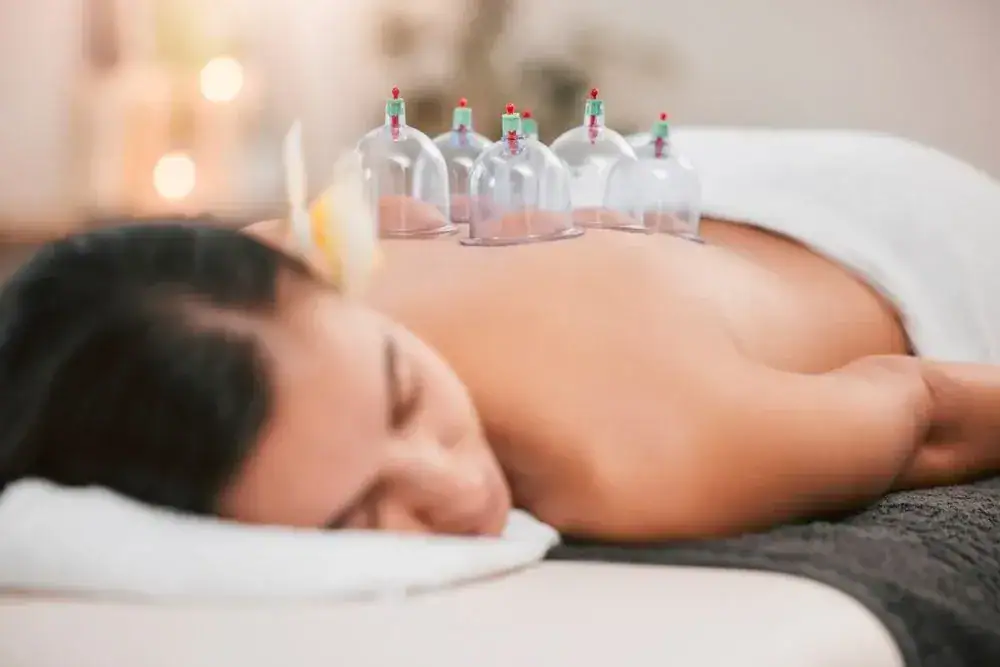

Your back stops screaming at you halfway through the workday. That stiffness in your neck that’s been there for months starts loosening up. You’re moving better, sleeping deeper, and you’re not popping ibuprofen like candy anymore.
Cupping therapy works by increasing blood flow to areas that need it. More blood means more oxygen, faster healing, and less inflammation sitting in your muscles. It’s not magic—it’s your body doing what it’s supposed to do when given the right conditions.
For athletes in Glenwood Landing dealing with constant muscle fatigue, this means shorter recovery times between workouts. For people managing arthritis or chronic tension, it means getting through your day without that constant background ache. The treatment creates suction that pulls stagnant blood and toxins out while fresh circulation moves in.
You’re not masking symptoms. You’re addressing why the pain exists in the first place.
We’ve been treating patients across Long Island for years, with locations in Smithtown and Speonk alongside our Glenwood Landing practice. We’re not a wellness spa trying to add trendy services—we’re licensed physical therapists who use cupping as part of comprehensive treatment plans.
Our team manages every detail, from secure patient data to verified credentials to transparent communication about what you’re getting. You won’t find unauthorized staff making changes or outdated information floating around. We run a tight operation because your trust matters more than convenience.
Glenwood Landing residents come to us because we treat the problem, not just the pain. And we do it without the runaround.
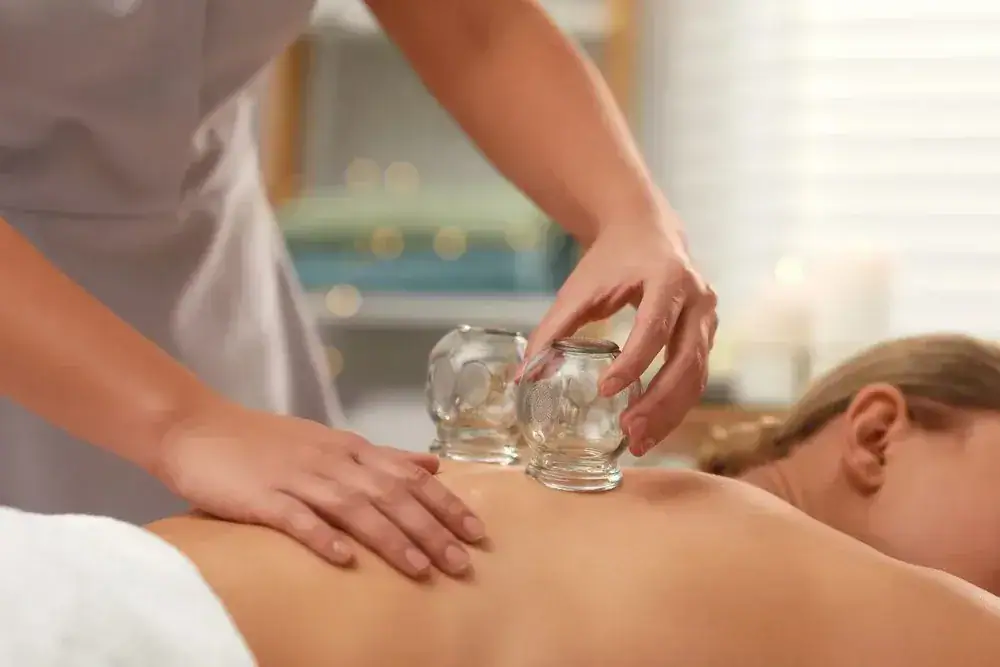
First, we assess where you’re hurting and why. Not every pain needs cupping, and we’re not going to waste your time or money on treatments that won’t help. If cupping makes sense for your condition, we’ll explain exactly what it’ll do and what results you can expect.
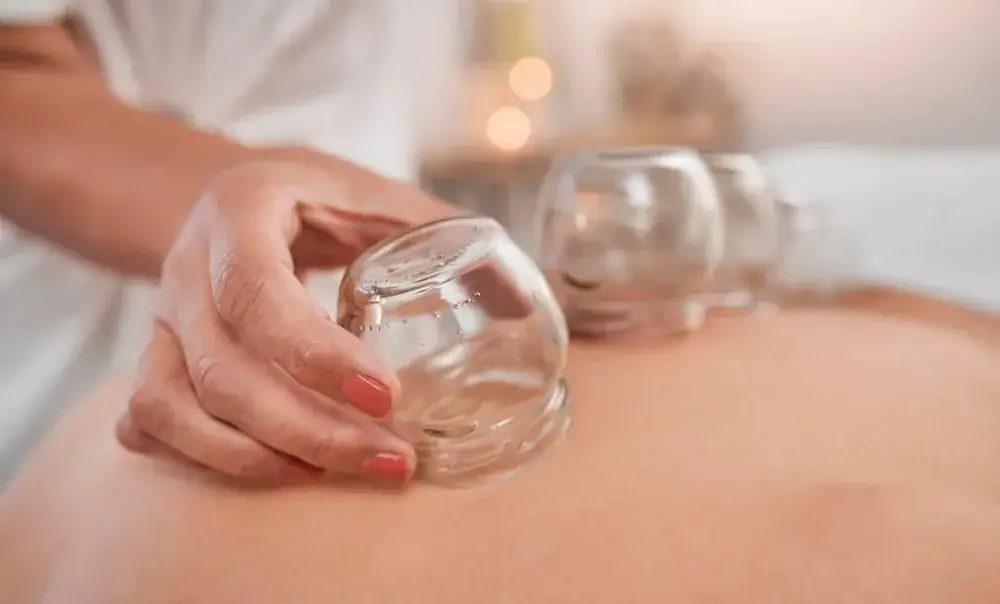
During the session, we place specialized cups on targeted areas of your body. These create controlled suction that draws blood to the surface. Dry cupping uses this suction alone—no incisions, no blood removal, nothing invasive. You’ll feel a tight pulling sensation, but it shouldn’t hurt. Most people find it oddly satisfying once they get used to it.
The cups stay on for 5-15 minutes depending on your treatment plan. When we remove them, you’ll see circular marks where the cups were—that’s normal and they fade within a few days. Those marks show where stagnant blood and tension were sitting.
After your first session, you might feel immediate relief or you might feel sore for a day. Both are normal. Most patients need multiple sessions spaced over a few weeks to see lasting results. We’ll map that out based on your specific condition and how your body responds.
Ready to get started?
Every cupping session at Medcare includes a full assessment before we place a single cup. We’re looking at your posture, your range of motion, where you’re compensating for pain, and what’s actually causing the problem. Cupping works best when it’s part of a broader plan, not a standalone treatment.
You’ll get personalized placement based on your condition. Someone with lower back pain from sitting at a desk all day needs different treatment than someone recovering from a sports injury. We adjust cup size, suction strength, and session length based on what your body needs.
In Glenwood Landing, we see a lot of chronic pain from repetitive stress—whether that’s from desk work, physical labor, or the wear and tear of an active lifestyle near the water. Our approach accounts for these local patterns. We also combine cupping with other physical therapy techniques when appropriate, like targeted exercises or manual therapy, to give you faster and more complete results.
You’ll leave each session with clear guidance on what to do next—whether that’s rest, specific stretches, or scheduling your follow-up. No guessing, no vague wellness advice.
Yes, but not for everyone and not as a solo fix. Cupping improves circulation in areas where blood flow has been restricted due to tension or injury. For chronic back pain caused by tight muscles, poor posture, or inflammation, increasing that blood flow helps reduce pain and speeds healing.
The research backs this up. Studies show cupping can significantly reduce chronic pain when combined with other treatments like physical therapy or exercise. It’s especially effective for musculoskeletal pain—the kind that comes from your muscles, not from nerve damage or structural issues like herniated discs.
Here’s what matters: if your back pain is from sitting too long, repetitive strain, or muscle overuse, cupping can help. If it’s from a pinched nerve or spinal injury, you need a different approach. We assess that before recommending treatment, because throwing cups on a problem that needs surgery or medication won’t help anyone.
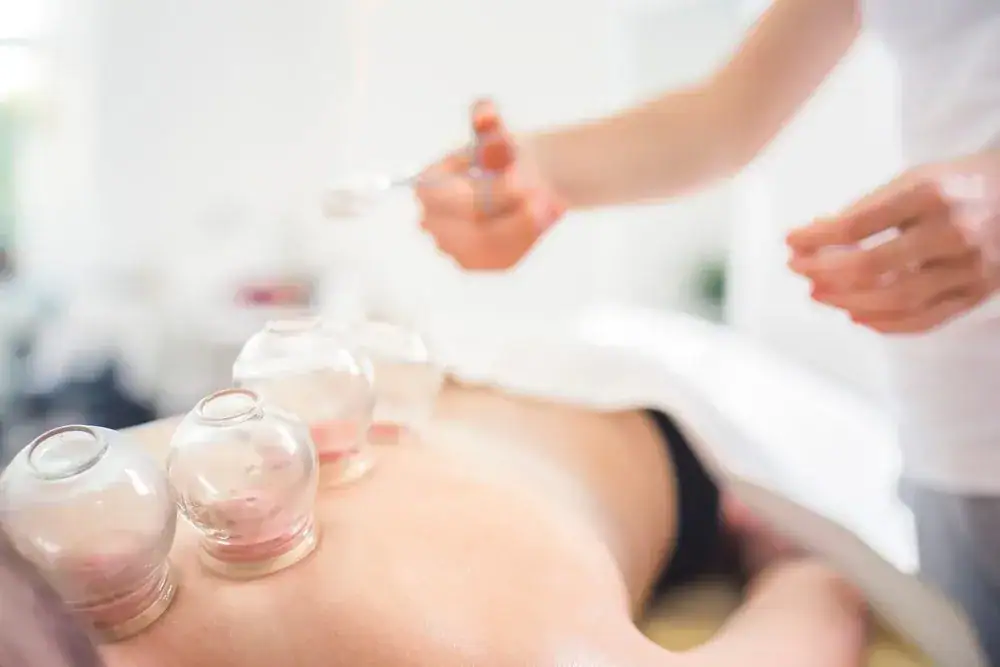
Dry cupping uses suction alone. We place cups on your skin, create a vacuum, and let them sit for several minutes. There’s no cutting, no blood removal, and no needles involved. It’s the most common type of cupping used in physical therapy settings.
Wet cupping, by contrast, involves making small incisions in the skin before applying the cups, which draws out small amounts of blood. Fire cupping uses a flame to create the vacuum inside the cup. Both methods exist, but dry cupping is safer, less invasive, and just as effective for most pain and muscle recovery goals.
At Medcare, we use dry cupping because it delivers results without unnecessary risk. You get the circulation boost, the muscle relaxation, and the pain relief without any incisions or complicated cleanup. It’s straightforward, it’s clean, and it works for the conditions we’re treating in Glenwood Landing—chronic pain, sports injuries, and stress-related muscle tension.
During the session, you’ll feel a strong pulling or tugging sensation where the cups are placed. It’s tight but shouldn’t be painful. Some people find it uncomfortable for the first minute or two, then their body adjusts. If it genuinely hurts, we adjust the suction—there’s no benefit to white-knuckling through pain.
Right after we remove the cups, the treated areas might feel tender or sensitive, similar to how your muscles feel after a deep tissue massage. You’ll see circular marks where the cups were. These aren’t bruises in the traditional sense—they’re caused by blood being drawn to the surface. They’ll fade in 3-7 days depending on how much stagnation was in that area.
Some patients feel immediate relief. Others feel sore for 24-48 hours before noticing improvement. Both responses are normal and depend on your condition and how your body processes the increased circulation. We’ll tell you what to expect based on your specific treatment, and we’ll adjust future sessions based on how you respond. Drink plenty of water after treatment—it helps flush out the toxins that cupping brings to the surface.
Most people need 4-8 sessions spread over a few weeks, but that’s not a universal rule. It depends on what you’re treating, how long you’ve had the problem, and how your body responds to the first session or two.
Acute injuries—like a pulled muscle from last week—might improve in 2-3 sessions. Chronic conditions that have been building for months or years take longer because there’s more inflammation and restriction to work through. If you’ve been dealing with neck tension for five years, one session isn’t going to undo all that.
We’ll give you a realistic timeline after your first assessment. If you’re not seeing any improvement after 3-4 sessions, we’ll reassess and potentially adjust the approach or recommend a different treatment. Cupping isn’t a cure-all, and we’re not going to keep booking sessions if it’s not working for you. The goal is results, not endless appointments.
Absolutely. Athletes use cupping specifically because it speeds recovery by increasing blood flow to fatigued muscles. When you work out hard, your muscles accumulate metabolic waste and develop micro-tears that need fresh blood and oxygen to heal. Cupping accelerates that process.
You’ll see this used in professional sports—Olympic athletes and NBA players get cupping between games and training sessions to reduce soreness and maintain performance. It works for weekend warriors and gym-goers in Glenwood Landing for the same reasons. Better circulation means less downtime between workouts and less lingering soreness.
Timing matters. Cupping works best 24-48 hours after intense exercise, once the initial inflammation has started but before your muscles fully recover. We can build a schedule around your training routine so you’re getting treatment when it’ll have the most impact. Pair it with proper stretching and hydration, and you’ll notice you’re bouncing back faster than you used to.
Sometimes, but it depends on your plan and how the treatment is billed. If cupping is part of a physical therapy treatment plan prescribed by your doctor, many insurance companies will cover it under your PT benefits. If you’re coming in for cupping as a standalone wellness service without a referral, it’s less likely to be covered.
We recommend calling your insurance provider before your first appointment and asking specifically if cupping therapy is covered when performed by a licensed physical therapist. Have your plan details ready and ask about copays, deductibles, and whether you need a prescription or referral.
At Medcare, we handle verification and can help you understand what your plan covers. We’ll submit claims properly and work with you on any out-of-pocket costs upfront, so there are no surprises. If your insurance doesn’t cover it, we’ll discuss pricing clearly before moving forward. You should know what you’re paying before you commit to treatment.
Other Services we provide in Glenwood Landing