
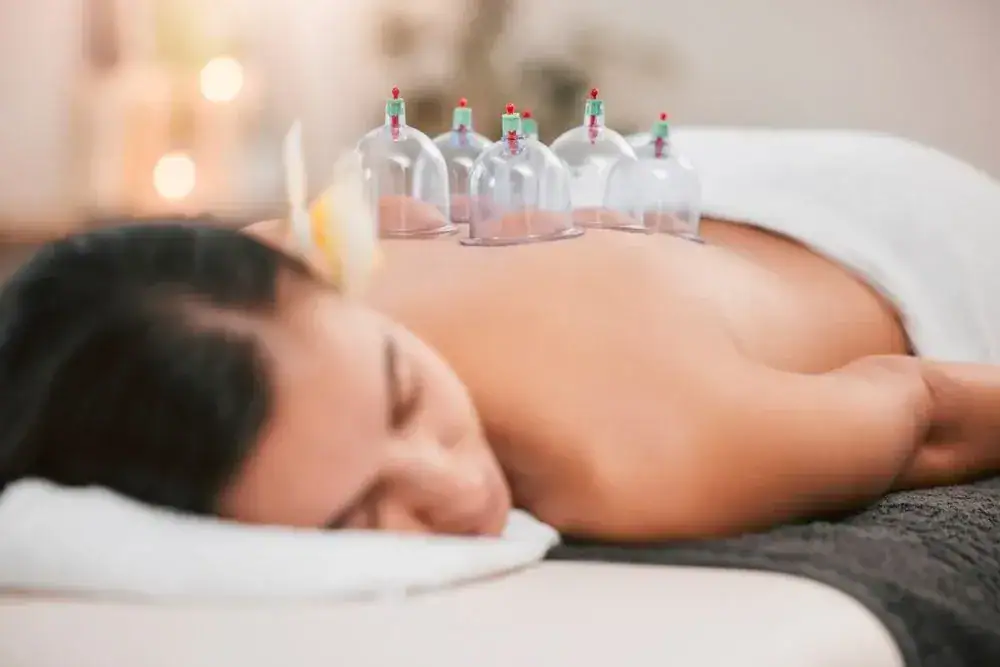

You’re dealing with pain that won’t quit. Back pain that makes mornings miserable. Neck tension that follows you through every workday. Muscle soreness that lingers days after your workout. You’ve tried the usual routes—medications that barely touch it, treatments that help for a day or two, then right back where you started.
Cupping therapy works differently. It increases blood flow to areas that need healing, breaks up fascial restrictions that keep muscles tight, and triggers your body’s natural pain relief systems. Clinical studies show it’s more effective than sham therapy for persistent low back pain, and when combined with physical therapy, it significantly improves both pain levels and how well you can move.
What you get is measurable improvement. Less pain when you wake up. Better range of motion during your day. Faster recovery after physical activity. The kind of relief that actually lets you do what you need to do without constantly managing discomfort.
This isn’t about masking symptoms. It’s about addressing the underlying tension, restricted movement, and poor circulation that keep you stuck in a pain cycle.
We’ve been serving Garden City Park and the surrounding Nassau County communities with physical therapy that goes beyond standard treatment protocols. Our therapists are trained in modern cupping techniques and know how to integrate them with conventional physical therapy for better outcomes.
We’re not a spa offering relaxation treatments. We’re licensed physical therapists using cupping as a clinical tool to treat musculoskeletal conditions. That means every session is based on your specific condition, your movement limitations, and your recovery goals.
Garden City Park has a high concentration of healthcare professionals and management workers—people who understand the value of evidence-based care and don’t have time for treatments that don’t deliver. We get that. Our approach combines the proven benefits of cupping therapy with the functional rehabilitation you need to actually get better, not just feel better temporarily.
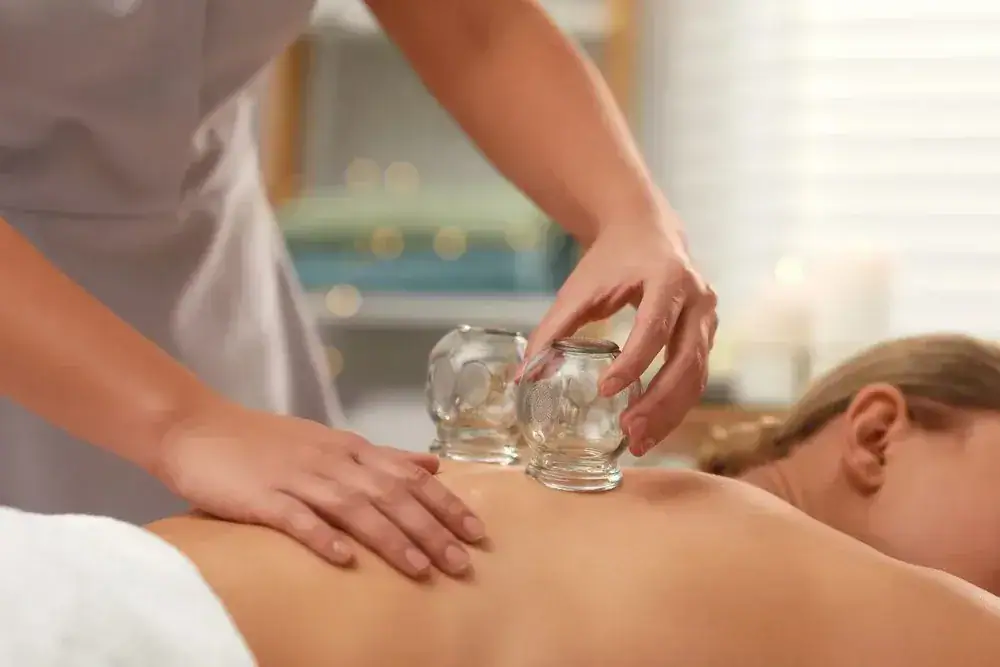
Your first step is an evaluation. We assess your pain, your movement patterns, and your medical history to determine if cupping therapy is appropriate for your condition. Not everyone needs it, and we’ll tell you straight if a different approach makes more sense.
If cupping is right for you, here’s what happens. We place specialized cups on targeted areas of your body—typically where you have pain, tension, or restricted movement. The cups create suction that draws blood to the surface, decompresses tight tissue, and stimulates circulation in areas that aren’t getting adequate blood flow.
You’ll feel pulling and pressure, but it shouldn’t hurt. Most people find it surprisingly relaxing. Sessions typically last 10-15 minutes as part of a broader physical therapy treatment. You might see circular marks on your skin afterward—that’s normal and fades within a few days.
The real work happens after. Increased blood flow means better oxygen and nutrient delivery to damaged tissue. Decompressed fascia means muscles can move more freely. Reduced inflammation means less pain and better healing. We often combine cupping with targeted exercises, manual therapy, and movement training to maximize your results.
Ready to get started?
Cupping therapy is particularly effective for chronic low back pain, neck pain, and shoulder tension—conditions that are common in Garden City Park’s professional workforce. Hours at a desk, repetitive stress, and poor posture create the exact kind of fascial restrictions and muscle tension that respond well to cupping.
We also use it for athletic recovery. If you’re active and dealing with persistent soreness, tight IT bands, or stubborn muscle knots that won’t release with stretching alone, cupping helps break up adhesions and restore normal tissue mobility. Research shows it reduces exercise-induced soreness and speeds recovery time.
For patients with knee osteoarthritis, myofascial pain syndrome, or chronic musculoskeletal conditions, cupping serves as an adjunct to your primary treatment plan. It’s not a standalone cure, but it makes other interventions work better. Better circulation means better healing. Looser tissue means better movement. Less pain means you can actually do your exercises.
Garden City Park residents have access to plenty of healthcare options, but not many integrate evidence-based complementary therapies with traditional physical therapy. That combination is what sets our approach apart—you get the best of both worlds, not one or the other.
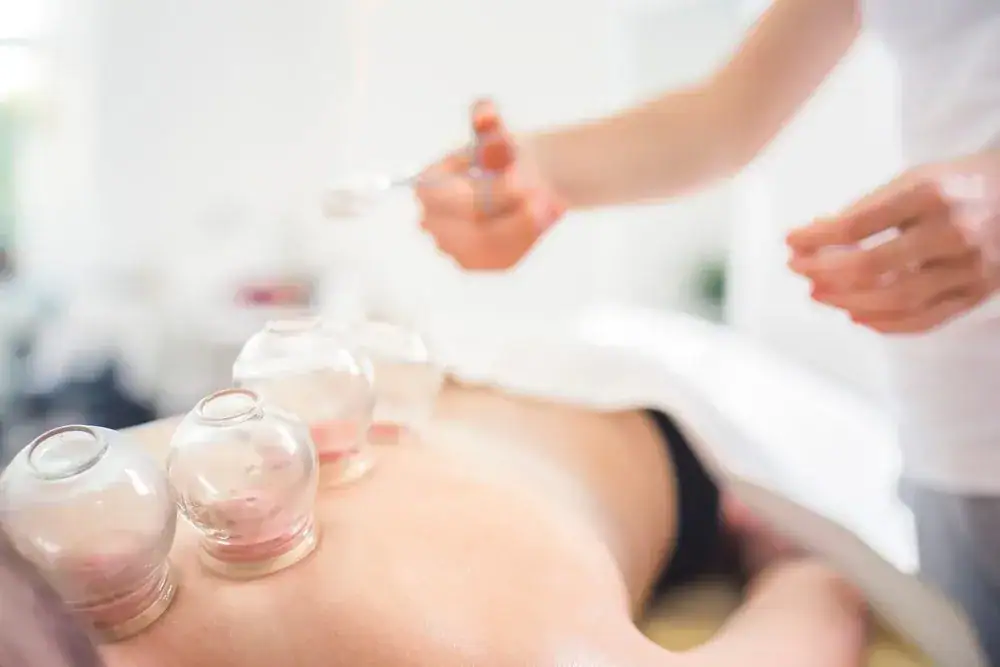
Yes, and there’s solid research backing it. Clinical studies show cupping is more effective than sham therapy for persistent low back pain, and it provides measurable short-term pain reduction after even a single session. The mechanism makes sense: cupping increases blood flow to areas with poor circulation, reduces inflammation, and helps release chronically tight muscles and fascia.
That said, it works best as part of a comprehensive treatment plan. If you’re dealing with chronic pain, cupping alone won’t fix underlying movement dysfunction, muscle imbalances, or postural issues. But when combined with physical therapy exercises, manual therapy, and functional training, it significantly improves outcomes.
The key is working with a licensed physical therapist who understands when and how to use cupping appropriately. It’s not right for every condition, and it’s not a replacement for addressing the root cause of your pain. But for the right patient with the right condition, it’s a proven tool that delivers real relief.
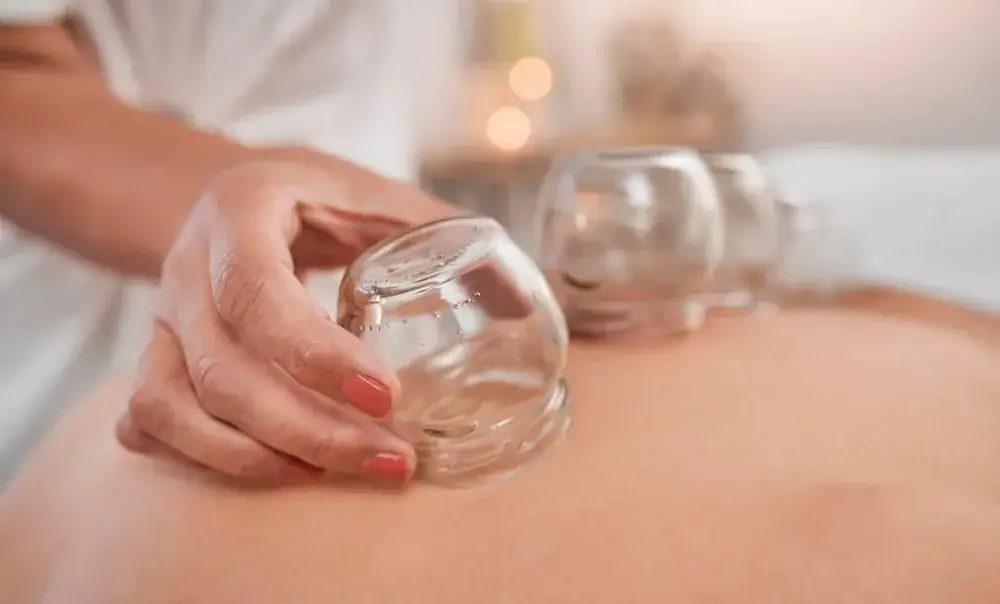
Dry cupping is what we use in physical therapy settings. It involves placing cups on your skin to create suction, which increases blood flow and decompresses tissue. No cutting, no blood removal—just suction. The cups stay in place for several minutes, then we remove them. You’re left with circular marks that fade within a few days.
Wet cupping, also called hijama, involves making small incisions in the skin before applying cups, then removing a small amount of blood. This is more common in traditional medicine practices and isn’t typically part of physical therapy treatment in the United States.
For musculoskeletal pain, muscle tension, and sports recovery, dry cupping is what you need. It’s non-invasive, low-risk, and integrates easily with other physical therapy techniques. The evidence supporting dry cupping for pain relief and improved function is stronger and more relevant to the conditions we treat in a clinical setting.
It depends on your condition and how your body responds. Some patients feel significant relief after one or two sessions. Others benefit from weekly treatments over several weeks, especially if dealing with chronic conditions or long-standing muscle tension.
Research suggests that people who receive cupping once a week report the most consistent benefits. That frequency allows enough time for your body to respond between sessions while maintaining the cumulative effects of improved circulation and reduced tissue restriction.
During your initial evaluation, we’ll give you a realistic timeline based on your specific situation. Acute issues—like post-workout soreness or a recent flare-up of back pain—often respond quickly. Chronic conditions that have been building for months or years typically require a longer treatment plan. We’ll reassess regularly and adjust based on your progress, not some predetermined protocol.
Yes, usually. The suction from cupping brings blood to the surface and can cause circular discoloration that looks like bruising. These marks are typically red or purple and fade over 3-7 days. They’re not painful—most people forget they’re there unless they look in a mirror.
The marks aren’t actual bruises in the traditional sense. Bruising happens from trauma that damages blood vessels. Cupping marks come from increased blood flow and the expansion of capillaries near the skin’s surface. It’s a different mechanism and generally resolves faster than impact bruising.
If you have an event where visible marks would be a problem, let us know. We can adjust cup placement to areas that clothing will cover, or we can schedule your session with enough time for marks to fade. The marks don’t indicate harm—they’re actually a sign that blood flow is increasing to areas that need it—but we understand the cosmetic concern and can work around it.
Cupping is generally very safe when performed by trained professionals. The most common side effects are the temporary marks we just discussed, plus mild soreness in treated areas that resolves within a day or two. Some people feel lightheaded during or immediately after treatment, but that’s uncommon and passes quickly.
There are some situations where cupping isn’t appropriate. If you’re on blood thinners, have a bleeding disorder, or have certain skin conditions, we’ll either modify the treatment or choose a different approach. That’s why the evaluation matters—we need to know your full medical history before proceeding.
Serious complications are rare, especially in a clinical setting with licensed therapists. The research shows cupping has a low adverse effect profile compared to many conventional pain treatments. No risk of dependency, no systemic side effects, no long-term complications. For most people dealing with musculoskeletal pain, it’s one of the safer options available.
Absolutely. That’s actually how we prefer to use it. Cupping works best when integrated into a comprehensive physical therapy plan, not as a standalone treatment. We might use cupping to release tight tissue before manual therapy, or to increase blood flow to an area before therapeutic exercise.
The combination is more effective than either approach alone. Research confirms that cupping plus conventional physical therapy significantly improves pain relief and functional capability compared to standard treatment by itself. You get the immediate benefits of reduced muscle tension and improved circulation from cupping, plus the long-term benefits of strengthening, movement retraining, and functional rehabilitation from physical therapy.
Most sessions include 10-15 minutes of cupping followed by hands-on therapy and targeted exercises. The cupping prepares your tissue to respond better to everything else we do. It’s not an add-on service we’re pushing—it’s a clinical tool we use when it makes sense for your specific condition and goals.
Other Services we provide in Garden City Park