


You’re not looking for temporary relief that wears off by dinner. You want to move without wincing, sleep through the night, and get back to the activities you’ve been avoiding because your neck, back, or shoulders won’t cooperate.
Cupping therapy increases blood flow to areas that have been tight, inflamed, or stuck for weeks or months. That improved circulation helps reduce swelling, flush out metabolic waste, and deliver oxygen and nutrients where your muscles need them most. The suction created by the cups lifts tissue, releases fascial restrictions, and gives your body the space it needs to actually heal instead of just compensating.
Most people notice less stiffness within the first few sessions. Range of motion improves. That nagging ache that’s been limiting your workouts or making it hard to focus at work starts to fade. You’re not masking symptoms—you’re addressing what’s causing them so you can move forward without constantly managing pain.
We’ve built a reputation across Long Island for delivering physical therapy that’s grounded in real clinical expertise, not trends. Our therapists are trained in modern cupping techniques and use them as part of a broader treatment approach that’s personalized to what you’re dealing with.
We operate multiple locations, including right here in Flower Hill, NY, and we’ve worked with everyone from weekend athletes to people managing chronic conditions. Our focus is on getting you results that last, not just getting you through an appointment. Every treatment plan is built around your specific pain points, your goals, and how your body responds.
You’re not a number here. We take the time to listen, assess properly, and explain what we’re doing and why it matters for your recovery.
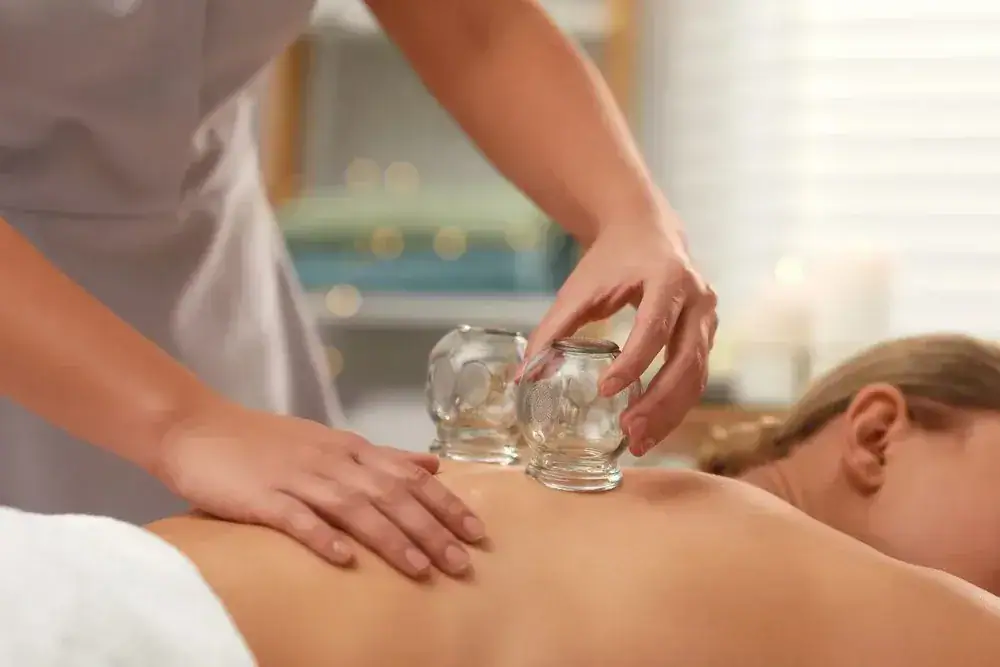
Your first visit starts with an evaluation. We’ll ask about your pain—where it is, how long you’ve had it, what makes it worse, and what you’ve already tried. Then we assess your movement, posture, and muscle tension to figure out where cupping will be most effective.
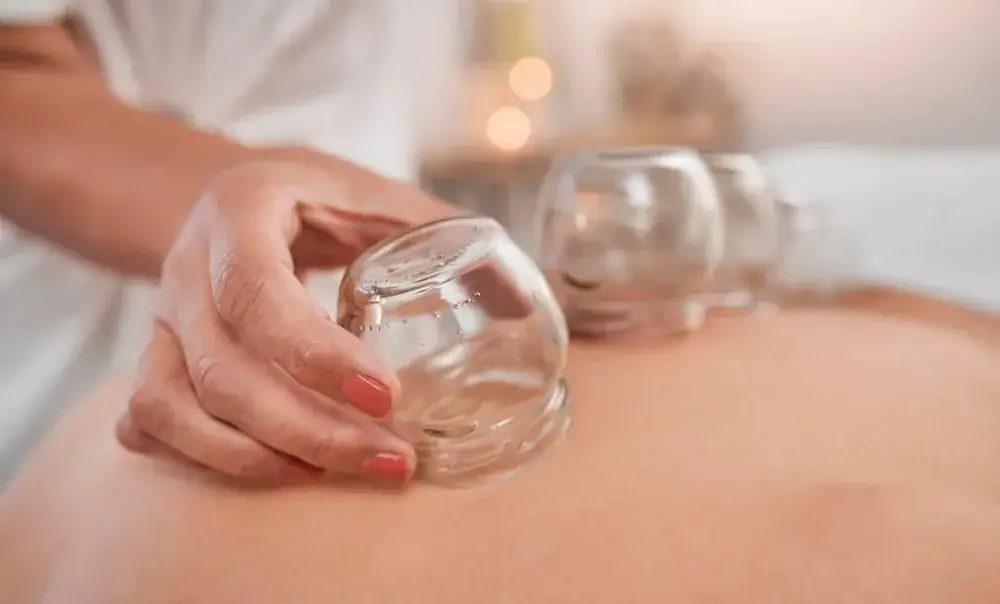
During the session, we place cups on targeted areas of your body. The suction pulls tissue upward, which increases blood flow and helps release tight fascia and muscle knots. Most sessions last between 15 and 60 minutes depending on your treatment plan. You might feel a pulling sensation, but it shouldn’t hurt.
After the cups are removed, you’ll likely see circular marks where they were placed. Those marks are normal—they’re a sign that blood flow increased and metabolic waste is moving out of deeper tissue layers. They typically fade within a week. Some people feel immediate relief. Others notice gradual improvement over the next few days as inflammation decreases and mobility improves.
We’ll often combine cupping with other physical therapy techniques like manual therapy, stretching, or strengthening exercises to give you the most comprehensive recovery possible.
Ready to get started?
Cupping therapy at Medcare isn’t a standalone treatment you get once and forget about. It’s integrated into a personalized physical therapy plan designed around your specific condition. That means we’re not just placing cups and calling it done—we’re using cupping strategically to support your overall recovery.
You’ll get a thorough initial assessment to identify the root cause of your pain, not just the symptoms. From there, we build a treatment plan that may include dry cupping for muscle relaxation, myofascial decompression to release tight connective tissue, and targeted exercises to strengthen weak areas and prevent future injuries.
Here in Flower Hill and across Nassau County, we see a lot of active adults dealing with work-related strain, sports injuries, and chronic conditions like lower back pain or neck stiffness. Cupping works especially well for these issues because it addresses both the pain and the underlying tension that keeps it coming back. Many of our patients are looking for alternatives to medication or surgery, and cupping gives them a non-invasive option that actually produces results.
Each session is adjusted based on how you’re responding. If something’s working, we keep going. If it’s not, we pivot. You’re in control, and we’re here to guide the process with clinical expertise and transparency.
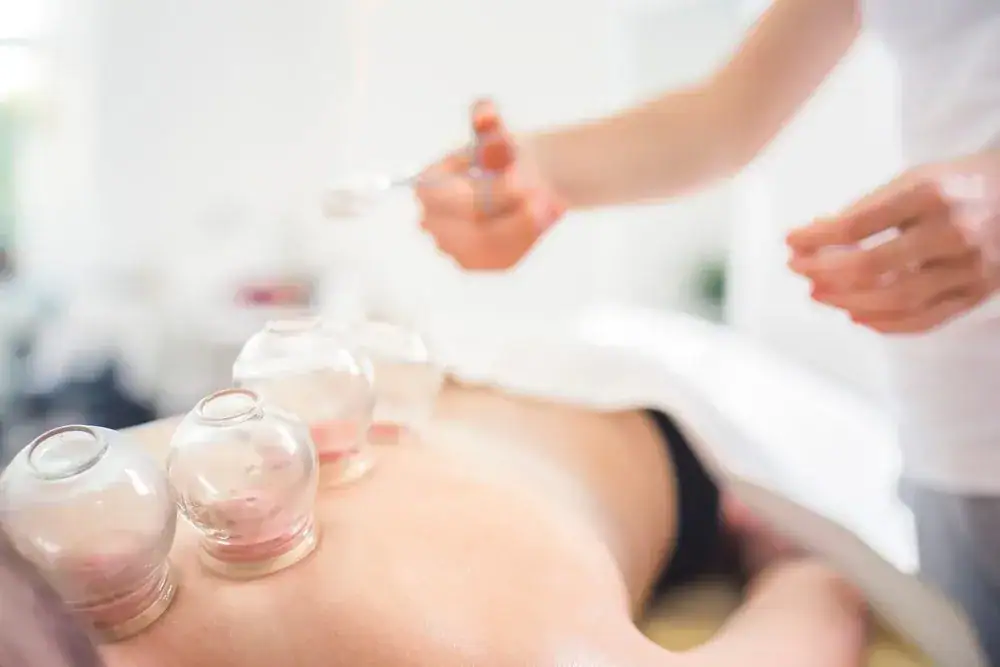
Yes, and the research backs it up. Cupping therapy has been shown to reduce chronic musculoskeletal pain more effectively than some conventional treatments, especially when combined with physical therapy. The suction increases blood circulation, which helps decrease inflammation and deliver nutrients to damaged tissue.
For chronic neck and back pain, cupping works by releasing fascial restrictions and tight muscle fibers that have been locked up for months or even years. That tightness limits your range of motion and creates compensatory movement patterns that make the pain worse over time. Cupping interrupts that cycle by giving your muscles and fascia room to move properly again.
Most people feel some relief after the first session, but lasting results come from consistent treatment over several weeks. We’re not just chasing symptom relief—we’re retraining your body to move without pain so the problem doesn’t keep coming back.
A typical session lasts anywhere from 15 minutes to an hour depending on the areas we’re treating and how your body responds. If we’re focusing on one specific area like your lower back, it might be shorter. If we’re addressing multiple areas or combining cupping with other physical therapy techniques, it’ll take longer.
The number of sessions you’ll need depends on what you’re dealing with. Acute injuries or muscle soreness from a tough workout might only need a few sessions. Chronic pain, stiffness, or long-term mobility issues usually require a longer treatment plan—often 6 to 12 sessions spread out over several weeks.
We’ll give you a realistic timeline after your initial evaluation. Some people see significant improvement in 3 to 4 sessions. Others need more time, especially if there are underlying issues like poor posture, muscle imbalances, or scar tissue. The key is consistency and combining cupping with the strengthening and mobility work that prevents the pain from returning.
Yes, cupping usually leaves circular marks where the cups were placed, and no, it shouldn’t hurt. The marks look like deep red or purple circles, and they’re caused by increased blood flow and the movement of metabolic waste from deeper tissue to the surface. They’re not bruises in the traditional sense—they’re a sign the treatment is working.
Those marks typically last anywhere from a few days to a week, and they fade gradually. Some people have minimal marking, others have more pronounced circles. It depends on how much tension and stagnation is in the tissue. The marks might feel slightly tender to the touch, similar to post-workout soreness, but they’re not painful.
During the session, you’ll feel a pulling or tugging sensation as the suction lifts your skin and tissue. Most people find it relaxing, not uncomfortable. If the suction feels too intense, we can adjust it. The goal is therapeutic benefit, not discomfort. If you have an event coming up where visible marks would be a problem, let us know and we can plan your sessions accordingly.
Absolutely. Cupping has become popular among professional and Olympic athletes specifically because it speeds up recovery and helps manage the kind of muscle soreness and tightness that comes with intense training. It works by improving circulation, reducing inflammation, and releasing fascial adhesions that develop after repetitive strain or acute injuries.
If you’re dealing with a pulled muscle, tendonitis, or lingering soreness from overtraining, cupping helps your body recover faster by increasing blood flow to the affected area. That means more oxygen and nutrients reach damaged tissue, and metabolic waste gets flushed out more efficiently. The result is less downtime and better performance when you get back to your sport or workout routine.
We also use cupping as part of injury prevention. Tight muscles and restricted fascia increase your risk of strains, tears, and compensatory injuries. Regular cupping sessions keep your tissue mobile and your muscles functioning properly, which means you’re less likely to get sidelined in the first place. A lot of our active patients in Flower Hill use cupping as part of their maintenance routine, not just when something goes wrong.
In most cases, cupping therapy is covered when it’s part of a physical therapy treatment plan, which is how we provide it at Medcare. Because we’re a licensed physical therapy practice, your sessions are billed through your insurance just like any other PT visit. Coverage depends on your specific plan, deductible, and whether you’ve met your out-of-pocket maximum for the year.
We recommend calling your insurance provider before your first visit to confirm your benefits and understand any copays or coinsurance you might be responsible for. Our team can also help verify your coverage and answer questions about what’s included. If you don’t have insurance or prefer to pay out of pocket, we can provide transparent pricing so you know exactly what to expect.
The key difference between getting cupping here versus at a spa or wellness center is that we’re treating a medical condition, not offering relaxation therapy. That means it’s more likely to be covered, and you’re getting care from licensed physical therapists who understand how to use cupping as part of a comprehensive recovery plan.
Cupping is safe for most people, but it’s not appropriate for everyone. If you have certain skin conditions like eczema, psoriasis, or open wounds in the treatment area, we’ll avoid those spots or skip cupping altogether. People with bleeding disorders, those on blood thinners, or anyone with a history of blood clots should talk to their doctor before starting cupping therapy.
Pregnant women can usually receive cupping, but we avoid certain areas like the abdomen and lower back, and we adjust the intensity. If you have a pacemaker, active cancer, or severe cardiovascular issues, cupping may not be recommended. We’ll go over your full medical history during your evaluation to make sure it’s safe and appropriate for you.
The risks are minimal when cupping is done correctly by trained professionals. The most common side effect is the temporary marking we mentioned earlier. Some people feel lightheaded after their first session, especially if they’re dehydrated, so we recommend drinking plenty of water before and after treatment. Serious complications are extremely rare and usually only happen when cupping is performed improperly or in unsafe conditions—which is why it matters who’s doing it.
Other Services we provide in Flower Hill