

You wake up without that familiar stiffness in your lower back. You reach for something on a high shelf without wincing. You finish a workout without spending the next two days recovering.
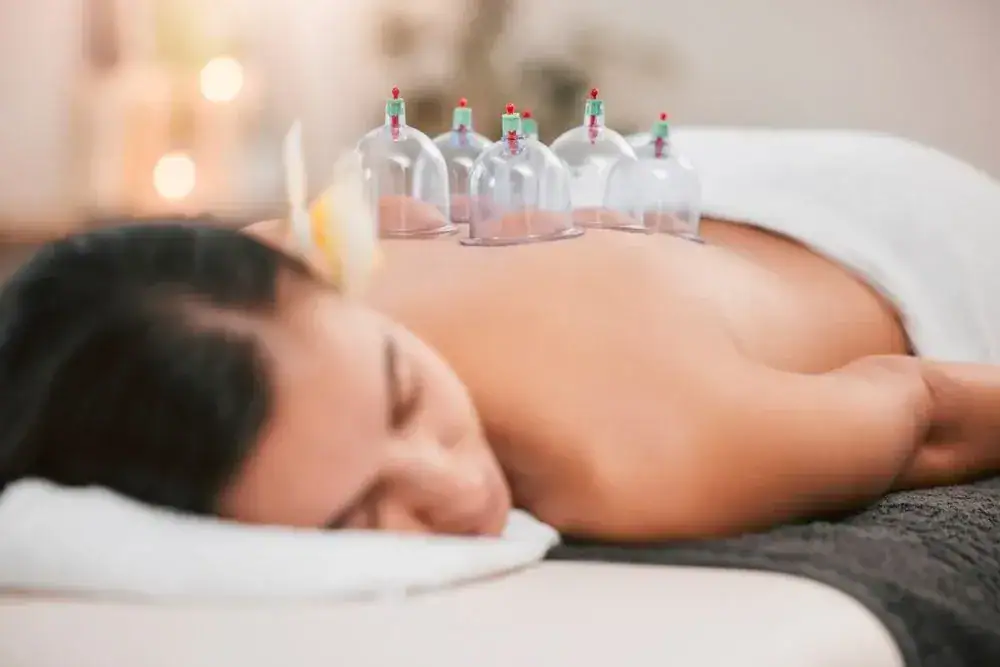
That’s what happens when muscle tension, inflammation, and restricted blood flow get addressed at the source. Cupping therapy works by creating suction on your skin, pulling blood to the area, releasing tight fascia, and giving your body what it needs to heal itself. It’s not a temporary fix that wears off by dinner.
Most people notice reduced pain after the first session. Range of motion improves. Muscle tightness loosens. You start moving the way you used to, before the injury or the chronic condition took over. Whether it’s neck pain from sitting at a desk all day, knee pain from an old sports injury, or shoulder tension that never seems to go away, cupping therapy helps your body do what it’s been trying to do all along: recover.
We’ve been serving Long Island communities since 2010. That includes Flanders and the surrounding areas, where people need real solutions for pain that won’t quit.
Our licensed physical therapists don’t just perform cupping therapy as a standalone treatment. We integrate it into comprehensive care plans that might also include manual therapy, therapeutic exercise, and other evidence-based techniques. You’re not getting a one-size-fits-all approach.
We manage multiple locations across Long Island, including affiliations with Physical Therapy Associates of Smithtown and Speonk. Every profile is verified, every staff member is credentialed, and your information stays secure. That’s not marketing talk—it’s how we operate. Flanders residents deserve care that’s both effective and trustworthy, and that’s what you’ll find here.
First, your physical therapist evaluates your pain, your range of motion, and the areas causing problems. This isn’t a generic treatment—it’s based on what your body actually needs.
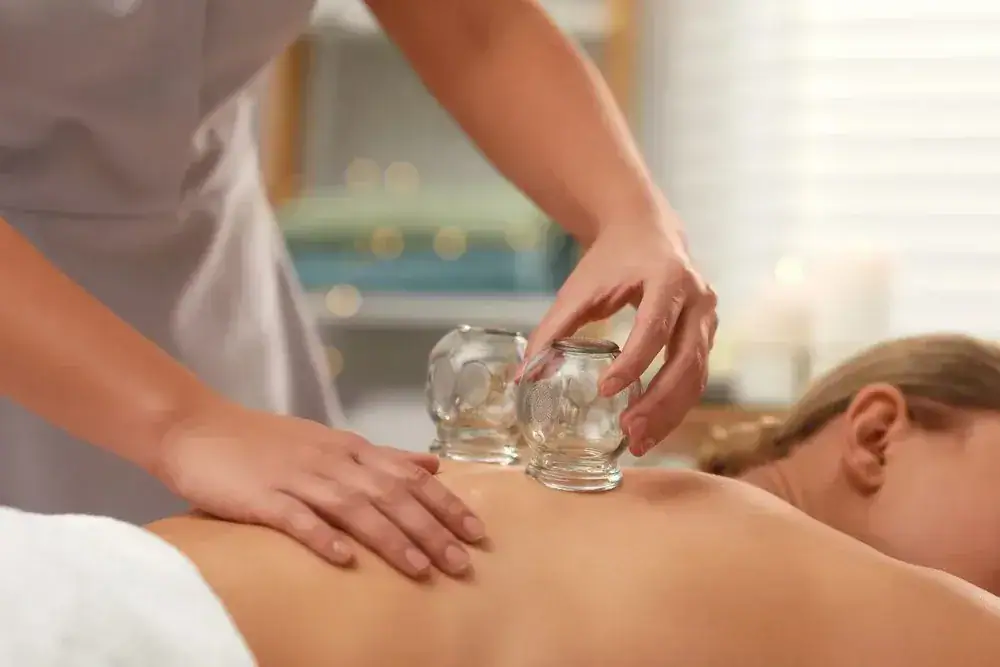
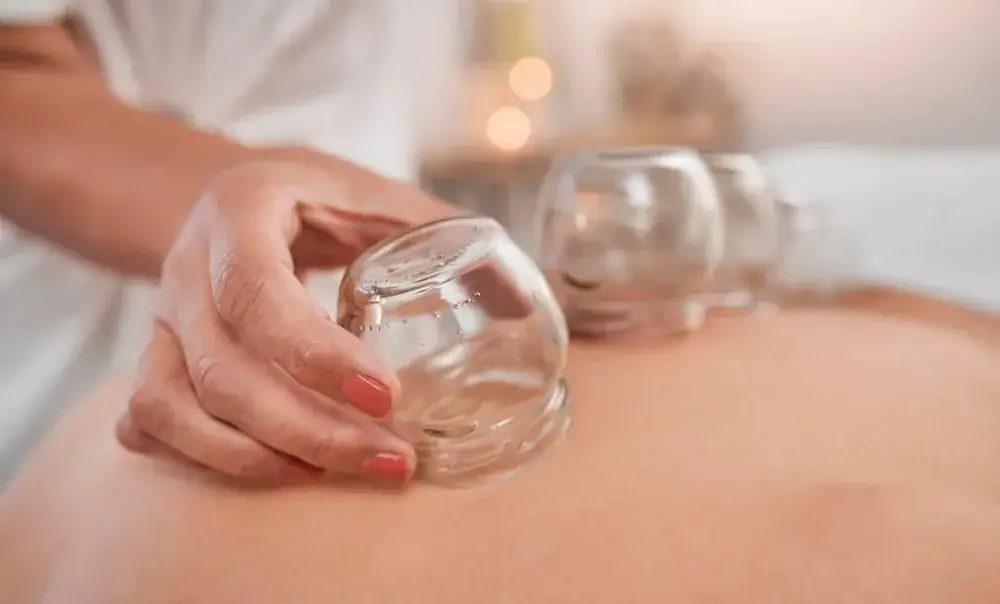
During the session, cups are placed on your skin over the affected muscles or joints. The suction pulls tissue upward, increasing blood flow and releasing tension in the fascia. Some therapists use stationary cups (dry cupping), while others might glide the cups across your skin for myofascial decompression. Both techniques work, and your therapist will choose based on your condition.
You’ll see round marks on your skin afterward. They’re not bruises—they’re a sign that blood flow increased to the area. They fade within a week or two. Most sessions last 15 to 30 minutes, depending on how many areas need treatment.
After cupping, many people feel immediate relief. Muscles feel looser. Pain decreases. Movement gets easier. Your therapist will likely combine cupping with other physical therapy techniques to maximize results and keep you progressing toward full recovery.
Ready to get started?
Cupping therapy helps with a wide range of pain conditions. Back pain and neck pain respond well because the suction releases deep muscle tension that’s hard to reach otherwise. Knee pain, shoulder pain, and hip pain also improve as blood flow increases and inflammation decreases.
Athletes use cupping for faster recovery and better performance. If you’re dealing with repetitive strain from work or sports, cupping can break up adhesions in the soft tissue and restore mobility. Headaches and migraines sometimes improve when neck and shoulder tension gets released.
In Flanders, where many residents work physically demanding jobs or stay active outdoors, overuse injuries are common. Cupping fits naturally into treatment plans for people who need to get back to work or back to their routines without surgery or long-term medication. It’s also effective for chronic conditions like arthritis, where ongoing pain limits what you can do each day.
Your treatment plan is personalized. Your therapist will assess your specific condition, explain how cupping can help, and integrate it with other therapies as needed. You’re not just getting cupping—you’re getting a full physical therapy approach designed around your goals.
Yes, and there’s research backing it up. Studies show that cupping therapy significantly reduces pain in conditions like chronic back pain, neck pain, knee osteoarthritis, and even migraines. The suction increases blood circulation to the painful area, which helps reduce inflammation and muscle tension.
It also stimulates your nervous system to release endorphins, which are your body’s natural painkillers. That’s why many people feel relief during or immediately after a session. For chronic pain, cupping works best when it’s part of a broader physical therapy plan that addresses the root cause, not just the symptoms.
The key is consistency. One session might help, but a series of treatments gives your body time to heal and adapt. Your physical therapist will track your progress and adjust the treatment as you improve.
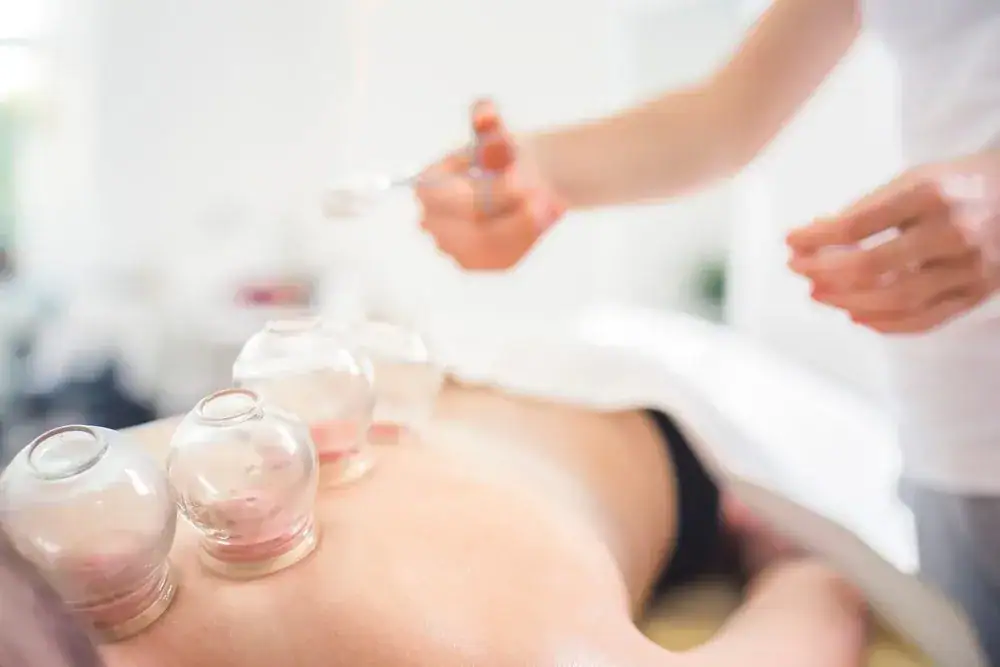
Dry cupping is what most physical therapists use. Cups are placed on your skin, suction is created, and they’re either left in place or moved across the muscle. No cuts, no blood. It’s effective for general pain relief, muscle tension, and improving range of motion.
Wet cupping involves making small incisions in the skin before applying the cups, which draws out a small amount of blood. It’s more common in traditional medicine practices and is thought to help with inflammatory conditions. Most physical therapy clinics, including ours, focus on dry cupping because it’s low-risk and highly effective for musculoskeletal pain.
Both techniques have benefits, but dry cupping is safer, easier to perform, and works well for the majority of pain conditions people deal with. If you’re coming in for back pain, a sports injury, or chronic muscle tightness, dry cupping is what you’ll receive.
Yes, and that’s normal. The suction pulls blood to the surface, which creates round, red or purple marks that look like bruises. They’re not painful, and they’re not a sign of injury. They’re actually a sign that the treatment is working—blood flow increased to the area.
The marks usually fade within a week to ten days. Some people’s marks are darker than others depending on skin type, the amount of suction used, and how much tension was in the tissue. If you have an event or situation where visible marks would be a problem, let your therapist know ahead of time so you can plan accordingly.
If you need to see a doctor before the marks fade, just explain that they’re from cupping therapy. Medical professionals are familiar with the technique and won’t mistake the marks for something else.
It depends on your condition and how your body responds. Some people feel significant relief after one or two sessions, especially if the pain is acute or related to a recent injury. Chronic conditions like long-term back pain or arthritis usually require more sessions—often six to eight over a few weeks.
Your physical therapist will evaluate your progress after each session and adjust the plan as needed. If cupping is helping, you’ll know pretty quickly. Pain decreases, movement improves, and daily activities get easier. If progress stalls, your therapist might add other treatments or change the approach.
The goal isn’t to keep you coming in forever. It’s to get you to a point where you’re functional, pain-free, and able to maintain your progress on your own. Most people see real improvement within a month of consistent treatment.
Often, yes—but it depends on your plan. Cupping therapy performed by a licensed physical therapist is usually covered under your physical therapy benefits. That means if your insurance covers PT, cupping is typically included as part of your treatment plan.
Medicare covers outpatient physical therapy services, which can include cupping when it’s medically necessary and performed by a licensed provider. Private insurance plans vary, so it’s worth checking your benefits or asking our team to verify coverage before your first visit.
Even if cupping isn’t specifically listed in your policy, it’s often billed as part of manual therapy or therapeutic procedures. The key is that it’s being done by a licensed physical therapist in a clinical setting, not a spa. That makes a big difference in how insurance companies view it.
Absolutely. In fact, that’s how it works best. Cupping therapy is most effective when it’s part of a comprehensive physical therapy plan that might also include manual therapy, therapeutic exercise, stretching, and strengthening programs.
For example, if you’re dealing with lower back pain, your therapist might use cupping to release muscle tension, then follow up with core strengthening exercises to prevent the pain from coming back. Or if you have a sports injury, cupping can speed up recovery while you work on mobility and conditioning.
Cupping also pairs well with other pain management techniques like heat therapy, electrical stimulation, or myofascial release. Your therapist will design a plan based on your specific needs and goals. You’re not locked into one treatment—you’re getting a full toolkit to help you recover faster and stay pain-free longer.
Other Services we provide in Flanders