
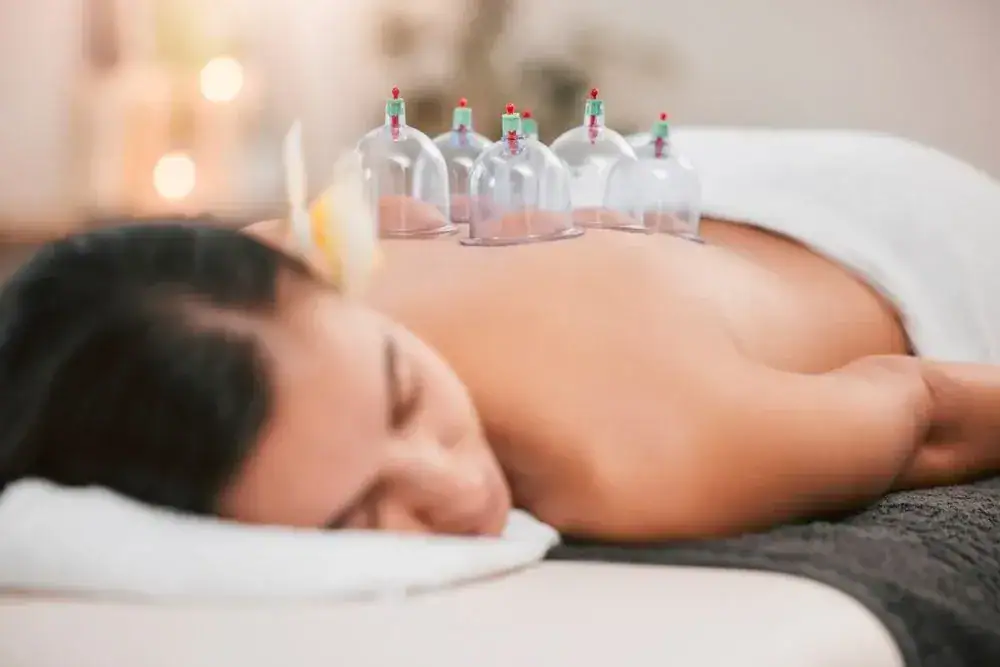

You wake up without that stiff neck that’s been your alarm clock for months. You turn to check your blind spot without wincing. You sleep through the night because your shoulders aren’t screaming at you.
That’s what happens when blood flow increases to areas that have been starved of circulation. Cupping therapy creates controlled suction that pulls fresh blood into tight, painful tissue. More blood means more oxygen, faster healing, and less inflammation sitting in your muscles.
The tension you’ve been carrying between your shoulder blades starts to release. Your range of motion improves because the fascia isn’t glued down anymore. You’re not reaching for ibuprofen every four hours just to get through your day.
This isn’t about temporary relief that wears off by dinner. Cupping addresses why you’re in pain by improving circulation, releasing trigger points, and giving your body what it needs to heal itself. You get your mobility back. You get your sleep back. You get to move through your day without constantly managing discomfort.
Medcare Therapy Services has been delivering home-based physical therapy across Suffolk County since 2010. That’s fourteen years of showing up at kitchen tables, living rooms, and home offices throughout Eatons Neck and the surrounding North Shore communities.
You’re not traveling to a clinic. You’re not sitting in a waiting room. Our licensed therapists come to you with everything needed for effective treatment. This matters especially if you’re dealing with mobility issues, transportation challenges, or a schedule that doesn’t accommodate multiple weekly appointments across town.
Every therapist on our team is licensed, trained in cupping techniques, and experienced in integrating this treatment with broader physical therapy approaches. We’re Medicare-certified, which means meeting federal standards for care quality and maintaining the documentation and protocols that protect you as a patient.
Your therapist starts with an assessment. Where’s the pain? What movements hurt? How long has this been going on? This isn’t a standard script—it’s figuring out what’s actually wrong and whether cupping makes sense for your specific situation.
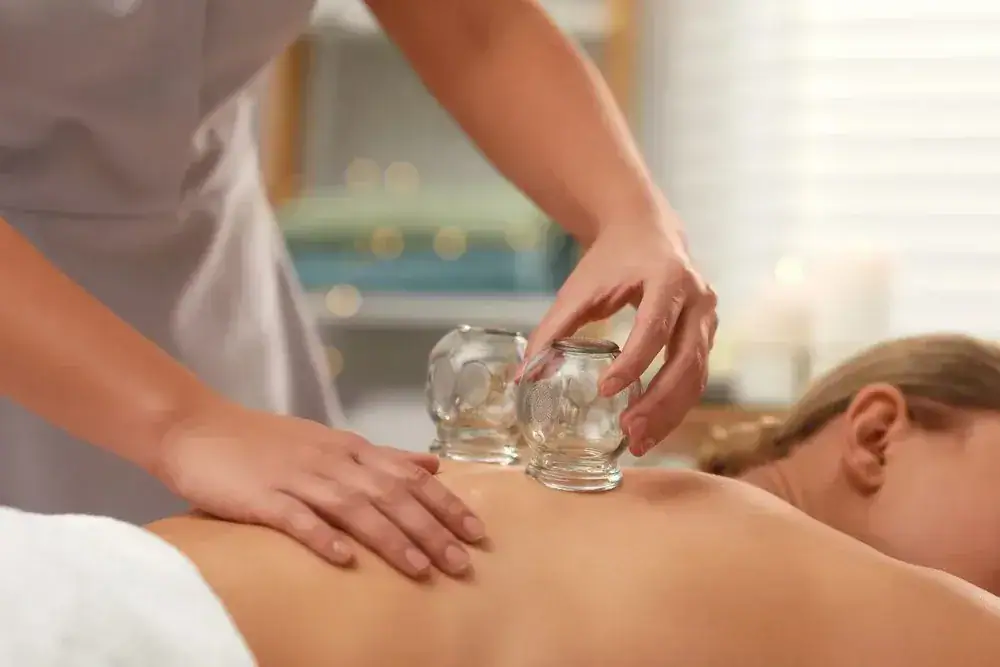
Once you’re clear on the plan, your therapist applies cups to targeted areas. These create suction that pulls tissue upward, increasing blood flow to muscles that aren’t getting enough circulation. You’ll feel pressure and tightness, but it shouldn’t hurt. The cups stay in place for several minutes while they do their work.
Dry cupping is the most common approach—cups applied to skin without any cutting or bleeding. Some people see circular marks afterward. Those aren’t bruises. They’re showing where blood was stagnant and is now moving again. The darker the mark, the more circulation was needed in that spot.
Most people need multiple sessions. One treatment might give you relief, but lasting results come from consistent care over several weeks. Your therapist will explain what to expect, how many sessions make sense, and how cupping fits with any other physical therapy you’re doing.
Ready to get started?
You get licensed physical therapy without leaving home. That’s the baseline. But what actually happens during treatment makes the difference.
Your therapist brings professional-grade equipment and integrates cupping with other techniques that address your specific pain. If you’re dealing with neck tension from desk work, treatment might combine cupping with postural correction and stretching. If you’re recovering from an injury, cupping accelerates healing alongside strengthening exercises.
For Eatons Neck residents, home-based care solves real problems. You’re not driving to Smithtown or Commack multiple times a week. You’re not arranging rides or asking family members to chauffeur you to appointments. Treatment happens in your space, on your schedule, without the logistics that make people skip sessions.
Medicare covers cupping therapy when it’s medically necessary as part of your physical therapy plan. We handle the documentation and billing, so you’re not navigating insurance requirements alone. You get clear information about coverage, costs, and what to expect before treatment starts.
The goal isn’t just pain relief. It’s sustainable improvement that lets you return to activities you’ve been avoiding. Whether that’s gardening, playing with grandchildren, or just getting through your workday without constant discomfort.
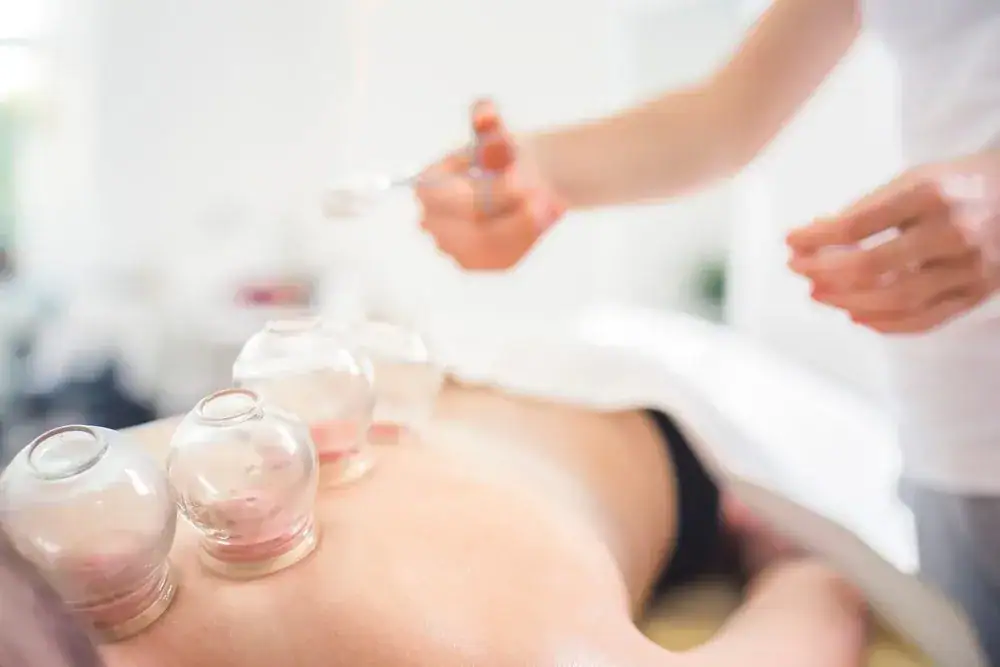
Cupping increases blood flow to areas where circulation is restricted. When you have chronic pain, it’s often because muscles are tight, inflamed, and not getting enough oxygen-rich blood. The suction pulls blood into those tissues, which reduces inflammation and helps muscles relax.
Research shows cupping can significantly reduce pain intensity, especially for neck and lower back issues. It’s particularly effective when combined with physical therapy because you’re addressing both the immediate pain and the underlying movement patterns causing it.
You’ll likely see some improvement after your first session, but real results come from consistent treatment. Most people notice meaningful changes after four to six sessions. The pain doesn’t just decrease—your range of motion improves, and you start moving differently because your body isn’t compensating for constant discomfort anymore.
You’ll probably have circular marks where the cups were placed. They look like bruises but they’re not. Bruises happen when blood vessels break. Cupping marks show where stagnant blood was pulled to the surface to improve circulation.
The marks can range from light pink to dark purple depending on how much blood stagnation was in that area. More stagnation means darker marks. They typically fade within a few days to a week. As your circulation improves with regular treatment, the marks usually get lighter because there’s less stagnation to address.
If you’re concerned about visible marks, talk with your therapist about placement. They can often work around areas that will be exposed, though the most effective treatment targets wherever the pain actually is. Most people stop worrying about the marks once they feel the relief.
Medicare covers cupping therapy when it’s medically necessary as part of your physical therapy treatment plan. That means your doctor has documented that you need physical therapy, and your therapist determines cupping is appropriate for your condition.
We’re a Medicare-certified provider, which means we meet federal requirements and can bill Medicare directly for covered services. You’ll have the same copays and deductibles as any other Medicare-covered physical therapy. Our billing team handles the paperwork and can tell you exactly what your costs will be before you start treatment.
Coverage depends on your specific plan and whether you’ve met your deductible. Part B typically covers outpatient physical therapy with some limitations on annual amounts. If you have a Medicare Advantage plan, coverage may vary. The key is getting clear information upfront so there are no surprises when the bill comes.
The treatment itself is the same. You’re getting the same professional techniques from licensed therapists whether you’re at home or in a clinic. The difference is convenience and consistency.
When therapy happens at home, you’re more likely to complete your full treatment plan. You’re not canceling because you can’t get a ride or because the weather’s bad or because driving hurts too much. Your therapist sees your actual environment—how you sit, where you work, what your daily movement patterns look like. That context helps them give you better recommendations.
Home treatment also eliminates the stress of getting ready and traveling when you’re already in pain. You can schedule sessions around your day instead of building your day around appointments. For many people in Eatons Neck, especially those with mobility limitations or transportation challenges, home-based care is the difference between getting consistent treatment and giving up after a few sessions.
Cupping speeds recovery by increasing blood flow to damaged tissue. When you injure a muscle, your body needs to deliver oxygen, nutrients, and immune cells to that area. Cupping accelerates that process by improving circulation exactly where you need it.
Athletes use cupping to reduce muscle soreness after intense training and to address specific injuries like strained muscles or tendon issues. It helps release muscle tension and adhesions that develop from repetitive movement. If you’re dealing with runner’s knee, tennis elbow, or rotator cuff problems, cupping can be part of an effective recovery plan.
The key is integrating cupping with appropriate exercise and movement therapy. You can’t just cup an injury and expect it to heal without addressing strength, flexibility, and whatever caused the injury in the first place. When used correctly as part of a comprehensive physical therapy approach, cupping can significantly reduce recovery time and help you return to activity sooner.
Your therapist will spend time understanding your pain. Where is it? When did it start? What makes it better or worse? They’ll assess your movement and identify areas where circulation is restricted or muscles are holding tension.
Then they’ll explain how cupping works, what you’ll feel, and what results you can reasonably expect. They’ll show you the cups and walk you through the process before starting. Once you’re comfortable, they’ll apply cups to targeted areas. You’ll feel suction and tightness, but it shouldn’t be painful. The cups typically stay in place for five to fifteen minutes.
After removing the cups, your therapist will check how your body responded and may do some light stretching or movement work. They’ll explain what the marks mean, how long they’ll last, and what to do before your next session. Most first appointments take about an hour including assessment and treatment. You’ll leave with a clear plan for how many sessions you’ll need and what improvement you should expect.
Other Services we provide in Eatons Neck