
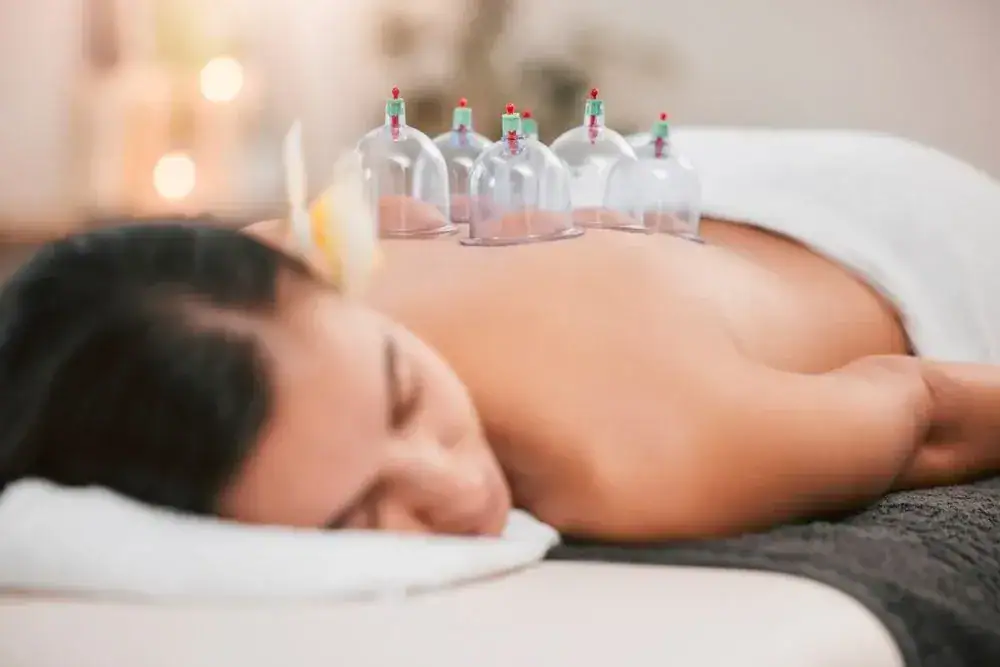

You wake up without that stiffness in your neck. You reach for something on a high shelf without wincing. You get through your workday without counting down the hours until you can rest your back.
That’s what happens when cupping therapy actually works. The suction increases blood flow to areas that have been tight or inflamed for weeks or months. More blood means more oxygen and nutrients reaching damaged tissue. That means faster healing, less pain, and better range of motion.
Most people notice the difference after just a few sessions. Your muscles start to release. Movement gets easier. You’re not constantly aware of the pain anymore because it’s not running the show.
We’ve been treating patients across Long Island for years, including right here in East Quogue. Our physical therapists are licensed, trained in cupping modalities, and experienced in treating the kinds of pain that don’t respond well to rest alone.
We’re not a spa. We’re a physical therapy practice that uses cupping as part of a real treatment plan. That means you get an evaluation first, a personalized approach based on what’s actually wrong, and follow-up care that adjusts as you improve.
East Quogue has a higher median age and income than most of New York, which means people here expect quality care and have the means to invest in it. We’ve built our reputation on delivering both.
You’ll start with an evaluation. We need to know where the pain is, how long you’ve had it, and what makes it better or worse. That tells us whether cupping is the right fit and how to apply it.
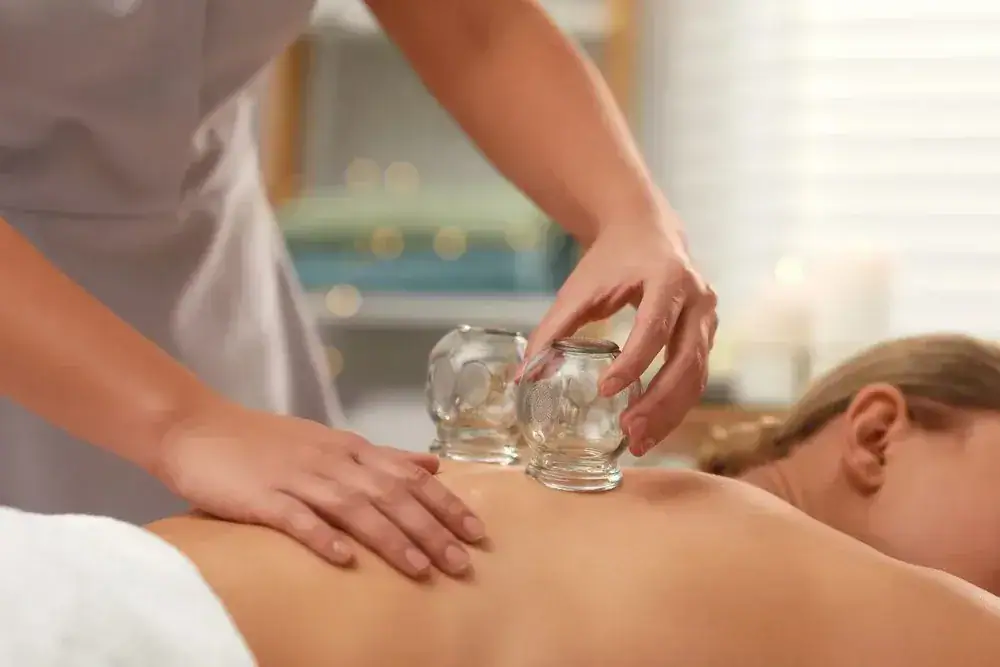
During treatment, we place specialized cups on your skin over the affected area. A small pump creates suction, which pulls tissue upward and increases blood flow to that spot. It’s not painful. Most people say it feels like a deep tissue massage or a strong pull.
The cups stay on for five to ten minutes. When we remove them, you might see circular marks where the cups were. Those fade within a week or so and aren’t a cause for concern. They’re just a sign that blood flow increased in that area.
Depending on your condition, we might use dry cupping alone or combine it with other physical therapy techniques. Some people feel relief right away. Others need a few sessions before they notice a real change. We’ll track your progress and adjust the plan as needed.
Ready to get started?
Cupping therapy works well for muscle pain, especially in the back, neck, and shoulders. It’s also effective for knee pain, sports injuries, and post-surgical recovery when scar tissue limits movement. If you’ve been dealing with stiffness that won’t go away or inflammation that keeps coming back, cupping helps by improving circulation and breaking up adhesions.
In East Quogue, we see a lot of patients dealing with age-related pain and overuse injuries. With a median age over 53, many residents are managing chronic conditions that don’t need surgery but do need consistent, effective treatment. Cupping fits that need because it’s low-risk, non-invasive, and works well alongside other therapies.
We also treat people recovering from falls, car accidents, or work injuries. Cupping speeds up recovery by reducing swelling and getting fresh blood to damaged tissue. It’s versatile enough to modify based on what you need, whether that’s deep tissue release or lymphatic drainage.
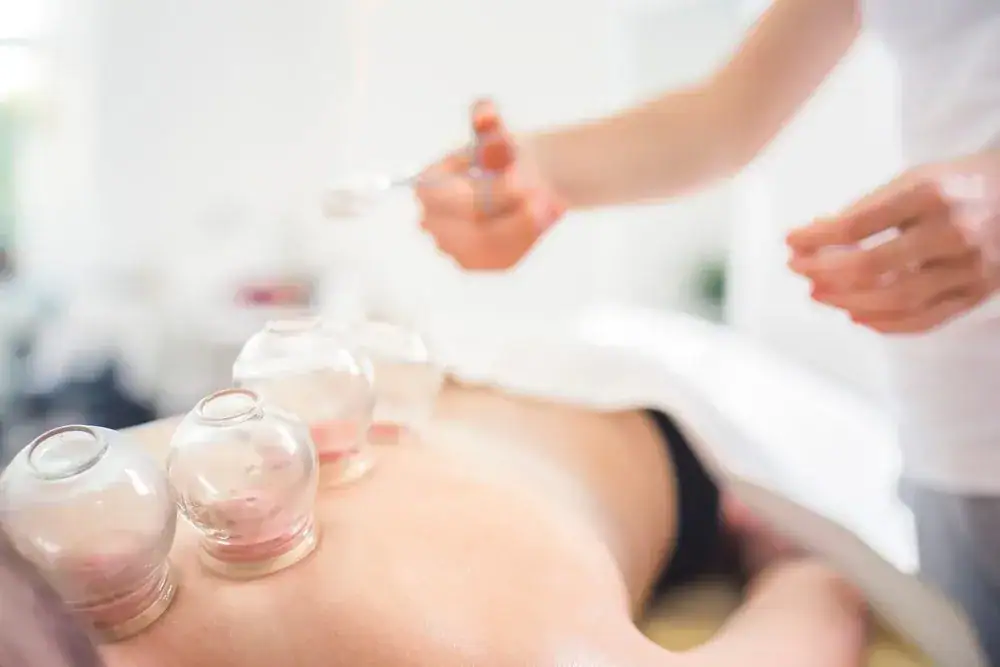
Yes, when it’s done correctly by a licensed physical therapist. Cupping increases blood flow to tight or inflamed muscles in your back, which helps reduce pain and improve mobility. The suction pulls tissue upward, creating space between muscle layers and breaking up adhesions that cause stiffness.
Most people with chronic back pain have areas where blood flow is restricted due to tension or old injuries. Cupping addresses that directly by forcing circulation into those spots. You’re not just masking the pain. You’re helping the tissue heal.
That said, cupping works best as part of a broader treatment plan. If your back pain is caused by a herniated disc or nerve compression, cupping alone won’t fix it. But for muscular pain, tightness, and restricted movement, it’s one of the most effective tools we have.
The circular marks usually fade within one to ten days, depending on how much suction was used and how your body responds. They’re not bruises in the traditional sense. They’re caused by increased blood flow and the release of stagnant fluids in the tissue.
Some people’s marks disappear in a couple of days. Others take longer, especially if the area being treated was particularly tight or inflamed. The marks don’t hurt and they’re not a sign of damage. They’re actually a sign that the treatment is working.
If you’re concerned about visible marks, let us know before your session. We can adjust the intensity or choose placement areas that are easier to cover with clothing. But most patients don’t mind them once they understand what they mean.
It depends on your plan. Because we’re a licensed physical therapy practice, many insurance companies will cover cupping when it’s part of a physical therapy treatment plan. That’s different from cupping done at a spa or wellness center, which usually isn’t covered.
We recommend calling your insurance provider before your first visit to confirm coverage. Ask specifically whether cupping is covered when performed by a physical therapist as part of a documented treatment plan. Most plans that cover physical therapy will include it.
If your plan doesn’t cover cupping, we’ll discuss pricing upfront so there are no surprises. Many patients find that even out-of-pocket, the cost is worth it compared to ongoing pain medication or repeated doctor visits that don’t solve the problem.
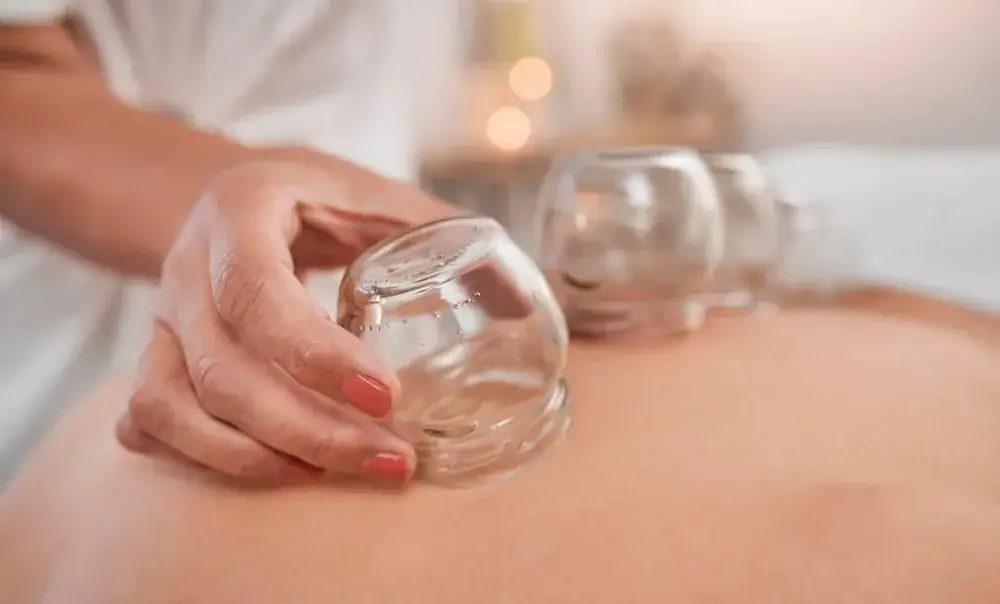
Dry cupping uses suction alone. We place cups on your skin, create a vacuum with a small pump, and leave them in place for several minutes. There’s no cutting, no blood removal, and no added substances. It’s the safest and most common form used in physical therapy.
Wet cupping involves making small incisions in the skin before applying the cups, which draws out a small amount of blood. We don’t offer wet cupping at Medcare because dry cupping provides the same benefits without the added risk or recovery time.
Some practitioners use fire cupping, where a flame briefly heats the inside of the cup to create suction. We use a manual pump instead because it gives us more control over the pressure and is safer overall. The results are the same, just with a more modern approach.
Most people notice some improvement after two to three sessions, but the total number depends on what we’re treating and how long you’ve had the problem. Acute injuries often respond faster than chronic pain that’s been building for months or years.
If you’re dealing with a recent muscle strain or post-workout soreness, you might only need a handful of sessions. For chronic conditions like ongoing back pain or long-term stiffness, you’ll likely need more frequent treatment at first, then maintenance sessions as you improve.
We’ll give you a realistic timeline after your initial evaluation. We’re not going to string you along with endless appointments, but we’re also not going to promise overnight results. Healing takes time, and cupping works best when it’s part of a consistent plan.
Cupping works well for both. Athletes use it to speed recovery from muscle strains, reduce inflammation, and improve range of motion after intense training. The increased blood flow helps damaged tissue heal faster, which means less downtime between workouts or games.
We treat a lot of sports-related injuries at Medcare, from pulled hamstrings to rotator cuff strains. Cupping is especially useful for injuries where scar tissue or adhesions are limiting movement. The suction helps break up that tissue and restore normal function.
That said, cupping isn’t a replacement for rest or proper rehabilitation. If you’ve torn a ligament or fractured a bone, you need more than cupping. But for soft tissue injuries, muscle fatigue, and recovery support, it’s one of the most effective treatments available.
Other Services we provide in East Quogue