
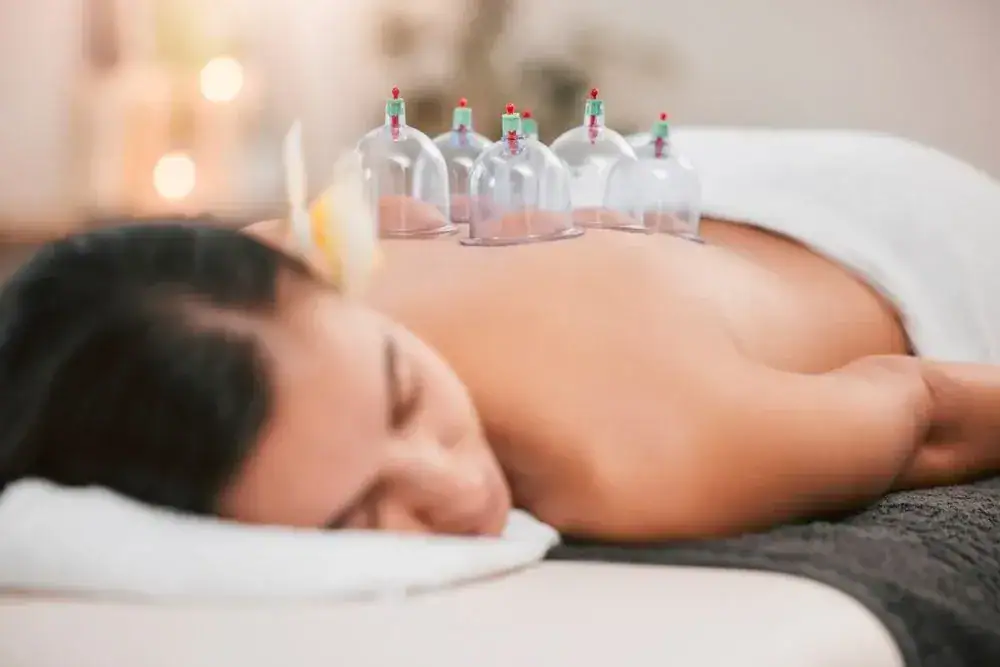

You wake up without that stiffness locking up your lower back. You reach for something on a high shelf without wincing. You get through your day without constantly adjusting how you sit or stand to avoid the ache.
That’s what happens when cupping therapy addresses the root cause instead of masking symptoms. The suction pulls fresh blood into oxygen-starved tissue, flushing out the inflammation that’s been sitting there making everything tight and sore. Muscles that have been clenched for months finally relax. Fascia that’s been stuck starts moving the way it should.
Most people feel the difference during their first session. Not because it’s magic, but because increased circulation, reduced muscle tension, and better tissue mobility create immediate, measurable changes in how your body feels and functions. You’re not just managing pain anymore. You’re actually addressing what’s causing it.
We’ve been bringing licensed physical therapy to East Norwich homes for over a decade. We’ve built our reputation on showing up when we say we will and delivering treatments that actually work.
Our therapists don’t just drop by and go through the motions. They’re licensed professionals with years of clinical experience who treat you like a person, not a case number. Every session is Medicare-covered outpatient therapy, which means you get professional care without the professional price tag.
East Norwich residents choose us because getting to a clinic when you’re already in pain doesn’t make sense. We come to you, assess what’s actually going on, and create a treatment plan based on your specific situation, not a one-size-fits-all protocol.
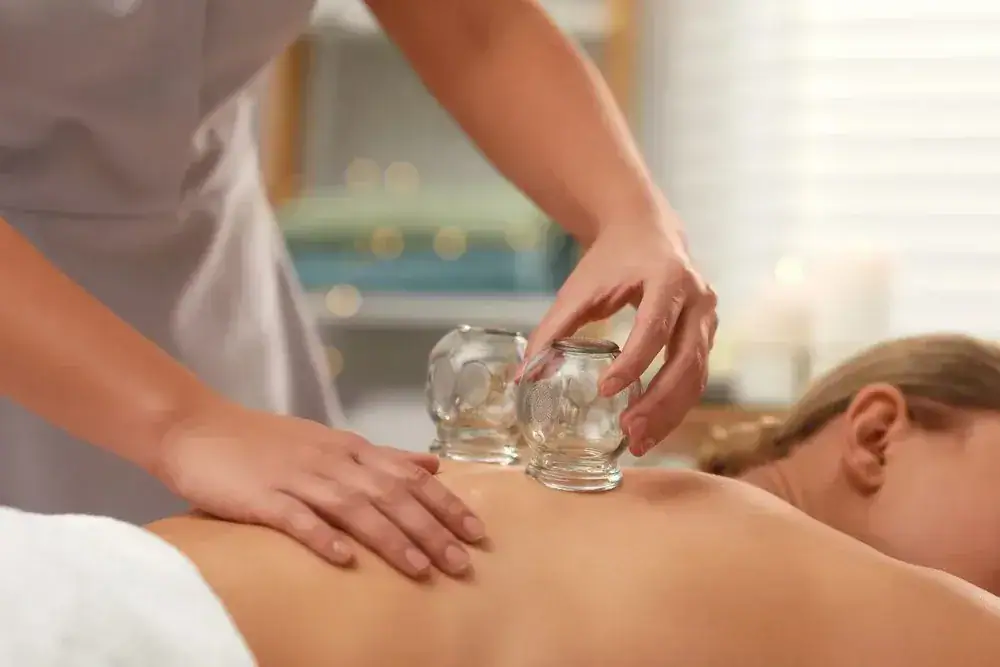
Your therapist arrives at your home with everything needed for a complete session. First, they assess your pain points, range of motion, and what’s been limiting you. This isn’t a quick glance, it’s a thorough evaluation to understand exactly where the problem is.
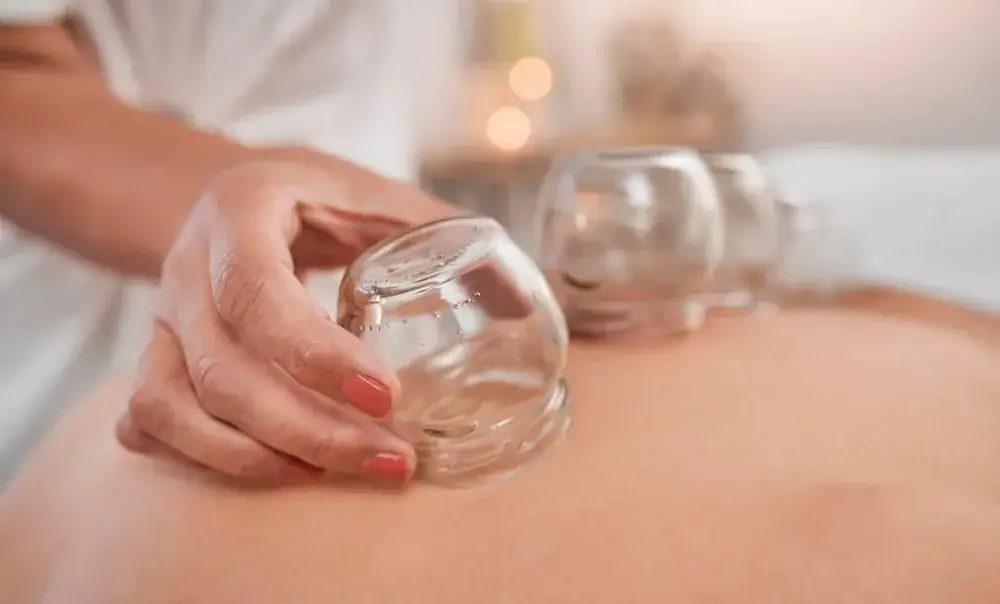
Then comes the cupping. Your therapist places specialized cups on targeted areas, creating controlled suction that pulls tissue upward. This isn’t painful. Most people describe it as a tight pulling sensation that actually feels relieving once your muscles start to release. The cups stay in place for several minutes while they do their work, increasing blood flow and breaking up adhesions in the tissue.
During treatment, you might see circular marks where the cups were placed. That’s normal. It’s not bruising, it’s increased circulation bringing fresh blood to areas that haven’t been getting enough. Those marks fade within a few days, and most people notice their pain fading even faster.
After the cups come off, your therapist may combine cupping with other physical therapy techniques, stretching, manual therapy, or targeted exercises that reinforce the improvements. You’ll get clear instructions on what to do between sessions to keep progress moving forward.
Ready to get started?
Each cupping therapy session includes a full physical therapy evaluation, not just cup placement. Your therapist examines how you move, where you’re compensating, and what’s actually causing your pain. Then they build a treatment plan around your specific needs.
The cupping itself uses professional-grade equipment with controlled suction levels. Your therapist adjusts the intensity based on your tissue condition and tolerance, making sure you get therapeutic benefit without unnecessary discomfort. Treatment typically focuses on areas like your back, neck, shoulders, or legs, wherever chronic pain or tightness has been limiting you.
East Norwich residents dealing with conditions common to Long Island’s active lifestyle, whether that’s chronic lower back pain from desk work, shoulder tension from repetitive motion, or muscle soreness that won’t quit, respond well to cupping combined with physical therapy. The treatment addresses both the symptoms you’re feeling and the underlying dysfunction causing them.
You also get education. Your therapist explains what’s happening in your body, why certain areas are problematic, and what you can do to prevent the same issues from coming back. This isn’t just about feeling better for a few days. It’s about understanding your body well enough to keep it functioning properly long-term.
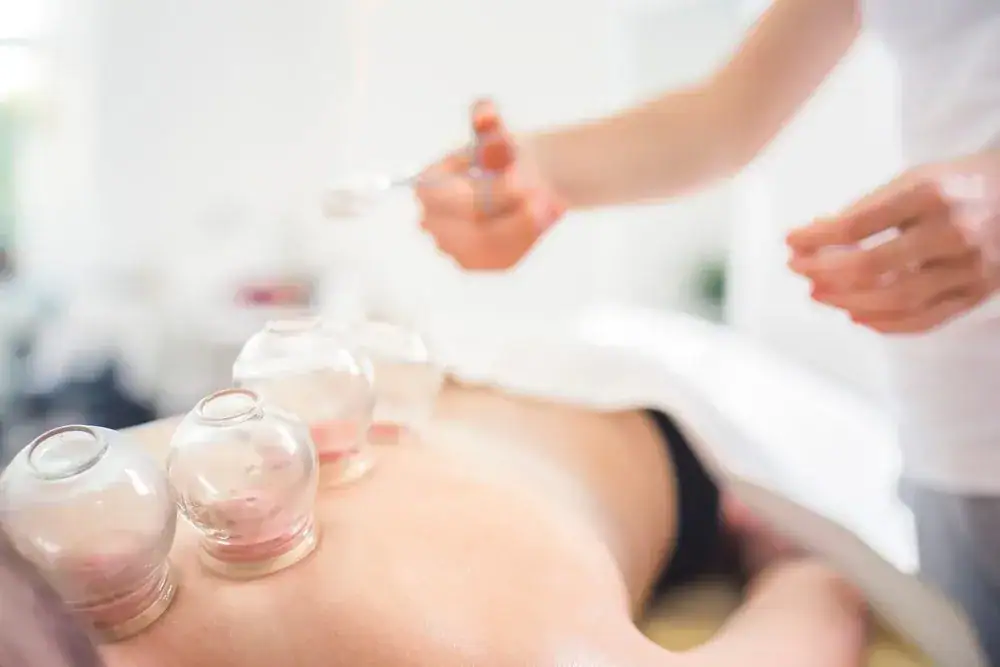
Cupping therapy creates measurable physiological changes that address chronic pain at the source, not just surface-level relief. When cups create suction on your skin, they pull blood into tissues that have been starved of proper circulation. That increased blood flow delivers oxygen and nutrients while flushing out inflammatory waste products that have been sitting in tight, painful muscles.
Research shows cupping reduces chronic musculoskeletal pain more effectively than many conventional treatments, particularly for conditions like lower back pain, neck tension, and fibromyalgia. The key difference is that cupping doesn’t just mask pain, it improves tissue function. When your fascia stops being stuck, when your muscles finally get the circulation they need, and when trigger points release, you’re fixing the problem, not covering it up.
That said, one session won’t undo months or years of chronic pain. Most people need several treatments to see lasting change, especially when cupping is combined with other physical therapy techniques that address movement patterns and muscle imbalances. The relief builds over time as your tissue actually heals, not just feels better temporarily.
The circular marks left by cupping aren’t bruises in the traditional sense. Bruising happens when blood vessels break and leak into surrounding tissue due to trauma. Cupping marks appear because suction pulls blood into areas with poor circulation, and that increased blood flow shows up as discoloration on your skin.
The marks typically range from light pink to deep purple depending on how much stagnation was in that area. Spots with worse circulation or more tissue restriction tend to show darker marks. This is actually useful information for your therapist, it shows exactly where your body needs the most work.
These marks usually fade within three to seven days and aren’t painful. If you’re concerned about appearance for an event or occasion, let your therapist know beforehand. They can adjust cup placement or use lighter suction in visible areas. The marks are a normal part of the healing process, showing that fresh blood is finally reaching tissue that’s been oxygen-deprived, but they’re not required for cupping to be effective.
Yes. When cupping therapy is provided as part of a licensed physical therapy treatment plan, Medicare typically covers it as outpatient therapy. We operate under Medicare guidelines, which means your cupping sessions are part of covered physical therapy services delivered in your home.
The key is that cupping must be medically necessary and part of a broader treatment plan, not a standalone spa service. Your therapist documents your condition, treatment goals, and progress, which satisfies Medicare’s requirements for coverage. You’ll have the same copays and deductibles that apply to any outpatient physical therapy.
For patients with Medicare Advantage or supplemental insurance, coverage works similarly, though specific benefits can vary by plan. If you have traditional Medicare Part B, you’re covered for physical therapy services at home when you meet the homebound criteria or when in-home treatment is medically appropriate. It’s worth confirming your specific coverage before starting treatment, but most East Norwich residents with Medicare find their cupping therapy sessions are fully covered under their existing benefits.
Massage pushes tissue down and manipulates it with pressure. Cupping pulls tissue up with suction. That difference matters because they affect your body in completely different ways.
When cups create suction, they decompress tissue instead of compressing it. This is especially useful for fascia, the connective tissue that wraps around your muscles. Fascia gets stuck and restricted, limiting how your muscles move and causing pain. Cupping lifts that fascia away from underlying structures, breaking up adhesions and restoring mobility in ways that hands-on pressure can’t achieve.
Cupping also targets circulation more aggressively than massage. The suction pulls blood into specific areas with precision, flooding oxygen-deprived tissue with fresh nutrients and flushing out metabolic waste. For chronic pain conditions where poor circulation is part of the problem, this makes a significant difference.
We use cupping as part of a complete treatment plan that includes assessment, targeted exercises, and other therapeutic techniques. You’re not just relaxing, you’re correcting dysfunction. A massage therapist focuses on relaxation and general tension relief. We focus on measurable improvements in pain, range of motion, and functional movement. Both have value, but they’re solving different problems.
Chronic musculoskeletal pain responds exceptionally well to cupping, especially conditions where muscle tension, poor circulation, and restricted fascia are primary factors. Lower back pain, neck and shoulder tightness, and chronic muscle soreness from conditions like fibromyalgia or arthritis see significant improvement with regular cupping treatments.
Athletes and active individuals use cupping for muscle recovery and to address exercise-induced soreness. If you’re dealing with tight IT bands, sore quads after activity, or persistent muscle fatigue that limits your workouts, cupping helps flush lactic acid and speed recovery. It’s the same technique Olympic athletes use to stay functional during intense training.
Post-surgical rehabilitation and injury recovery also benefit from cupping, particularly when scar tissue or restricted movement is slowing your progress. The increased circulation and tissue mobilization help you regain range of motion faster than physical therapy alone.
People with limited mobility who struggle to get to a clinic, common among East Norwich seniors and individuals recovering from surgery, find in-home cupping therapy especially valuable. You get professional treatment without the pain and difficulty of traveling when you’re already hurting. The treatment comes to you, which means you’re more likely to stay consistent and actually see results.
Most people notice some improvement after their first session, but lasting change typically requires six to eight treatments over several weeks. Chronic pain didn’t develop overnight, and it won’t disappear overnight either.
Your first few sessions focus on reducing acute pain and increasing circulation to restricted areas. You’ll likely feel looser and less sore immediately after treatment, though some people experience mild soreness the next day as tissue starts releasing. That’s normal and temporary.
Sessions three through six build on initial progress, addressing deeper restrictions and retraining your body to move properly. This is where you start seeing improvements that stick, better range of motion, less frequent pain flare-ups, and the ability to do activities that were difficult before.
After that, some people continue with maintenance sessions every few weeks to prevent pain from returning. Others complete their treatment plan and only return if symptoms resurface. Your therapist adjusts the frequency based on how your body responds and what your specific goals are. The key is consistency in those first several weeks. Skipping sessions or spacing them too far apart means you’re constantly restarting instead of building momentum toward actual healing.
Other Services we provide in East Norwich