

You’ve tried stretching. You’ve tried heat packs. Maybe you’ve even tried ignoring it. But that knot in your shoulder or that ache in your lower back keeps showing up—at your desk, in your car, when you’re trying to sleep.
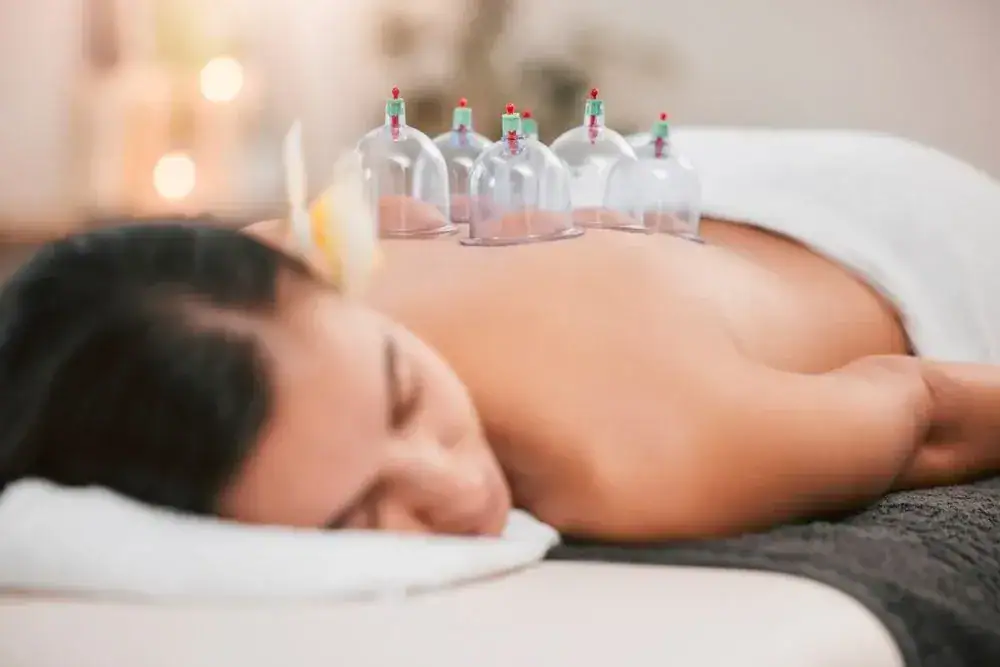
Cupping therapy works by creating suction on your skin, pulling blood flow to areas that need it most. That increased circulation brings oxygen and nutrients to tired, overworked tissue. The result isn’t just temporary relief—it’s your muscles actually letting go of tension they’ve been holding for weeks or months.
Most people notice less stiffness within the first session. Some feel looser immediately. Others find that pain they’ve been managing with ibuprofen starts fading after a few treatments. It’s not magic—it’s your body responding to better circulation and targeted muscle release.
If you’ve been dealing with chronic back pain, neck stiffness, or shoulder tension that won’t quit, this might be the shift you’ve been looking for. Not a cure-all, but a real tool that works when it’s done right.
We’ve been treating patients across Long Island for years, with locations in Coram, Smithtown, and Speonk. Our physical therapists are licensed, trained, and experienced in dry cupping—not just certified after a weekend course.
We’re not a spa. We’re a physical therapy clinic that uses cupping as part of a broader treatment plan. That means your session is guided by someone who understands musculoskeletal conditions, not just suction placement.
Coram residents come to us because we take the time to explain what’s happening, why it works, and what to expect. No surprises. No pressure. Just straightforward care from people who’ve been doing this long enough to know what actually helps.
Your first visit starts with a conversation. We ask about your pain—where it is, how long you’ve had it, what makes it worse. Then we assess your range of motion and muscle tension to figure out where cupping will help most.
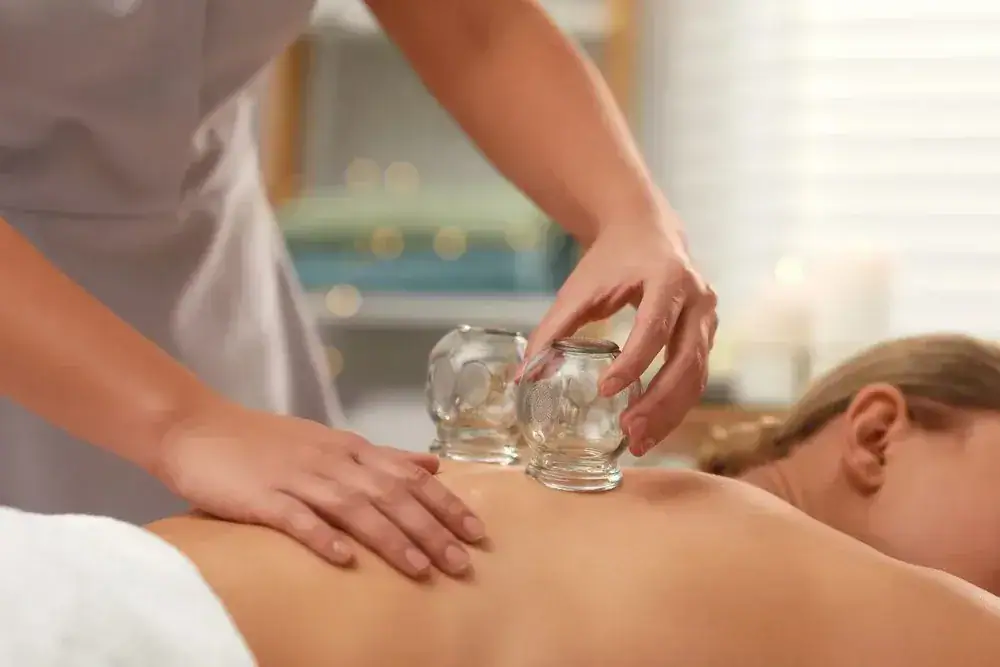
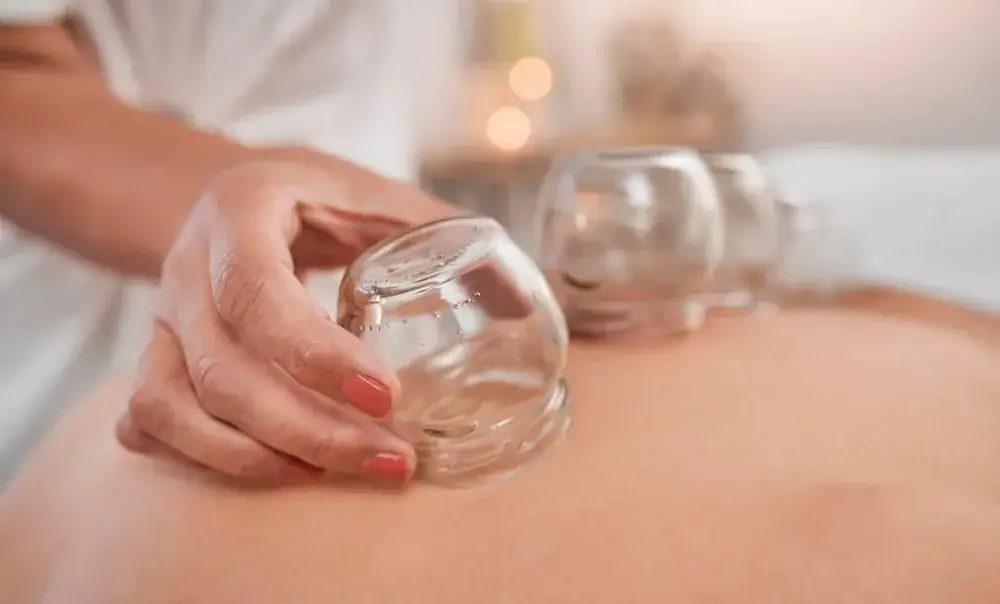
During the treatment, we place cups on targeted areas of your skin. The suction pulls tissue upward, increasing blood flow and releasing tight fascia. Some therapists leave cups in place for five to ten minutes. Others move them around for a massage-like effect. It depends on what your body needs.
You’ll feel the suction—it’s a pulling sensation, not sharp pain. Most people find it surprisingly relaxing. Afterward, you might notice circular marks on your skin. Those fade in a few days and aren’t painful—they’re just evidence of increased blood flow to the area.
We usually recommend starting with a few sessions to see how your body responds. Some people feel relief right away. Others need a couple of treatments before the tension starts breaking up. Either way, we adjust the plan based on what’s working for you.
Ready to get started?
Cupping therapy at our clinic isn’t a standalone treatment—it’s part of your physical therapy plan. That means it works alongside manual therapy, stretching, and strengthening exercises to address the root cause of your pain, not just the symptoms.
We use dry cupping, which means no needles and no incisions. Just suction. It’s effective for chronic back pain, neck stiffness, shoulder tension, and muscle soreness from overuse or injury. Clinical research backs this up—studies show cupping can reduce pain intensity and improve mobility for people dealing with musculoskeletal conditions.
In Coram and across Suffolk County, more people are looking for non-invasive pain relief that doesn’t rely on medications. Cupping fits that need. It’s safe, it’s backed by evidence, and when it’s done by a licensed physical therapist, it’s part of a bigger picture that includes your long-term recovery.
You’re not just paying for fifteen minutes with some cups on your back. You’re getting a treatment plan designed around your specific pain points, delivered by someone who knows how to integrate cupping with other therapies that actually work.
Yes, but it’s not a miracle cure. Research shows that cupping therapy can provide moderate to significant pain relief for conditions like chronic back pain, neck pain, and muscle tension. The suction increases blood flow to affected areas, which helps reduce inflammation and promotes healing.
That said, cupping works best when it’s part of a broader treatment plan. If you’re dealing with chronic pain, you’ll likely need a combination of cupping, manual therapy, and targeted exercises to see lasting results. One session might help you feel better temporarily, but consistent treatment over a few weeks is where most people notice real improvement.
The key is working with a licensed physical therapist who understands how to use cupping strategically—not just placing cups randomly and hoping for the best.
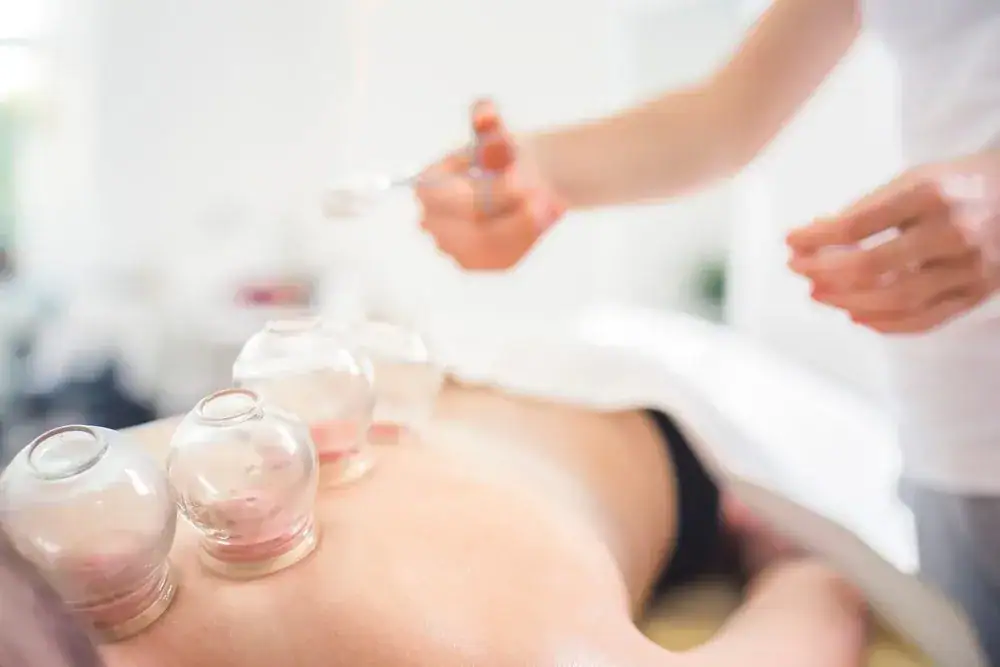
Dry cupping is safe when performed by a trained physical therapist. The most common side effect is temporary circular marks on your skin where the cups were placed. These marks aren’t bruises—they’re caused by increased blood flow to the area—and they typically fade within three to seven days.
Some people feel a mild pinch or pulling sensation during treatment, but it’s not painful. If you have sensitive skin or a low pain tolerance, let your therapist know so they can adjust the suction level. Serious side effects are rare and usually only happen if cupping is done incorrectly or on someone with certain medical conditions.
Before your first session, your therapist will ask about your health history to make sure cupping is appropriate for you. If you’re on blood thinners, have a skin condition, or are pregnant, cupping might not be recommended—or it might need to be modified.
It depends on what you’re treating and how your body responds. Some people feel significant relief after two or three sessions. Others need ongoing treatment over several weeks, especially if they’re dealing with chronic pain or long-term muscle tension.
Your physical therapist will assess your condition during the first visit and give you a realistic timeline. If you’re coming in for acute muscle soreness from a recent injury, you might only need a handful of sessions. If you’ve been living with chronic back pain for years, expect a longer treatment plan that includes cupping along with other therapies.
Most patients start with one or two sessions per week, then taper off as their symptoms improve. The goal isn’t to keep you coming back forever—it’s to get you to a point where your pain is manageable and you have the tools to maintain that progress on your own.
The main difference is training and intent. At a spa, cupping is often offered as a relaxation treatment by someone with minimal medical training. At a physical therapy clinic like ours, cupping is administered by licensed physical therapists who understand anatomy, musculoskeletal conditions, and how to integrate cupping into a clinical treatment plan.
When a physical therapist performs cupping, they’re targeting specific areas based on your pain patterns, range of motion limitations, and overall treatment goals. They know how much suction to use, how long to leave the cups in place, and when to combine cupping with other therapies like manual stretching or joint mobilization.
Spa cupping might feel good in the moment, but it’s not designed to address chronic pain or functional limitations. Clinical cupping is. If you’re dealing with a real musculoskeletal issue—not just looking for a relaxing experience—you want someone who knows what they’re doing from a medical standpoint.
Absolutely. In fact, that’s how cupping works best. At our clinic, we use cupping as one tool in a larger treatment plan that might also include manual therapy, therapeutic exercises, dry needling, or joint mobilization—depending on what your body needs.
For example, if you’re recovering from a shoulder injury, your therapist might use cupping to release tight muscles in your upper back, then follow up with stretching and strengthening exercises to improve your range of motion. The cupping helps prepare your muscles for more active treatment by increasing blood flow and reducing tension.
Combining therapies gives you better results than relying on any single technique. Cupping alone won’t fix a mobility issue, and exercises alone won’t always release deep muscle tension. But together, they address both the symptoms and the underlying dysfunction—which is how you get lasting relief instead of just temporary improvement.
It depends on your insurance plan. Because cupping is performed by licensed physical therapists as part of your physical therapy treatment, many insurance plans will cover it under your PT benefits. However, coverage varies by provider and plan type.
The best way to find out is to call your insurance company and ask if cupping therapy is covered when it’s part of a physical therapy session. You can also contact our office directly—we’ll verify your benefits and let you know what to expect in terms of out-of-pocket costs before you schedule.
Even if cupping isn’t fully covered, it’s often included in the overall cost of your physical therapy visit rather than billed separately. That means you’re not paying extra just for the cupping—it’s part of the comprehensive treatment you’re already receiving. We’ll walk you through the details so there are no surprises when it comes to billing.
Other Services we provide in Coram