
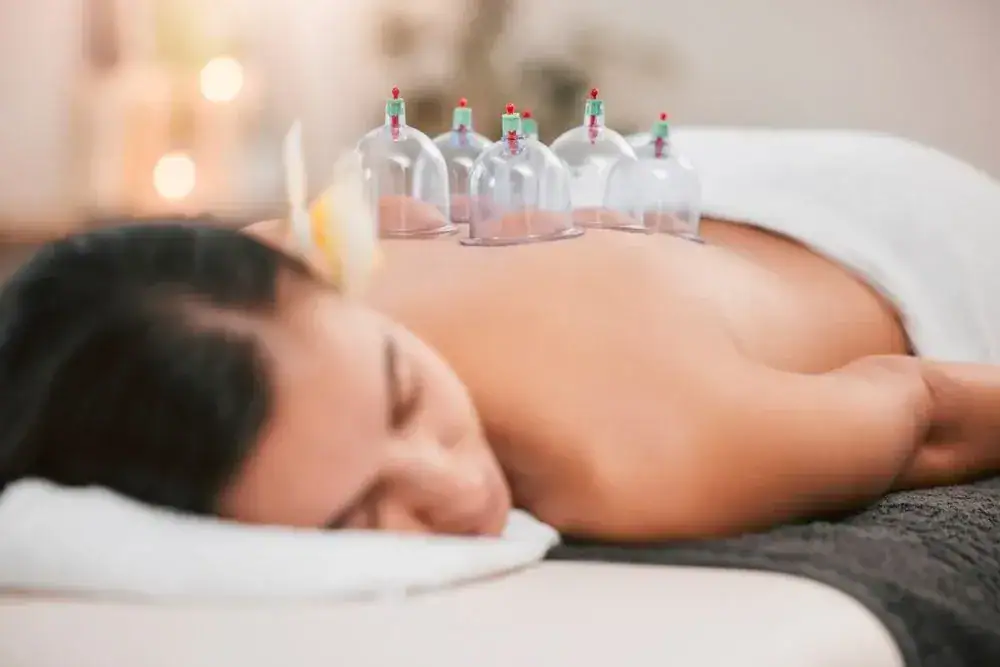
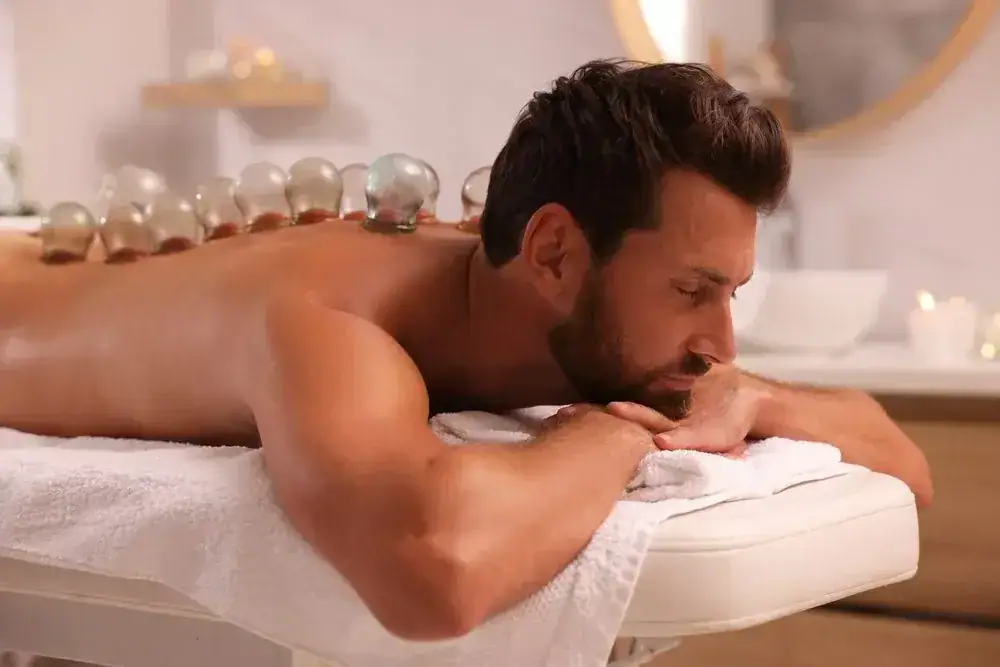
You’re dealing with chronic back pain, stiff knees, or neck tension that won’t quit. You’ve tried medications that either don’t work or come with side effects you’d rather avoid. Cupping therapy works differently—it increases blood flow to the affected area, which helps reduce inflammation and speeds up your body’s natural healing process.
Dry cupping creates suction that pulls blood to the surface, loosening tight fascia and releasing muscle knots. That means less pain when you move, better range of motion, and often immediate relief after a single session. For ongoing issues like osteoarthritis or chronic low back pain, regular cupping sessions help maintain that improvement.
You’re not masking symptoms. You’re addressing what’s causing the pain in the first place—restricted blood flow, built-up tension, and inflamed tissue. The result is mobility you thought you’d lost and the ability to stay active without constantly managing discomfort.
We’ve provided home-based physical therapy across Long Island for over a decade. Our licensed therapists bring cupping therapy, manual therapy, and rehabilitation services directly to Centre Island residents—many of whom are managing age-related pain, recovering from falls, or dealing with chronic conditions that make travel difficult.
Centre Island’s population skews older, with a median age around 58 and a significant senior community. That means our clients often need care that’s both effective and convenient. We accept Medicare, maintain proper licensing and verification, and treat every patient with the same attention we’d want for our own family.
You’re not a number here. You’re someone who deserves real answers, consistent care, and a therapist who shows up on time and knows what they’re doing.
Your first session starts with an assessment. We ask about your pain—where it is, how long you’ve had it, what makes it better or worse. Then we evaluate your mobility, muscle tension, and any areas of inflammation or restricted movement.
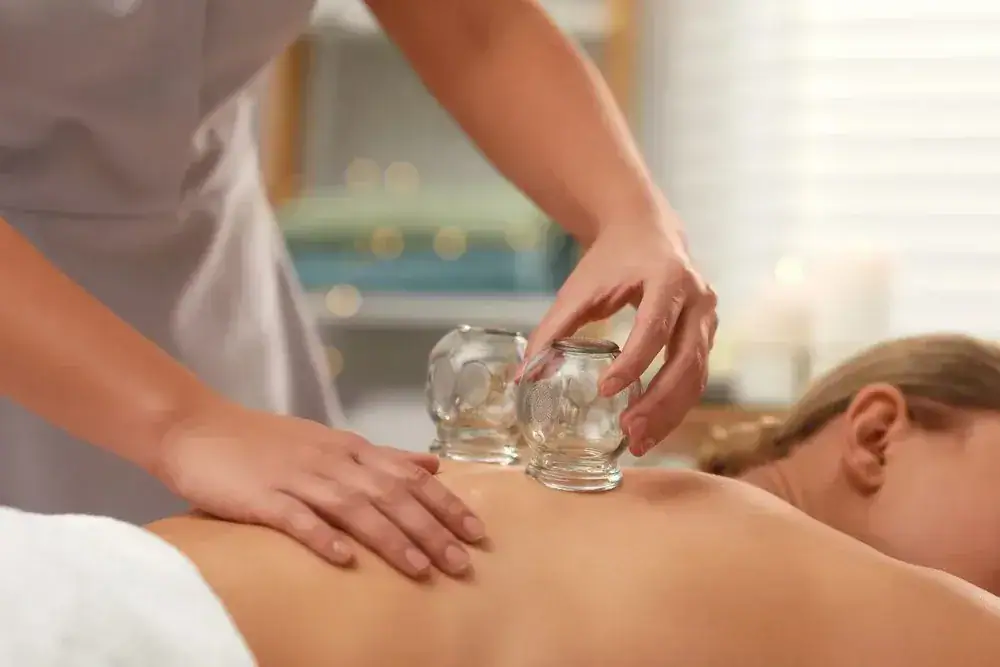
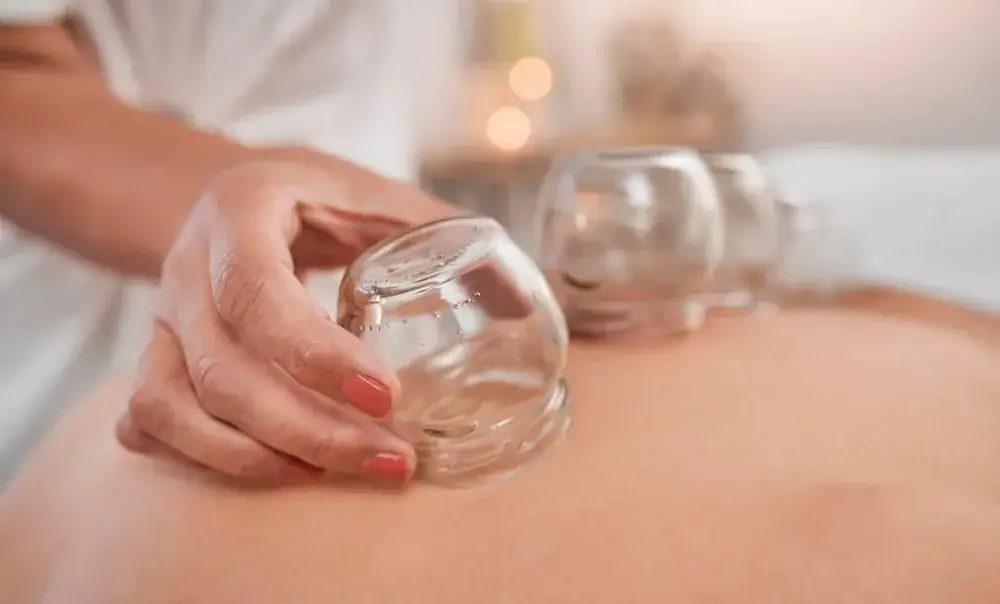
During the cupping session, we place cups on targeted areas using suction. You’ll feel a pulling sensation, but it shouldn’t hurt. The cups stay in place for several minutes while they draw blood to the surface and release tension in the underlying tissue. Some people see circular marks afterward—they’re not bruises, and they fade within a few days.
After we remove the cups, most people notice immediate relief. Muscles feel looser, pain decreases, and movement becomes easier. We’ll often combine cupping with other physical therapy techniques like stretching or manual therapy to maximize results. Then we’ll schedule follow-up sessions based on your condition and goals.
You stay home. We bring everything we need. And you get professional care without the hassle of driving to an office and sitting in a waiting room.
Ready to get started?
Centre Island is small, affluent, and home to a significant aging population. With only around 400 residents and a median age nearing 60, many people here are managing chronic pain, recovering from injuries, or dealing with conditions like arthritis that make travel uncomfortable. Suffolk County has one of the highest fall hospitalization rates for seniors on Long Island—over 281 per 10,000 adults aged 65 and older.
That’s where home-based cupping therapy becomes more than convenient—it becomes necessary. You don’t have to navigate traffic, find parking, or sit in a waiting room when you’re already in pain. We come to you with all the equipment needed for a full session.
We provide dry cupping for muscle relaxation and pain relief, often combined with physical therapy exercises that improve strength and prevent future injuries. Sessions are covered by Medicare, so you’re getting professional care without unexpected costs. And because we’ve been serving Long Island since 2010, we understand the specific needs of this community—especially for older adults who want to maintain independence without sacrificing quality of care.
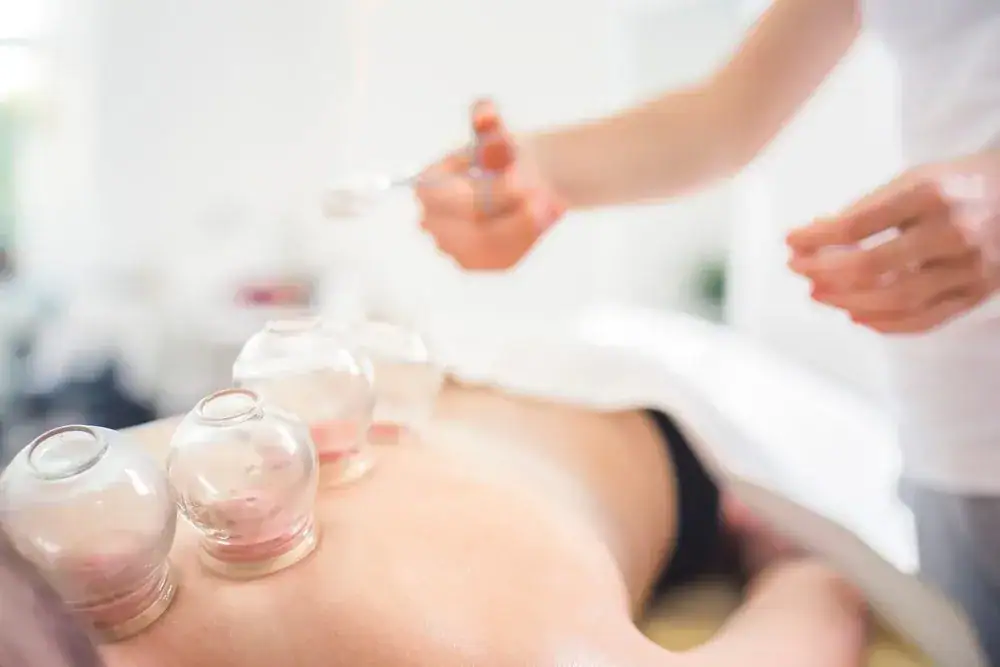
Cupping therapy has been shown in clinical research to reduce chronic pain, particularly for conditions like low back pain, neck pain, and knee osteoarthritis. It works by increasing blood circulation to the affected area, which helps decrease inflammation and promotes healing in the tissue.
A single session often provides immediate relief—you’ll notice less pain and better mobility right away. But for chronic conditions, you’ll get better results with regular sessions over time. That’s because cupping doesn’t just mask pain—it addresses underlying issues like restricted blood flow and muscle tension that contribute to ongoing discomfort.
Most of our Centre Island clients dealing with long-term pain see the biggest improvement after several weeks of consistent treatment. The effects build on each other, and many people find they need less frequent sessions once their pain is under control.
Cupping therapy is generally very safe, especially compared to pharmaceutical pain management options. The most common side effect is temporary circular marks where the cups were placed, which fade within a few days. Some people experience mild soreness afterward, similar to what you’d feel after a deep tissue massage.
That said, cupping isn’t appropriate for everyone. If you’re on blood thinners, have a bleeding disorder, or have fragile skin, we’ll either modify the technique or recommend a different approach. Our therapists assess your full medical history before starting treatment, and because we’re licensed physical therapists, we know how to adjust care based on your specific health conditions.
For older adults—which includes many of our Centre Island clients—cupping is often a better option than medications that come with side effects or risks. It’s non-invasive, doesn’t interact with other treatments, and provides real pain relief without adding another prescription to your routine.
A typical home cupping session lasts between 45 minutes and an hour. That includes time for assessment, the actual cupping treatment, and any additional physical therapy techniques we use to support your recovery.
The cups themselves usually stay in place for 5 to 15 minutes, depending on the area we’re treating and your specific condition. We don’t rush through it—the goal is to give your body enough time to respond to the increased circulation and allow the muscle tissue to release tension.
Because we come to your home, you don’t lose extra time commuting or waiting. You schedule the appointment, we show up on time, and you get a full session without leaving your house. For people in Centre Island managing chronic pain or mobility issues, that convenience makes a real difference in whether they stick with treatment long enough to see results.
Yes, Medicare covers cupping therapy when it’s provided as part of a physical therapy treatment plan by a licensed therapist. We’ve been Medicare-approved since 2010, and we handle all the billing and documentation for you.
Cupping is considered a manual therapy technique within physical therapy, which means it falls under Medicare Part B coverage for outpatient therapy services. You’ll have a copay based on your specific plan, but the sessions themselves are covered as long as they’re medically necessary and prescribed by your doctor.
We verify your coverage before starting treatment so there are no surprises. And because we’ve been doing this for over a decade across Long Island, we’re familiar with how Medicare processes these claims. You focus on getting better—we handle the paperwork.
Cupping therapy works particularly well for musculoskeletal pain—things like chronic low back pain, neck pain, shoulder tension, and knee osteoarthritis. It’s also effective for muscle soreness, sports injuries, and general stiffness that limits your range of motion.
The therapy increases blood flow and reduces inflammation, which makes it useful for any condition where poor circulation or muscle tension is contributing to pain. Many of our Centre Island clients use cupping to manage arthritis symptoms, recover from falls, or address chronic pain that hasn’t responded well to other treatments.
It’s less effective for conditions that aren’t related to muscles, fascia, or circulation—like nerve damage or bone fractures. During your initial assessment, we’ll let you know whether cupping is a good fit for your specific situation, or if another physical therapy approach would work better. Sometimes we combine cupping with other techniques to get the best results.
Dry cupping uses suction alone to pull blood to the surface and release muscle tension. The cups are placed on your skin, suction is created (either manually or with a pump), and they stay in place for several minutes. There’s no cutting, no bleeding, and no added substances—just suction.
Wet cupping, by contrast, involves making small incisions in the skin before applying the cups, which draws out a small amount of blood. It’s used in some traditional medicine practices, but it’s not what we do. Dry cupping is safer, less invasive, and just as effective for pain relief and muscle relaxation.
Some practitioners also use massage cupping, where the cups are moved across the skin while suction is applied. We use that technique occasionally, depending on what your body needs. But for most chronic pain conditions, stationary dry cupping gives you the best results with the least discomfort.
Other Services we provide in Centre Island