
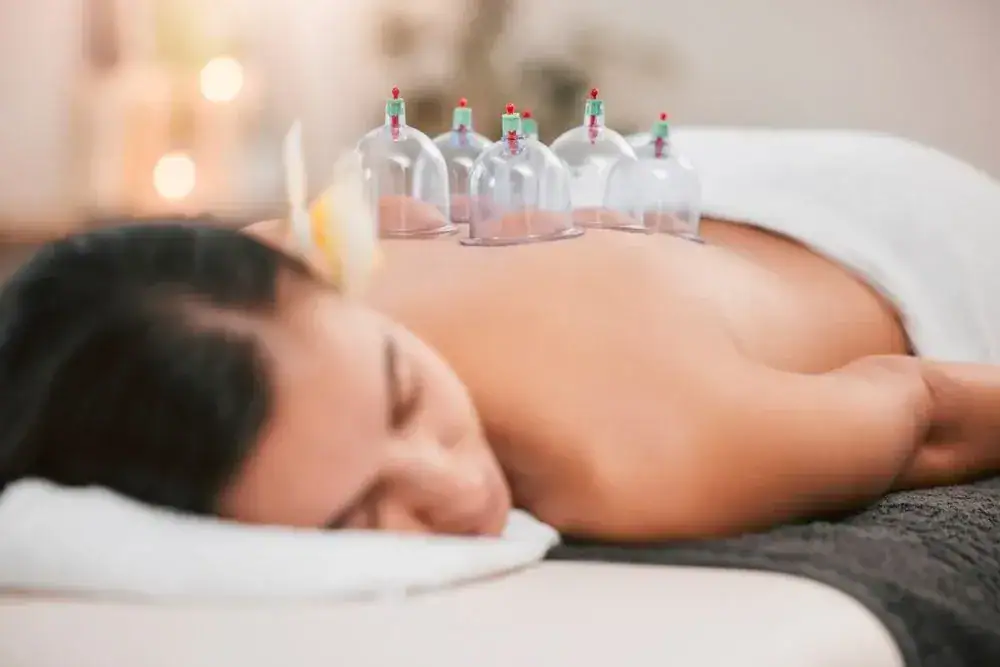

You’re not just looking for temporary relief. You want to move without wincing, sleep through the night, and get back to the activities that matter.
Cupping therapy works by creating suction on targeted areas to increase blood flow, release tight fascia, and reduce inflammation at the source. Clinical research shows it’s particularly effective for chronic low back pain, neck tension, sports injuries, and myofascial pain that hasn’t responded to other treatments.
Most people notice immediate reduction in pain after their first session. Over time, the improved circulation and tissue healing mean you’re not just managing symptoms—you’re actually addressing what’s causing them. That’s the difference between feeling better for a day and getting your function back for good.
We’ve been serving Long Island since 2010, bringing professional physical therapy directly to patients’ homes. We’re not a walk-in clinic where you’re one of twenty people cycling through. We come to you in Central Islip, and we take the time to understand what’s actually going on.
Our therapists use modern cupping techniques as part of a comprehensive treatment plan. That means we’re not just putting cups on your back and calling it done—we’re integrating this with manual therapy, movement training, and education so you understand what’s happening and why it’s working.
Central Islip has a strong healthcare community, with nearly one in five residents working in the field. You know what good care looks like, and you know when someone’s cutting corners. We don’t.
First, we assess where you’re experiencing pain and what’s limiting your movement. This isn’t a cookie-cutter approach—your treatment depends on whether you’re dealing with a sports injury, chronic back pain, post-surgical stiffness, or something else entirely.
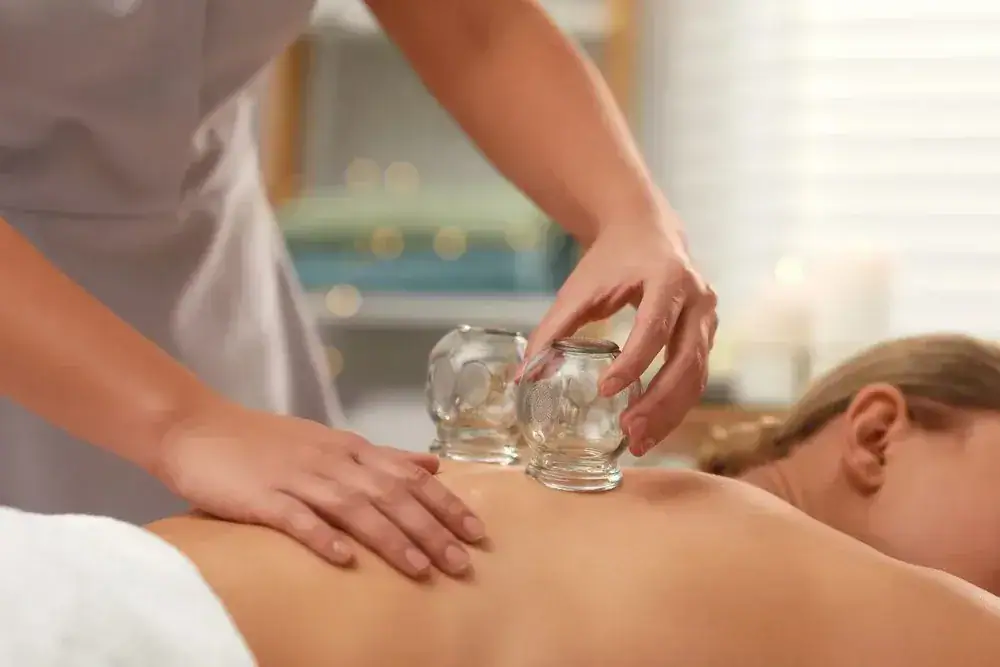
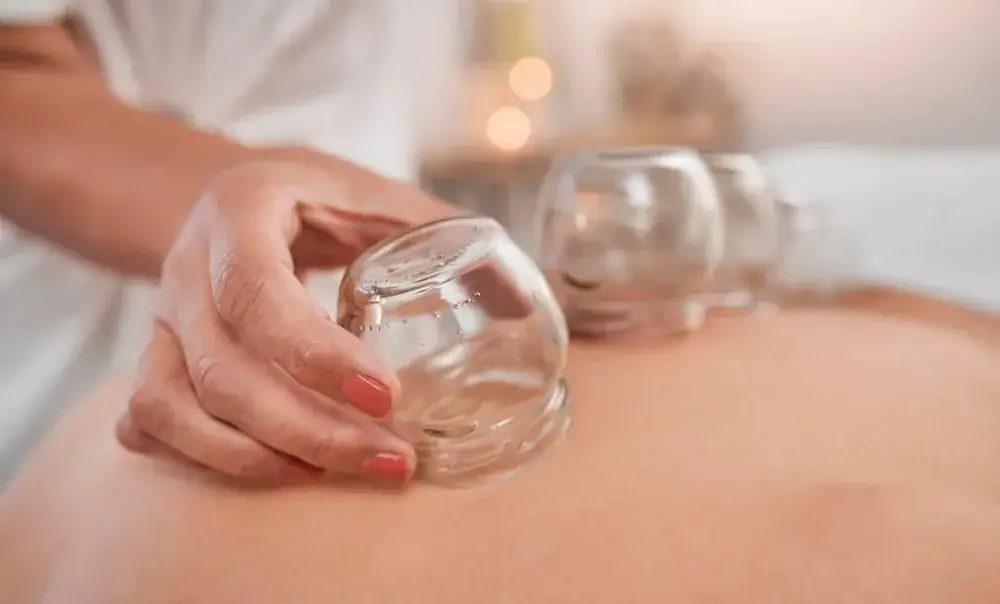
During the session, we place specialized cups on targeted areas of your body. The suction lifts the tissue, which increases blood flow and creates space between layers of fascia that may be stuck together. Some therapists use stationary cups; others glide them across the muscle to release broader areas. Sessions typically last 5-10 minutes per area.
You might see circular marks afterward—that’s normal and they fade within a week. What you’ll also notice is how much easier it is to move that area. Many patients report immediate pain reduction, though the full benefits build over multiple sessions as circulation improves and tissue heals.
We combine cupping with other physical therapy techniques based on what your body needs. The goal isn’t just relief—it’s getting you back to full function.
Ready to get started?
This treatment works particularly well for chronic low back pain, which affects a significant portion of Central Islip residents. If you’ve tried medications, injections, or standard physical therapy without lasting results, cupping offers a different approach that targets tissue restriction and circulation.
Athletes dealing with iliotibial band syndrome, rotator cuff issues, or muscle strains often see fast results. We’ve had runners return to training after just two sessions when they’d been sidelined for months. It’s also effective for neck pain, especially if you work a desk job and deal with constant tension.
People with conditions like knee osteoarthritis, ankylosing spondylitis, or myofascial pain syndrome benefit from the anti-inflammatory effects and improved mobility. Because the treatment has minimal side effects and works well alongside other therapies, it’s a low-risk option even if you’re managing multiple health issues.
The key is proper technique and integration with a full treatment plan. That’s where working with licensed physical therapists makes the difference between a spa treatment and actual therapeutic intervention.
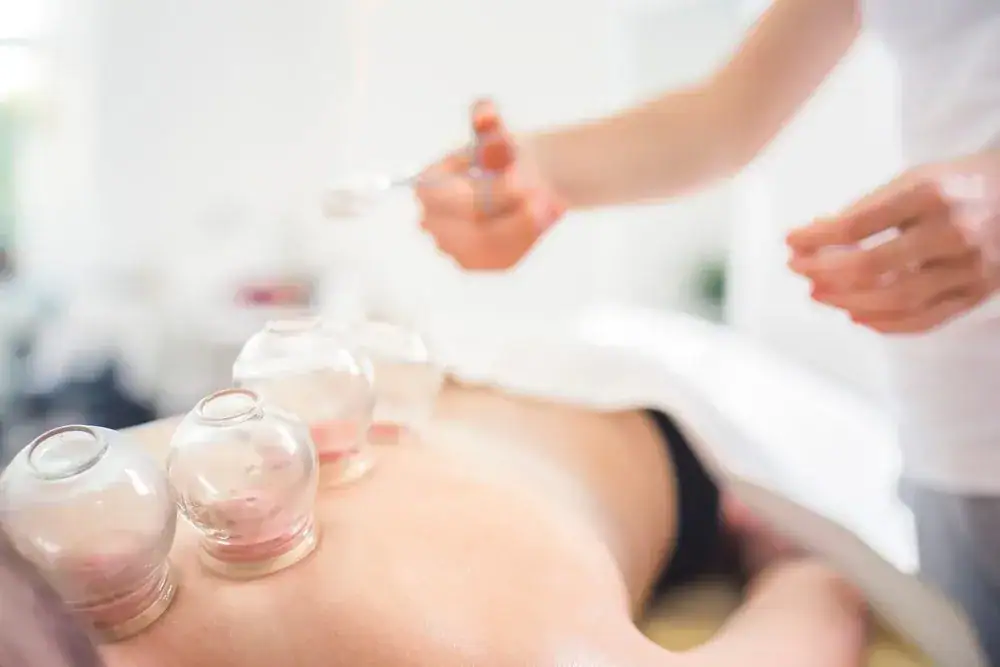
Clinical studies show cupping is more effective than sham therapy for reducing pain and improving function in people with persistent low back pain. A single session can provide immediate relief, but the real value comes from multiple treatments that address the underlying tissue dysfunction.
The suction increases hydration and blood flow to areas that aren’t getting enough circulation. This helps break up adhesions, reduce inflammation, and speed tissue healing. You’re not just masking pain—you’re changing the environment that’s causing it.
Most patients notice results within 1-3 sessions, with continued improvement over 4-6 weeks. How long relief lasts depends on what’s causing your pain and whether you’re addressing other factors like movement patterns, strength deficits, or lifestyle habits. That’s why we integrate cupping into a broader physical therapy plan rather than treating it as a standalone fix.
Physical therapists are trained to assess movement dysfunction, identify which tissues are restricted, and determine the appropriate treatment intensity and placement. We’re not just following a relaxation protocol—we’re targeting specific problems based on your evaluation.
We also combine cupping with other manual therapy techniques, corrective exercises, and patient education. If your shoulder pain is partly caused by poor posture or weak stabilizers, cupping alone won’t fix it. But as part of a comprehensive plan, it can significantly speed your recovery.
The other difference is documentation and progression. We track your response to treatment, adjust our approach based on what’s working, and communicate with your physician if needed. You’re getting medical-grade intervention, not a wellness service.
The marks aren’t actually bruises—they’re caused by increased blood flow to the area. They typically range from light pink to dark purple depending on how much stagnation or restriction was present in that tissue. Areas with more dysfunction tend to mark more visibly.
The marks usually fade within 3-10 days and become lighter with subsequent treatments as circulation improves. They don’t hurt, though the area might feel tender similar to post-workout soreness.
If you’re concerned about visible marks for an upcoming event, let us know. We can adjust the intensity or focus on areas that won’t be visible. But most patients view the marks as confirmation that something’s actually happening—especially when they correlate with significant pain relief.
Most people notice immediate pain reduction after the first session, but sustainable improvement typically requires 4-8 sessions over several weeks. Acute injuries respond faster than chronic conditions that have been developing for months or years.
If you’re dealing with a sports injury or recent flare-up, you might see significant improvement in 2-3 weeks. Chronic conditions like long-standing back pain or neck tension usually need a longer treatment course to address the accumulated tissue restriction and movement compensation patterns.
We reassess every 2-3 sessions to make sure you’re progressing. If you’re not seeing measurable improvement in pain levels or function, we adjust the treatment plan. The goal is always to get you better as efficiently as possible, not to keep you coming indefinitely.
Research supports cupping for knee osteoarthritis, sports injuries, myofascial pain syndrome, and even some inflammatory conditions. We’ve successfully treated shoulder impingement, tennis elbow, plantar fasciitis, and post-surgical scar tissue restriction.
The therapy works by improving local circulation and releasing fascial adhesions, so it’s effective anywhere you have tissue restriction or inflammation. Some patients also report improvement in headaches when we treat neck and upper back tension that’s contributing to the problem.
That said, cupping isn’t appropriate for every condition. We don’t use it over open wounds, active infections, or certain skin conditions. During your evaluation, we’ll determine if it’s a good fit for your specific situation and explain why we’re recommending it or suggesting a different approach.
When cupping is performed by a licensed physical therapist as part of your treatment plan, it’s typically billed under your physical therapy benefits. We don’t charge separately for cupping—it’s one of several manual therapy techniques we use during your session.
Your coverage depends on your specific insurance plan and whether you’ve met your deductible. We verify benefits before starting treatment and can give you a clear picture of your expected costs. Most plans cover home-based physical therapy, which is what we provide throughout Central Islip.
If you have questions about your coverage or need help understanding your benefits, our team handles insurance verification and can walk you through what to expect. We want you focused on getting better, not worried about surprise bills.
Other Services we provide in Central Islip