
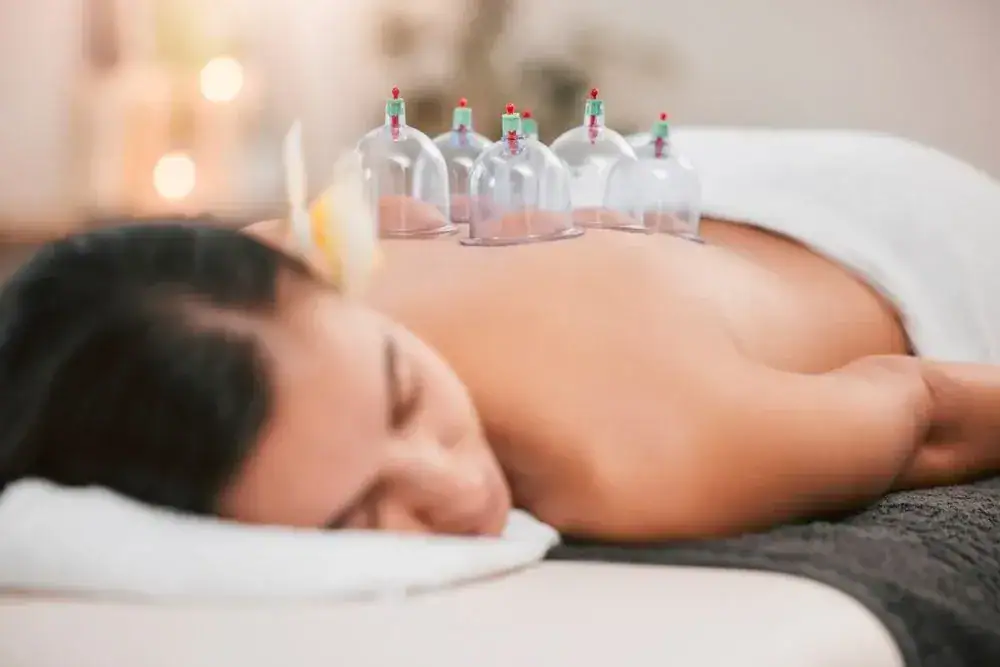

You’ve tried stretching. You’ve tried rest. The tightness keeps coming back.
Cupping therapy works differently. It creates suction that lifts tissue away from underlying structures, increasing blood flow to areas that have been starved of circulation. That means less inflammation, faster recovery, and muscles that actually relax instead of staying locked up.
Most people notice improved range of motion after just a few sessions. You’re not just masking pain—you’re addressing what’s causing it. The fascia loosens. Scar tissue becomes more mobile. Movement feels less restricted.
This isn’t a miracle cure, but it’s effective when done right. And when combined with physical therapy, it gives your body the tools it needs to heal properly instead of just compensating around the problem.
We’ve been treating patients across Long Island since 2010. Our therapists are licensed, trained in modern cupping techniques, and experienced in integrating cupping with comprehensive physical therapy programs.
We’re not a spa. We’re a clinical practice. That means every treatment is based on your specific condition, your movement patterns, and your recovery goals.
For Captree residents dealing with chronic pain or limited mobility, we offer both in-clinic and home-based therapy. That matters when getting to appointments feels like another obstacle. We accept Medicare and most commercial insurance, so cost doesn’t have to be the reason you stay stuck.
First, we assess your condition. Not every pain responds the same way, so we identify where you’re restricted, where you’re compensating, and what’s actually causing the problem.
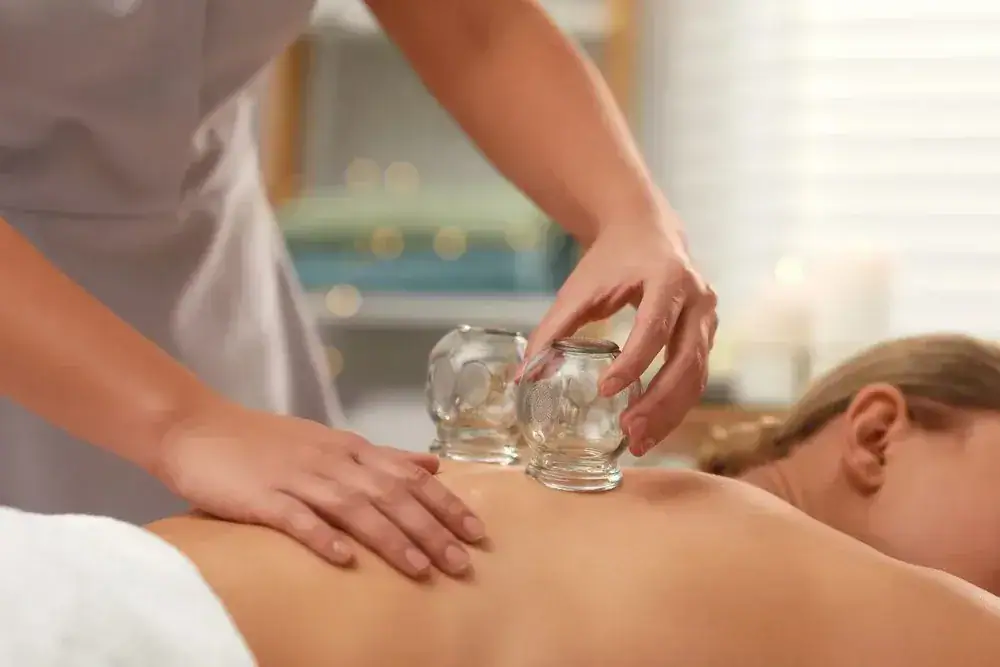
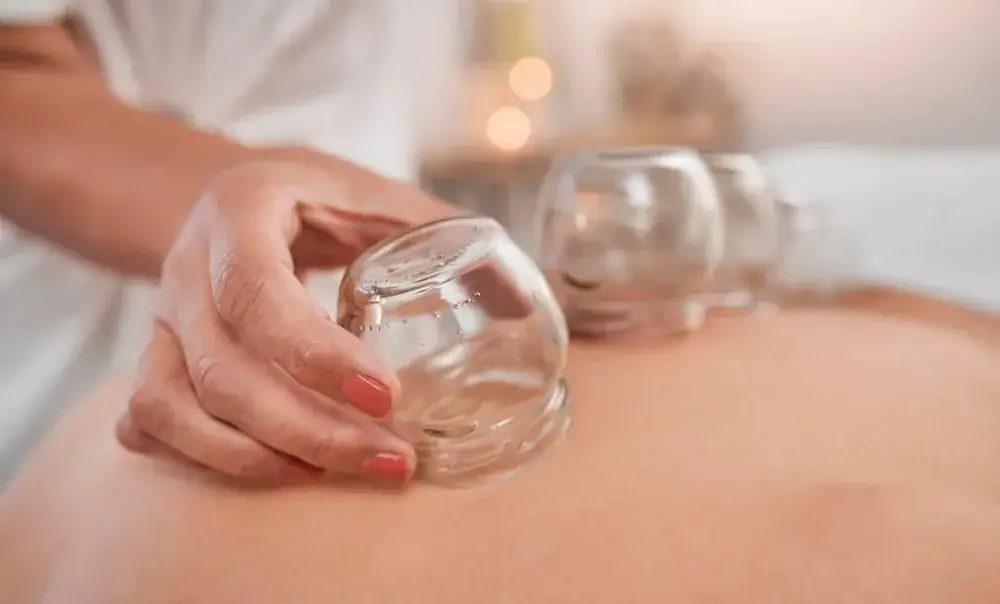
During treatment, we place cups on targeted areas to create suction. This lifts the skin and fascia, drawing blood to the surface and encouraging muscle fibers to release. You’ll feel pressure, not pain. Most people find it surprisingly relaxing.
Sessions typically last 15-30 minutes as part of a broader physical therapy plan. Yes, you might see circular marks afterward—that’s increased blood flow doing its job. They fade within a few days.
Between sessions, we give you specific exercises and movement strategies. Cupping helps unlock tension, but lasting relief comes from retraining how you move. That’s why we don’t just treat symptoms—we build a plan that keeps you functional long-term.
Ready to get started?
Every treatment plan includes a full evaluation of your movement patterns, pain triggers, and functional limitations. We don’t just apply cups and send you home.
You’ll receive hands-on manual therapy, targeted exercises, and education on how to prevent re-injury. For athletes or active individuals in Captree, that might mean sport-specific recovery protocols. For others dealing with chronic back or neck pain, it’s about restoring daily function without constant discomfort.
Long Island residents face unique challenges—long commutes, physically demanding jobs, limited time for self-care. We build treatment around your schedule and your real-world needs. If getting to our clinic is difficult, we bring therapy to your home.
Cupping works best when it’s part of a complete approach. That’s why we integrate it with physical therapy techniques proven to improve strength, mobility, and long-term outcomes. You’re not just getting temporary relief—you’re getting a roadmap to stay out of pain.
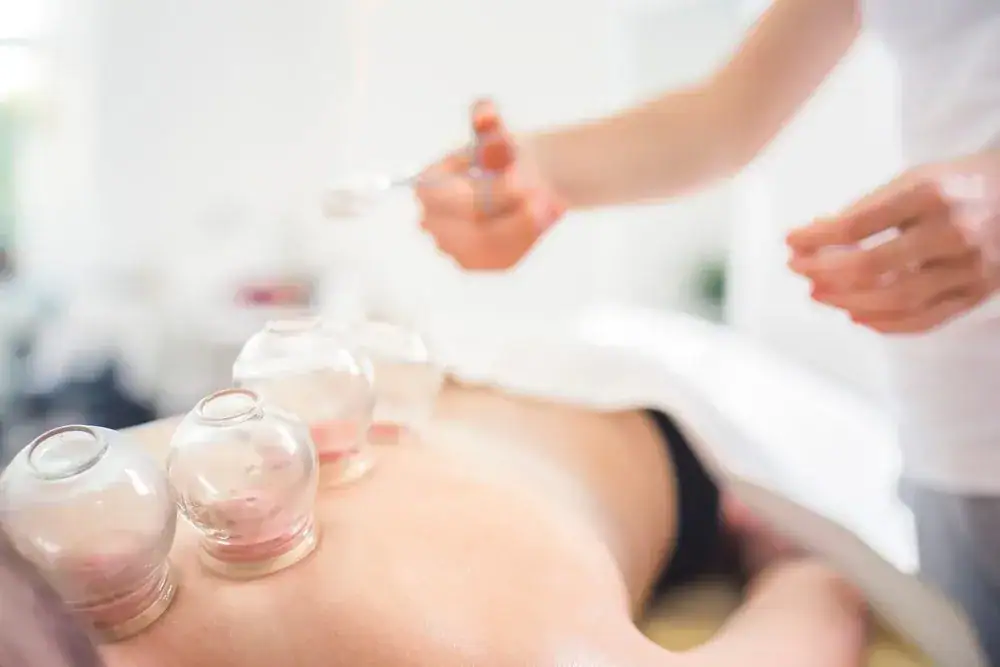
It works, but not because of mystical energy flow. The mechanism is straightforward: suction increases blood circulation to targeted areas, which reduces inflammation and helps tight muscles release.
Research shows cupping significantly improves range of motion and reduces pain in conditions like chronic low back pain, neck tension, and shoulder restrictions. It’s particularly effective when combined with physical therapy because you’re not just loosening tissue—you’re retraining movement patterns that caused the problem in the first place.
That said, it’s not a standalone solution. If you’re dealing with chronic pain, cupping is one tool in a larger treatment strategy. It helps unlock restrictions so other therapies can work better. Think of it as creating the conditions for healing, not doing all the healing by itself.
The marks are from increased blood flow to the surface of your skin, not bruising. When suction lifts tissue, it draws blood into areas that may have had poor circulation. The darker the mark, the more stagnant the area was.
They typically fade within three to seven days. Some people barely mark at all, others mark heavily—it depends on your circulation, tissue health, and how much tension you’re holding.
The marks aren’t harmful and they don’t hurt. Most people forget about them after the first session. If you’re concerned about appearance for an event, let your therapist know and they can adjust cup placement or intensity.
Yes, when cupping is integrated into a physical therapy treatment plan. We accept Medicare and nearly all commercial insurance plans, and cupping is billed as part of your PT session—not as a separate alternative medicine service.
That’s the advantage of receiving cupping from licensed physical therapists instead of standalone practitioners. You’re getting evidence-based treatment that insurance recognizes as legitimate medical care.
Coverage specifics depend on your plan, deductible, and whether you need a referral. We verify benefits before you start treatment so there are no surprises. If you have questions about your particular policy, call us and we’ll walk through it with you.
Most people notice improvement within two to four sessions, but that depends entirely on what we’re treating. Acute muscle tension might respond quickly. Chronic conditions that have been building for years take longer.
We don’t drag out treatment to maximize visits. If cupping isn’t producing measurable progress within a reasonable timeframe, we adjust the approach. That might mean changing techniques, addressing different areas, or focusing more on strengthening and movement retraining.
Your treatment plan is based on objective markers—range of motion, pain levels during specific movements, functional improvements in daily activities. We track progress and adjust as needed. Some patients need ongoing maintenance sessions, others graduate after a few weeks. It’s individual.
You can buy cups online, but that doesn’t mean you should use them without guidance. Cupping done wrong won’t help and could irritate tissue or waste your time on areas that aren’t actually causing your problem.
The skill isn’t in placing cups—it’s in knowing where to place them, how much suction to use, how long to leave them, and what other treatments to combine them with. A licensed physical therapist understands anatomy, compensation patterns, and how to address root causes instead of just chasing symptoms.
If you’re dealing with serious pain or limited mobility, professional treatment gives you a real assessment and a real plan. Once you understand what’s happening and how to address it, your therapist can teach you self-care strategies that actually make sense for your condition.
Spa cupping is typically relaxation-focused. Physical therapy cupping is clinical and goal-oriented. We’re treating specific musculoskeletal conditions with measurable outcomes.
Our therapists assess your movement dysfunction, identify restrictions, and use cupping as part of a comprehensive treatment plan that includes manual therapy, therapeutic exercise, and patient education. You’re not just getting cups placed randomly—you’re getting targeted intervention based on your diagnosis.
The other major difference is integration with other therapies. We combine cupping with techniques that improve strength, stability, and movement quality. That’s how you get lasting results instead of temporary relief. Spas offer an experience. We offer rehabilitation.
Other Services we provide in Captree