
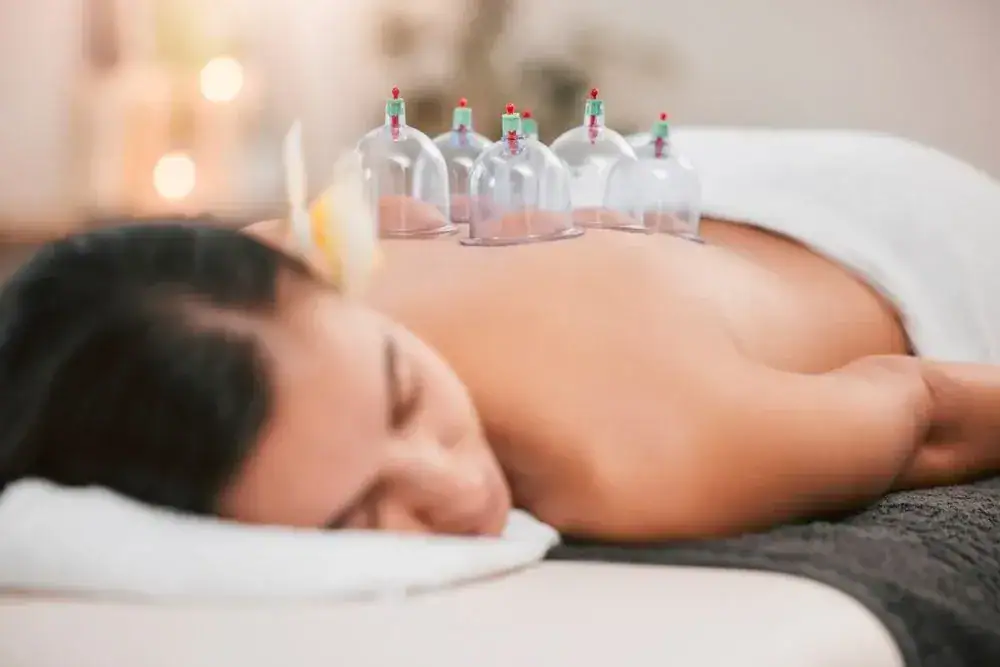

You’ve tried heat. You’ve tried ice. You’ve stretched, rested, and maybe even changed how you move through your day. But the tightness in your neck hasn’t let up, your lower back still flares after sitting too long, and that nagging shoulder pain is limiting what you can do at work or with your family.
Cupping therapy works differently. It creates suction that pulls fresh blood to the area, releases built-up tension in the fascia, and helps your muscles actually relax instead of just masking the discomfort. You’re not numbing the problem or hoping it goes away on its own.
Most people feel some relief during the first session. That knot in your shoulder might finally loosen. Your range of motion improves enough that reaching overhead doesn’t hurt anymore. The chronic tightness that’s been there for months starts to break up because the tissue is getting what it needs: circulation, movement, and targeted decompression.
This isn’t about temporary fixes. When cupping is part of a broader physical therapy plan, you’re addressing the root cause while building strength and mobility that lasts. You get back to moving the way you’re supposed to.
We’ve been serving Long Island communities for over a decade, and we understand what brings people through the door. You’re dealing with pain that’s affecting your work, your sleep, or your ability to enjoy time with family. You’ve probably tried a few things already, and you’re looking for someone who actually knows what they’re doing.
We integrate cupping therapy into comprehensive physical therapy treatment plans. That means you’re not just getting cupping as a standalone service – you’re getting it as part of a clinical approach that includes movement work, strength training, and hands-on therapy. We accept Medicare and most commercial insurance plans, and we’ll walk you through what’s covered before you start.
Bellmore has a strong community of active adults, families, and professionals who value quality care. We’ve built our reputation here by being responsive, transparent, and focused on getting you real results. You’re not a number, and your treatment plan reflects that.
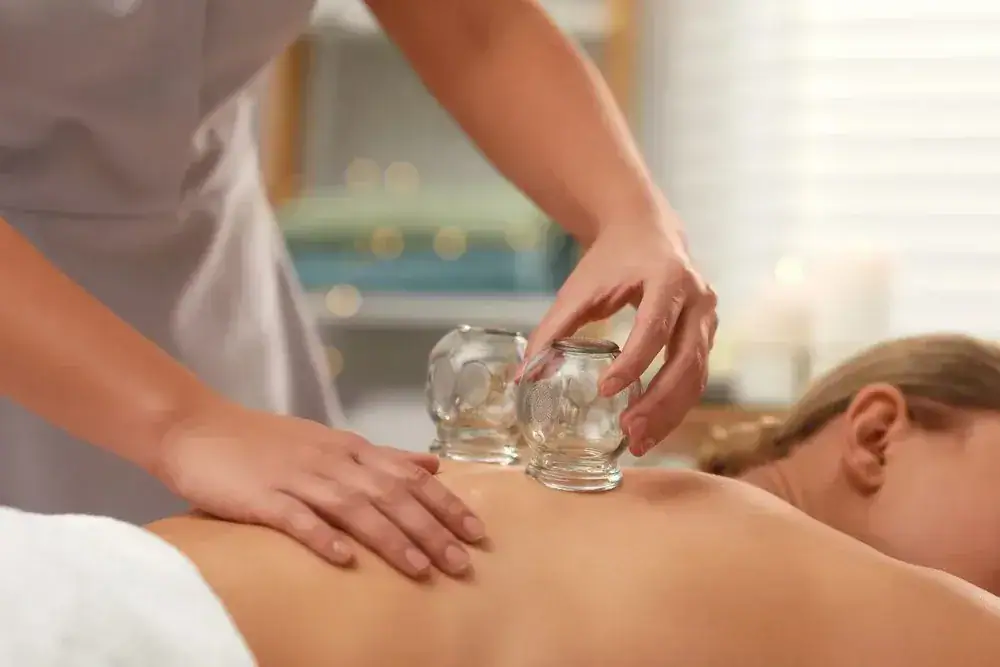
Your first visit starts with an evaluation. We need to understand what’s causing your pain, how long it’s been going on, and what you’ve already tried. This isn’t a quick chat – we’re looking at your movement patterns, testing your range of motion, and figuring out where the dysfunction is actually coming from.
Once we know what we’re dealing with, we’ll talk through whether cupping makes sense for your situation. If it does, we’ll explain how it fits into your overall treatment plan. Dry cupping uses specialized cups placed on your skin to create suction. The cups stay in place for a few minutes, or we move them across the muscle in specific patterns depending on what we’re treating.
You might see some circular marks afterward. That’s normal – it’s not bruising, it’s increased blood flow to the surface. Most people say the sensation is more relieving than uncomfortable, especially if you’ve been dealing with chronic tightness. The treatment itself usually takes 10 to 15 minutes, and it’s often combined with other hands-on techniques or exercises during the same session.
After your first few sessions, we’ll reassess. You should notice changes – less pain, better movement, or improved function in daily activities. If something’s not working, we adjust. The goal is measurable progress, not just temporary relief.
Ready to get started?
Cupping therapy at our clinic isn’t a standalone spa treatment. It’s a clinical modality we use as licensed physical therapists to treat musculoskeletal pain, improve circulation, and support tissue recovery. We use it for chronic back pain, neck stiffness, shoulder impingement, knee pain, and muscle tightness that limits your mobility.
In Bellmore, we see a lot of desk workers dealing with upper back and neck tension from long hours at the computer. We also treat active adults managing arthritis pain, runners with IT band issues, and people recovering from injuries who need help getting their strength back. Cupping helps break up adhesions, reduce inflammation, and improve blood flow to areas that aren’t healing on their own.
Your treatment plan will likely include more than just cupping. We combine it with manual therapy, therapeutic exercise, and movement training so you’re not just feeling better temporarily – you’re building the strength and mobility to prevent the problem from coming back. We’ll also give you exercises to do at home, because what you do between sessions matters just as much as what happens in the clinic.
You’ll know what’s covered by your insurance before we start, and if you have questions about cost or treatment duration, we’ll answer them upfront. Most people see improvement within a few sessions, but the timeline depends on how long you’ve been dealing with the issue and how your body responds.
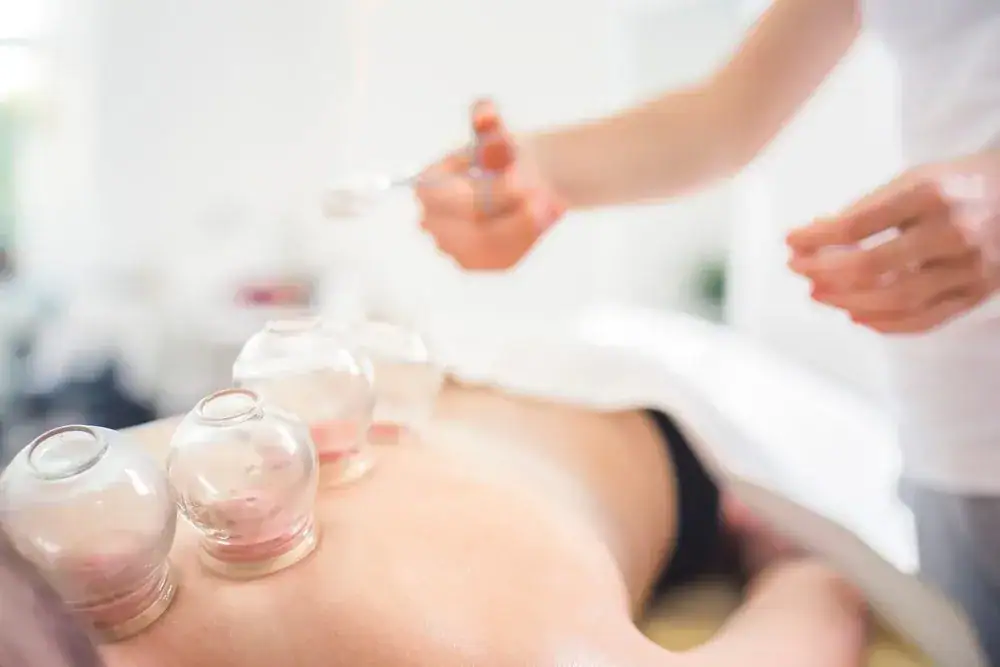
Cupping has solid research backing it, especially for chronic musculoskeletal pain. Multiple systematic reviews show it significantly reduces pain and improves function for conditions like low back pain, neck pain, and knee osteoarthritis. The evidence is moderate to high quality, and the effects tend to last longer than medication or standard care alone.
That said, it’s not magic. Cupping works best when it’s part of a bigger treatment plan that includes movement, strengthening, and addressing whatever caused the pain in the first place. If you’ve been dealing with chronic tightness or pain that hasn’t responded to other treatments, cupping can help break the cycle by improving circulation and releasing fascial restrictions.
The reason it gained attention after the 2016 Olympics is because high-level athletes use it for recovery. But you don’t have to be an Olympic swimmer to benefit – it’s effective for everyday pain that’s limiting your quality of life. We use it clinically because it gets results, not because it’s trendy.
Yes, cupping usually leaves circular marks that look like bruises, but they’re not actually bruises. The suction pulls blood to the surface of the skin, which causes temporary discoloration. The marks are painless and typically fade within a few days to a week, depending on how much suction was used and how your body responds.
If you have an event coming up where you’ll be wearing something that shows your back or shoulders, let us know ahead of time. We can adjust the treatment or plan around it. The marks are more visible on people with lighter skin, but everyone gets them to some degree.
Some people see the marks as proof the treatment is working – darker marks often appear in areas with more tension or restricted blood flow. But the presence or darkness of marks doesn’t directly correlate to treatment effectiveness. What matters is whether your pain improves and your movement gets better, which we’ll track throughout your sessions.
In most cases, yes. When we perform cupping as licensed physical therapists and it’s part of your treatment plan, it’s typically covered under your physical therapy benefits. We accept Medicare and nearly all commercial insurance plans, and cupping is billed as part of your overall PT session – not as a separate add-on service.
Before you start treatment, we’ll verify your benefits and let you know what your copay or out-of-pocket cost will be. Every insurance plan is different, so we make sure you understand your coverage upfront. If you have a high deductible or limited PT visits, we’ll work with you to prioritize the treatments that will give you the most benefit.
The key difference between cupping at a physical therapy clinic versus a spa or massage center is that we’re providing it as a medical treatment with clinical oversight. That’s what makes it eligible for insurance coverage. You’re not paying out of pocket for a wellness service – you’re getting evidence-based care that’s part of your rehabilitation plan.
Massage uses compression – pushing down into the muscle to release tension. Cupping does the opposite. It uses suction to lift the tissue away from the body, which creates space between the layers of fascia and muscle. That decompression helps release adhesions, improve blood flow, and reduce restrictions that compression alone can’t always reach.
A lot of people find cupping more effective for deep, stubborn knots or areas where the fascia feels stuck. If you’ve had massages that only provide temporary relief, cupping might address the issue from a different angle. We also use different cupping techniques depending on what we’re treating – longitudinal strokes along the muscle, cross-fiber work for scar tissue, or stationary cups for localized tightness.
Cupping isn’t better or worse than massage – it’s just a different tool. In many cases, we’ll combine both approaches in the same session, along with joint mobilization, stretching, and corrective exercises. The goal is to use whatever techniques will get you the best results, not to rely on just one modality.
Cupping works well for chronic pain conditions where muscle tightness, poor circulation, or fascial restrictions are part of the problem. We see strong results with low back pain, neck and shoulder tension, IT band syndrome, knee pain from osteoarthritis, and upper back stiffness from prolonged sitting or poor posture.
It’s also effective for people recovering from injuries who have scar tissue or limited mobility in a specific area. Athletes use it to speed recovery after intense training, but you don’t need to be an athlete to benefit. If you’ve been dealing with pain for months or years and traditional treatments haven’t fully resolved it, cupping can help break up the dysfunction that’s keeping you stuck.
That said, cupping isn’t appropriate for everyone. If you have certain skin conditions, take blood thinners, or have active inflammation from an acute injury, we’ll use other techniques instead. During your evaluation, we’ll determine whether cupping makes sense for your specific situation and explain why we’re recommending it – or why we’re choosing a different approach.
Most people feel some improvement after the first or second session, especially if the pain is related to muscle tightness or restricted movement. You might notice the area feels looser, your range of motion improves, or the constant ache you’ve been dealing with decreases. That initial relief tells us the treatment is working and your body is responding.
How many total sessions you’ll need depends on how long you’ve had the problem and what’s causing it. Acute issues – like a recent flare-up of back pain – might resolve in a few weeks. Chronic conditions that have been building for months or years usually take longer because we’re not just treating symptoms, we’re retraining movement patterns and rebuilding tissue health.
We’ll reassess your progress every few visits and adjust your treatment plan based on how you’re responding. If you’re not seeing the improvements we expect, we’ll change the approach. The goal is steady, measurable progress – not dragging out treatment longer than necessary. Most people complete their plan within 6 to 12 sessions, but we’ll give you a clearer timeline after your initial evaluation.
Other Services we provide in Bellmore