
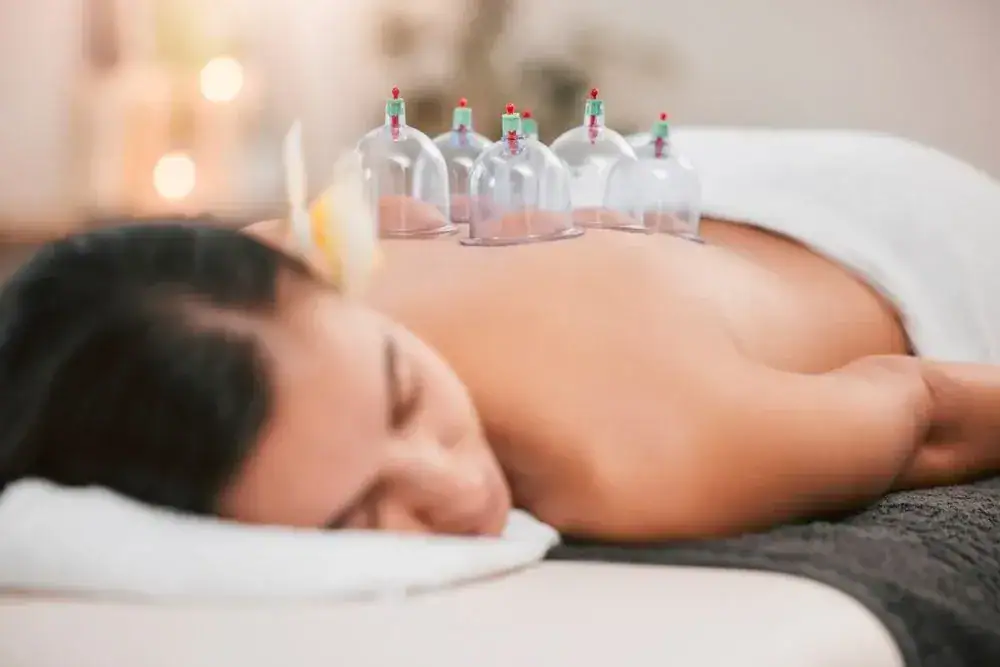

You’ve tried stretching. You’ve tried heat packs. You’ve probably tried ignoring it and hoping the pain would just go away on its own. But that tightness in your back, that constant ache in your neck, that stiffness that makes getting out of bed feel like a project – it’s still there.
Cupping therapy works differently than what you’re used to. The suction pulls blood to the surface, encouraging tight muscle fibers to loosen and release trapped tension. You’re not masking the problem or managing symptoms – you’re addressing what’s causing the discomfort in the first place.
Most people notice improved range of motion within the first few sessions. That means less pain when you turn your head to check your blind spot, less stiffness when you reach for something on a high shelf, less of that nagging ache that’s been your constant companion for months or years. The increased circulation helps your body repair itself faster, building new tissue and reducing inflammation without medication.
This isn’t about temporary relief that wears off by dinner time. It’s about giving your body what it needs to actually heal.
We’ve been treating Long Island residents in their homes since 2010. We work with people who can’t easily get to a clinic, don’t want to sit in a waiting room, or simply prefer the comfort of their own space.
Our therapists are licensed, insured, and trained in both traditional physical therapy and complementary treatments like dry cupping. We accept Medicare and most commercial insurance, which means you’re not choosing between effective care and affordable care.
Baywood residents know how hard it can be to find specialized therapy options without driving to Islip or Bay Shore. We bring the treatment to you, whether that’s your home, your schedule, or your specific needs. No generic treatment plans, no rushing through appointments because the next patient is waiting.
Your first session starts with a conversation, not a treatment. We need to understand what’s causing your pain, how long you’ve been dealing with it, and what you’ve already tried. That tells us whether cupping therapy makes sense for your situation or if a different approach would work better.
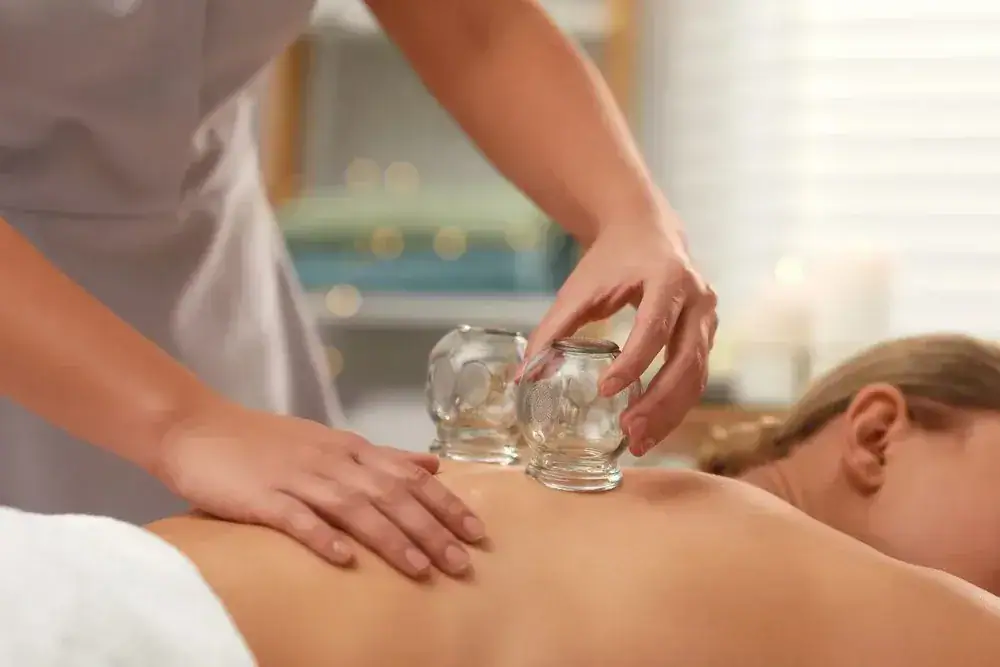
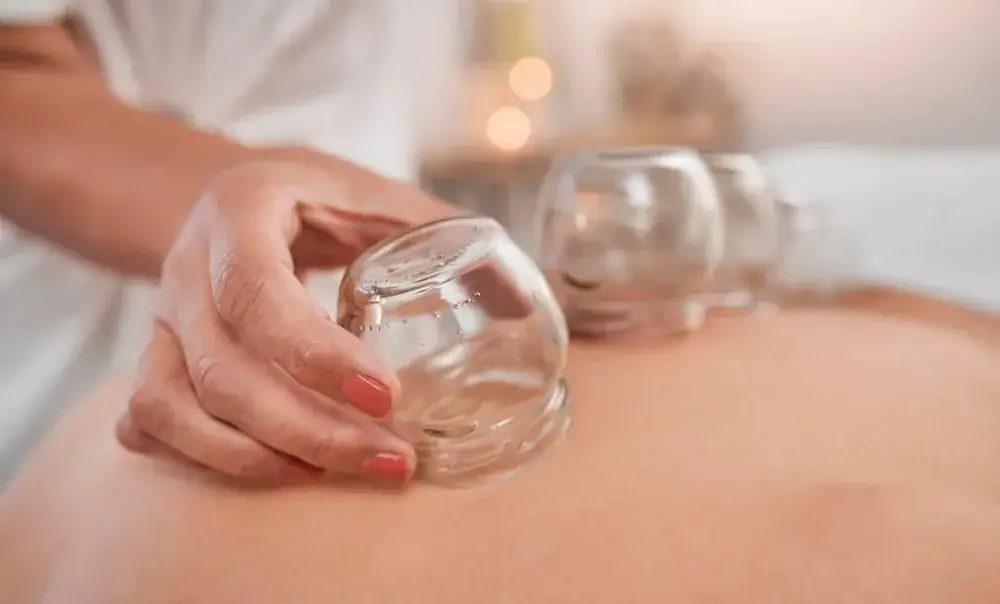
During the actual treatment, we place specialized cups on the affected areas. The suction created by these cups draws blood to the surface and encourages your muscles to release tension they’ve been holding. Some people feel immediate relief. Others notice the difference over the next day or two as inflammation decreases and mobility improves.
You might see circular marks where the cups were placed. That’s normal and not painful – it’s just evidence of increased blood flow to that area. The marks typically fade within a few days to a week.
Most treatment plans involve multiple sessions because we’re retraining your muscles and addressing chronic issues, not just providing temporary relief. How many sessions you need depends on your specific condition, how long you’ve had it, and how your body responds to treatment. We’ll be honest about what’s realistic.
Ready to get started?
Cupping therapy works best when it’s part of a broader approach to pain management. That’s why we often combine it with traditional physical therapy techniques – stretching, strengthening exercises, and movement training that addresses the root cause of your pain.
Here’s what makes home-based treatment different in Baywood and the surrounding South Shore communities: you’re not losing an hour of your day to drive to Islip, find parking, and sit in a waiting room. Your therapist comes to you, which matters when you’re dealing with mobility issues or chronic pain that makes driving uncomfortable.
The treatment itself is low-risk when performed by licensed professionals. We use medical-grade equipment and follow proper protocols for placement, duration, and aftercare. You’re not experimenting with something you saw on YouTube – you’re receiving evidence-based care from therapists who understand musculoskeletal conditions.
Many Baywood residents dealing with chronic back pain, neck stiffness, or shoulder tension have found that cupping therapy reduces their reliance on pain medication. That’s not a guarantee, but it’s worth considering if you’re tired of managing symptoms instead of addressing the underlying problem. We accept Medicare and most insurance plans, which makes trying this approach more accessible than you might expect.
The research shows moderate-quality evidence that cupping therapy helps with chronic back pain, particularly when combined with physical therapy. That means it’s not a miracle cure, but it’s also not pseudoscience.
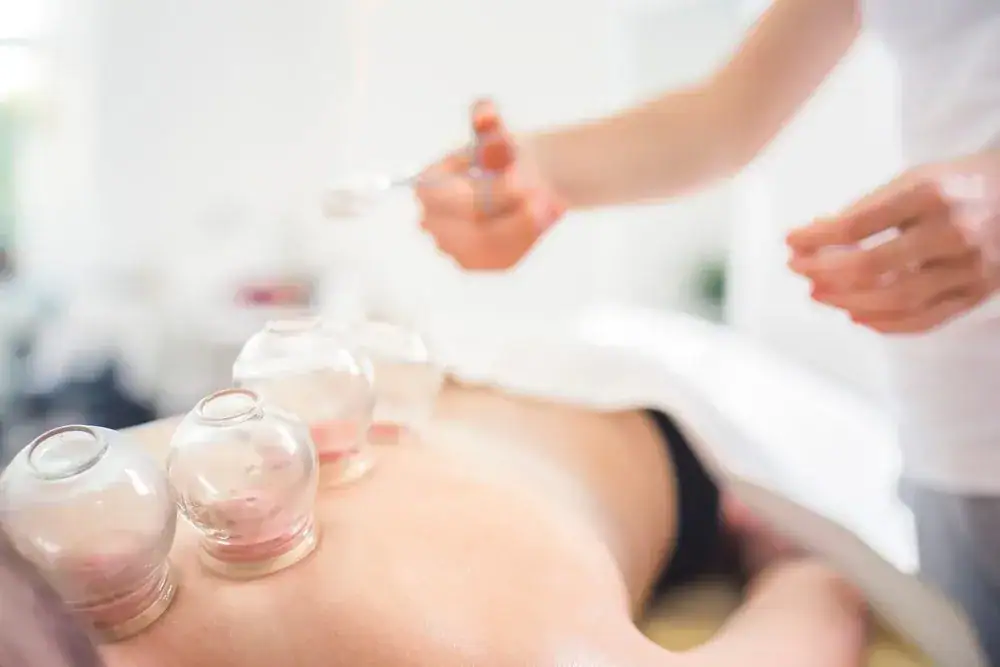
Here’s what actually happens: the suction increases blood flow to the affected area, which helps reduce inflammation and encourages your body’s natural healing process. For chronic pain, that increased circulation can make a real difference because you’re dealing with tissue that’s been tight, inflamed, or restricted for months or years.
Most people notice some improvement within three to four sessions, but that varies based on how long you’ve had the pain and what’s causing it. If your back pain is from muscle tension and poor posture, cupping tends to work well. If it’s from a herniated disc or structural issue, cupping might help manage symptoms but won’t fix the underlying problem. That’s why the initial assessment matters – we need to know what we’re treating before we can tell you whether this approach makes sense.
It depends on your specific plan and how the treatment is billed. When cupping is provided as part of physical therapy treatment by a licensed PT, many insurance plans will cover it under your physical therapy benefits. Medicare typically covers physical therapy services when medically necessary, which can include cupping as a treatment modality.
The key is that it needs to be performed by a licensed healthcare provider and documented as part of a broader treatment plan. We’re not talking about wellness cupping at a spa – this is therapeutic cupping provided by physical therapists treating a specific medical condition.
We accept Medicare and most commercial insurance plans. Before your first session, we verify your coverage and let you know what your out-of-pocket cost will be. No surprises, no bills showing up three months later that you weren’t expecting. If your plan doesn’t cover cupping therapy specifically, we’ll tell you upfront what the cost is so you can decide whether it makes sense for your situation.
Dry cupping uses suction only – no incisions, no blood removal, nothing invasive. The cups create a vacuum that pulls your skin and underlying tissue upward, increasing blood flow to that area. That’s it. It’s straightforward and low-risk.
Wet cupping involves making small incisions in the skin before applying the cups, which draws out a small amount of blood. Some practitioners believe this removes toxins or improves healing, but the evidence for wet cupping is less clear than for dry cupping. We focus on dry cupping because the research supporting its effectiveness for pain relief and muscle tension is stronger.
The marks you see after dry cupping are just from the suction bringing blood to the surface – they’re not bruises and they’re not painful. They fade on their own within a few days. Some people barely get any marks at all, while others get more visible circles. That variation is normal and doesn’t indicate whether the treatment is working or not.
Chronic pain conditions tend to respond well, particularly back pain, neck pain, and shoulder tension. If you’ve been dealing with muscle tightness or restricted range of motion for months, cupping therapy can help release that tension and improve mobility.
Knee osteoarthritis is another condition where the research shows cupping can make a meaningful difference. The increased circulation helps reduce inflammation around the joint, which often translates to less pain and better movement. It’s not going to reverse arthritis, but it can help you manage symptoms without relying solely on medication.
Inflammatory conditions also respond to cupping, though the mechanism is different. The treatment triggers a healing response that brings white blood cells and other repair mechanisms to the affected area. Your body essentially treats the cupping site as a minor injury that needs attention, which can help with chronic inflammation that your system has been ignoring.
What doesn’t work as well: acute injuries that just happened, conditions that need surgical intervention, or pain that’s caused by nerve compression rather than muscle tension. That’s why the assessment matters – we need to identify what’s actually causing your pain before we can tell you whether cupping makes sense.
The actual cupping portion typically takes 15 to 20 minutes, but your full appointment will be longer because we’re not just slapping cups on and calling it done. We need time to assess how you’re responding, adjust placement if needed, and often incorporate other physical therapy techniques.
Your first session takes longer – usually 45 to 60 minutes – because we’re doing a full evaluation. We need to understand your medical history, current pain levels, mobility restrictions, and treatment goals. That information determines not just whether cupping is appropriate, but how we integrate it with other therapies.
Follow-up sessions are typically 30 to 45 minutes. The cups stay on for about 10 to 15 minutes, sometimes longer depending on the area being treated and how your body responds. Some protocols involve moving the cups around (massage cupping), while others keep them stationary. We adjust based on what’s working for your specific condition.
Because we come to your home in Baywood, you’re not losing extra time to travel and waiting rooms. Your appointment starts when we arrive and ends when we leave. No sitting around in a clinic wondering when your name will be called.
The marks are temporary and painless. They typically fade within three to seven days, though that varies based on how much suction was used and how your body responds. Some people barely get visible marks, while others get darker circles that take a bit longer to fade.
These aren’t bruises in the traditional sense. A bruise happens when blood vessels break and leak blood into surrounding tissue, usually from impact or injury. Cupping marks are from blood being drawn to the surface by suction. The difference matters because cupping marks don’t hurt like bruises do.
You might feel slight tenderness in the treated area for a day or two after your session, similar to the feeling after a deep tissue massage. That’s normal and usually indicates that we’ve successfully released tension in muscles that have been tight for a while. It’s not the kind of soreness that limits your activity – more like a reminder that something happened there.
If you’re concerned about visible marks for a specific event or occasion, let us know. We can adjust the intensity or work on areas that won’t be visible, though that might limit treatment effectiveness. Most people stop worrying about the marks after their first session once they realize they’re not painful and they fade quickly.
Other Services we provide in Baywood