
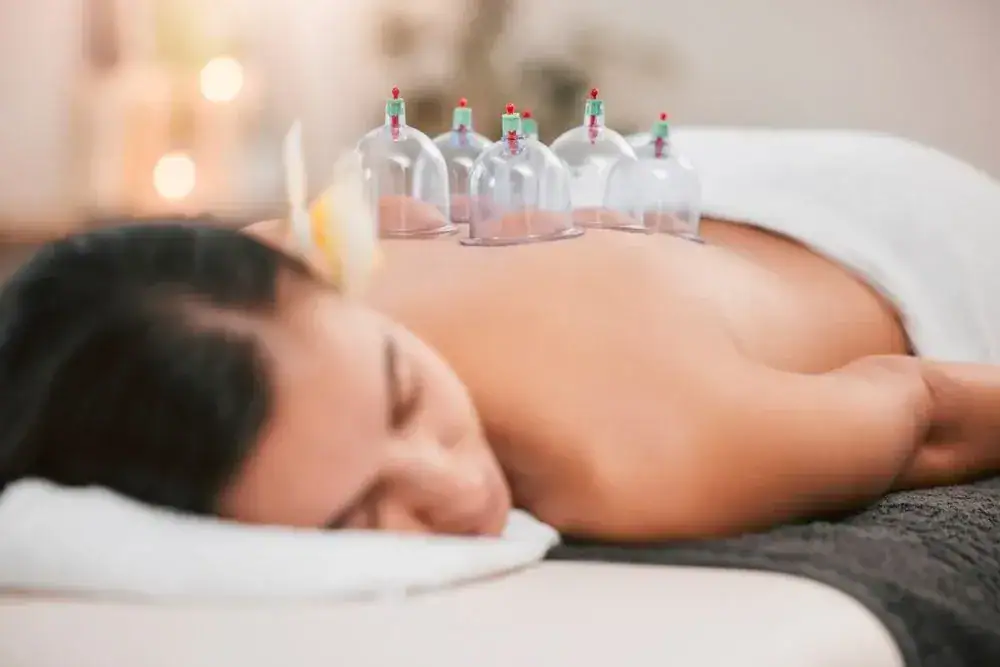

You’re dealing with pain that limits what you can do. Maybe it’s your lower back, your neck, or knee pain that won’t quit. You’ve tried medications, maybe even physical therapy somewhere else, and you’re still stuck.
Cupping therapy works by creating suction on your skin that increases blood flow to the affected area. That improved circulation helps reduce inflammation, releases tight muscles, and can provide relief that lasts beyond the session itself. Research shows cupping significantly reduces pain within 2-8 weeks for conditions like chronic back pain, neck pain, and knee osteoarthritis.
This isn’t about masking symptoms. It’s about addressing muscle tension and restricted blood flow that contribute to your pain in the first place. When combined with physical therapy techniques, cupping becomes part of a treatment plan that targets what’s actually causing your discomfort—not just what you feel on the surface.
We’ve been providing home-based physical therapy across Long Island for over a decade. We work with patients in Bay Shore who need effective treatment but find it difficult to travel to a clinic—whether that’s due to pain, mobility issues, or just the reality of a busy schedule.
Our licensed physical therapists bring cupping therapy and other evidence-based treatments directly to your home. You get the same quality care you’d receive in a clinic, but in an environment where you’re comfortable. We accept Medicare and most commercial insurance plans, so access to care doesn’t become another barrier.
Bay Shore residents deal with the same chronic pain issues seen across Long Island—lower back pain from years of physical work, knee problems that make stairs difficult, neck tension from desk jobs or stress. We’ve treated those conditions hundreds of times, and we know what works.
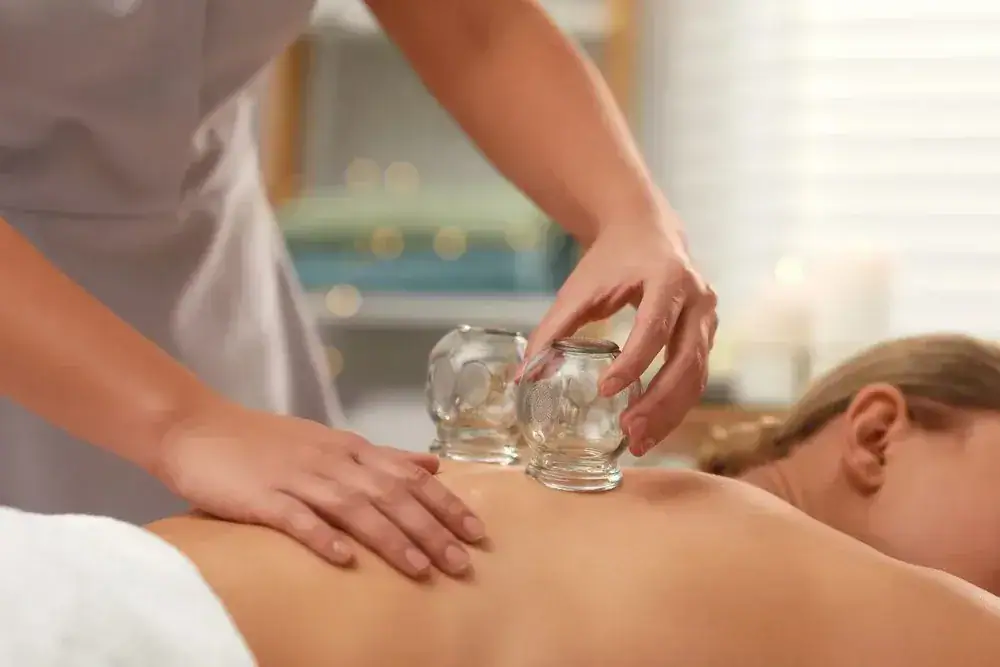
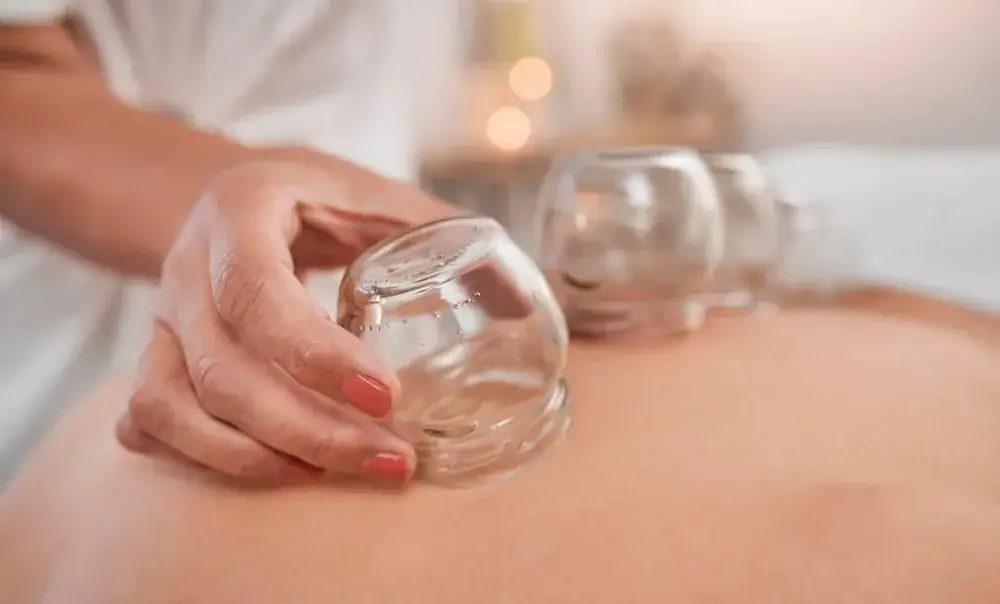
Cupping therapy uses specialized cups placed on your skin to create suction. Your therapist applies the cups to specific areas where you’re experiencing pain or muscle tension. The suction pulls tissue upward, which increases blood flow to that area and helps release tight fascia and muscle fibers.
Most people feel a pulling sensation, but it shouldn’t hurt. The cups stay in place for several minutes while the suction does its work. You might notice circular marks afterward—that’s normal and they fade within a few days. Those marks show where blood flow increased to help with healing.
Your therapist will combine cupping with other physical therapy techniques based on what your body needs. That might include manual therapy, targeted exercises, or other modalities. Each session lasts about 60 minutes, giving your therapist time to address your specific condition thoroughly.
You’ll typically notice some improvement after the first session, but lasting results come from consistent treatment. Your therapist will recommend a treatment schedule based on your condition—usually starting with twice-weekly sessions, then tapering as you improve.
Ready to get started?
Cupping therapy works particularly well for chronic musculoskeletal pain. If you’re dealing with lower back pain that’s been going on for months, cupping combined with physical therapy can provide relief that medications haven’t delivered. The same goes for neck pain, especially tension that radiates into your shoulders.
Knee osteoarthritis is another condition where cupping shows real results. The increased blood flow helps reduce inflammation around the joint, and when combined with strengthening exercises, you can see meaningful improvement in how your knee functions. Many Bay Shore residents put off knee treatment because they assume surgery is the only option—cupping offers an alternative worth trying first.
Muscle tension and stiffness respond well to dry cupping. If you’ve got tight muscles limiting your range of motion, cupping helps release that tension in ways that manual therapy alone sometimes can’t. It’s particularly effective for myofascial pain, where the fascia (connective tissue) gets restricted and causes discomfort.
We also use cupping for chronic headaches and migraines when they’re related to neck tension. Addressing the muscle tightness in your neck and upper back can reduce headache frequency and intensity.
Yes, and there’s research backing it up. Multiple clinical studies show that cupping therapy significantly reduces pain levels for chronic conditions, particularly lower back pain, neck pain, and knee osteoarthritis. The evidence is strongest when looking at pain reduction over 2-8 weeks of treatment.
Here’s what’s happening: the suction increases blood flow to areas that aren’t getting adequate circulation. That improved blood flow brings oxygen and nutrients that help with healing, while also helping remove metabolic waste that contributes to pain and inflammation. It’s not magic—it’s physiology.
The key is using cupping as part of a broader treatment plan. When your physical therapist combines cupping with targeted exercises, manual therapy, and movement training, you’re addressing both the symptoms and the underlying causes of your pain. That’s why results tend to last longer than what you’d get from pain medication alone.
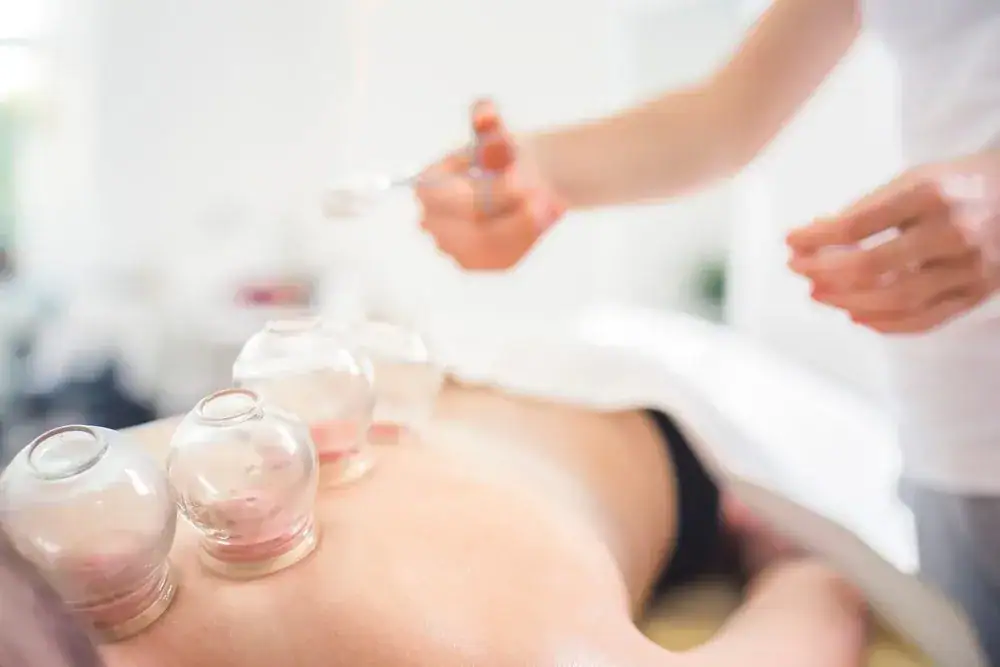
Dry cupping uses suction only—no needles, no blood, no incisions. The cups create a vacuum that pulls your skin and underlying tissue upward. That’s it. It’s non-invasive, which is exactly why most people prefer it.
Wet cupping involves making small cuts in the skin and using suction to draw out small amounts of blood. Some traditional practices use this method, but it’s not what we do. Dry cupping gives you the benefits of increased blood flow and muscle release without any breaking of the skin.
Fire cupping is a technique where a flame briefly heats the inside of the cup before it’s placed on your skin—the cooling air creates the suction. Modern cupping often uses mechanical or silicone cups with pumps instead. Both create the same suction effect. The method matters less than the skill of the therapist applying it and knowing exactly where to place the cups for your specific condition.
Yes, usually. You’ll often see circular marks where the cups were placed. They look like bruises but they’re not quite the same thing. The marks come from blood being drawn to the surface and small capillaries expanding due to the suction.
These marks typically fade within 3-7 days. They’re not painful—you probably won’t even feel them after your session ends. The color can range from light pink to deep purple depending on how much stagnation or tension was in that area. Darker marks often appear where you had more restriction or poor circulation.
If you’ve got an event coming up where the marks would be an issue, let your therapist know. They can adjust the suction intensity or place cups in areas that clothing will cover. But honestly, most people stop worrying about the marks once they feel how much better they move and how much their pain decreases.
Most people notice some improvement after their first session—reduced pain, better range of motion, or muscles that feel less tight. But one session isn’t going to fix a chronic problem you’ve had for months or years.
For chronic pain conditions, you’re typically looking at 6-12 sessions to see substantial, lasting improvement. Your therapist will usually recommend starting with twice-weekly sessions for the first few weeks, then spacing them out as your condition improves. The exact timeline depends on what you’re dealing with and how your body responds.
Acute issues—like a recent muscle strain or sudden neck tension—often respond faster. You might only need 3-4 sessions. Chronic conditions like long-term back pain or knee osteoarthritis take longer because you’re not just addressing current symptoms, you’re retraining how your body moves and improving tissue health that’s been compromised for a while. Your therapist will give you a realistic timeline after your initial evaluation.
When cupping is part of your physical therapy treatment plan, it’s typically covered under your PT benefits. Medicare covers outpatient physical therapy, and we accept Medicare along with most commercial insurance plans in the Bay Shore area.
Coverage depends on your specific plan and whether you’ve met your deductible. Cupping isn’t usually billed separately—it’s included as part of your physical therapy session. That’s different from going to a spa or wellness center where cupping might be offered as a standalone service that insurance won’t touch.
We verify your insurance benefits before starting treatment so you know what to expect. If you’ve got questions about your specific coverage, call us. We can check your benefits and give you a clear answer about your costs. The last thing you need when you’re dealing with pain is surprise medical bills, so we make sure you understand the financial side upfront.
Cupping is safe when performed by a trained professional. Our physical therapists are licensed and trained in proper cupping techniques. The most common “side effect” is the circular marks we already talked about—they’re temporary and harmless.
Some people feel lightheaded during or right after treatment, especially during their first session. That’s why we have you rest for a few minutes before getting up. Drinking water before and after your session helps. You might also feel some soreness in the treated areas for a day or two, similar to how muscles feel after a good workout.
There are situations where cupping isn’t appropriate. If you’re on blood thinners, have a skin condition in the treatment area, or are pregnant, your therapist will either modify the approach or use different techniques. That’s why we do a thorough evaluation first—to make sure cupping is right for your specific situation and won’t cause problems with any other health conditions you’re managing.
Other Services we provide in Bay Shore