

You’ve tried stretching. You’ve taken ibuprofen. Maybe you’ve even considered something stronger. But the pain keeps coming back, and you’re tired of managing symptoms instead of solving the problem.
Cupping therapy works differently. It increases blood flow to the areas that hurt, breaks up the tension causing your discomfort, and helps your body heal itself. Most people feel relief after their first session—not because we’re masking the pain, but because we’re addressing what’s actually causing it.
This isn’t about temporary fixes. Dry cupping helps with chronic back pain, neck stiffness, shoulder tension, arthritis discomfort, and muscle soreness that won’t quit. Clinical studies show it decreases pain levels and improves mobility with minimal side effects. You get the relief you need without adding another prescription to your routine.
If you’ve been dealing with pain that limits what you can do—whether that’s work, exercise, or just getting through your day without discomfort—cupping therapy gives your body a real chance to recover.
We’ve been serving Long Island since 2010. We’re not new to this, and we’re not experimenting with your care. Our team includes licensed physical therapists who understand how pain works and how to treat it effectively.
We operate multiple locations across Suffolk County, and every one of them follows the same standard: personalized care, secure operations, and real results. You’re not a number here. We treat each person like family, which means we listen, we adjust our approach based on what’s working, and we don’t rush you through appointments.
Aquebogue residents deal with unique challenges—long commutes into the city, physical jobs, and an aging population that needs more than cookie-cutter care. We get it. That’s why our approach combines proven techniques like cupping therapy with the kind of attention that actually makes a difference in your recovery.
First, we talk. You tell us where it hurts, how long it’s been going on, and what you’ve already tried. We don’t assume anything—we ask questions until we understand what’s actually happening with your body.
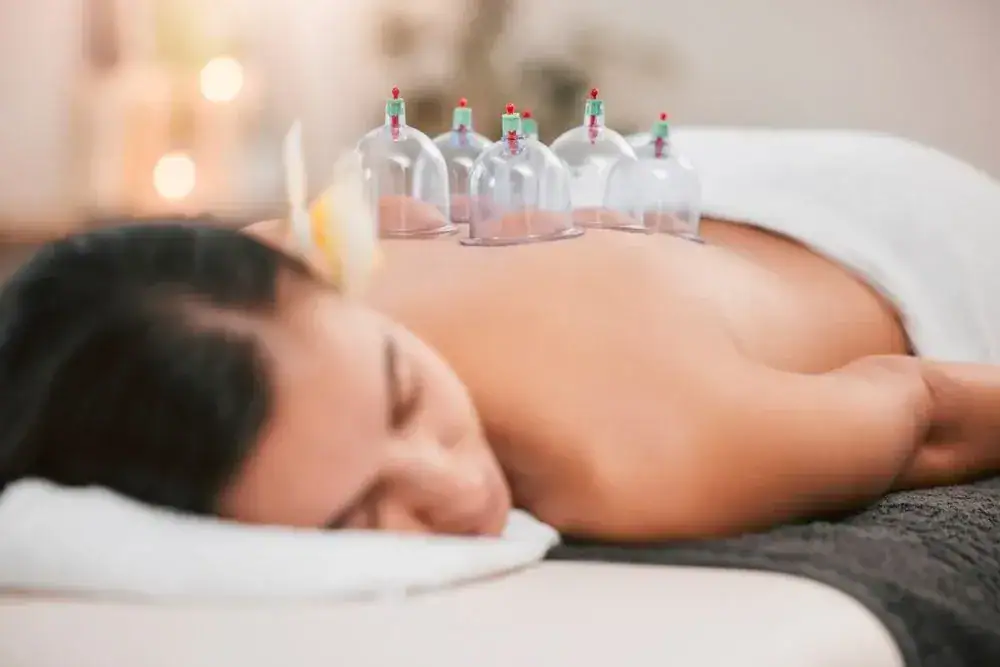
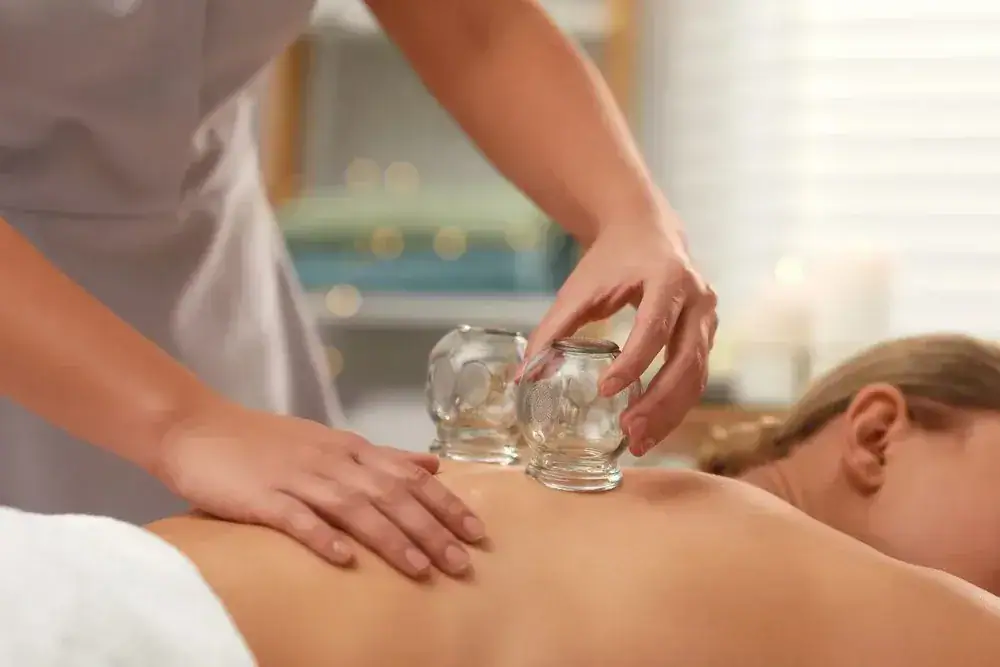
Then we assess. We look at your range of motion, identify areas of tension or restricted blood flow, and figure out where cupping will do the most good. Dry cupping uses suction to lift the skin and underlying tissue, which increases circulation and releases tight muscles. The cups stay in place for several minutes while your body responds to the increased blood flow.
You might see some temporary discoloration afterward—that’s normal and fades within a few days. Most people describe the sensation as a deep pressure, not pain. Some feel relief immediately. Others notice the difference over the next day or two as inflammation decreases and mobility improves.
We don’t just do one session and send you on your way. We build a treatment plan based on your specific condition, and we adjust as you progress. The goal is simple: get you out of pain and keep you there.
Ready to get started?
Every cupping therapy session at our clinic includes a full assessment, hands-on treatment, and a clear explanation of what we’re doing and why. You’re not left guessing. We walk you through the process so you know exactly what to expect.
We treat conditions like chronic low back pain, neck pain, shoulder tension, knee osteoarthritis, arthritis-related discomfort, and muscle soreness from overuse or injury. If you’re dealing with pain that’s been hanging around for weeks or months, cupping therapy can help break the cycle.
Here’s what matters for people in Aquebogue, NY: you’re likely commuting, working long hours, or dealing with the physical toll of aging. According to local data, 45% of Long Island residents report low confidence in managing musculoskeletal conditions on their own. You’re not alone in this, and you don’t have to keep pushing through it.
Our sessions are covered by Medicare, and we work with most insurance plans. We also make scheduling easy—no endless phone trees or weeks-long wait times. You need relief now, not next month.
Yes, and there’s research to back it up. Clinical studies show that cupping therapy decreases pain levels and improves blood flow with low adverse effects. It’s particularly effective for persistent low back pain, neck pain, and conditions like knee osteoarthritis.
Here’s why it works: cupping increases microcirculation in the areas where you’re hurting. That means more oxygen and nutrients reach damaged tissue, which speeds up healing. It also breaks up stagnant blood and releases muscle tension that’s been causing pain and spasms.
One session can provide immediate short-term relief. Multiple sessions build on that and help address the underlying issue. It’s not a miracle cure, but it’s a proven, low-risk treatment that helps a lot of people reduce or eliminate chronic pain without relying on medication.
Cupping is a low-risk therapy. Most experts agree it’s safe when performed by trained professionals. The most common side effect is temporary skin discoloration where the cups were placed—basically circular bruises that fade within a few days to a week.
Some people experience mild soreness after treatment, similar to what you’d feel after a deep tissue massage. That usually goes away within 24 hours. Serious side effects are rare, especially when you’re working with licensed therapists who know what they’re doing.
Compare that to the risks of long-term pain medication use—stomach issues, dependency, liver damage—and cupping looks pretty good. It’s a natural, non-invasive option that doesn’t add chemicals to your system or require recovery time. You can go right back to your day after a session.
Dry cupping uses suction alone—no needles, no incisions, no blood. We place cups on your skin and create a vacuum, either with heat or a pump. The suction pulls your skin and tissue upward, which increases blood flow and releases tight muscles.
Wet cupping, by contrast, involves making small cuts in the skin and drawing out a small amount of blood. That’s not what we do here, and it’s not necessary for most pain-related conditions. Dry cupping is less invasive, equally effective for musculoskeletal pain, and doesn’t carry the same risks.
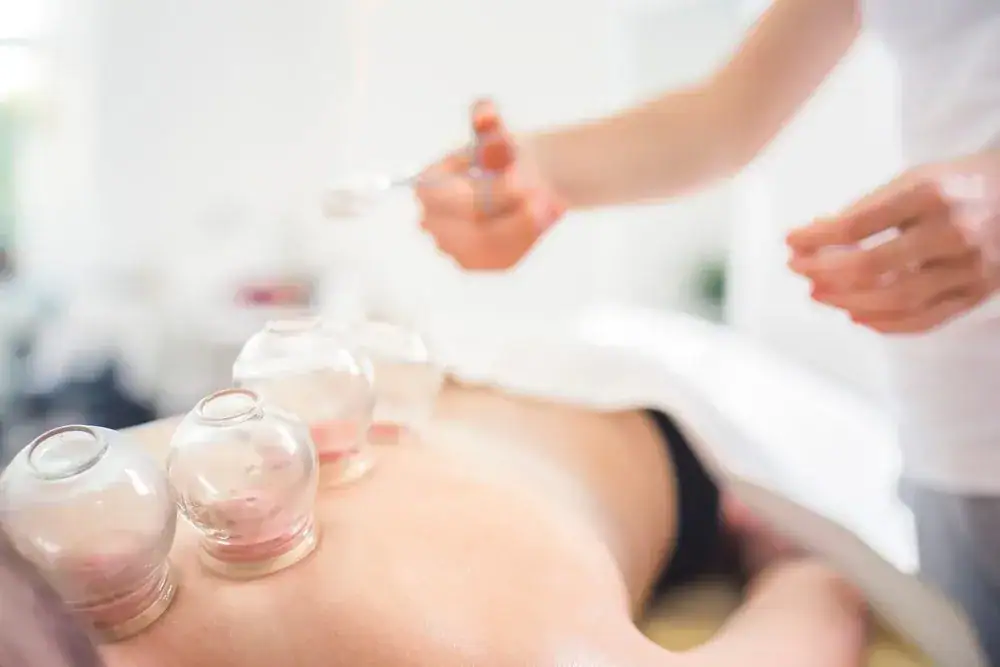
Fire cupping is a type of dry cupping where a flame briefly heats the inside of the cup to create suction. It sounds dramatic, but it’s safe and effective. The fire never touches your skin—it just removes oxygen from the cup so it adheres properly. Many people prefer it because the suction feels more controlled and comfortable.
It depends on what you’re dealing with. Acute pain—like a recent injury or muscle strain—might respond in one to three sessions. Chronic conditions that have been building for months or years usually take longer, often six to ten sessions spread over several weeks.
We don’t lock you into a rigid plan. After your first session, we’ll have a better idea of how your body responds and what kind of timeline makes sense. Some people feel significant relief right away and just need a few follow-ups. Others need more consistent treatment to break through long-standing pain patterns.
The goal isn’t to keep you coming back forever. It’s to get you functional again and give you the tools to maintain that progress. Once you’re moving better and the pain is under control, we space out sessions or transition you to maintenance care if needed.
Absolutely. Cupping works well alongside other physical therapy techniques like manual therapy, therapeutic exercise, and stretching programs. A lot of our patients use it as part of a broader treatment plan that addresses multiple aspects of their condition.
If you’re already seeing another provider—like a chiropractor, acupuncturist, or massage therapist—cupping can complement what they’re doing. Just let us know what other treatments you’re receiving so we can coordinate care and avoid overdoing it.
Cupping also pairs well with lifestyle changes like improving your posture, adjusting your workspace, or modifying how you move throughout the day. The treatment gets you out of pain, and those adjustments help keep you there. We’ll talk through all of that during your sessions so you’re not just getting temporary relief—you’re building long-term resilience.
If cupping is part of a physical therapy treatment plan, many insurance plans will cover it—including Medicare. Coverage depends on your specific plan and whether the therapy is deemed medically necessary for your condition.
We’ve been working with insurance companies since 2010, so we know how to navigate the process. When you call to schedule, we’ll verify your benefits and let you know what to expect in terms of out-of-pocket costs. No surprises, no runaround.
Even if your insurance doesn’t cover cupping specifically, it often covers the physical therapy visit itself, and cupping is included as part of that session. We’ll work with you to make treatment affordable and accessible. The last thing you need when you’re in pain is financial stress on top of everything else.
Other Services we provide in Aquebogue