
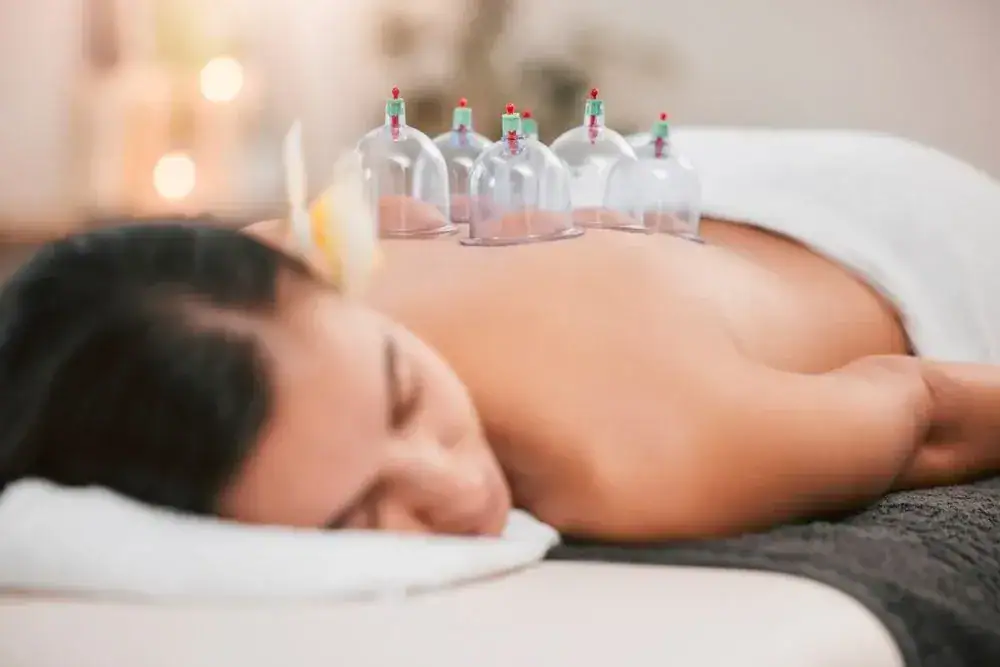
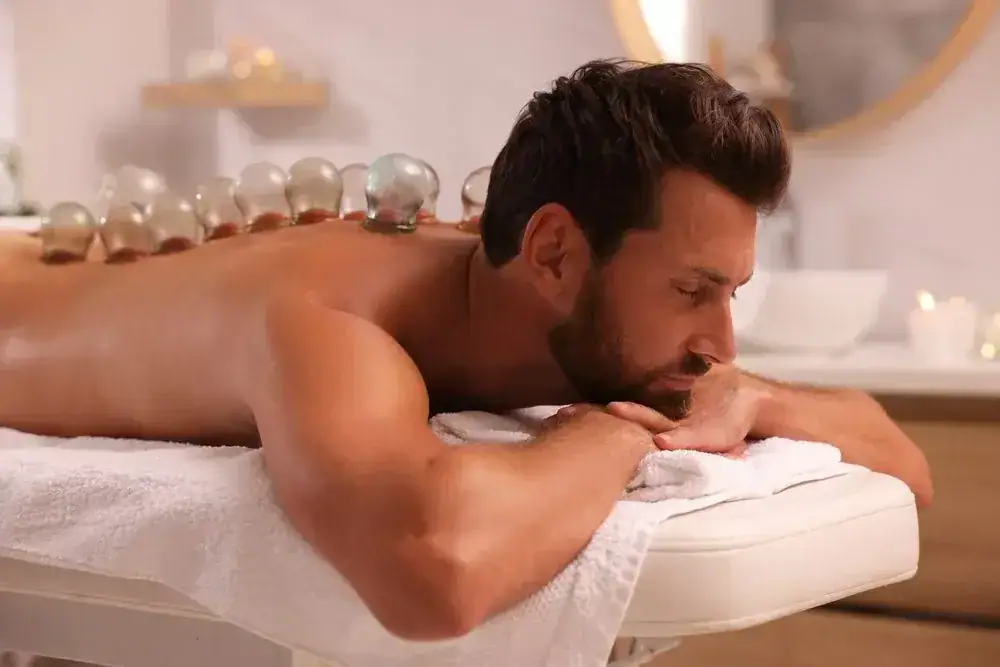
You’re not looking for temporary relief that wears off in a few hours. You want to wake up without that stiffness in your lower back, reach for something on a high shelf without wincing, or get through your day without constantly adjusting how you sit or stand.
Cupping therapy works by increasing blood flow to areas where your muscles are tight or inflamed. More blood means more oxygen and nutrients reaching damaged tissue. That’s not marketing speak—that’s how your body heals itself when given the right conditions.
The suction created by the cups lifts and separates layers of fascia that have become stuck together from injury, overuse, or chronic tension. When fascia moves freely again, your range of motion improves. You bend easier. You move without guarding. And that nagging pain that’s been following you around starts to fade.
Most people notice a difference after their first session. Not a cure, but enough relief to think, “Okay, this might actually work.” That’s what we’re after—measurable improvement that builds over time, not a quick fix that disappears by tomorrow.
We’ve been treating patients across Long Island for years at Medcare Therapy Services, with locations that include Physical Therapy Associates of Smithtown and Speonk. Our therapists are licensed, trained in multiple modalities, and experienced in treating everything from sports injuries to chronic pain conditions.
Old Brookville residents come to us because they want more than a 15-minute appointment where someone tells them to ice it and rest. They want a real conversation about what’s causing the problem and a treatment plan that makes sense for their schedule and goals.
We don’t push treatments you don’t need. If cupping therapy isn’t the right fit, we’ll tell you. If it works best combined with manual therapy or targeted exercises, we’ll explain why. You’re not a number here—you’re someone dealing with real pain who deserves real answers.
Your first visit starts with a conversation, not a sales pitch. We ask about your pain—where it is, how long you’ve had it, what makes it better or worse. We’ll assess your range of motion and identify which muscles or fascial areas are restricted.
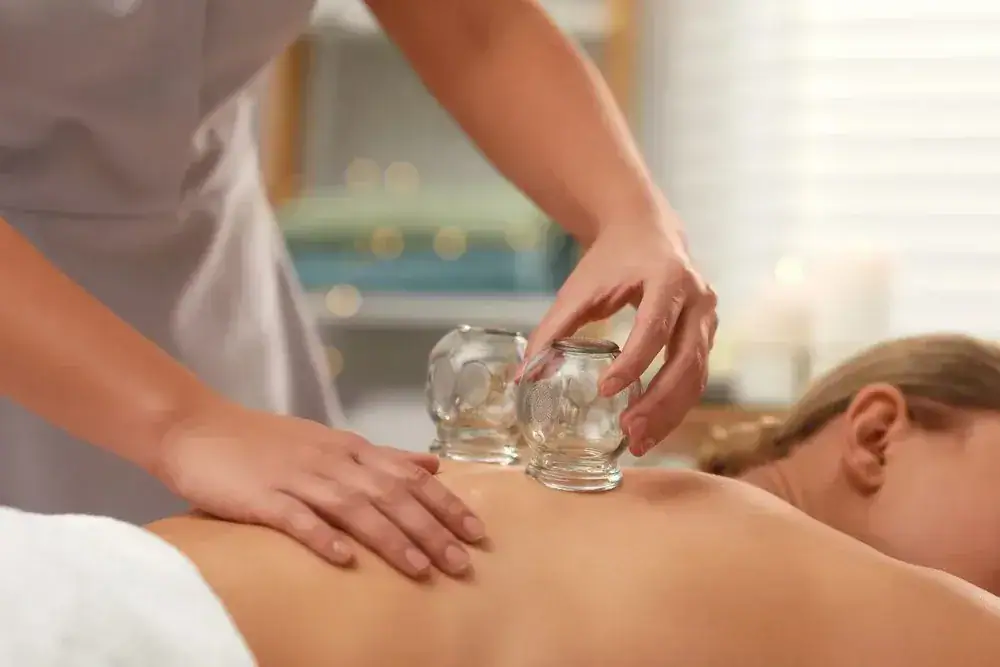
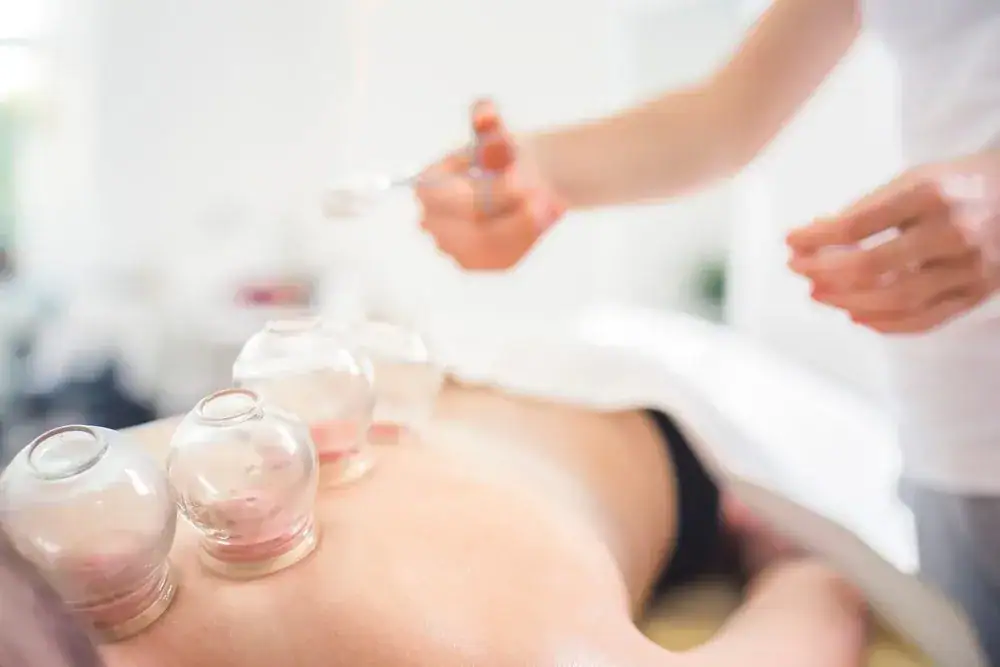
During the cupping session, we place specialized cups on targeted areas of your body. The suction pulls your skin and underlying tissue upward, creating space between muscle layers and increasing circulation to the area. Some people describe it as a deep tissue massage in reverse—instead of pressing down, we’re lifting up.
A typical session lasts 20 to 30 minutes. You might see circular marks afterward—that’s normal and they fade within a few days. Those marks aren’t bruises; they’re a sign of increased blood flow bringing fresh oxygen to tissue that’s been starved of it.
We’ll often combine cupping with other techniques like stretching, manual therapy, or specific exercises that address the root cause of your pain. One session can provide immediate relief, but most people see the best results with a short series of treatments spaced over a few weeks.
Ready to get started?
We use dry cupping, which means no needles, no incisions, and no invasive procedures. Just controlled suction applied to specific areas where you’re experiencing pain, tightness, or restricted movement. It’s safe, it’s effective, and most people find it surprisingly relaxing once they get past the initial curiosity of how it looks.
Cupping therapy works particularly well for chronic lower back pain, neck tension, shoulder tightness, and muscle soreness from overuse or injury. If you’re an active person dealing with recurring strains, or someone whose desk job has left you with constant upper back knots, this is worth trying.
Old Brookville has a population that values quality healthcare and isn’t interested in cookie-cutter solutions. That’s exactly how we approach treatment here. Your session is based on your specific condition, not a one-size-fits-all protocol. We adjust cup placement, suction intensity, and treatment duration based on what your body needs and how you respond.
You’ll leave with a clear understanding of what we did, why we did it, and what to expect over the next few days. If we think you’d benefit from follow-up sessions, we’ll tell you how many and why. If one session does the trick, we’re not going to push you to book more.
Cupping therapy has moderate-quality clinical evidence supporting its effectiveness for chronic pain conditions, particularly lower back pain, neck pain, and knee osteoarthritis. That’s not anecdotal—that’s based on controlled studies measuring pain reduction and improved function.
The mechanism isn’t mysterious. Cupping increases local blood circulation, which delivers oxygen and nutrients to damaged or inflamed tissue while helping remove metabolic waste products that contribute to pain. It also creates mechanical separation between fascial layers that have become adhered, which is why people often experience immediate improvements in range of motion.
It’s been used formally in hospitals throughout China since 1950 and has gained traction in Western physical therapy practices because therapists see consistent results with patients who haven’t responded well to other treatments. Professional athletes use it for muscle recovery. Physical therapists integrate it into treatment plans for musculoskeletal injuries.
Does it work for everyone? No. But for many people dealing with chronic muscle tension, restricted mobility, or pain that hasn’t responded to medication alone, cupping provides measurable relief without the side effects that come with long-term pharmaceutical use.
Your first session starts with an evaluation. We’ll ask detailed questions about your pain—when it started, what activities make it worse, what you’ve already tried. We’ll also assess your posture, range of motion, and identify which specific muscles or areas are contributing to your symptoms.
Once we’ve identified the treatment areas, we’ll apply cups to your skin using controlled suction. You’ll feel a pulling sensation, but it shouldn’t be painful. Most people describe it as a deep pressure that’s actually quite relaxing once they get used to the feeling. We can adjust the suction level based on your comfort and the treatment goals.
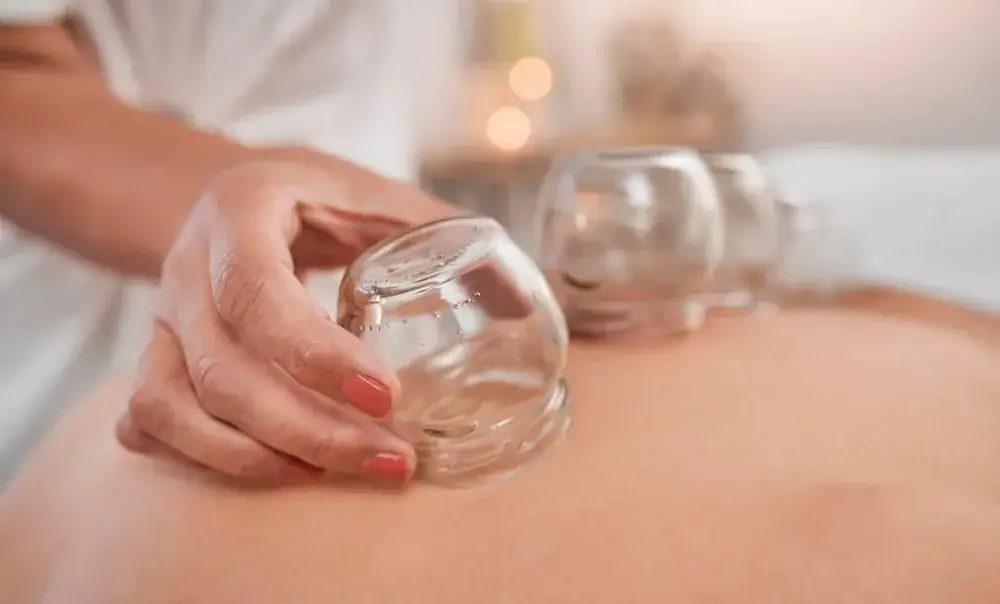
The cups typically stay in place for 5 to 15 minutes, depending on the area being treated and your condition. We use stationary cupping in some cases, while in others we may slide the cups across your skin in a technique called cupping massage or myofascial decompression.
After we remove the cups, you’ll likely see circular marks where they were placed. These marks are caused by increased blood flow to the area and usually fade within 3 to 7 days. They’re not painful and they’re not bruises in the traditional sense—they’re actually a sign the treatment is working.
Some people feel significant relief after a single session—reduced pain, better range of motion, less muscle tightness. But that initial relief doesn’t always mean the problem is solved. It means we’ve started addressing the underlying issue.
For acute injuries or recent muscle strains, you might only need 2 to 4 sessions spaced a few days apart. For chronic conditions that have been building for months or years, you’ll likely see better long-term results with 6 to 8 sessions over several weeks, often combined with other physical therapy techniques.
The honest answer is that it depends on what’s causing your pain, how long you’ve had it, and how your body responds to treatment. We don’t lock people into packages or push unnecessary visits. After your first session, we’ll have a much better idea of what a realistic treatment plan looks like for your specific situation.
What matters more than the number of sessions is whether you’re seeing consistent improvement. If your pain is decreasing, your mobility is improving, and you’re getting back to activities you’d stopped doing, then the treatment is working. If we’re not seeing progress after a few sessions, we’ll reassess and potentially try a different approach.
Cupping therapy is considered a low-risk treatment when performed by a trained professional. The most common “side effect” is the circular marks left behind, which look more dramatic than they feel. They don’t hurt and they fade on their own within a week.
Some people experience mild soreness in the treated area for a day or two after their first session, similar to the feeling after a deep tissue massage. That’s your body responding to increased circulation and the release of tight fascia. Drinking plenty of water after treatment helps minimize any discomfort.
Cupping isn’t appropriate for everyone. We don’t use it on people with certain skin conditions, bleeding disorders, or those taking blood thinners. We also avoid areas with open wounds, severe inflammation, or recent surgery. That’s why the evaluation before your first session matters—we need to know your full medical history to treat you safely.
Serious complications are rare, especially with dry cupping performed by licensed physical therapists who understand anatomy and proper technique. You’re not getting this done at a spa by someone with a weekend certification. You’re being treated by healthcare professionals who’ve been trained in multiple therapeutic modalities and know when cupping is—and isn’t—the right choice.
Yes, and that’s actually one of the areas where cupping has gained the most traction in recent years. Athletes use cupping therapy to speed up recovery after intense training, reduce muscle soreness, and treat specific injuries like strains, sprains, and overuse conditions.
The reason it works well for athletic recovery is the same reason it works for chronic pain—it increases blood flow to tired or damaged muscles, which accelerates healing. It also helps break up adhesions in fascia that can limit your range of motion and contribute to compensatory movement patterns that lead to injury.
If you’re dealing with a pulled hamstring, a strained rotator cuff, or persistent IT band tightness, cupping can be part of an effective recovery plan. We typically combine it with targeted stretching, strengthening exercises, and manual therapy techniques to address both the immediate injury and the underlying factors that caused it.
For active people in Old Brookville who aren’t professional athletes but still want to golf, play tennis, or stay active without constant setbacks, cupping offers a non-pharmaceutical option that doesn’t just mask pain—it helps your body actually heal faster. You’re back on the court or course sooner, and you’re less likely to re-injure the same area because we’re addressing the root cause, not just the symptoms.
Massage pushes down into your muscles to release tension. Cupping pulls up, creating negative pressure that lifts tissue away from underlying structures. That difference matters because some types of pain and restriction respond better to decompression than compression.
When fascia—the connective tissue that surrounds your muscles—becomes tight or adhered, it can restrict movement and cause pain that doesn’t respond well to traditional massage. Cupping mechanically separates those fascial layers, creating space and improving tissue mobility in a way that manual pressure alone can’t always achieve.
Physical therapy encompasses a wide range of treatments: manual therapy, therapeutic exercise, stretching, electrical stimulation, and yes, cupping. We don’t rely on just one technique. We use whatever combination of methods will get you the best results based on your specific condition.
Cupping works particularly well when combined with other treatments. We might use cupping to release tight muscles in your upper back, then follow it with specific exercises to strengthen the muscles that have been compensating for that tightness. Or we’ll combine cupping with manual fascial release techniques to address restrictions from multiple angles. The goal isn’t to sell you on cupping as a miracle cure—it’s to use the right tools at the right time to help you move better and hurt less.
Other Services we provide in Old Brookville