
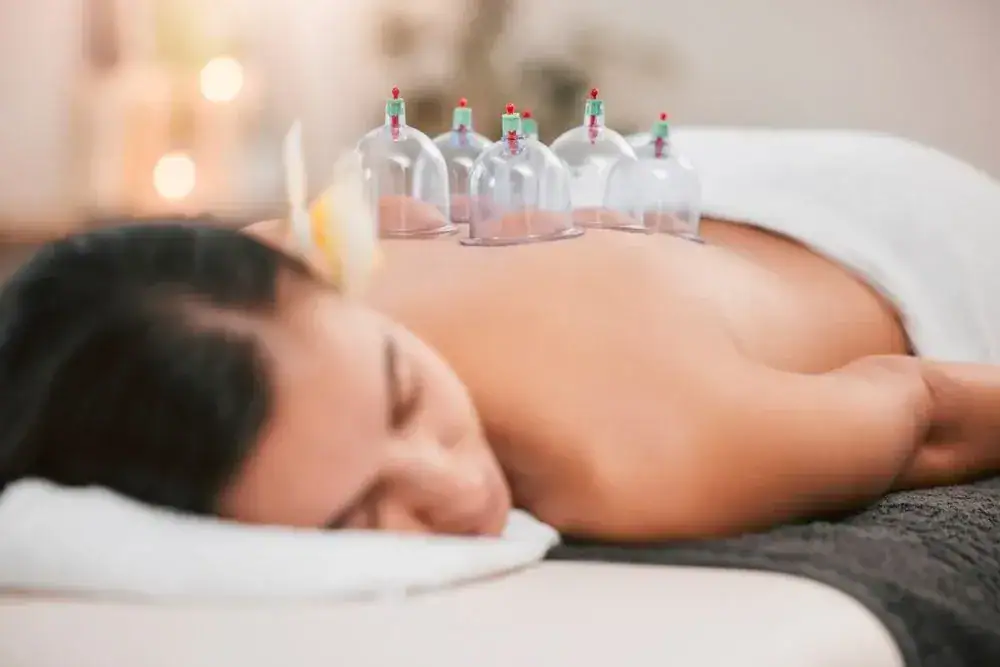

You’re not looking for temporary relief. You want to move without wincing, sleep without adjusting positions every hour, and stop planning your day around what your back or shoulders can handle.
Cupping therapy works by increasing blood flow to areas where muscles have been tight for too long. That improved circulation helps reduce inflammation, speeds up tissue repair, and loosens the fascia that’s been restricting your movement. Most people notice improved range of motion after a single session.
This isn’t about masking pain. It’s about addressing what’s causing the stiffness and discomfort in the first place. When your muscles can move the way they’re supposed to, you stop compensating with other parts of your body. That means fewer secondary issues down the line.
The goal is simple: less pain, better movement, and the ability to do what you need to do without constantly managing discomfort. For people in Ocean Beach dealing with chronic back pain, neck tension, or joint stiffness from years of activity or injury, cupping therapy offers a low-risk option that complements other physical therapy treatments.
Medcare Therapy Services has been treating patients across multiple Long Island locations, including our work serving Ocean Beach and the surrounding barrier island communities. Our physical therapists are licensed, trained in modern cupping techniques, and focused on treatments backed by evidence.
We don’t use cupping as a standalone gimmick. It’s integrated into comprehensive physical therapy plans that might also include manual therapy, targeted exercises, and other modalities based on what your body actually needs. You’re assessed first, treated second.
Ocean Beach residents deal with unique physical demands—walking on sand, water sports, seasonal activity changes, and limited immediate access to mainland healthcare. We understand that. Our approach accounts for how you live, what you do, and what’s realistic for your recovery timeline.
First, we assess. Your physical therapist evaluates your pain points, range of motion, and movement patterns to determine if cupping therapy is appropriate for your condition. Not everyone needs it, and we won’t use it if something else makes more sense.
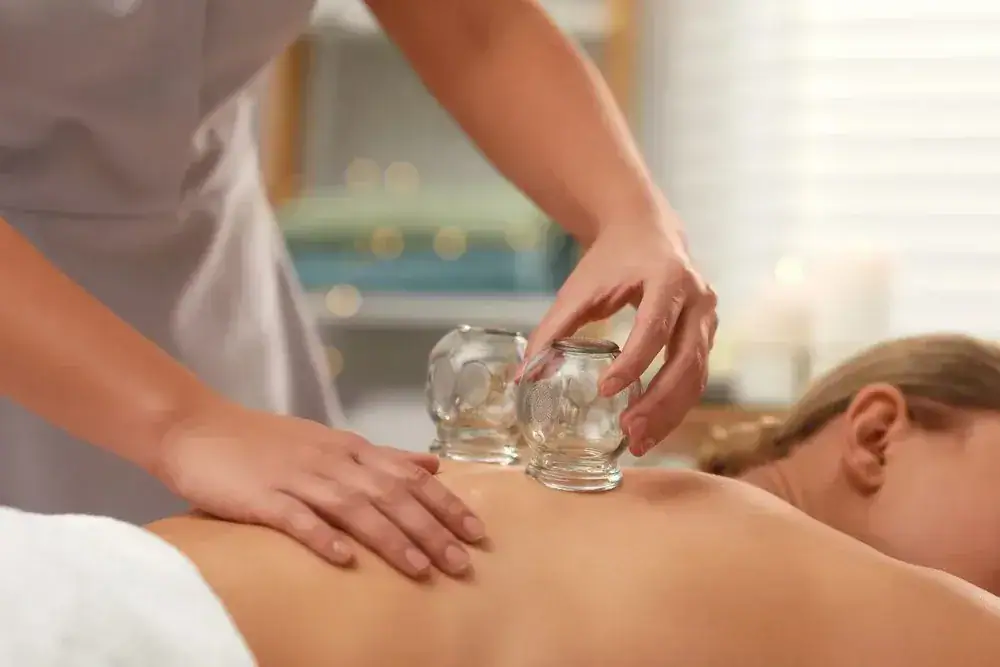
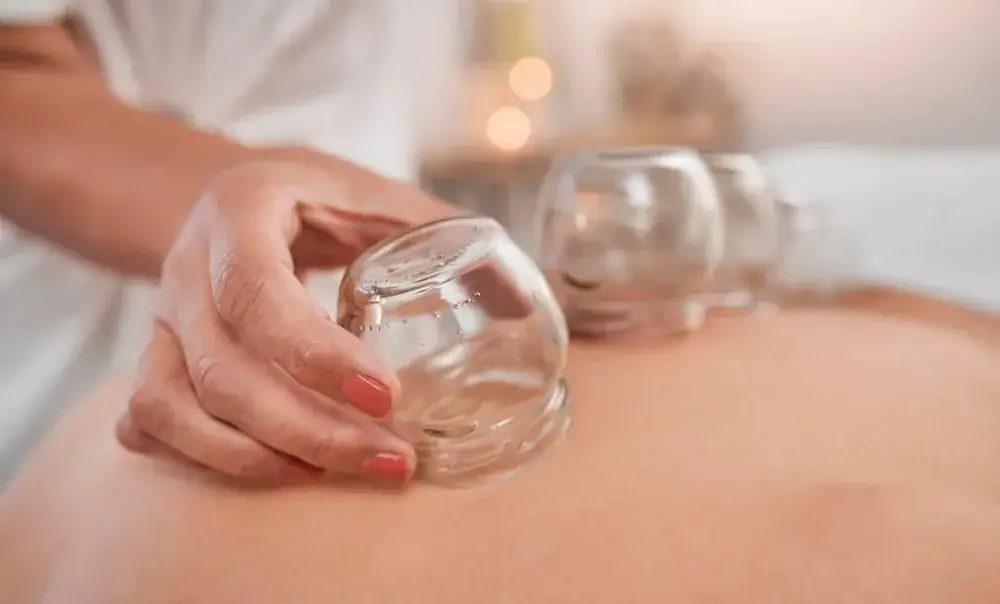
If cupping is a good fit, your therapist places specialized cups on the affected areas—typically your back, shoulders, neck, or legs. The cups create suction that draws blood to the surface, decompressing the tissue underneath. This is called myofascial decompression, and it’s the modern term for what’s happening beneath the surface.
The cups stay in place for several minutes while you relax. Some of our therapists use stationary cupping, others use a gliding technique depending on what your muscles need. You’ll feel pulling and tightness, but it shouldn’t be painful. Afterward, you might have circular marks that fade within a few days—that’s normal and expected.
Most sessions last 30-45 minutes and are combined with other physical therapy techniques. Your therapist will explain what to expect for soreness (usually mild and short-lived) and when you should schedule follow-up treatments based on how your body responds.
Ready to get started?
Cupping therapy works well for chronic low back pain, neck pain, shoulder tension, and knee osteoarthritis—conditions supported by moderate-quality research evidence. If you’ve been dealing with muscle tightness that limits your movement or pain that flares up with certain activities, this treatment might help.
We also use cupping for sports injury recovery, particularly for Ocean Beach residents active in swimming, paddleboarding, volleyball, and other beach activities that stress specific muscle groups. The therapy helps reduce muscle stiffness and improve local blood flow, which supports faster recovery between training sessions.
For people managing pain without wanting to rely solely on medication, cupping offers a natural alternative that can be part of a broader pain management strategy. It’s not a cure-all, but for the right conditions, it’s effective.
Your treatment plan is based on your specific diagnosis, not a one-size-fits-all protocol. Some patients benefit from weekly sessions over several weeks. Others use cupping periodically when pain flares up. Your physical therapist will recommend a frequency that matches your condition and goals, and adjust based on how you’re progressing.
Yes, for many people. Research shows moderate-quality evidence that cupping therapy reduces chronic low back pain and improves function. It’s not placebo—the suction increases blood circulation to tight, painful areas and helps decompress tissue that’s been restricted.
That said, it works best when combined with other treatments. If your back pain is from poor movement patterns, weak core muscles, or postural issues, cupping alone won’t fix the underlying problem. But it can reduce pain enough that you’re able to participate more fully in the exercises and manual therapy that address the root cause.
Most patients notice some improvement after the first session—less stiffness, better range of motion, or reduced pain intensity. Lasting results typically require multiple sessions over several weeks, along with other physical therapy interventions. Your therapist will track your progress and adjust the treatment plan if you’re not seeing the improvements you should be.
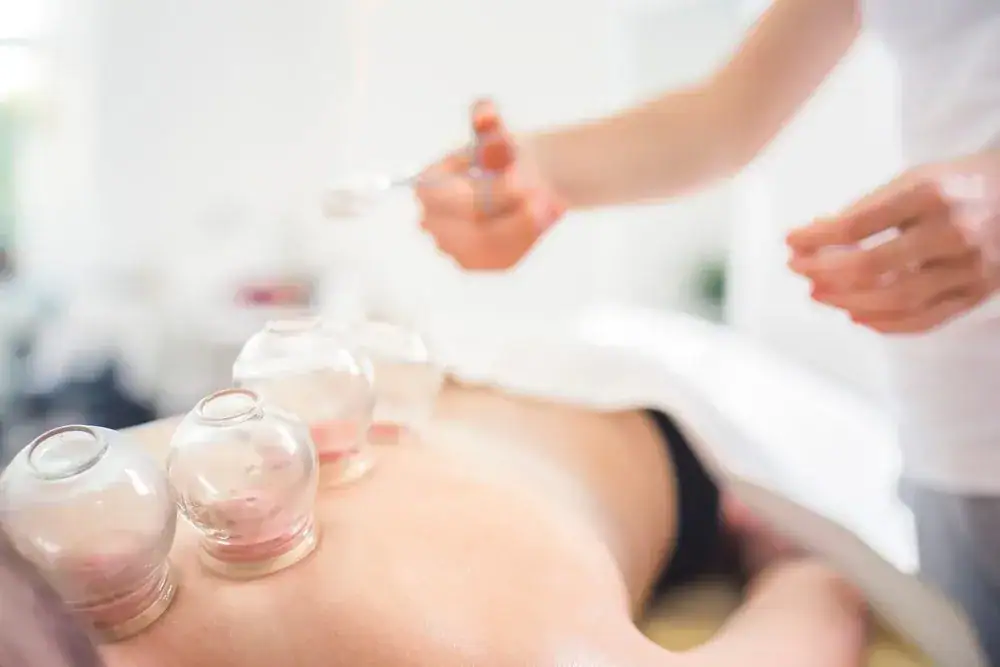
Dry cupping is what we use in our physical therapy settings. It involves placing cups on your skin and creating suction—no needles, no incisions, no blood removal. The cups stay in place or are moved across your muscles to release tension and improve circulation.
Wet cupping, by contrast, involves making small cuts in the skin and using suction to draw out small amounts of blood. That’s not something we perform as physical therapists, and it’s not necessary for the therapeutic benefits most people are looking for.
Fire cupping is a traditional method where a flame briefly heats the inside of a glass cup before it’s placed on the skin, creating suction as it cools. Modern dry cupping typically uses silicone or plastic cups with manual or mechanical pumps for more controlled suction. Both create the same decompression effect—we just have more precision with contemporary equipment.
You’ll likely have circular marks where the cups were placed, but they’re not technically bruises. Bruises happen when blood vessels break and leak into surrounding tissue. Cupping marks are caused by blood being drawn to the surface—the vessels aren’t damaged.
The marks can range from light pink to deep purple depending on how much stagnation or tension was in that area. Areas with more restricted blood flow or chronic tightness tend to show darker marks. They typically fade within 3-7 days and aren’t painful.
If you’re concerned about visible marks for an upcoming event, let your therapist know before treatment. We can adjust the suction intensity or choose placement areas that are easier to cover with clothing. The marks are a normal part of the therapy and actually indicate that increased circulation is happening in areas that needed it.
Many people feel some difference immediately after their first session—reduced muscle tightness, easier movement, or less pain intensity. That initial relief can last anywhere from a few hours to several days depending on how chronic your condition is.
For lasting improvement, most conditions require 4-8 sessions over several weeks. Chronic pain that’s been present for months or years won’t resolve in one treatment. Your body needs time to respond to the increased circulation, reduce inflammation, and allow tissues to heal properly.
Your progress depends on several factors: the severity of your condition, how well you follow through with home exercises, whether you’re addressing contributing factors like posture or movement patterns, and how your body individually responds to treatment. Your physical therapist will reassess regularly and adjust your treatment frequency based on measurable improvements in pain levels and range of motion.
Cupping therapy is often covered when it’s performed by a licensed physical therapist as part of a physical therapy treatment plan. It’s typically billed under your physical therapy benefits, not as a separate alternative medicine service.
Coverage varies by insurance plan, so you’ll want to verify your specific benefits before starting treatment. Most plans cover a certain number of physical therapy visits per year, and cupping would be included within those visits when medically necessary for your diagnosed condition.
We handle insurance verification and can tell you what your expected costs will be before you begin treatment. If you have a high deductible or limited PT benefits remaining, we’ll discuss that upfront so there are no surprises. Some patients choose to pay out-of-pocket for maintenance sessions after their insurance benefits are exhausted, particularly if cupping has been effective for managing chronic conditions.
Yes, particularly for muscle strains, overuse injuries, and recovery between intense training periods. Athletes use cupping therapy to reduce muscle soreness, improve flexibility, and speed up recovery time. The increased blood flow helps deliver oxygen and nutrients to damaged tissue while removing metabolic waste products that contribute to soreness.
For Ocean Beach residents active in water sports, beach volleyball, running on sand, or other physically demanding activities, cupping can address the specific muscle groups that take the most stress. Swimmers often benefit from cupping on shoulders and upper back. Runners might focus on calves, IT bands, and hip flexors.
Timing matters with sports injuries. Acute injuries—something that just happened—need different treatment than chronic overuse issues. Your physical therapist will determine when cupping is appropriate in your recovery timeline and combine it with other interventions like strengthening exercises, manual therapy, and movement retraining to address why the injury happened in the first place. The goal isn’t just healing the current injury, but preventing the next one.
Other Services we provide in Ocean Beach