


You wake up without that familiar stiffness in your neck. You reach for something on a high shelf without wincing. You finish your workout without spending the next two days recovering.
That’s what effective pain management looks like. Not just masking symptoms, but actually improving how your body moves and heals.
Cupping therapy works by increasing blood flow to restricted areas, breaking up fascial adhesions, and helping your muscles release tension they’ve been holding for months or years. The suction created during treatment pulls fresh oxygen and nutrients into tissues that have been starved of proper circulation. This isn’t about temporary relief that fades by tomorrow. It’s about giving your body what it needs to actually recover.
You’ll notice the difference in how you move. Tasks that used to hurt become manageable again. Sleep improves because you’re not constantly adjusting to find a comfortable position. Your range of motion expands, and that nagging limitation you’ve been working around starts to fade.
We operate multiple therapy centers across Long Island, including locations serving North Lynbrook and the surrounding Nassau County communities. We’ve built our reputation on transparent care and proven results, not marketing promises.
Our approach combines evidence-based techniques with personalized treatment plans. Every patient gets individual attention from licensed physical therapists who understand that your pain affects every part of your life. We don’t rush appointments or use cookie-cutter protocols.
North Lynbrook residents deal with everything from desk job tension to sports injuries to age-related mobility issues. We see it all, and we’ve developed treatment strategies that actually work for the active professionals, athletes, and seniors who live here. Your care stays in experienced hands from your first visit through your last.
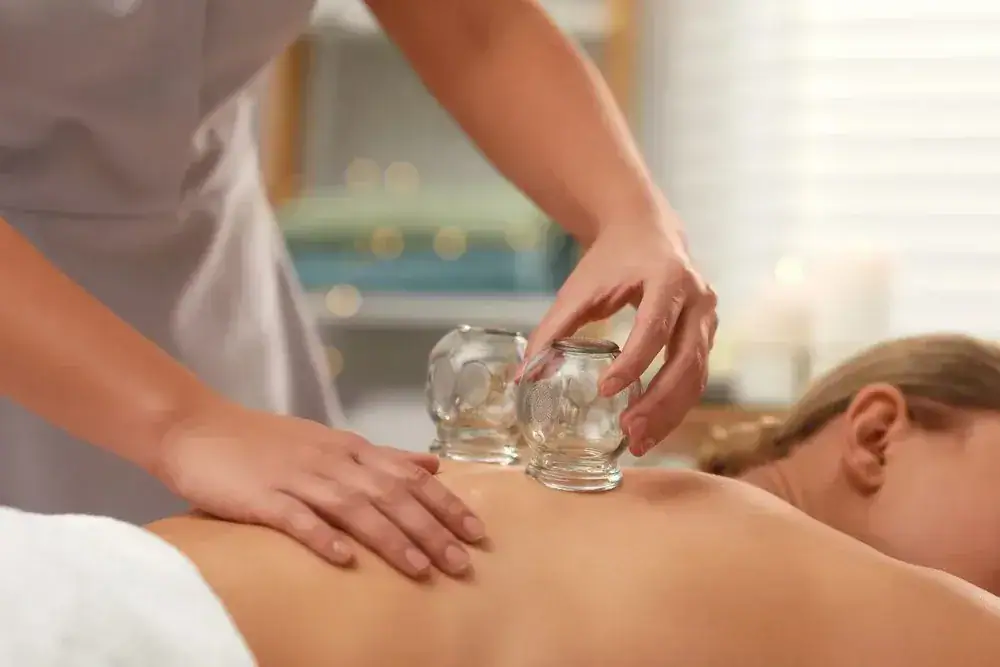
Your first visit starts with an evaluation. We need to understand where your pain comes from, what makes it worse, and what you’ve already tried. This isn’t a five-minute chat. We take time to assess your movement patterns, identify restrictions, and figure out the real source of your discomfort.
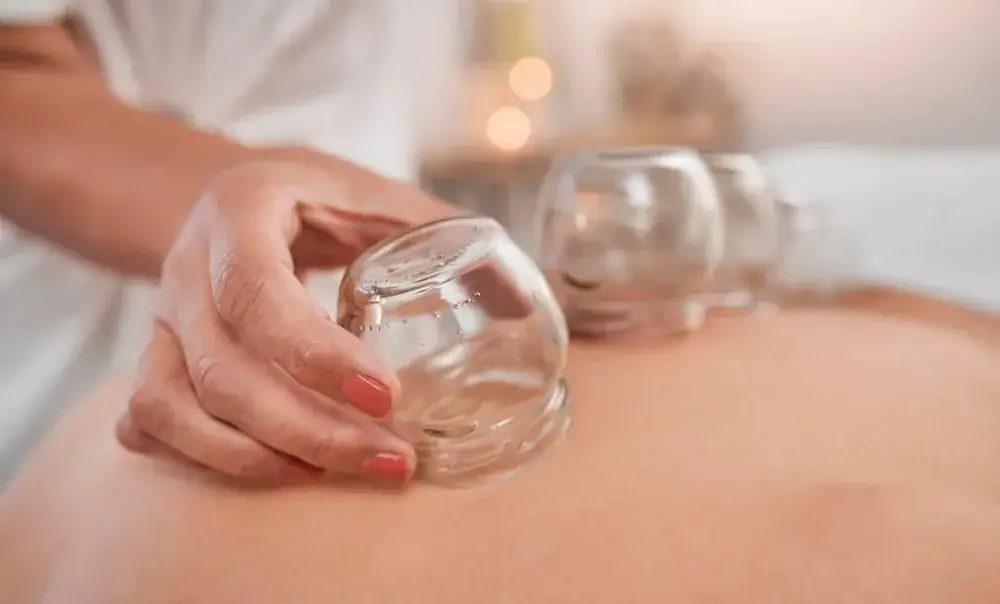
Once we know what we’re dealing with, we create a treatment plan. Cupping therapy often works best when combined with other physical therapy techniques. We might use dry cupping, where suction cups are placed on specific areas to increase circulation and release tight fascia. Or we might incorporate movement while the cups are in place to address deeper restrictions.
During the treatment itself, you’ll feel a pulling sensation as the cups create suction. It’s not painful. Most people find it surprisingly relaxing once they get past the initial unfamiliarity. The cups stay in place for several minutes, and you might see circular marks afterward. Those marks aren’t bruises, they’re a sign of increased blood flow to the area, and they fade within a few days.
After your session, we’ll talk about what you should expect. Some people feel immediate relief. Others notice gradual improvement over the next few days as inflammation decreases and mobility improves. We’ll schedule follow-up treatments based on how your body responds and adjust our approach as needed.
Ready to get started?
Cupping therapy at our North Lynbrook location isn’t a standalone service. It’s part of a comprehensive physical therapy approach designed around your specific condition. You’re not just getting cups placed on your back for ten minutes. You’re getting a full evaluation, targeted treatment, and ongoing adjustments based on your progress.
We use multiple cupping techniques depending on what your body needs. Dry cupping addresses surface-level muscle tension and improves circulation. Myofascial decompression targets deeper fascial restrictions that limit your range of motion. We might combine cupping with manual therapy, therapeutic exercise, or other modalities to maximize your results.
North Lynbrook has a strong healthcare infrastructure, but that also means you have plenty of options. What sets effective treatment apart is the skill of the practitioner and their willingness to adapt. We don’t follow rigid protocols. If something isn’t working, we change course. If you’re progressing faster than expected, we adjust your plan accordingly.
You’ll also get education about what’s happening in your body and what you can do between sessions to support your recovery. We’re not interested in creating dependency. The goal is to get you better and keep you better, which means teaching you how to maintain the improvements we make together.
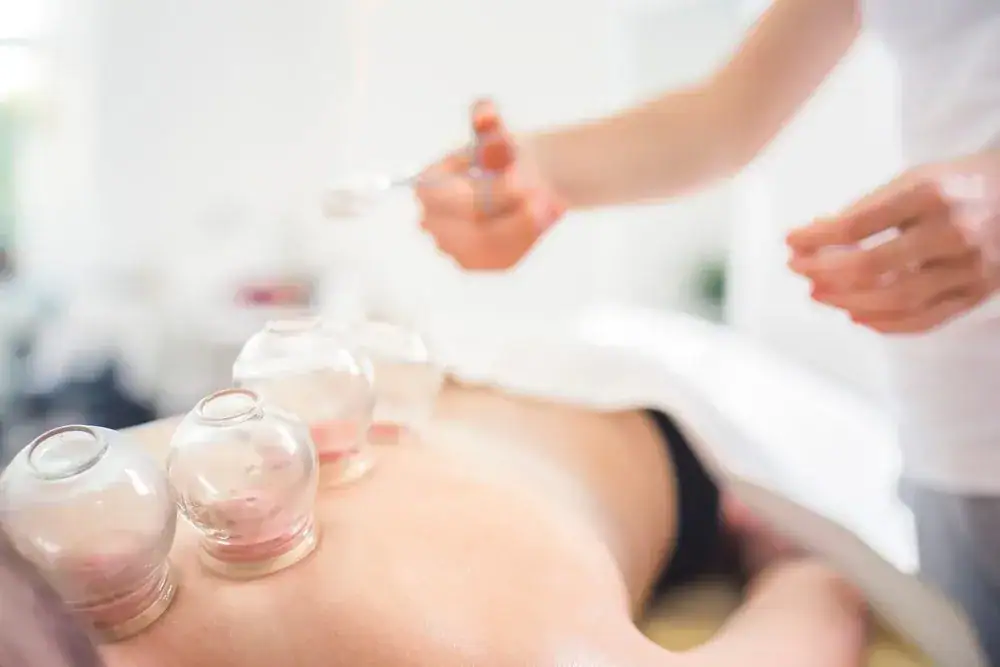
Yes, but not for everyone, and not as a standalone treatment. Research shows cupping therapy can significantly reduce chronic low back pain when combined with other physical therapy interventions. The key word there is “combined.”
Cupping increases blood flow to restricted areas, which helps reduce inflammation and promotes healing in tissues that aren’t getting adequate circulation. For chronic back pain, this matters because many cases involve tight muscles, fascial restrictions, and poor movement patterns that have developed over months or years. Cupping addresses the tissue quality issue while other therapies address the movement and strength components.
You’ll typically see the best results when cupping is part of a broader treatment plan that includes manual therapy, targeted exercises, and movement education. Some patients experience noticeable relief after just one or two sessions. Others need several weeks of consistent treatment before they feel significant improvement. It depends on how long you’ve had the pain, what’s causing it, and how your body responds to treatment.
You’ll likely see circular marks where the cups were placed, but they’re not bruises in the traditional sense. Bruises happen when blood vessels break and leak into surrounding tissue. Cupping marks appear because the suction draws blood to the surface, increasing circulation in that area.
The marks can range from light pink to deep purple depending on how much stagnation or restriction exists in the tissue. Areas with poor circulation or chronic tension tend to show darker marks. These typically fade within three to seven days and aren’t painful.
If you’re concerned about visible marks, let us know before treatment. We can adjust the suction intensity or place cups in areas that won’t be visible. That said, most patients stop worrying about the marks once they experience the pain relief. The temporary discoloration is a small trade-off for actually feeling better.
It depends entirely on your condition, how long you’ve had it, and how your body responds to treatment. Some patients with acute muscle tension feel significantly better after two or three sessions. Others dealing with chronic pain or complex movement restrictions need several weeks of consistent treatment.
During your initial evaluation, we’ll give you a realistic timeline based on what we’re seeing. We’re not going to string you along with vague promises or unnecessary visits. If you’re not making progress within a reasonable timeframe, we’ll reassess and adjust our approach.
Most treatment plans involve one to two sessions per week initially, then we space them out as you improve. The goal isn’t to keep you coming indefinitely. It’s to get you to a point where you can manage your symptoms independently and only come back if something flares up. We’ll teach you maintenance strategies and exercises you can do at home to support the work we’re doing in the clinic.
Absolutely. Athletes use cupping therapy to speed up recovery between training sessions and reduce exercise-induced muscle soreness. The increased circulation helps clear metabolic waste products like lactic acid that build up in muscles during intense activity.
When you push your body hard, your muscles develop micro-tears and accumulate byproducts that contribute to that heavy, sore feeling. Cupping accelerates the removal of these waste products and delivers fresh oxygen and nutrients to the tissue, which speeds up the repair process. Many athletes notice they can train harder and recover faster when cupping is part of their routine.
That said, cupping isn’t a magic fix that lets you skip proper warm-ups, cool-downs, and rest days. It’s a tool that enhances your body’s natural recovery process. We often combine it with other recovery strategies like targeted stretching, mobility work, and strength training to address any underlying imbalances or weaknesses that might be contributing to excessive soreness or injury risk.
It depends on your specific insurance plan and how the service is billed. When cupping is provided as part of a physical therapy treatment plan, many insurance companies will cover it under your physical therapy benefits. It’s typically not covered as a standalone service.
We recommend calling your insurance company before your first visit to ask about coverage for physical therapy services that include cupping or myofascial decompression. Get the details about your deductible, copay, and any visit limits. Some plans cover a certain number of physical therapy visits per year, while others require prior authorization.
If your insurance doesn’t cover cupping therapy, or if you have a high deductible plan, you might be able to use your Health Savings Account or Flexible Spending Account to pay for treatment. Many patients also find that even if they’re paying out of pocket, the cost is worth it when compared to months of ineffective treatments or ongoing medication expenses. We’ll work with you to understand your options and create a treatment plan that makes sense for your situation.
Cupping therapy tends to work best for musculoskeletal conditions involving muscle tension, fascial restrictions, and poor circulation. Chronic neck pain, upper back tension, low back pain, and shoulder tightness typically respond well. We also see good results with conditions like tension headaches that stem from tight neck and shoulder muscles.
Athletes dealing with repetitive strain injuries or persistent muscle soreness often benefit from cupping. It’s also effective for people who sit at desks all day and develop that characteristic upper back and neck tension. Fibromyalgia patients sometimes find relief when cupping is combined with other gentle manual therapy techniques.
That said, cupping isn’t appropriate for every condition. It won’t fix structural problems like herniated discs or bone spurs, though it might help manage the muscle tension that develops around those issues. During your evaluation, we’ll be honest about whether cupping is likely to help your specific situation. If we don’t think it’s the right approach, we’ll tell you what would work better. You deserve straightforward answers, not treatments that sound good but won’t actually solve your problem.
Other Services we provide in North Lynbrook