


You’re dealing with pain that won’t quit. Maybe it’s your lower back after a long day. Maybe it’s neck tension that makes turning your head a chore. Or maybe you’re an athlete trying to recover faster between training sessions.
Cupping therapy works by increasing blood flow to tight, painful areas. The suction created by the cups pulls fresh blood and oxygen into muscles that have been starved of circulation. This helps reduce inflammation, loosens adhesions in your fascia, and gives your body what it needs to actually heal instead of just masking symptoms.
Most people notice less pain and better range of motion within the first few sessions. You’ll likely feel looser, move easier, and start doing things you’ve been avoiding because they hurt too much. That’s not a sales pitch—it’s what happens when you address the root cause of muscle tension and restricted movement.
The difference with dry cupping as part of physical therapy? You’re not just getting cups placed on your back. You’re getting a licensed therapist who understands biomechanics, movement patterns, and how to integrate cupping into a complete treatment plan that actually gets you better.
We’ve been providing home-based physical therapy to North Haven, NY residents for over a decade. We bring the same level of professional care you’d get in a clinic directly to your living room.
Our therapists are licensed, trained in modern cupping techniques, and experienced in treating chronic pain, sports injuries, and post-surgical recovery. We accept Medicare and most commercial insurance, which means you’re not paying out of pocket for quality care.
North Haven residents choose us because getting to a clinic isn’t always easy—especially when you’re already in pain. We remove that barrier. You get professional treatment in your own space, on your schedule, without the commute or waiting room.
Your first session starts with an evaluation. Your therapist will ask about your pain, your medical history, and what movements are giving you trouble. This isn’t a formality—it’s how we figure out if cupping is right for you and where to focus treatment.
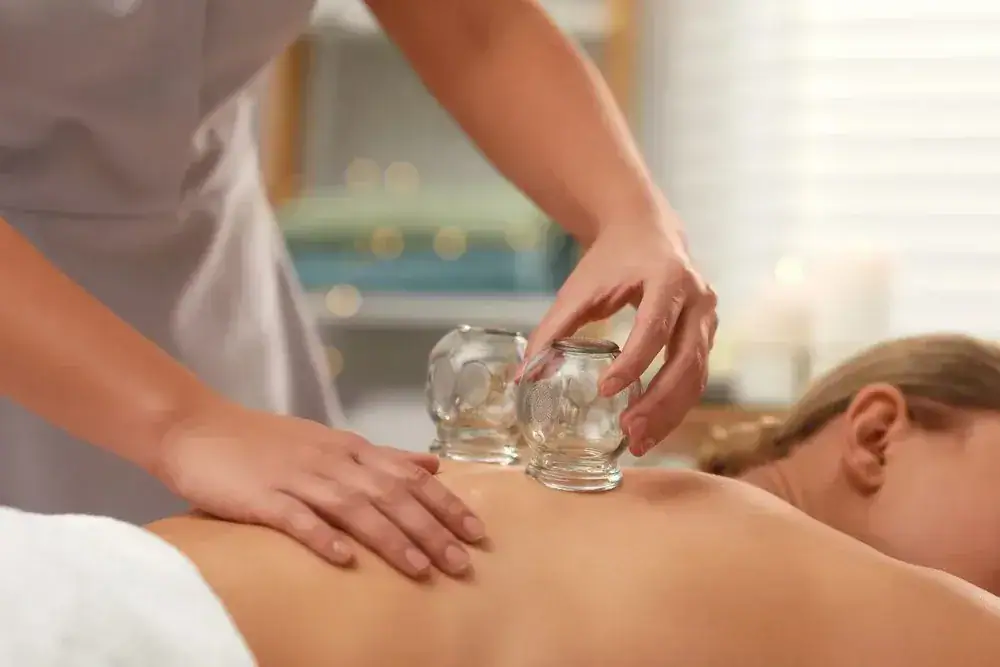
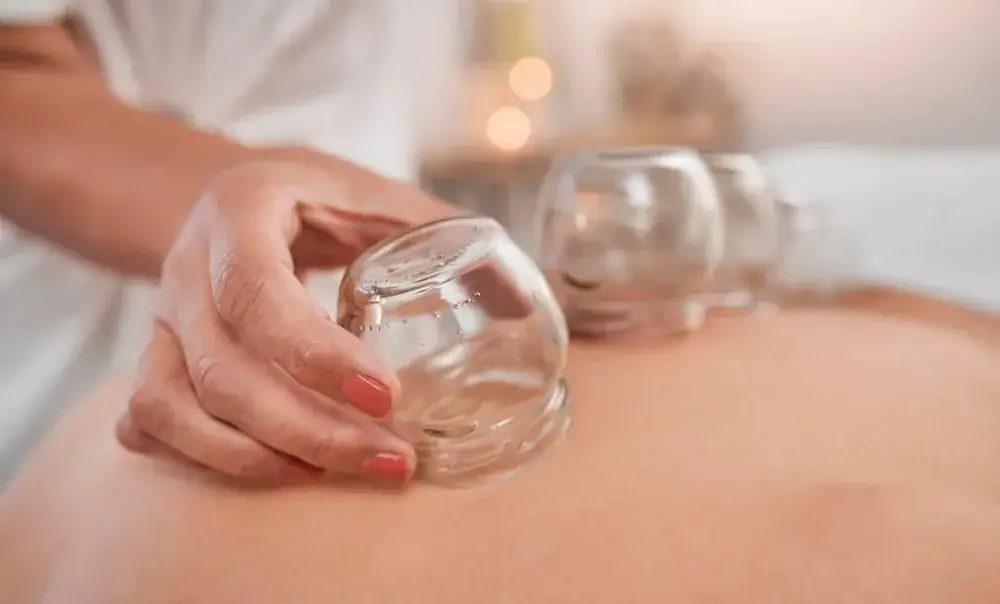
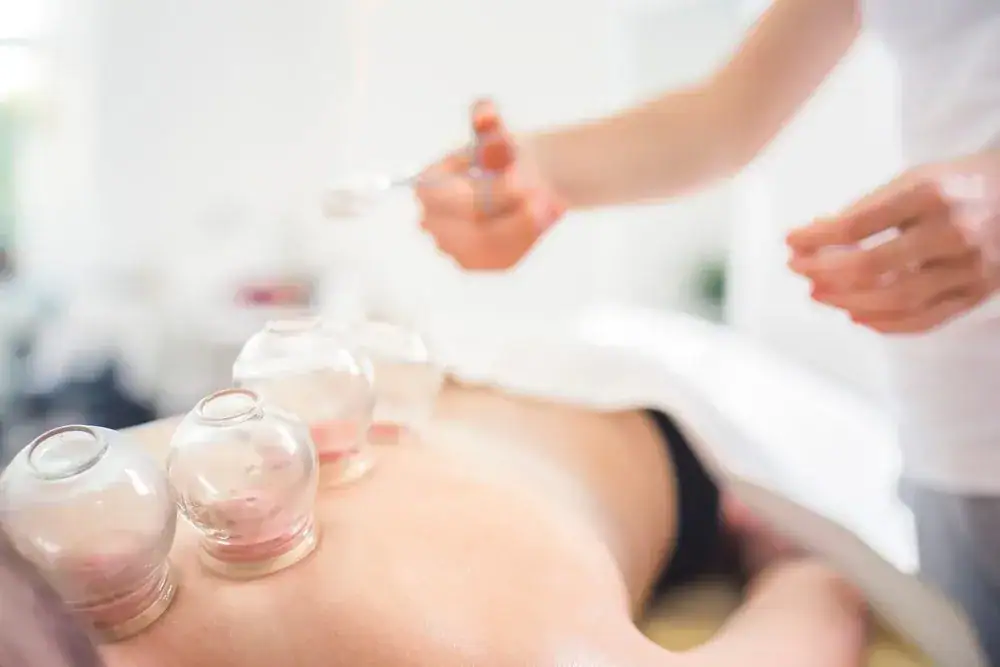
During the actual cupping session, your therapist places specialized cups on targeted areas of your body. The cups create suction that draws blood to the surface and decompresses tight tissue. You’ll feel a pulling sensation, but it shouldn’t hurt. Most people find it surprisingly relaxing.
Sessions typically last 30 to 45 minutes. The cups might stay in one place, or your therapist might move them across your muscles depending on what you need. Afterward, you might have circular marks where the cups were—that’s normal and fades within a few days.
Your therapist will likely combine cupping with other physical therapy techniques like stretching, manual therapy, or targeted exercises. The goal isn’t just temporary relief—it’s to improve how your body moves so the pain doesn’t keep coming back.
Ready to get started?
Cupping works especially well for chronic lower back pain, neck stiffness, and shoulder tension. If you’ve been dealing with pain for months or years and haven’t found lasting relief, this might be the missing piece.
Athletes in North Haven use cupping for faster muscle recovery and to treat exercise-induced soreness. If you’re training hard and your muscles aren’t bouncing back like they used to, cupping can help speed up that process by improving circulation and reducing inflammation.
People recovering from surgery or injury often add cupping to their rehab plan. It helps improve range of motion and breaks up scar tissue that limits movement. If you’re stuck in your recovery and not progressing, cupping might help you get over that plateau.
You don’t need to be an athlete or have a specific diagnosis to benefit. If you have muscle tension, limited mobility, or chronic pain that’s affecting your daily life, cupping therapy is worth considering. It’s non-invasive, drug-free, and when administered by a licensed physical therapist, it’s a legitimate treatment option—not just a wellness trend.
Yes, when it’s done correctly by a licensed therapist as part of a physical therapy plan. Cupping increases blood circulation to areas that aren’t getting enough oxygen and nutrients, which helps reduce inflammation and muscle tension.
Clinical studies show cupping can provide both short-term and long-term pain relief, especially for musculoskeletal conditions like back pain, neck pain, and muscle stiffness. It’s not a cure-all, but it’s effective for the right conditions.
The key is integration. Cupping works best when combined with other treatments like stretching, strengthening exercises, and manual therapy. That’s why getting it from a physical therapist—not just a spa—makes a real difference in your results.
You’ll feel a pulling or tugging sensation where the cups are placed, but it shouldn’t be painful. Most people describe it as a deep pressure that’s actually pretty relaxing once you get used to it.
If a cup feels too tight or uncomfortable, tell your therapist immediately. They can adjust the suction level. The goal is therapeutic tension, not pain.
After your session, the areas that were cupped might feel a little tender—similar to how muscles feel after a deep tissue massage. You’ll also likely have circular marks that look like bruises. These aren’t actually bruises (there’s no tissue damage), and they typically fade within three to seven days.
Most people notice some improvement after two to three sessions, but lasting results usually take longer. If you’re dealing with chronic pain that’s been building for months or years, expect a treatment plan of six to eight sessions at minimum.
Your therapist will evaluate your progress and adjust the plan as you go. Some conditions respond quickly—acute muscle soreness might improve in just a few sessions. Chronic issues like long-term back pain or restricted mobility typically need more consistent treatment.
The honest answer is it depends on your specific condition, how long you’ve had it, and how well you follow through with any home exercises your therapist gives you. Cupping isn’t a one-and-done fix, but it’s also not an endless commitment if you’re working with someone who knows what they’re doing.
When cupping is performed by a licensed physical therapist as part of your treatment plan, it’s typically covered under your physical therapy benefits. We accept Medicare and most commercial insurance plans.
Coverage depends on your specific plan and whether you’ve met your deductible. We recommend calling your insurance company to verify your physical therapy benefits before your first session.
What matters is that cupping is being administered as a legitimate therapeutic technique, not as a standalone wellness service. That’s the difference between insurance covering it and you paying out of pocket. Since our therapists are licensed and cupping is integrated into your physical therapy care plan, most patients have coverage.
Yes. We bring cupping therapy directly to your home in North Haven, NY. You don’t need to drive to a clinic or sit in a waiting room.
Home-based therapy is especially helpful if you have mobility issues, chronic pain that makes travel difficult, or a busy schedule that doesn’t allow for clinic appointments. You get the same professional treatment in a more comfortable, convenient setting.
Your therapist brings all the necessary equipment and provides the same level of care you’d receive in an outpatient clinic. The only difference is location—and for most people, that makes it easier to stay consistent with treatment, which leads to better outcomes.
Dry cupping uses suction alone—no needles, no blood, no incisions. The cups create negative pressure that pulls tissue upward, increasing blood flow and decompressing tight muscles and fascia.
Wet cupping involves making small cuts in the skin and using suction to draw out a small amount of blood. This is less common in physical therapy settings and isn’t what most people need for musculoskeletal pain.
In a physical therapy context, dry cupping is the standard approach. It’s non-invasive, effective for pain relief and muscle tension, and integrates well with other manual therapy techniques. Your therapist might keep the cups stationary or move them across your skin depending on your treatment goals. Both methods are considered dry cupping.
Other Services we provide in North Haven