
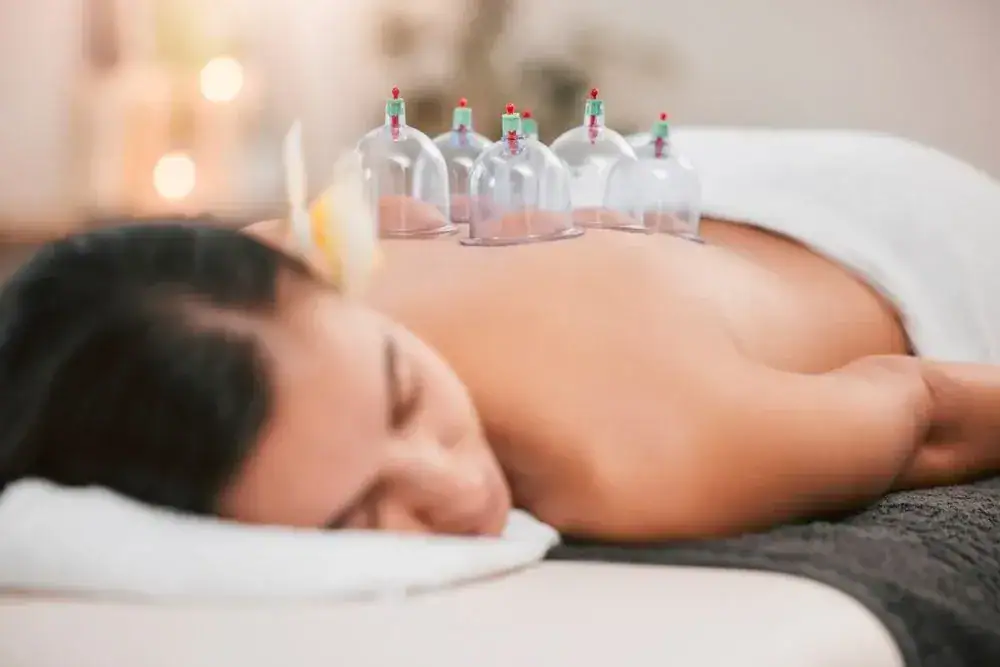

Your back stops screaming every time you stand up. Your shoulders drop away from your ears. You can turn your neck to check your blind spot without wincing.
That’s what cupping therapy does when it’s done right. The suction pulls blood to the surface, loosens muscle fibers that have been locked up for months, and gives your body the circulation boost it needs to actually heal—not just mask the problem.
You’re not looking for temporary relief. You want to move through your day without constantly adjusting how you sit, stand, or sleep. Cupping works alongside physical therapy to reduce inflammation, improve range of motion, and help you get back to normal faster than pain meds or hoping it goes away on its own.
Most people notice less tension after one session. By the third or fourth, they’re doing things they’d written off as too painful to bother with anymore.
First visit starts with an assessment. We need to know where the pain is, how long you’ve had it, and what you’ve already tried. This isn’t a massage appointment—it’s physical therapy, and we treat it that way.
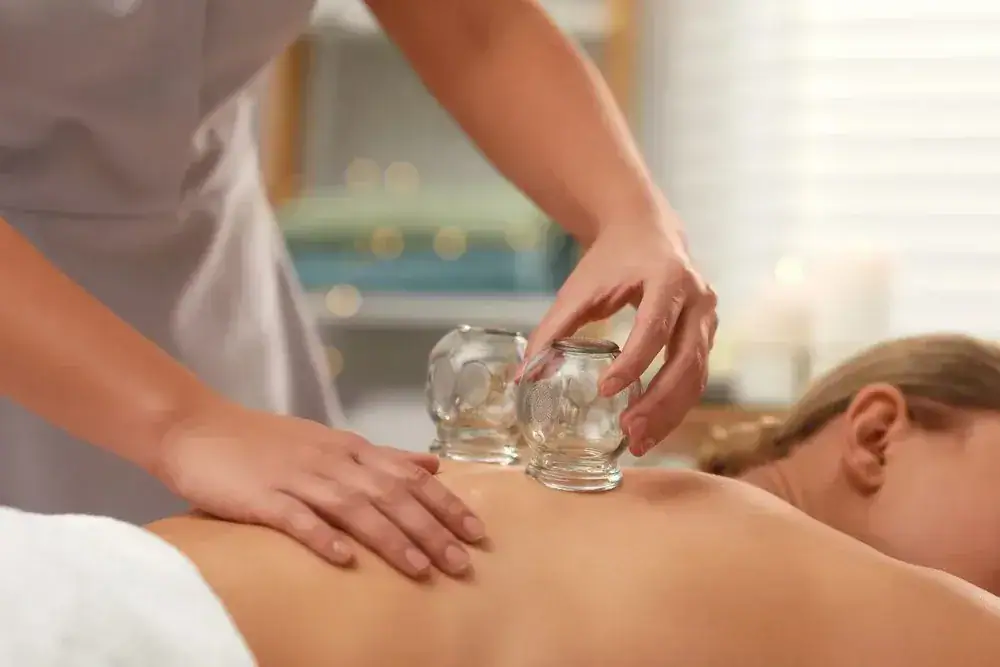
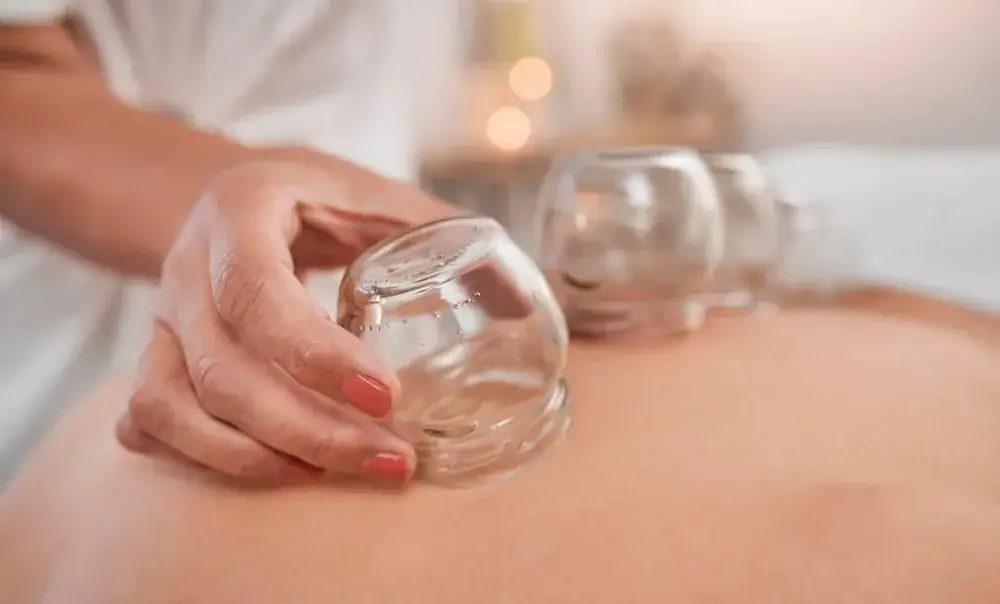
Once we map out the problem areas, we place cups on your skin using suction. Dry cupping means no needles, no incisions—just controlled negative pressure that draws blood flow to tight or inflamed muscles. You’ll feel a pulling sensation, but it shouldn’t hurt. Most people find it oddly relaxing.
We leave the cups in place for 5 to 15 minutes depending on what your body needs. When we remove them, you’ll see circular marks—that’s normal and they fade within a few days. What matters more is how your muscles feel: looser, less restricted, easier to move.
After cupping, we often integrate stretching or other physical therapy techniques to maximize results. This isn’t a one-and-done miracle cure. It’s a tool that works best when combined with a real treatment plan. Most patients do weekly sessions for 4 to 6 weeks, then taper off as pain decreases and function improves.
Ready to get started?
Cupping therapy helps with chronic back pain, neck tension, shoulder stiffness, and muscle soreness that won’t quit. It’s especially useful if you’ve been dealing with pain for months and medications aren’t cutting it anymore.
In North Amityville and across Long Island, we’re seeing more people turn to non-pharmaceutical options. That makes sense when you consider that nearly 1 in 5 Americans live with chronic pain, and opioid dependency is a real concern. Cupping gives you another option—one that’s low-risk when performed by trained professionals.
We also use cupping alongside physical therapy for patients recovering from injuries or managing conditions like arthritis. The improved blood flow helps tissue repair. The muscle relaxation makes it easier to do the exercises that actually rebuild strength and mobility.
You’re not just paying for 15 minutes of suction. You’re getting a licensed therapist who understands pain management, knows when cupping is appropriate, and can adjust treatment based on how your body responds. That’s the difference between cupping at a spa and cupping as part of real physical therapy.
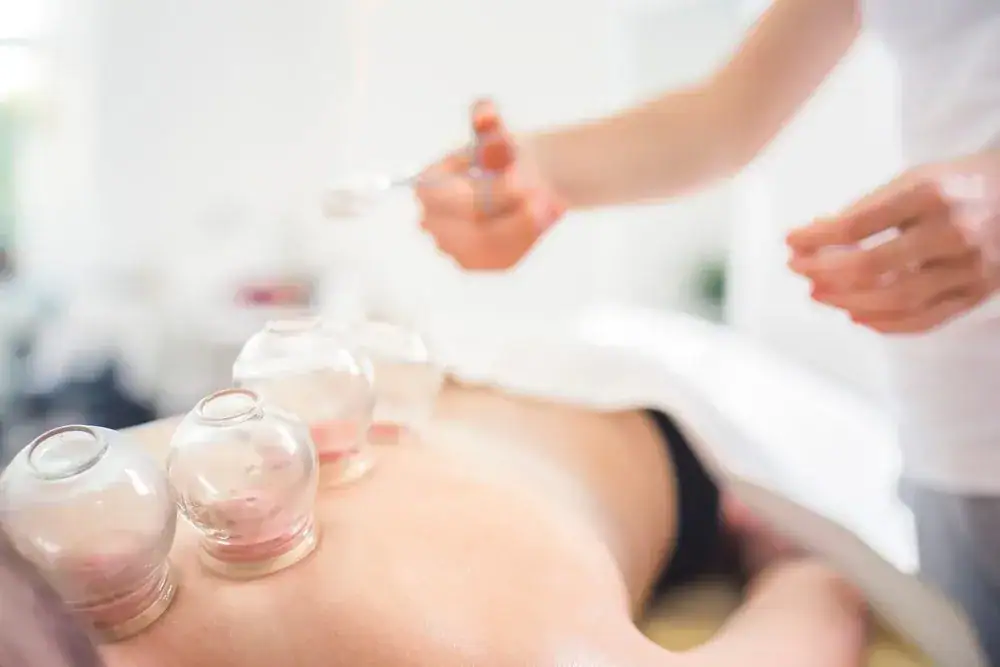
Yes, but not in the way most people think. Cupping doesn’t magically erase pain—it improves circulation and releases muscle tension, which helps your body heal more effectively. Research shows moderate-quality evidence that cupping reduces pain for chronic back issues, especially when combined with physical therapy.
Here’s what happens: the suction draws blood to areas that aren’t getting enough circulation. That increased blood flow brings oxygen and nutrients while flushing out waste products that build up in tight, inflamed muscles. Over time, this helps reduce pain and improve how your back moves.
Most patients with chronic back pain notice a difference after 3 to 4 sessions. You won’t walk out of your first appointment pain-free, but you should feel less restricted and more able to move without guarding. The key is consistency—cupping works best as part of an ongoing treatment plan, not a one-time fix.
Cupping is safe when performed by licensed professionals who know what they’re doing. The circular marks you see after treatment are not bruises—they’re caused by blood being drawn to the surface. They look dramatic, but they don’t hurt and they fade within 3 to 7 days.
The risks are minimal. Some people experience temporary skin irritation or mild discomfort during treatment, but serious side effects are rare. We don’t use cupping on patients with certain conditions like active skin infections, bleeding disorders, or very fragile skin.
Professional athletes use cupping regularly, and there’s a reason for that: when done correctly, it’s a low-risk therapy that supports recovery without the side effects of medication. We assess every patient before starting treatment to make sure cupping is appropriate for their specific situation. If it’s not the right fit, we’ll tell you and recommend something else.
Cost depends on whether cupping is part of a covered physical therapy session. We accept Medicare, and when cupping is integrated into your physical therapy treatment plan, it’s often covered under your existing benefits.
If you’re paying out of pocket, expect to pay similar rates to a physical therapy session—typically between $75 and $150 depending on session length and complexity. That’s significantly less than ongoing pain medication costs or repeated doctor visits that don’t solve the underlying problem.
Here’s the bigger picture: people with chronic pain say they’d be willing to spend over $3,600 annually if a treatment could effectively manage their pain. Cupping therapy, especially when combined with physical therapy, offers real relief at a fraction of that cost. We verify your insurance coverage before starting treatment so you know exactly what to expect. No surprises.
Absolutely. Neck and shoulder tension respond particularly well to cupping because those areas tend to hold stress and develop trigger points that restrict movement. The suction releases trapped tension in muscle fibers and encourages them to relax in a way that stretching alone often can’t achieve.
If you’re someone who constantly feels like your shoulders are up by your ears, or you can’t turn your head without pain shooting down your neck, cupping addresses the root cause: muscles that have been contracted for so long they’ve forgotten how to let go.
We typically place cups along the upper back, shoulders, and neck area for 10 to 15 minutes. Patients often describe a deep sense of release during and after treatment—like pressure they didn’t even realize they were carrying suddenly lifts. Combined with targeted physical therapy exercises, cupping helps restore normal movement patterns and reduces the likelihood of tension coming back as quickly.
Training, intent, and integration. Spa cupping is usually about relaxation—it feels good, but it’s not designed to treat a specific medical condition. Physical therapy cupping is performed by licensed therapists who understand musculoskeletal anatomy, pain patterns, and how to integrate cupping into a comprehensive treatment plan.
We’re not just placing cups randomly on your back. We’re targeting specific muscles, trigger points, and areas of restricted movement based on a clinical assessment. We know when cupping will help, when it won’t, and what other therapies need to happen alongside it for real results.
Our therapists are trained in evidence-based techniques and follow protocols that prioritize safety and effectiveness. We document your progress, adjust treatment as needed, and coordinate with your doctor if necessary. That’s the difference between a wellness treatment and actual physical therapy. Both have value, but if you’re dealing with chronic pain or recovering from an injury, you want someone who knows how to treat the problem—not just make you feel good for an hour.
Most people feel some improvement after the first session—usually less muscle tension and better range of motion. But real, lasting results take time. Plan on 4 to 6 weeks of consistent treatment to see significant changes in pain levels and function.
Here’s why: cupping improves circulation and releases tight muscles, but your body still needs time to heal. If you’ve been dealing with chronic pain for months or years, one session isn’t going to undo all that damage. What it will do is start the process and give your body the support it needs to recover more effectively.
By week three or four, most patients notice they’re moving more easily, sleeping better, and relying less on pain medication. The key is sticking with the treatment plan and doing any exercises or stretches we recommend between sessions. Cupping works—but it works best when you give it time and combine it with other physical therapy techniques that address the underlying cause of your pain.
Other Services we provide in North Amityville