

You’re not looking for temporary relief. You want to wake up without stiffness, reach without wincing, and get through your day without constantly adjusting how you move.
Cupping therapy increases blood flow to areas that have been tight, inflamed, or stuck for too long. That means less pain, better range of motion, and faster recovery from the things that keep pulling you back. Whether it’s chronic lower back pain, shoulder tension, or muscle soreness that won’t quit, dry cupping works by drawing fresh circulation to the tissue that needs it most.
Most people notice a difference within the first few sessions. Not just less pain—but actual improvement in how their body feels and functions. That’s what happens when you treat the source, not just the symptoms.
We’ve been serving Long Island since 2010, with affiliated centers like Physical Therapy Associates of Smithtown and Speonk Physical Therapy bringing decades of combined experience. We’re not a corporate chain. We’re local, licensed professionals who treat you like family—not a number.
Our team includes licensed physical therapists trained in cupping therapy as part of a broader, evidence-based approach to pain management and muscle recovery. We accept Medicare and most commercial insurance, and we offer both in-clinic and home-based therapy for Middle Island residents who need care that fits their life.
You’ll work with the same therapist throughout your treatment. That consistency matters when you’re trying to get better.
Your first visit starts with an evaluation. We’ll ask about your pain, your goals, and what’s been tried before. Then we’ll explain how cupping fits into your overall treatment plan—because it’s rarely used alone.
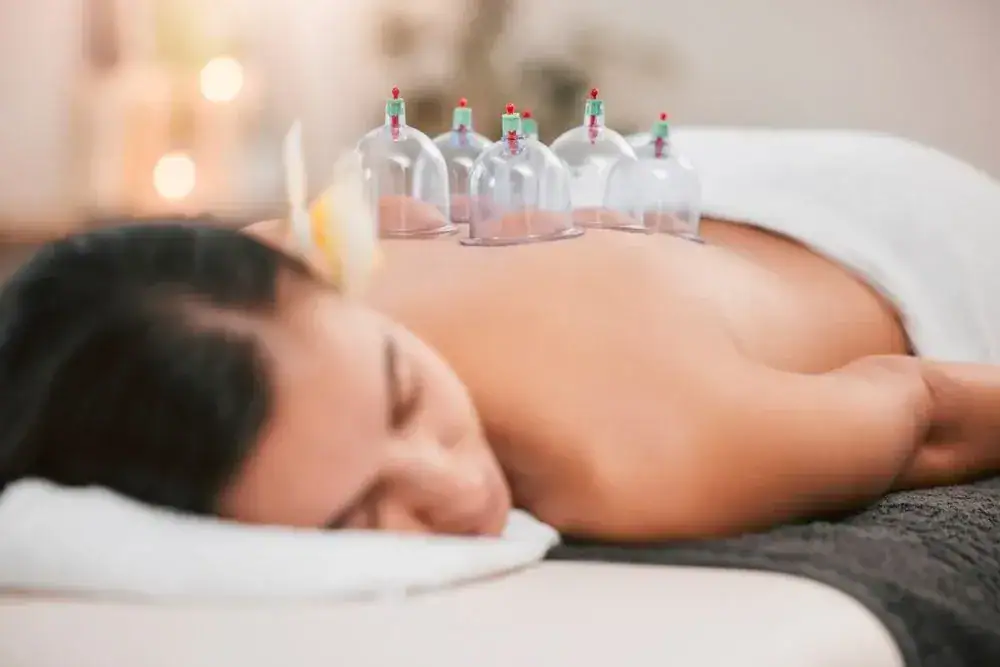
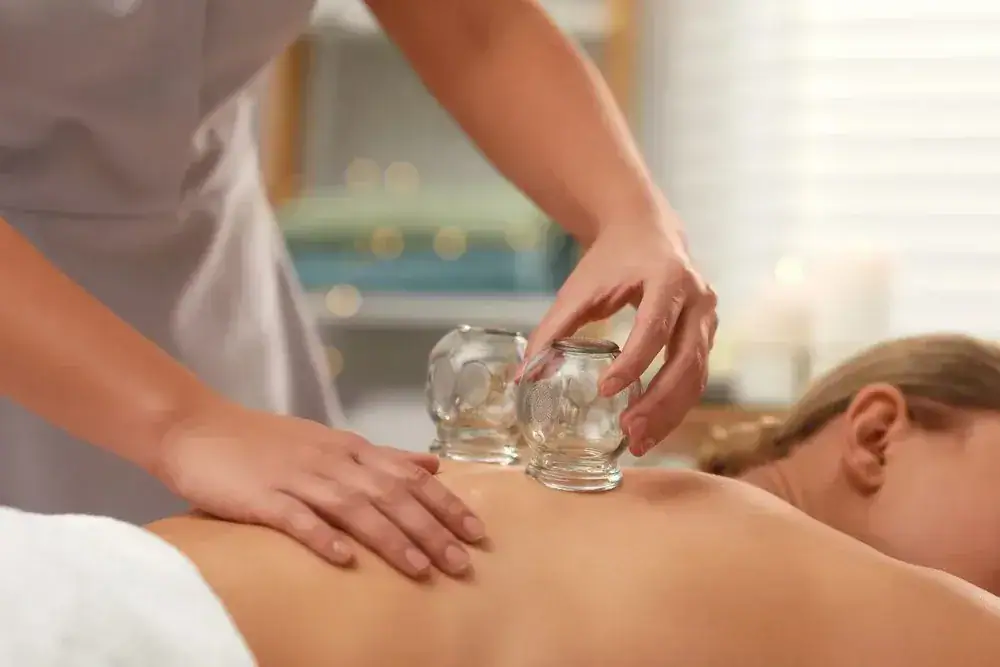
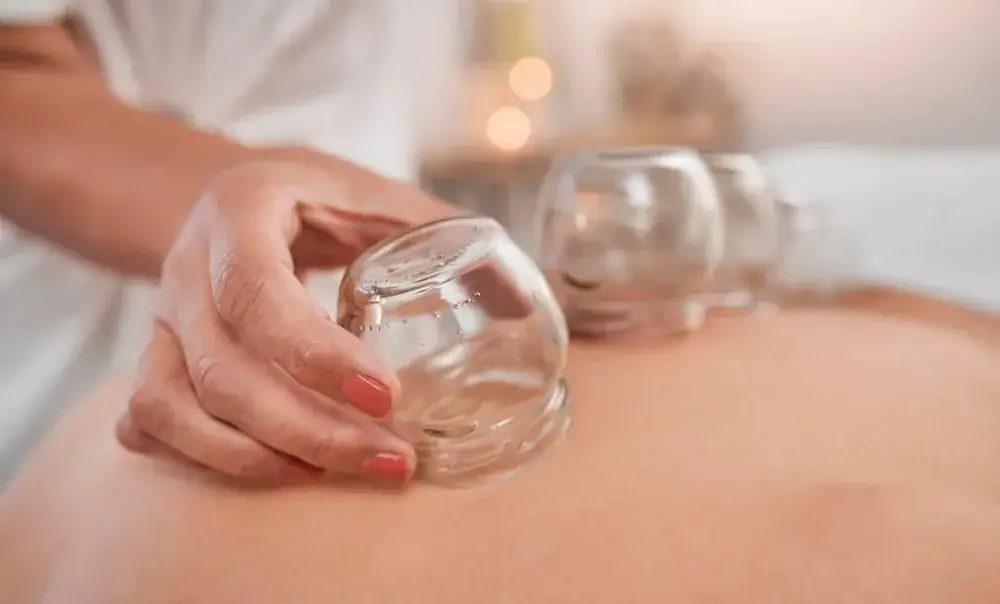
During a cupping session, small cups are placed on your skin to create suction. This pulls blood to the surface and helps release tension in the underlying muscle and fascia. The cups stay in place for 10 to 15 minutes. Most people describe it as slightly intense but strangely soothing—kind of like a deep tissue massage, but different.
You might notice circular marks afterward. Those aren’t bruises. They’re caused by small blood vessels expanding under the skin, and they fade within a few days to two weeks. It’s a normal part of the process.
We’ll often combine cupping with other physical therapy techniques—manual therapy, stretching, strengthening exercises—to give you the best shot at long-term results. Sessions typically last 60 minutes, and most treatment plans run between 4 and 8 weeks depending on your condition.
Ready to get started?
Cupping works well for chronic musculoskeletal pain—things like lower back pain, neck and shoulder tension, sciatica, arthritis discomfort, and sports-related injuries. It’s also effective for people recovering from surgery or dealing with limited mobility that’s affecting their daily routine.
In Middle Island and across Suffolk County, we see a lot of adults aged 35 to 65 dealing with pain that’s been building for years. Desk jobs, manual labor, old injuries that never fully healed. Nearly half of U.S. adults have some kind of musculoskeletal condition, and many are looking for alternatives to long-term medication use or surgery.
Athletes use cupping to speed up muscle recovery and reduce exercise-induced soreness. It’s the same technique Michael Phelps made famous during the Olympics—and it’s become a go-to for serious competitors and weekend warriors alike.
If you’ve tried conventional treatment and you’re still stuck, or if you’re just looking for a non-invasive option before considering something more aggressive, cupping therapy might be worth exploring. It’s covered by most insurance plans when performed by a licensed physical therapist as part of a documented treatment plan.
Yes—but it works best when combined with other physical therapy treatments. Research shows that cupping can significantly reduce pain in people with chronic musculoskeletal conditions, especially when used alongside manual therapy, exercise, and stretching.
The suction created by the cups increases blood circulation to areas that are inflamed or tight, which helps reduce muscle tension and improve tissue healing. That’s why many physical therapists use it for conditions like chronic lower back pain, neck stiffness, and shoulder impingement.
It’s not a magic fix. You’ll still need to do the work—strengthening, mobility exercises, lifestyle adjustments. But cupping can speed up recovery and give you enough relief to actually participate in your rehab without constant pain holding you back.
In most cases, yes—if it’s performed by a licensed physical therapist as part of a documented treatment plan. We accept Medicare and nearly all commercial insurance plans, and cupping is typically billed as part of your physical therapy visit.
Coverage depends on your specific plan, your diagnosis, and whether your doctor has referred you for physical therapy. New York allows direct access to physical therapists, which means you can start treatment without a prescription in many cases. But some insurance companies still require a referral for full coverage.
We’ll verify your benefits before your first visit and let you know what to expect. If you have questions about your plan or out-of-pocket costs, just ask. We handle insurance claims daily and can walk you through it.
The circular marks you see after cupping aren’t bruises—they’re caused by increased blood flow and the expansion of small blood vessels under your skin. They look dramatic, but they don’t hurt, and they’re actually a sign that the treatment is working.
Most marks fade within 3 to 14 days depending on your circulation and how your body responds. Some people barely mark at all. Others see darker circles that take a bit longer to clear. Neither is better or worse—it just depends on your tissue and how much stagnation was present.
If you’re concerned about visible marks for an event or work situation, let your therapist know ahead of time. We can adjust the intensity or placement of the cups, or schedule your session with enough time for the marks to fade.
Yes. We specialize in home-based physical therapy for patients who have difficulty traveling to a clinic due to mobility issues, transportation challenges, or scheduling constraints. We bring the same equipment and expertise to your home that you’d receive in our clinic.
Home therapy is especially helpful for older adults, people recovering from surgery, or anyone managing chronic pain that makes it hard to sit in a car or navigate a clinic setting. You’ll get one-on-one care in a comfortable environment, and we’ll work around your schedule.
Cupping is portable and easy to integrate into a home visit. We’ll combine it with other treatments as needed—manual therapy, therapeutic exercises, gait training—to give you a complete session without the stress of leaving your house.
Most people start noticing improvement within 2 to 4 sessions, but the total number depends on your condition, how long you’ve had it, and how your body responds to treatment. Acute injuries or muscle soreness might resolve in a few weeks. Chronic pain usually takes longer.
A typical treatment plan runs 6 to 12 sessions over 4 to 8 weeks. Your therapist will reassess your progress regularly and adjust the plan based on how you’re doing. If cupping isn’t helping after a few sessions, we’ll pivot to something else. We’re not interested in dragging out treatment that isn’t working.
The goal is to get you better and keep you better. That means teaching you what to do at home, how to prevent flare-ups, and when to come back if something changes. You’re not locked into endless appointments.
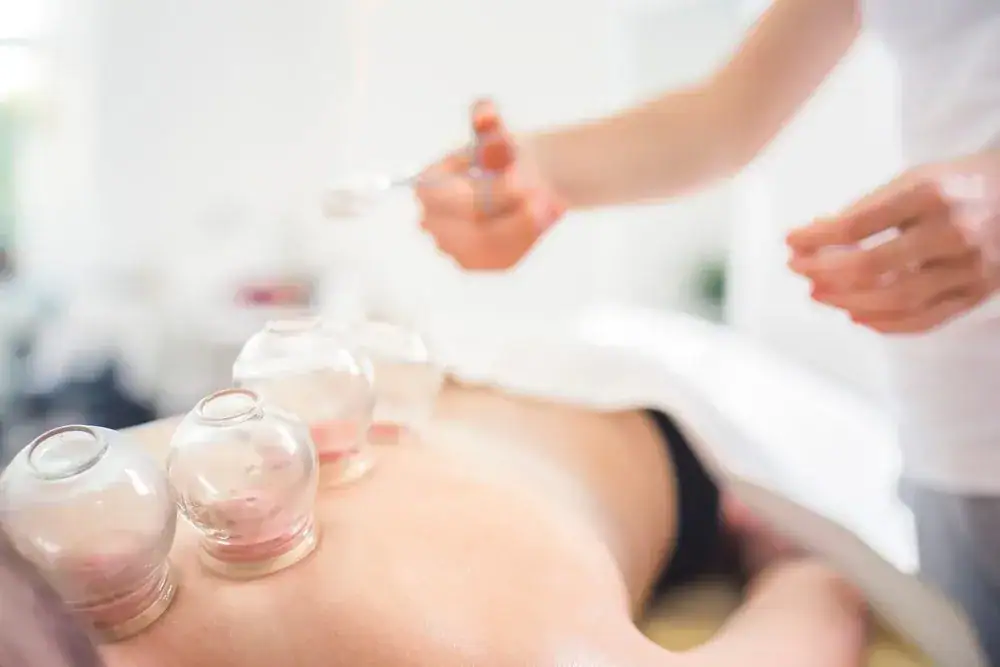
Dry cupping uses suction alone—no needles, no incisions, no blood. It’s the most common type used in physical therapy and the safest for most people. The cups create negative pressure that pulls tissue upward, increasing circulation and releasing muscle tension.
Wet cupping involves making small cuts in the skin to draw out a small amount of blood. It’s used in some traditional medicine practices, but it’s not something we offer or recommend in a physical therapy setting. Dry cupping gives you the same benefits without any breaking of the skin.
There’s also something called “moving cupping,” where the therapist applies oil to your skin and slides the cups around to release fascia and muscle knots. We use that technique when it makes sense for your condition. It’s all part of the same approach—just different applications depending on what your body needs.
Other Services we provide in Middle Island