

You sleep through the night without waking up to reposition. You reach for something on the top shelf without that sharp pull in your shoulder. You finish your workday without your lower back screaming at you.
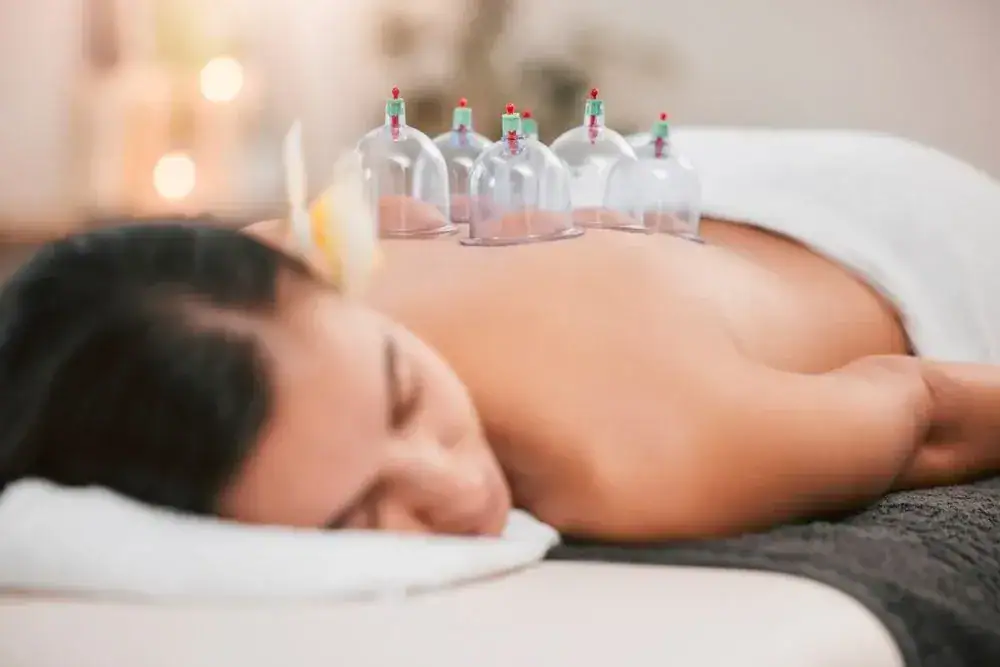
That’s what happens when muscle tension releases and blood flow improves to areas that have been tight, inflamed, or stuck for months. Cupping therapy works by creating suction on the skin, lifting tissue away from underlying muscles and fascia. This decompression increases circulation, reduces inflammation, and triggers your body’s natural healing response.
It’s not a temporary fix that wears off by dinner. When done correctly by a licensed physical therapist, dry cupping addresses the root cause of muscle pain and stiffness. You’re not masking symptoms—you’re giving your body the conditions it needs to recover and move the way it’s supposed to.
We’ve been treating patients across Long Island since 2010. Our physical therapists are state-licensed professionals trained in cupping therapy, myofascial decompression, and evidence-based pain management techniques.
We’re not a spa offering cupping as an add-on. This is clinical treatment administered by people who understand musculoskeletal anatomy, movement patterns, and how to integrate cupping into a comprehensive recovery plan. Every session is personalized based on your specific condition, pain level, and goals.
Merrick residents deal with the same issues we see across Nassau County—chronic back pain from long commutes, neck tension from desk work, sports injuries that linger longer than they should. We accept Medicare and most commercial insurance plans, and we manage our locations with the same attention to detail we bring to patient care. You’re working with a team that’s accountable, accessible, and focused on getting you real results.
Your first visit starts with an evaluation. We assess your pain, range of motion, and movement quality to understand what’s causing the problem. This isn’t a one-size-fits-all treatment—your plan depends on whether you’re dealing with chronic lower back pain, a rotator cuff injury, knee stiffness, or something else entirely.
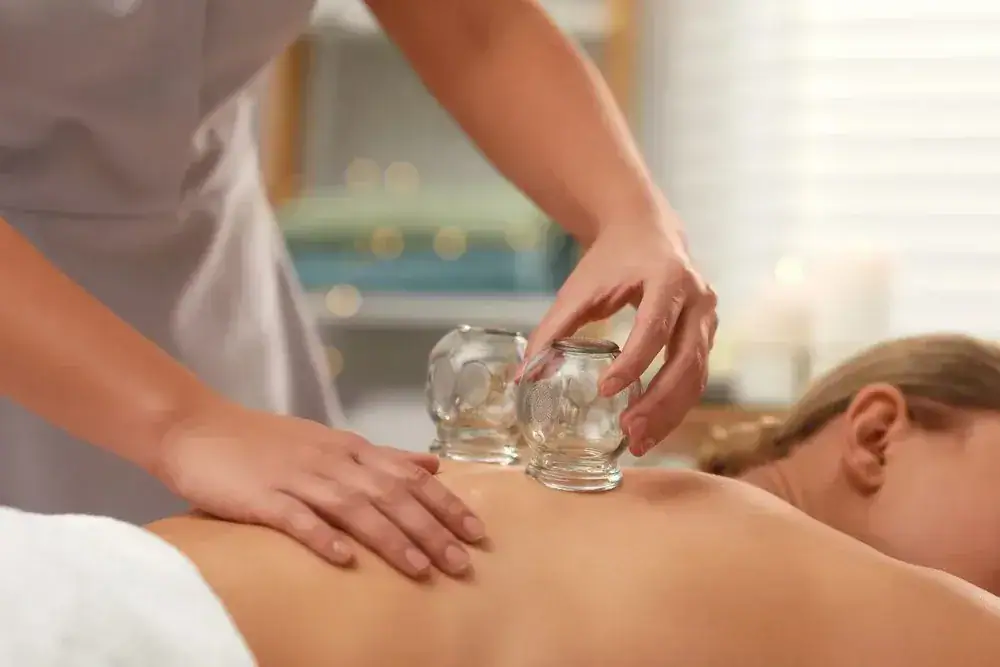
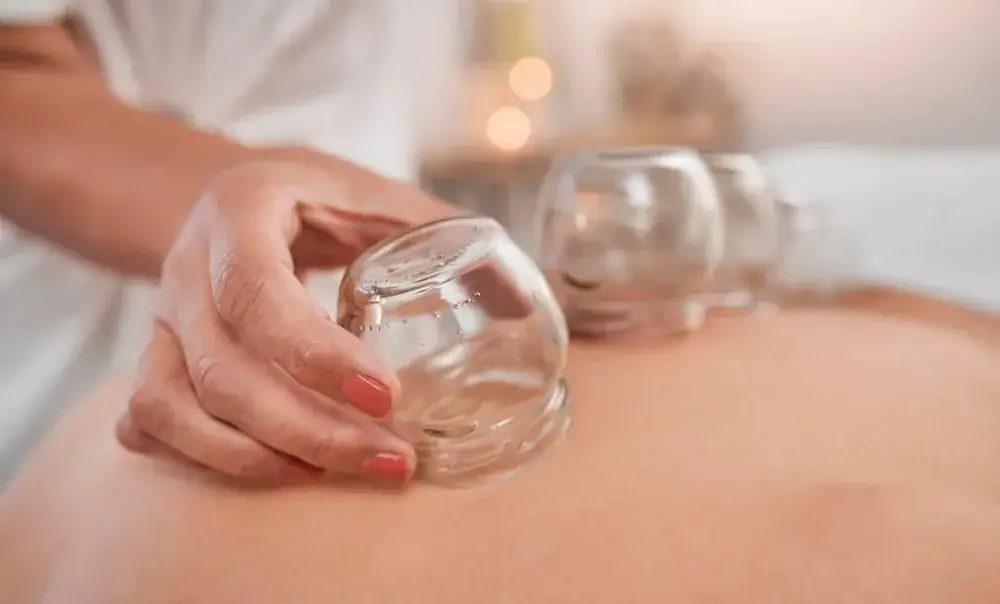
During the session, we apply cups to targeted areas using suction. The cups stay in place for several minutes, lifting tissue and increasing blood flow to muscles that are tight or inflamed. Some patients feel immediate relief. Others notice the difference over the next day or two as circulation improves and tension releases.
Cupping often works best when combined with other physical therapy techniques—manual therapy, stretching, strengthening exercises. We’re not just putting cups on your back and calling it done. You’re getting a full treatment plan designed to address why the pain showed up in the first place and how to keep it from coming back.
Most patients start with twice-weekly sessions, then taper off as symptoms improve. You’ll know what to expect at every step, and you’ll have direct access to your therapist if anything changes or new questions come up.
Ready to get started?
Every cupping therapy session at Medcare includes a full assessment, hands-on treatment, and a clear explanation of what we’re doing and why. You’re not lying on a table wondering what’s happening—you’re involved in the process.
We treat conditions like chronic back pain, neck pain, shoulder impingement, knee osteoarthritis, and sports-related muscle strains. Cupping therapy is especially effective for releasing fascial restrictions that limit your range of motion and contribute to ongoing discomfort. It’s also a proven option for reducing inflammation without relying on medication or injections.
In Merrick and the surrounding Nassau County area, we see a lot of patients who’ve tried other treatments without success. Physical therapy, chiropractic care, massage—all helpful, but sometimes the pain persists. Cupping adds another layer by targeting tissue in a way that manual therapy alone can’t always reach.
You’ll also get guidance on what to do between sessions. Stretches, movement modifications, strengthening exercises—whatever supports your recovery and keeps you progressing. The goal is to get you out of pain and back to normal life, not to keep you coming in indefinitely.
Yes, and there’s clinical evidence backing it up. Studies show that cupping therapy significantly reduces chronic lower back pain and improves range of motion when administered by trained professionals. It works by increasing blood flow to tight, inflamed muscles and releasing fascial restrictions that contribute to stiffness and discomfort.
The key is that it’s not a standalone treatment. Cupping works best when integrated into a broader physical therapy plan that includes strengthening, stretching, and movement education. If your back pain is caused by weak core muscles, poor posture, or repetitive strain, cupping addresses the immediate symptoms while we work on the underlying issues.
Most patients notice improvement within the first few sessions—less morning stiffness, better sleep, easier movement throughout the day. It’s not an instant cure, but it’s a proven method for reducing pain without medication or invasive procedures.
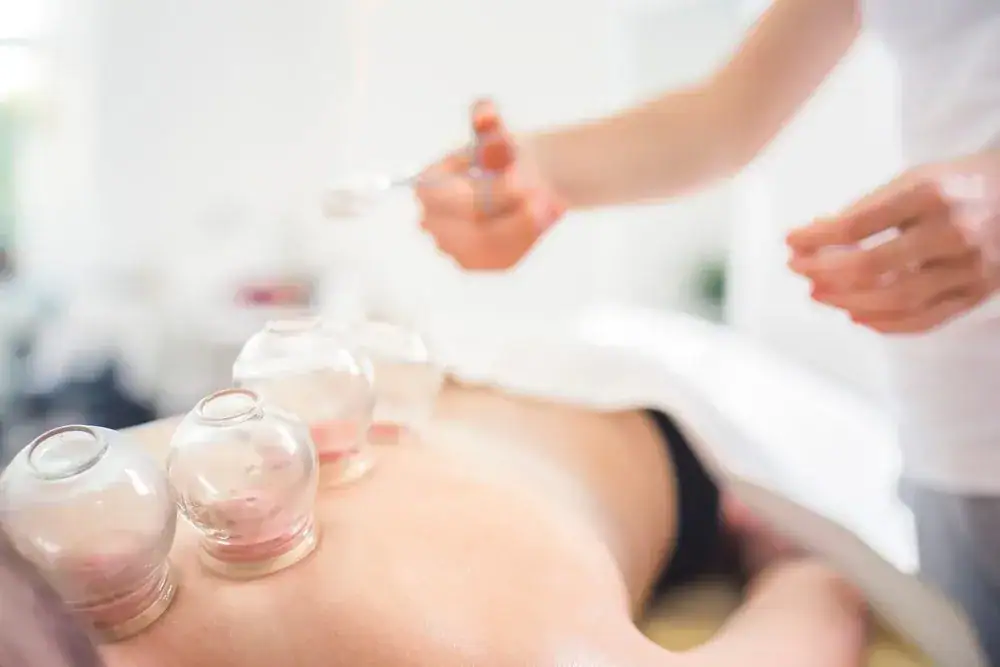
Cupping therapy is safe when performed by a licensed physical therapist who understands proper technique and contraindications. The suction creates temporary circular marks that look like bruises but aren’t painful. They’re caused by increased blood flow to the area and typically fade within a few days to a week.
Some people don’t get marks at all, depending on their skin type and the level of suction used. The marks aren’t a sign of injury—they’re a normal response to the treatment. If you’re concerned about visible marks for an upcoming event, let your therapist know and we can adjust the intensity or timing of your session.
There are a few situations where cupping isn’t recommended—active skin infections, open wounds, certain blood disorders, or if you’re on blood thinners. That’s why the initial evaluation matters. We review your medical history and current medications to make sure cupping is appropriate and safe for you.
Massage uses compression—pushing down into tissue to release tension. Cupping does the opposite. It uses suction to lift tissue away from underlying muscles and fascia, creating space and decompression. This approach is especially effective for releasing deep fascial restrictions that don’t always respond to traditional massage.
Cupping also increases circulation more dramatically than most manual techniques. The suction draws blood to areas that may have poor circulation due to chronic tension or injury. That increased blood flow brings oxygen and nutrients that support healing and reduce inflammation.
When you combine cupping with other physical therapy modalities—joint mobilization, therapeutic exercise, manual stretching—you’re addressing pain from multiple angles. It’s not about replacing other treatments. It’s about using the right tool for the specific problem you’re dealing with. Some conditions respond better to cupping. Others need a different approach. That’s why working with a licensed physical therapist matters—you get an individualized plan, not a generic protocol.
It depends on what you’re treating and how long you’ve been dealing with it. Acute injuries—like a recent muscle strain from sports or lifting—often respond quickly. You might feel significant relief within two to four sessions.
Chronic conditions take longer. If you’ve had lower back pain for years, neck tension from desk work, or arthritis-related stiffness, expect a longer treatment timeline. Most patients start with twice-weekly sessions for the first few weeks, then reduce frequency as symptoms improve. A typical course might be eight to twelve sessions, but that’s not a hard rule.
We reassess your progress regularly. If you’re not improving as expected, we adjust the plan. Maybe cupping isn’t the right primary treatment for your specific issue, or maybe we need to add other techniques. The goal is always to get you better as efficiently as possible—not to keep you in treatment longer than necessary. You’ll know where you stand at every stage, and you’ll have realistic expectations about timeline and outcomes.
If cupping is part of a physical therapy treatment plan, most insurance plans cover it the same way they cover other physical therapy services. We accept Medicare and most commercial insurance plans, and cupping is billed as part of your overall therapy session—not as a separate add-on.
Coverage depends on your specific plan, deductible, and whether you need a referral from your primary care doctor. Some plans require prior authorization for physical therapy. We recommend calling your insurance company before your first visit to confirm your benefits and understand any out-of-pocket costs.
Our front desk can verify your coverage and explain what you’ll owe per session. We’re transparent about costs upfront—no surprises after the fact. If you don’t have insurance or your plan doesn’t cover physical therapy, we can discuss self-pay rates and payment options. The priority is making sure you can access the treatment you need without financial stress or confusion about billing.
Absolutely. Athletes use cupping therapy to speed up recovery from muscle strains, reduce soreness after intense training, and improve range of motion before competition. The increased circulation helps clear metabolic waste from muscles and delivers oxygen-rich blood that supports tissue repair.
Cupping is particularly effective for treating common sports injuries like hamstring strains, rotator cuff issues, IT band syndrome, and calf tightness. It releases fascial restrictions that limit flexibility and contribute to compensatory movement patterns. When your muscles can move freely, you perform better and reduce your risk of reinjury.
We work with recreational athletes, weekend warriors, and people who just want to stay active without constant pain or stiffness. The treatment plan might include cupping along with strengthening exercises, movement retraining, and sport-specific rehab. You’re not just recovering from an injury—you’re building resilience so the same problem doesn’t keep coming back every season.
Other Services we provide in Merrick