

You’re dealing with pain that won’t quit. Back pain that makes getting out of bed feel impossible. Neck stiffness that turns every head turn into a reminder that something’s wrong. Maybe you’ve tried massage, medications, even considered surgery—but you’re still here, still hurting, still looking for something that actually works.
Cupping therapy improves blood circulation to the affected area, which helps flush out inflammation and brings fresh oxygen to tired, overworked muscles. The suction creates negative pressure that lifts tissue, releases fascial restrictions, and gives your muscles room to relax instead of staying locked in protective tension. Research shows it can reduce pain immediately after a session, with improvements lasting 24 hours and even two weeks post-treatment.
This isn’t about temporary relief that fades by tomorrow morning. When cupping is part of a structured physical therapy plan, you’re addressing the root cause—not just masking symptoms. You get better range of motion, less stiffness, and the ability to move through your day without constantly thinking about where it hurts.
We’ve been serving Long Island communities since 2010, including Manorhaven and the surrounding North Shore area. The difference between what we do and what you might see at a wellness spa comes down to precision and purpose.
Our licensed physical therapists use cupping as a clinical tool—not a relaxation add-on. That means controlled suction levels, strategic cup placement based on your specific injury or dysfunction, and integration with other evidence-based treatments like manual therapy and therapeutic exercise. We’re not guessing where to put the cups. We’re targeting the exact tissue restrictions that are limiting your function.
Manorhaven residents deal with the same challenges as the rest of Nassau County: long commutes that wreck your neck and shoulders, active lifestyles that lead to overuse injuries, and an aging population looking for non-surgical options that actually work. We get it because we’ve been treating it for over a decade.
Your first visit starts with an evaluation. We need to understand what’s causing your pain, how long you’ve had it, and what movements make it worse. This isn’t a one-size-fits-all treatment—your therapist will assess your range of motion, muscle tension, and functional limitations before recommending cupping as part of your plan.
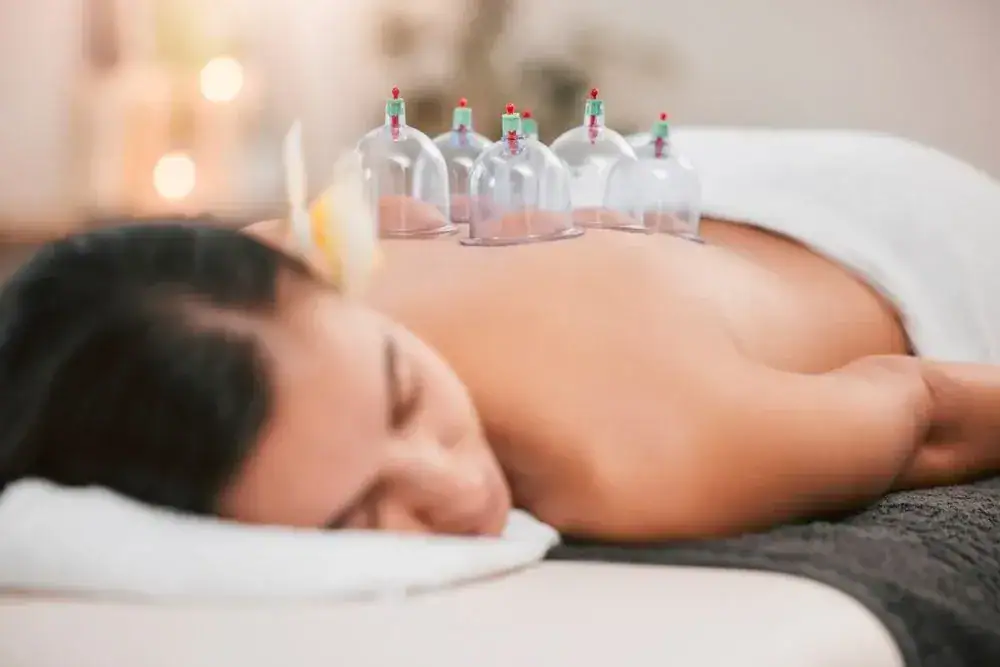
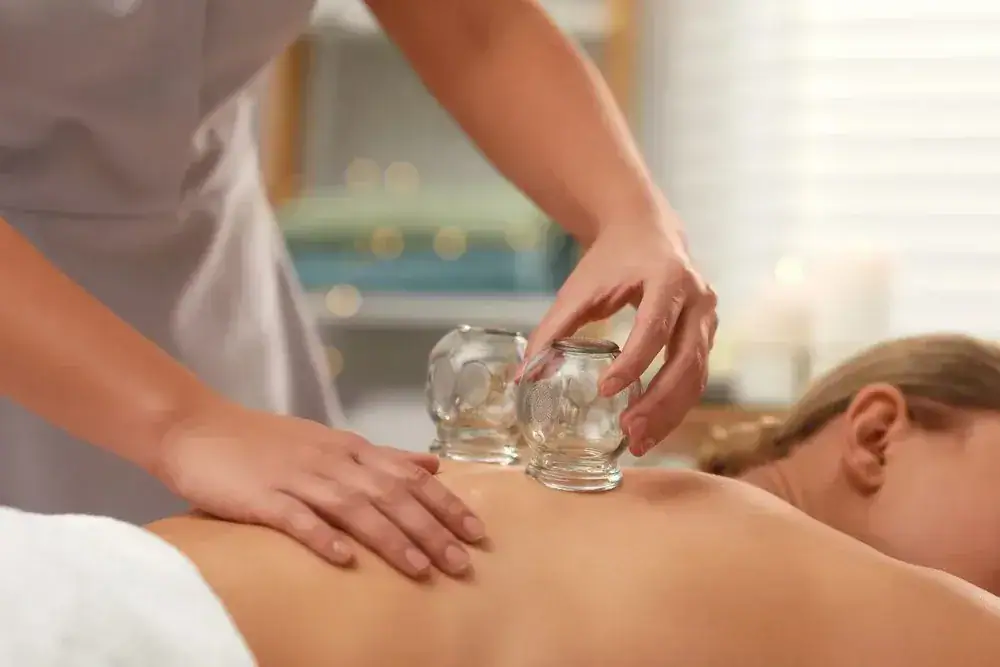
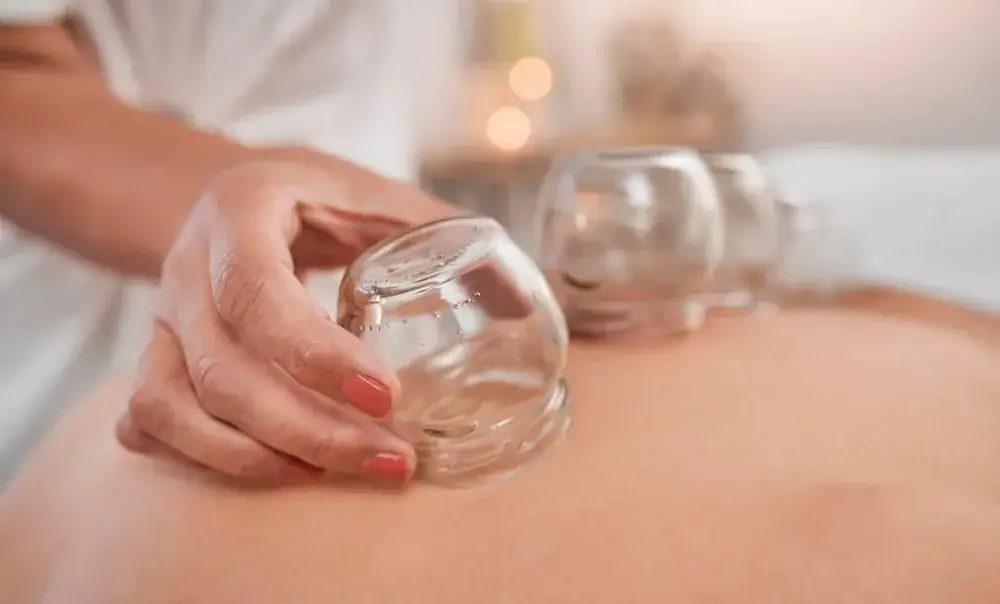
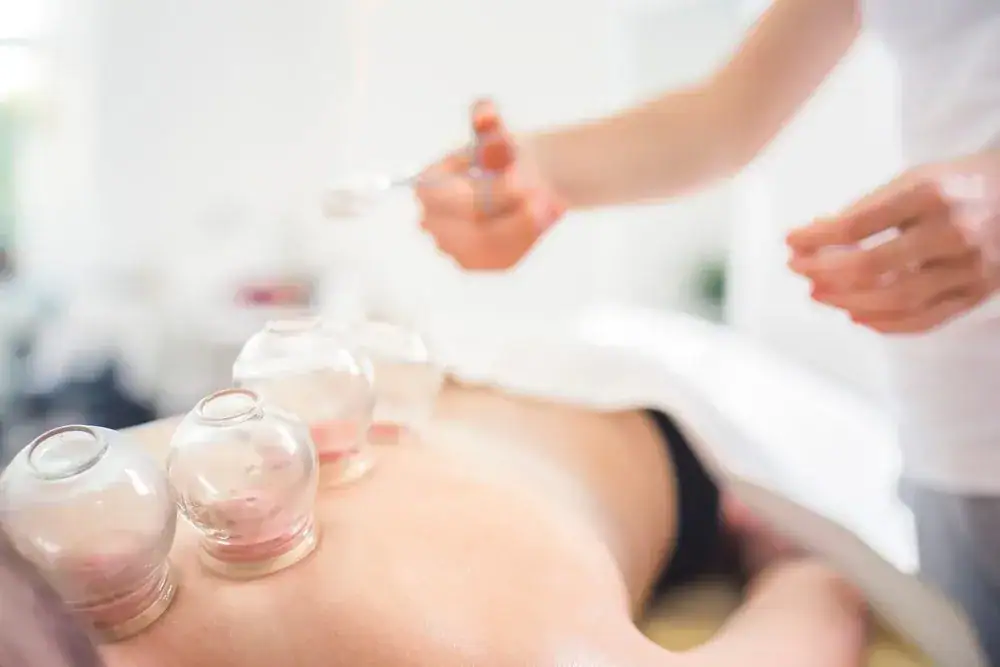
During the session, sterile cups are placed on specific areas of your body using controlled suction. You’ll feel a pulling sensation—not painful, but definitely noticeable. The cups stay in place for 5 to 15 minutes depending on your condition and tolerance. Some therapists use stationary cupping, while others may glide the cups across your skin to release broader areas of tension.
After the cups are removed, you might see circular marks on your skin. These aren’t bruises—they’re a result of increased blood flow to the area and typically fade within a few days to a week. Most people feel immediate relief in muscle tightness and report that movement feels easier right away.
A typical treatment plan includes cupping combined with other physical therapy techniques. You’re not just getting cupped and sent home. You’re working through exercises that retrain movement patterns, strengthen weak areas, and prevent the pain from coming back. Sessions usually run 15 minutes to an hour depending on your personalized plan, and most patients see measurable improvement within a few weeks.
Ready to get started?
Cupping works particularly well for chronic lower back pain—a condition affecting roughly 80% of Americans at some point in their lives. If you’re missing work, struggling to sleep, or avoiding activities you used to enjoy because your back won’t cooperate, cupping combined with physical therapy can help break that cycle.
Neck pain is another common reason people seek cupping in Manorhaven. Whether it’s from desk work, poor posture, or an old injury that never fully healed, neck pain affects your quality of life in ways that go beyond physical discomfort. It impacts your ability to focus, your mood, and even your relationships when you’re constantly uncomfortable.
We also treat knee pain, shoulder injuries, tension headaches, and sports-related muscle strains. Athletes use cupping to speed recovery after training, reduce soreness, and improve flexibility before competition. The therapy helps flush lactic acid buildup and prevents the kind of overuse injuries that sideline active people for weeks.
Cupping isn’t a miracle cure, but it’s a low-risk, non-invasive option that research supports. Studies show it significantly improves pain and disability scores, particularly when combined with other physical therapy interventions. You’re not choosing between cupping or physical therapy—you’re getting both, which is why the results last longer than either treatment alone.
Most people notice some level of relief immediately after their first session. You might feel less muscle tightness, easier movement, or a reduction in pain intensity right away. That said, immediate relief doesn’t mean the problem is solved.
Research shows that cupping can reduce pain within 24 hours and maintain those improvements for up to two weeks after treatment. But if you’re dealing with chronic pain—something you’ve had for months or years—you’re not going to fix it in one appointment. Real, lasting change comes from consistent treatment over several weeks.
Your therapist will build a plan based on your specific condition. Some patients come twice a week for a few weeks, then taper down as they improve. Others need ongoing maintenance if they’re managing a chronic issue or training for athletic performance. The key is sticking with the plan long enough to retrain your body, not just chase temporary relief.
Cupping doesn’t hurt in the way you might expect. You’ll feel a strong pulling or suction sensation when the cups are applied, and the area might feel tight or slightly uncomfortable while they’re on. But it’s not sharp pain—it’s more like deep pressure, similar to a firm massage.
The circular marks you see after cupping are not bruises. Bruises happen when blood vessels break due to trauma. Cupping marks result from increased blood flow and the drawing of stagnant fluid to the surface. They look dramatic, but they don’t hurt. Most people forget they’re even there unless they catch a glimpse in the mirror.
These marks typically fade within three to seven days, depending on how much stagnation was in the tissue and how your body responds. If you’re concerned about visible marks for an event or occasion, let your therapist know ahead of time. They can adjust suction intensity or choose treatment areas that are easier to cover with clothing.
Cupping is considered a low-risk therapy when performed by a licensed professional in a clinical setting. The incidence of adverse events is very low, especially compared to more invasive treatments like injections or surgery. That doesn’t mean there are zero risks, but serious complications are rare.
The most common side effects are the temporary marks on your skin and mild soreness in the treated area for a day or two after your session. Some people feel lightheaded during treatment, particularly if they’re dehydrated or nervous. Drinking water before and after your appointment helps.
Cupping isn’t appropriate for everyone. If you’re on blood thinners, have a bleeding disorder, or have certain skin conditions, your therapist will either modify the treatment or recommend a different approach. Pregnant women should also check with their healthcare provider before starting cupping. This is why the initial evaluation matters—we’re making sure cupping is safe and effective for your specific situation before we proceed.
You can, but you’re not getting the same thing. Spa cupping is typically focused on relaxation and general wellness. There’s nothing wrong with that if that’s your goal. But if you’re dealing with a specific injury, chronic pain, or functional limitation, you need clinical cupping integrated into a physical therapy plan.
Licensed physical therapists understand anatomy, biomechanics, and injury patterns. They know where to place cups based on your movement dysfunction, not just where it feels good. They’re also combining cupping with other treatments—manual therapy, corrective exercise, and neuromuscular re-education—that address why you’re in pain in the first place.
Clinical settings also follow stricter hygiene and safety protocols. Cups are sterilized between patients, suction levels are controlled and monitored, and your therapist is trained to recognize contraindications or adverse reactions. You’re not just paying for the treatment—you’re paying for the expertise and accountability that comes with it.
Cupping is typically included as part of your physical therapy treatment session, not billed separately as an add-on service. That means if your insurance covers physical therapy, cupping is usually covered as well. You’ll pay your standard copay or coinsurance based on your plan.
If you’re paying out of pocket, costs vary depending on the length of your session and what other treatments are included. A full physical therapy appointment that includes cupping generally ranges from $100 to $200 per session without insurance. Many practices offer package rates or payment plans if you’re self-paying.
The best way to know what you’ll pay is to call ahead and verify your benefits. Our team can check your insurance coverage before your first visit so there are no surprises. If cost is a concern, say so. There are often options—whether it’s adjusting visit frequency, using insurance benefits strategically, or exploring payment arrangements—that make treatment more accessible without sacrificing quality.
Before your appointment, drink plenty of water and avoid eating a heavy meal right beforehand. Staying hydrated helps your body respond better to treatment and reduces the chance of feeling lightheaded. Wear comfortable, loose-fitting clothing that allows easy access to the area being treated—shorts for leg or back work, a tank top for shoulders and neck.
After your session, keep drinking water to help flush out the metabolic waste that cupping brings to the surface. Avoid intense exercise or heavy lifting for the rest of the day. Your muscles have just been worked in a different way, and they need time to recover. Light movement like walking is fine—just don’t jump into a CrossFit workout or try to set a deadlift PR.
You might feel sore the next day, similar to how you’d feel after a deep tissue massage. That’s normal and usually fades within 24 to 48 hours. If soreness persists or you have any concerns about how you’re responding to treatment, reach out to your therapist. They can adjust intensity or technique for your next visit to make sure you’re progressing comfortably.
Other Services we provide in Manorhaven