


You’ve tried heat, ice, stretching, maybe even medication. The pain keeps coming back because the underlying tension never fully releases. Cupping therapy works differently—it mechanically lifts and separates the fascial layers that have become dense and restricted over time.
When one of our licensed physical therapists applies cupping to your back, neck, or shoulders, you’re not just getting temporary relief. The suction creates space between tissue layers that have been compressed for months or years. Blood flow increases to areas that have been starved of circulation. Inflammation decreases as your body releases its own pain-controlling chemicals.
Most people notice reduced muscle tightness within the first session. Over a series of treatments combined with physical therapy, you’ll see improved range of motion and less pain during daily activities. This isn’t about masking symptoms—it’s about addressing the mechanical restrictions that cause them.
The research backs this up. Studies show cupping therapy significantly reduces pain in patients with chronic musculoskeletal conditions, especially when integrated with other physical therapy treatments. You’re getting an evidence-based approach that’s been refined over thousands of years and validated by modern clinical research.
We’ve been treating patients across Long Island with a straightforward approach: combine proven techniques with personalized care. Our physical therapists receive specialized training in cupping therapy, so you’re not getting this treatment from someone who took a weekend course.
We’re based in Manhasset, NY, serving the North Shore community with the same commitment to quality and transparency that’s built our reputation across multiple locations. You’ll work with therapists who understand local lifestyle factors—from commuting stress to weekend athletic activities—that contribute to the pain patterns we see in this area.
Our digital security practices and verification processes might seem like background details, but they matter when you’re trusting someone with your health information and recovery. We manage every aspect of patient care with the same attention to detail, from your first phone call to your final session.
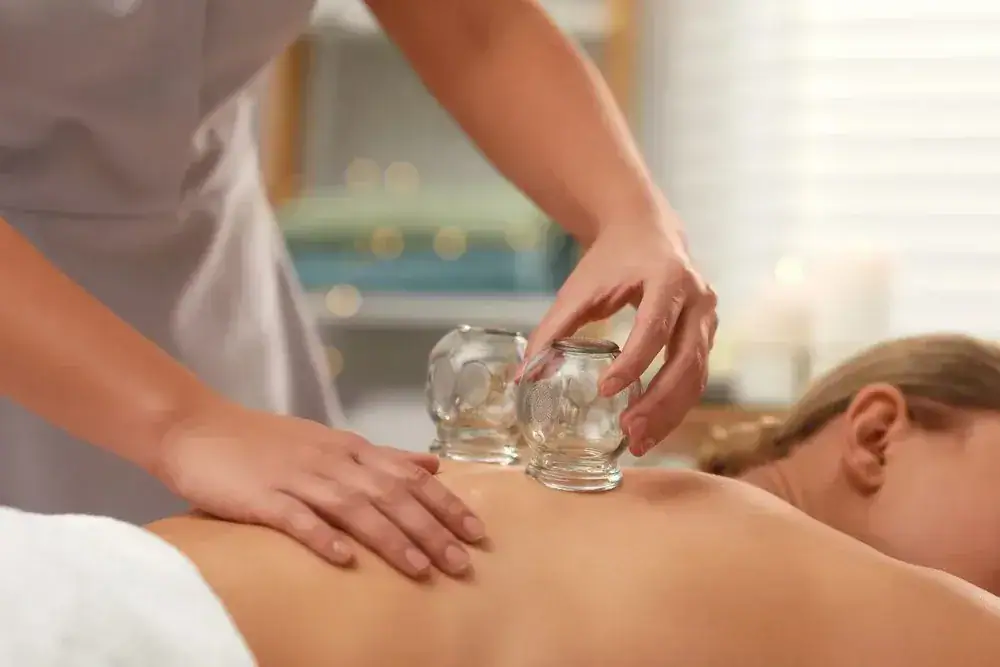
Your first session starts with an evaluation. One of our licensed physical therapists examines your pain patterns, movement restrictions, and medical history to determine if cupping therapy makes sense for your specific condition. Not everyone needs cupping, and we’ll tell you if a different approach would work better.
If cupping is appropriate, here’s what happens. Your therapist places specialized cups on targeted areas—usually your back, neck, shoulders, or legs depending on where you’re experiencing pain. These cups create suction that lifts the skin and underlying tissue. You’ll feel a pulling sensation, but it shouldn’t hurt. Most people find it surprisingly comfortable, even relaxing.
The cups stay in place for 5 to 15 minutes while the suction does its work. During this time, blood flow increases to the area, fascial layers separate, and muscle tension begins to release. You might see circular marks afterward—these are normal and fade within a few days as increased circulation does its job.
After removing the cups, your therapist will likely integrate other physical therapy techniques. Cupping works best as part of a comprehensive treatment plan, not as a standalone procedure. You might do specific exercises, receive manual therapy, or learn techniques to maintain the improvements between sessions.
Most patients start with twice-weekly sessions, then taper to once weekly as symptoms improve. Total treatment length depends on your condition’s severity and how your body responds. Chronic issues that developed over years won’t resolve in one session, but you should notice measurable progress within the first few weeks.

Ready to get started?
Our cupping therapy addresses specific conditions common among Manhasset residents. If you’re dealing with chronic back pain from desk work or long commutes, the treatment targets the thoracic and lumbar regions where tension accumulates. For shoulder and neck pain—often related to stress and postural issues—we focus on releasing the upper trapezius and cervical muscles that create that constant ache.
Athletes and active individuals use cupping for faster muscle recovery after training. The technique reduces exercise-induced soreness and helps maintain flexibility during intense training periods. We see this frequently with local runners, tennis players, and gym regulars who need to stay active without constant pain limiting their performance.
The treatment also helps with scar tissue mobility. If you’ve had previous injuries or surgeries, fascial adhesions can form that restrict movement and cause pain years later. Cupping mechanically breaks up these densified areas, improving tissue mobility in ways that stretching alone can’t achieve.
Each session is administered by one of our physical therapists who adjusts the technique based on your response. Cup size, suction intensity, and placement vary depending on the treatment area and your tissue sensitivity. This isn’t a one-size-fits-all approach—it’s therapeutic cupping integrated into a larger physical therapy plan designed specifically for your recovery goals.
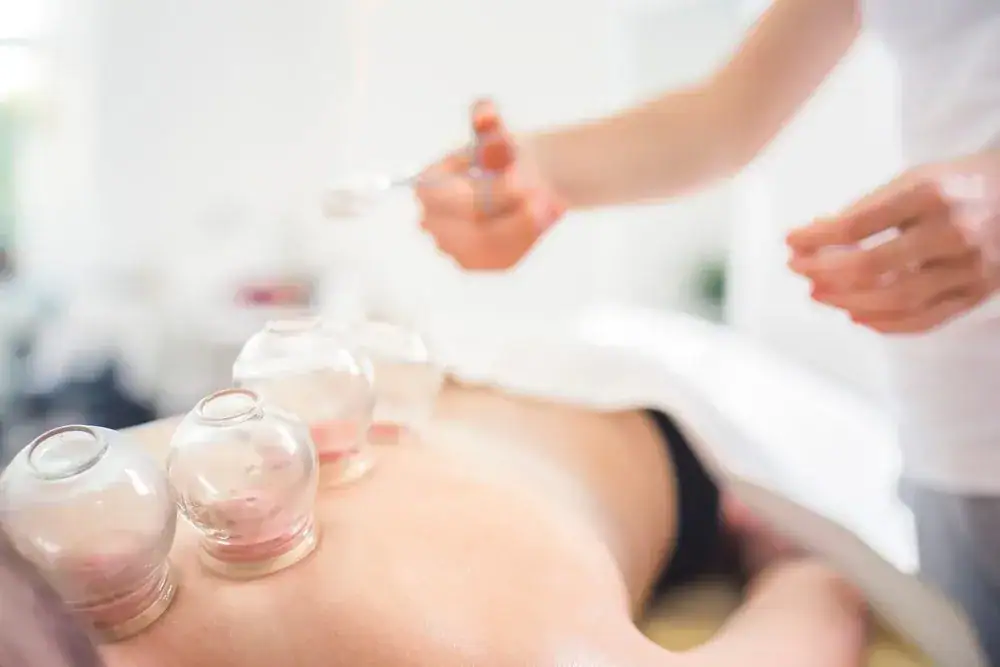
Yes, and the research supports it. Multiple studies show cupping therapy effectively reduces pain in patients with chronic musculoskeletal conditions, particularly when combined with other physical therapy treatments. The mechanism is straightforward—cupping creates negative pressure that lifts tissue layers, increases blood flow, and triggers your body’s natural healing response.
For chronic back pain specifically, cupping addresses the fascial restrictions and muscle tension that develop over time. When you sit for hours or repeatedly stress the same muscle groups, the fascia becomes dense and adhered. Cupping mechanically separates these layers, which improves mobility and reduces the pain signals your nervous system is sending.
You won’t see results from one session if you’ve had pain for months or years. But most patients notice reduced muscle tightness and improved range of motion within the first few treatments. The key is consistency and integration with other therapies—cupping works best as part of a comprehensive physical therapy plan, not as a standalone treatment.
The person performing the treatment and the clinical context make all the difference. At our clinic, licensed physical therapists with specialized training in therapeutic cupping administer your treatment. We understand musculoskeletal anatomy, pain patterns, and how to integrate cupping into a broader rehabilitation strategy.
A spa treatment might feel relaxing, but it’s not designed to address specific clinical conditions. Our physical therapists evaluate your movement patterns, identify the exact tissues causing your pain, and apply cupping with precise placement and intensity. We also combine it with exercises, manual therapy, and education to create lasting change—not just temporary relief.
The treatment goals are different too. We’re focused on functional outcomes: reducing your pain enough that you can return to activities you’ve been avoiding, improving your posture at work, or helping you train without constant soreness. That requires clinical expertise and ongoing assessment, not just cup placement. If you’re dealing with a real injury or chronic condition, you need someone who can properly diagnose and treat the underlying issue.
Yes, cupping typically leaves circular marks where the cups were placed. These aren’t bruises in the traditional sense—they’re caused by increased blood flow to the area and the release of stagnant fluids trapped in the tissue. The marks usually range from light pink to dark purple depending on the level of restriction in that area.
Most marks fade within three to seven days. Areas with more tension or poor circulation tend to show darker marks initially, which is actually useful diagnostic information for your therapist. As your tissue health improves with repeated treatments, the marks often become lighter because there’s less stagnation to clear.
If you have an event coming up where visible marks would be a problem, let your therapist know beforehand. We can adjust cup placement to less visible areas or modify the intensity. The marks don’t hurt—most people forget they’re there after leaving the clinic. They’re a normal part of the healing process, similar to the temporary soreness you might feel after a deep tissue massage or intense workout.
It depends entirely on what you’re treating and how long you’ve had the problem. Acute muscle soreness from a recent workout might respond in one to three sessions. Chronic pain that’s been building for years will take longer—typically six to twelve sessions before you see significant, lasting improvement.
Most treatment plans start with twice-weekly sessions for the first few weeks. This frequency allows your body to build on each treatment’s effects rather than losing progress between sessions. As your symptoms improve, we’ll space appointments further apart—moving to weekly, then biweekly, then maintenance sessions as needed.
You should notice some change within the first two to three sessions. That might be reduced pain intensity, better range of motion, or less stiffness when you wake up. If you’re not seeing any improvement after four to five sessions, your physical therapist will reassess and potentially adjust the treatment approach. Cupping works well for many conditions, but it’s not the right solution for everything. An honest therapist will tell you if something else would serve you better.
Often, yes—but it depends on your specific insurance plan and how the treatment is billed. When cupping is performed by one of our licensed physical therapists as part of your physical therapy treatment, it’s typically included in the overall therapy session rather than billed separately. Most insurance plans that cover physical therapy will cover cupping when it’s integrated into your treatment plan.
The key difference from standalone cupping services is the clinical context. Insurance companies recognize cupping performed by physical therapists as a legitimate therapeutic intervention for musculoskeletal conditions. You’ll need a referral or prescription for physical therapy from your doctor, just like you would for any other PT service.
Before starting treatment, contact your insurance provider to verify your physical therapy benefits. Ask about copays, deductibles, and how many sessions your plan covers per year. Our office can also verify your benefits and give you a clear picture of your out-of-pocket costs before you commit to treatment. Transparency around pricing matters, especially when you’re already dealing with pain and don’t need financial surprises on top of it.
Absolutely. Athletes use cupping therapy to speed recovery between training sessions and reduce muscle soreness after intense workouts. The technique increases blood flow to fatigued muscles, which helps clear metabolic waste products that accumulate during exercise. This can significantly reduce delayed onset muscle soreness and help you maintain training consistency.
Cupping also addresses the muscle tightness and fascial restrictions that develop from repetitive athletic movements. If you’re a runner, your IT bands and calves take constant stress. Tennis players develop shoulder and forearm tension. Cyclists deal with hip flexor tightness. Cupping releases these specific areas more effectively than stretching alone, which helps maintain flexibility and reduce injury risk.
The treatment works best when scheduled strategically around your training cycle. Some athletes come in after hard workout days to accelerate recovery. Others schedule sessions during taper periods before competitions to address accumulated tension without the fatigue that comes from deep tissue work. Your physical therapist can help you time treatments to support your performance goals rather than interfere with them. This isn’t just about feeling better—it’s about maintaining the tissue quality that lets you train consistently at the level you want.
Other Services we provide in Manhasset