
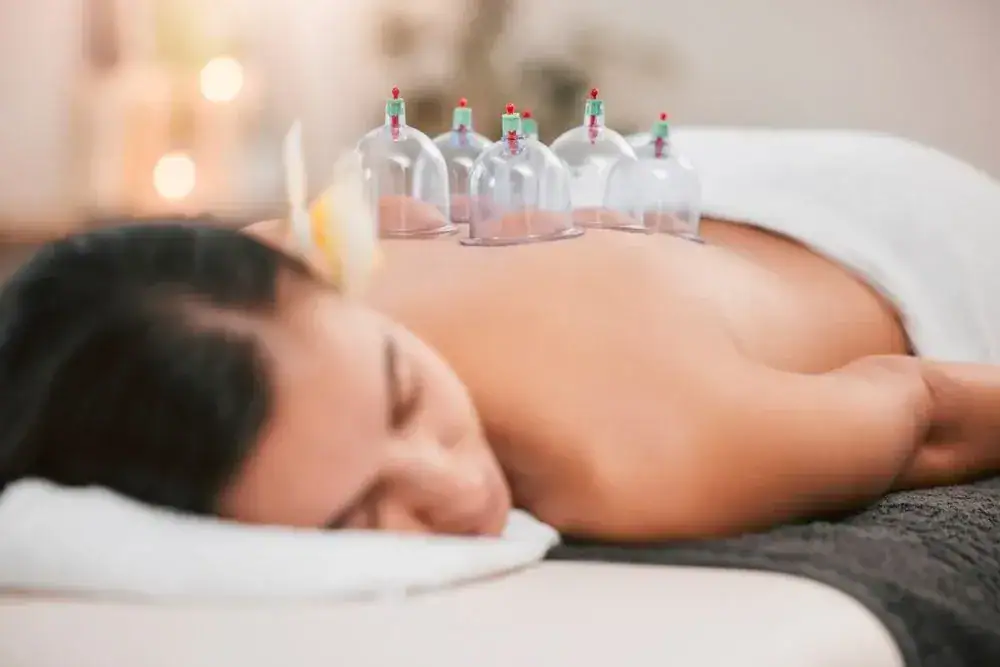

You’ve tried the medications. You’ve adjusted your routine around the pain. You’ve canceled plans because your back, neck, or shoulders just won’t cooperate. That’s not a long-term solution, and you know it.
Cupping therapy works by improving blood flow to the areas that hurt most. Better circulation means your body can actually heal instead of just masking symptoms. The suction from the cups pulls stagnant blood and fluids away from inflamed tissue, which reduces swelling and gives your muscles room to relax.
Most people notice less pain after their first session. Not gone—less. That’s realistic. Over time, with consistent treatment, you start getting your range of motion back. Turning your head doesn’t hurt. Bending down to pick something up doesn’t require a game plan. You sleep better because you’re not waking up every time you shift positions.
Cupping isn’t a miracle cure. It’s a tool that works when it’s part of a broader physical therapy plan. For chronic back pain, neck pain, headaches, and muscle tightness, it’s one of the most effective non-pharmaceutical options available. No prescriptions. No side effects that create new problems. Just targeted relief that helps your body do what it’s supposed to do.
We’ve been serving Long Island communities since 2010. We’re not a corporate chain with rotating staff and assembly-line appointments. Our licensed physical therapists stay current on evidence-based treatments like cupping therapy because that’s what actually helps people get better.
We accept Medicare and most commercial insurance plans, which matters when you’re already dealing with medical bills. Our team includes therapists trained specifically in dry cupping techniques, integrated into comprehensive physical therapy treatment plans. That means you’re not just getting cupping—you’re getting a full assessment of what’s causing your pain and a plan to address it.
Manhasset Hills residents don’t need to drive into the city for quality care. We’re local, we’re accessible, and we’ve built our reputation on actually listening to what you’re dealing with before we recommend treatment. You’re not a diagnosis code. You’re someone who needs to feel better so you can get back to your life.
Your first visit starts with an evaluation. We need to understand where your pain is, how long you’ve been dealing with it, and what you’ve already tried. That conversation matters because cupping works best when it’s targeted to your specific problem areas.
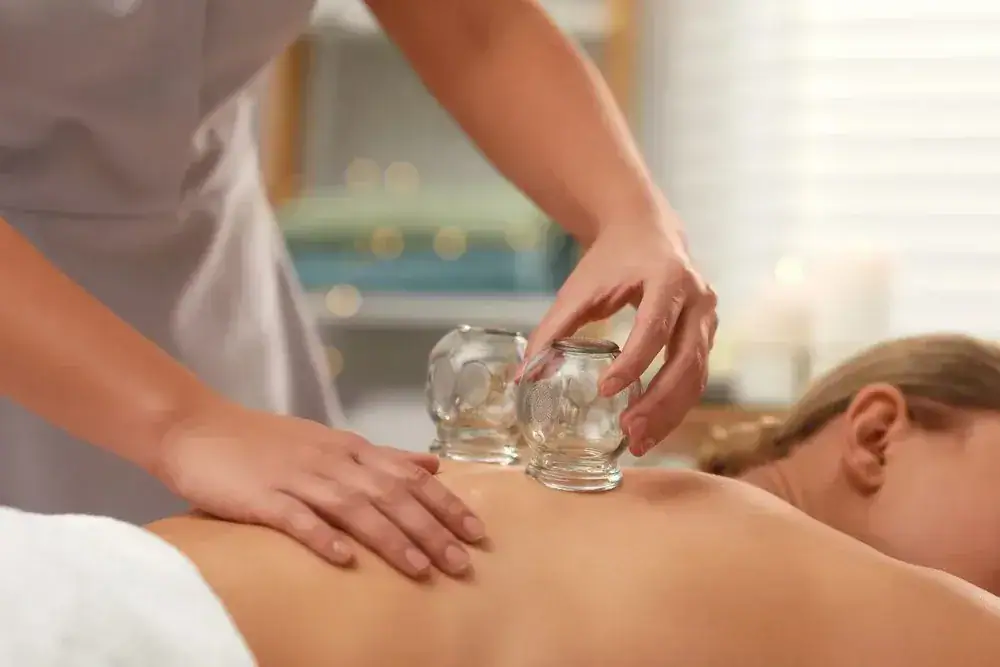
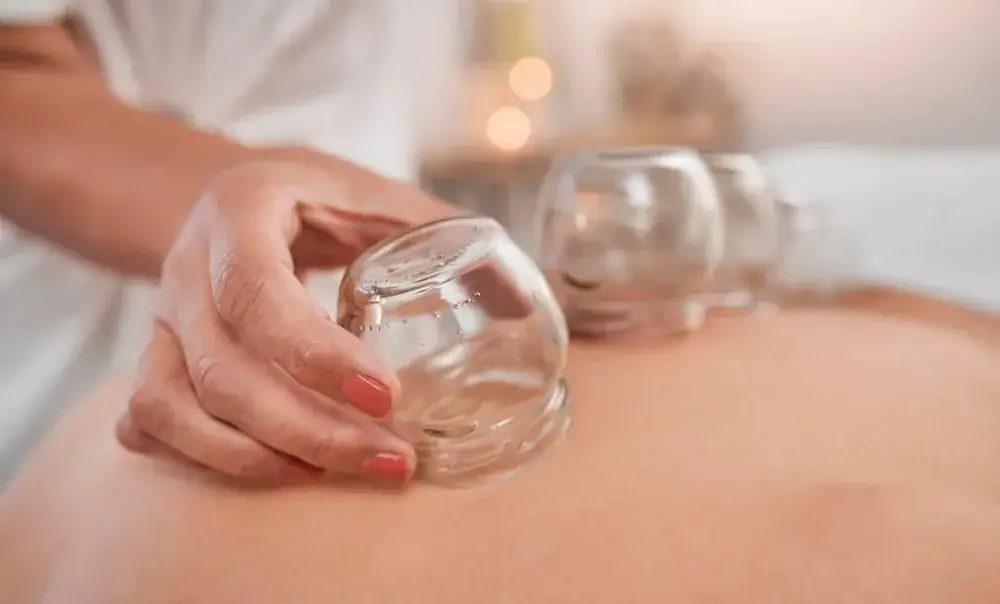
During the treatment, your therapist places specialized cups on your skin—usually on your back, neck, shoulders, or wherever you’re experiencing pain. The cups create suction that pulls your skin and underlying tissue upward. This isn’t painful. Most people describe it as a tight pulling sensation that actually feels relieving once your muscles start to release.
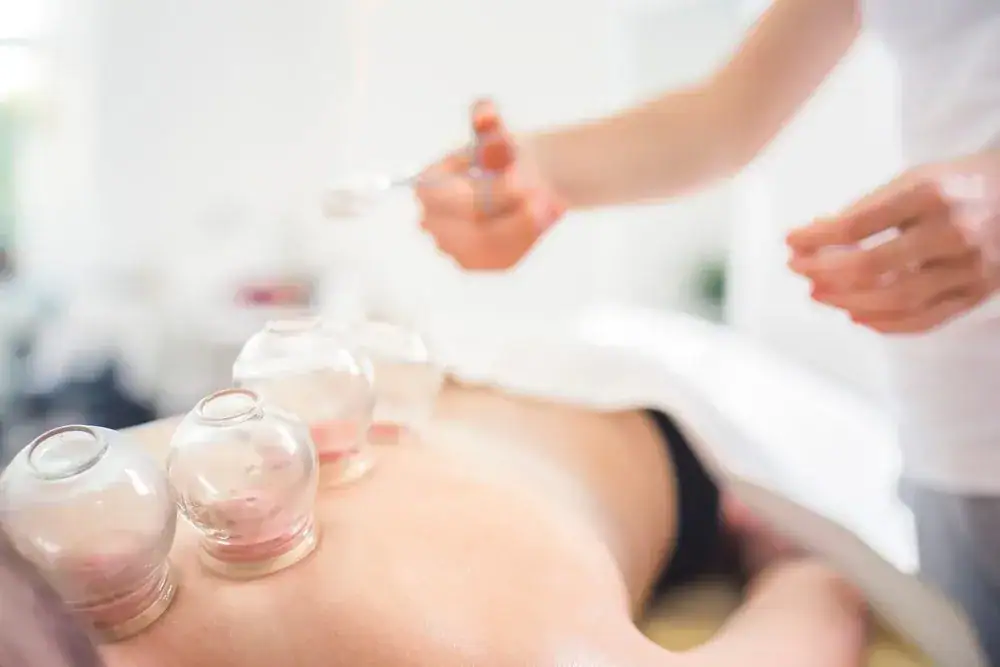
We typically leave the cups in place for 5 to 15 minutes. During that time, you’ll see your skin redden as blood flow increases to the area. Those circular marks you’ve probably seen in photos? They’re temporary—usually fading within a few days to a week. They’re not bruises. They’re a sign that stagnant blood and fluids are moving out of inflamed tissue.
After we remove the cups, many people feel immediate relief. Your muscles are more relaxed. Your range of motion improves. That tightness that’s been limiting your movement starts to ease up. We’ll often combine cupping with other physical therapy techniques—stretching, manual therapy, or targeted exercises—to maximize your results.
Most treatment plans involve multiple sessions. One appointment might give you temporary relief, but consistent treatment is what creates lasting change. Your therapist will recommend a schedule based on your specific condition and how your body responds.
Ready to get started?
Cupping therapy at Medcare isn’t a standalone spa treatment. It’s a clinical intervention delivered by licensed physical therapists who understand musculoskeletal conditions. We use dry cupping, which means no incisions, no blood removal—just suction-based therapy that’s been used for thousands of years and is now backed by modern research.
Here’s what makes this effective for Manhasset Hills residents dealing with chronic pain: Long Island’s aging population means more people are living with osteoarthritis, degenerative disc issues, and repetitive strain injuries. Traditional pain management often means medications with side effects or invasive procedures with long recovery times. Cupping offers a middle path—evidence-based relief without pharmaceuticals.
The treatment improves blood circulation to areas that aren’t getting adequate oxygen and nutrients. When your muscles are chronically tight, blood flow becomes restricted. That creates a cycle: poor circulation leads to more pain, which causes more tension, which further restricts blood flow. Cupping breaks that cycle by manually increasing circulation and giving your tissue the resources it needs to heal.
You’ll also see improvements in flexibility and range of motion. Scar tissue, adhesions, and chronic muscle tension all limit how freely you can move. The suction from cupping helps break up those restrictions, which is why we integrate it into treatment plans for sports injuries, post-surgical recovery, and chronic pain conditions.
This isn’t about detoxing or removing toxins—that’s marketing language, not physiology. What cupping does is create measurable changes in blood flow, muscle tension, and pain levels. That’s what matters when you’re trying to get through your day without constant discomfort.
Yes, but let’s be specific about what “works” means. Research shows that cupping therapy can significantly reduce pain intensity for people with chronic lower back pain, especially when combined with physical therapy. You’re not going to walk out pain-free after one session if you’ve been dealing with back pain for years.
What typically happens is this: after your first few sessions, you notice the pain is less sharp. You can move more freely. Activities that used to be difficult—getting out of bed, sitting for long periods, bending down—become more manageable. Over the course of several weeks with consistent treatment, many people see substantial improvement in both pain levels and function.
The key is that cupping works best as part of a comprehensive treatment plan. Your physical therapist will likely combine it with targeted exercises, manual therapy, and movement education. That combination addresses both the symptoms and the underlying causes of your pain. Cupping alone might give you temporary relief. Cupping plus physical therapy gives you lasting results.
Yes, and that’s completely normal. The circular marks you see after cupping aren’t bruises—they’re areas where blood flow has increased and stagnant fluids have been pulled to the surface. They typically range from light pink to dark purple depending on how much tension and restriction was in that area.
These marks usually fade within three to seven days. Some people’s marks disappear faster, others take a bit longer. It depends on your circulation, how chronic your condition is, and how your body responds to treatment. The marks don’t hurt. Most people forget they’re there until they look in a mirror.
If you have an event coming up where you’ll be wearing something that shows your back or shoulders, mention that to your therapist. We can adjust the treatment or schedule your session so the marks have time to fade. But honestly, most people stop caring about the marks once they realize how much better they feel. Temporary discoloration is a small trade-off for actual pain relief.
Massage pushes tissue down and manipulates it through compression. Cupping pulls tissue up through suction. That difference matters because they affect your muscles and fascia in opposite ways, which means they’re useful for different problems.
Massage is great for general muscle tension and relaxation. Cupping is more targeted for chronic pain, deep tissue restrictions, and areas where you have adhesions or scar tissue. The suction from the cups reaches deeper layers of tissue and creates space between muscle fibers that have been stuck together. That’s why we use cupping for specific therapeutic goals, not just relaxation.
At Medcare, cupping is delivered by licensed physical therapists as part of a clinical treatment plan. We’re addressing musculoskeletal dysfunction, not providing spa services. You might receive both cupping and manual therapy in the same session, depending on what your body needs. They complement each other well, but they’re not interchangeable.
In most cases, yes—when it’s performed by a licensed physical therapist as part of your physical therapy treatment. Cupping is considered a manual therapy technique, which falls under standard physical therapy billing codes. That means if your insurance covers physical therapy, it typically covers cupping when it’s medically necessary for your condition.
We accept Medicare and nearly all commercial insurance plans. We’ll verify your coverage before you start treatment so there are no surprises. Your out-of-pocket cost will depend on your specific plan—whether you’ve met your deductible, what your copay is, and how many physical therapy visits your plan covers per year.
What won’t be covered is cupping performed at a spa or wellness center by someone who isn’t a licensed healthcare provider. Insurance companies pay for therapeutic interventions delivered by qualified professionals, not alternative wellness treatments. That’s another reason to choose a physical therapy practice like Medcare—you’re getting clinical care that’s eligible for insurance reimbursement.
That depends entirely on what you’re dealing with and how your body responds. Acute injuries—something that happened recently—might improve significantly in three to six sessions. Chronic conditions that you’ve been living with for months or years typically require more consistent treatment, often eight to twelve sessions or more.
Your physical therapist will assess your condition during your first visit and give you a realistic timeline. Some people feel substantial relief after just a few appointments. Others need ongoing treatment to maintain their progress. There’s no one-size-fits-all answer because everyone’s pain is different.
What we can tell you is this: if you’re not seeing any improvement after four to six sessions, we’ll reassess and adjust your treatment plan. Cupping should create noticeable changes relatively quickly. If it’s not working for you, we’ll try a different approach. The goal is always to get you better, not to keep you coming back indefinitely without results.
Yes, especially if your headaches are tension-related or caused by neck and shoulder tightness. Cupping therapy applied to the upper back, neck, and shoulder area can reduce muscle tension that contributes to both neck pain and tension headaches. When those muscles relax and blood flow improves, many people notice their headaches become less frequent and less severe.
Chronic neck pain often comes from poor posture, repetitive strain, or old injuries that never fully healed. The muscles in your neck and upper back get locked in a protective tension pattern, which restricts movement and causes pain. Cupping helps break that pattern by manually releasing the tension and improving circulation to oxygen-deprived tissue.
If your headaches are migraines or caused by something other than muscle tension, cupping might not be the right treatment. That’s why the initial evaluation matters. We need to understand what’s causing your symptoms before we recommend cupping. For tension headaches and neck pain related to muscle dysfunction, though, cupping combined with physical therapy is one of the most effective non-drug options available.
Other Services we provide in Manhasset Hills