

You’ve tried ice, heat, rest, and over-the-counter meds. The pain keeps coming back. Your neck feels locked up by mid-afternoon. Your lower back tightens every time you stand. Your shoulder won’t let you reach overhead without that sharp pull.
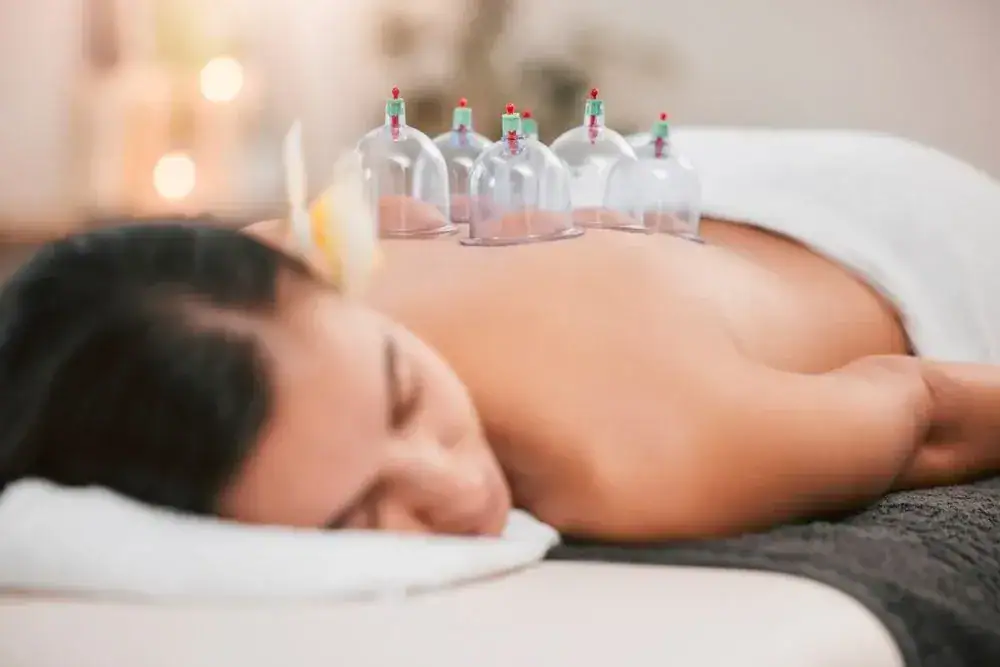
Cupping therapy works differently. It creates suction on your skin that pulls blood flow to the area, loosens fascia, and gives your muscles room to relax. You’re not masking the problem—you’re addressing what’s causing the tightness in the first place.
Most people notice reduced pain after the first session. Range of motion improves. That stiffness you’ve been living with starts to ease. It’s not a miracle fix, but it’s a legitimate tool that works especially well when combined with the right movement and strengthening plan.
We’ve been treating patients across Long Island for years, with a location right here in Lake Ronkonkoma, NY. We’re not a franchise or a revolving door of therapists. You’ll work with licensed physical therapists who know how to integrate cupping into a real treatment plan—not just slap cups on and call it a session.
We also run Physical Therapy Associates of Smithtown and Speonk, so we’ve built a reputation on consistency and results. Our team stays current on techniques, our facilities are clean and well-equipped, and we don’t overbook appointments. You get time, attention, and a plan that makes sense for your body and your schedule.
We start with an evaluation. Your therapist asks where it hurts, how long it’s been going on, and what makes it worse. They’ll assess your movement and identify areas of restriction or tension.
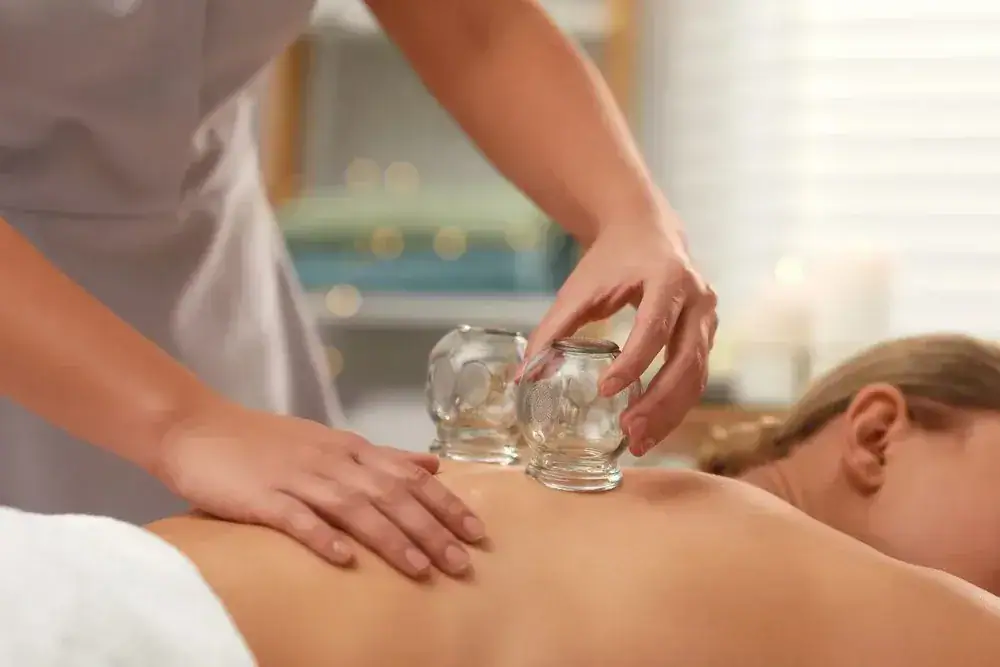
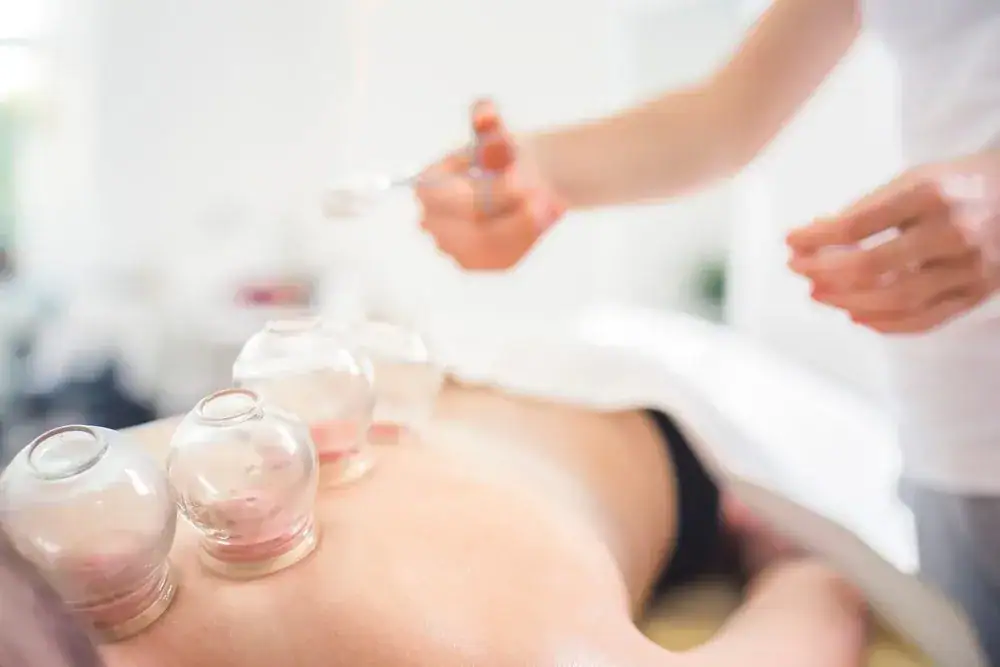
Then comes the cupping. We use dry cupping, which means no incisions, no blood—just suction. Small cups are placed on your skin, usually along your back, shoulders, neck, or legs. The suction pulls tissue upward, increasing blood flow and releasing tight fascia. It might feel strange at first, but most people find it surprisingly relaxing.
Sessions typically last 30 to 45 minutes. You might see some circular marks afterward—that’s normal and fades within a few days. Your therapist will also give you exercises or stretches to do at home. Cupping works best when it’s part of a broader plan that includes movement, strengthening, and sometimes manual therapy.
You’ll usually start with one or two sessions per week. Some people feel relief right away. Others need a few sessions before they notice a difference. Either way, we adjust based on how you respond.
Ready to get started?
Cupping therapy here isn’t a standalone gimmick. It’s one tool in a full physical therapy approach. You’re getting a licensed PT who knows anatomy, understands injury mechanics, and can tell the difference between muscle tightness and something more serious.
In Lake Ronkonkoma, NY and across Suffolk County, we see a lot of desk workers with neck and upper back pain, landscapers and contractors with lower back issues, and active adults dealing with knee or shoulder problems. Cupping helps with all of it when applied correctly.
We use it to treat chronic low back pain, neck stiffness, rotator cuff issues, IT band tightness, and general muscle soreness from overuse or injury. It’s effective for arthritis-related discomfort and post-surgical rehab when cleared by your doctor. It also works well for athletes dealing with recurring strains or anyone who’s tried everything else and still isn’t getting better.
You’re not just paying for cups on skin. You’re getting a clinical assessment, a treatment plan, progress tracking, and a therapist who adjusts based on what’s working.
Yes, but it’s not magic. Research shows moderate-quality evidence that cupping can reduce chronic low back pain and improve function when used alongside other treatments. It won’t fix a herniated disc or reverse arthritis, but it does help with muscle-related pain that’s been hanging around for months or years.
The suction increases blood flow to the area, which brings oxygen and nutrients that support healing. It also creates space in the tissue, which can relieve pressure on nerves and reduce that deep, achy tightness. Most people feel looser after a session, and over time, that translates to less pain during daily activities.
Cupping works best when combined with stretching, strengthening, and posture correction. If your back pain is from sitting all day with weak glutes and tight hip flexors, cupping will help—but you’ll also need to address the movement patterns causing the problem in the first place.
You’ll likely have circular marks where the cups were placed, but they’re not bruises in the traditional sense. The discoloration comes from increased blood flow and the release of stagnant fluids in the tissue. It looks dramatic, but it doesn’t hurt.
The marks usually fade within three to seven days, depending on how tight the area was and how much suction was used. Some people get darker marks than others—it’s not a sign that something went wrong. In fact, areas with more restriction often show more color because there’s more congestion being pulled to the surface.
If you’re concerned about visible marks for an event or work situation, let your therapist know ahead of time. They can adjust the intensity or place cups in areas that are easier to cover. But for most people, the marks are a non-issue and fade quickly.
It depends on what you’re dealing with and how long you’ve had it. Acute injuries—like a pulled muscle from lifting something heavy—might respond in two to four sessions. Chronic pain that’s been building for months or years usually takes longer, often six to eight sessions before you see significant improvement.
Some people feel relief after the first session. The tightness eases, they can move more freely, and the pain drops a few notches. Others need a few treatments before they notice a difference, especially if there’s a lot of scar tissue or fascial restriction.
We typically recommend starting with twice a week, then spacing out sessions as you improve. Your therapist will track your progress and adjust the plan based on how you’re responding. The goal isn’t to keep you coming forever—it’s to get you functional and give you tools to manage on your own.
In most cases, yes—when it’s performed by a licensed physical therapist as part of a treatment plan. Insurance companies typically cover cupping under physical therapy services, not as a separate alternative medicine charge. That means if your plan covers PT, cupping is usually included.
You’ll still need a referral or prescription from your doctor in many cases, depending on your insurance. Some plans require prior authorization, especially if you’re seeing a PT for the first time. We handle the billing and can verify your coverage before you start treatment.
If you’re paying out of pocket, cupping is generally billed as part of a manual therapy session, not as a standalone service. That keeps costs reasonable and ensures you’re getting a full evaluation and treatment plan, not just a 15-minute cup placement.
Absolutely. Neck pain from desk work usually comes from forward head posture, tight upper traps, and restricted movement in the thoracic spine. Cupping helps by releasing tension in those muscles and improving blood flow to areas that have been locked up for hours every day.
Your therapist will place cups along your upper back, shoulders, and neck to target the specific muscles causing the problem. The suction pulls the tissue upward, which creates space and allows the muscles to relax. Most people feel immediate relief in terms of tightness and range of motion.
But here’s the thing: cupping alone won’t fix desk-related neck pain if you’re still sitting in a terrible position for eight hours a day. You’ll also need to work on posture, strengthen your mid-back, and take breaks to move. Cupping gets you out of pain faster, but the long-term fix comes from changing the habits that caused it.
Massage uses compression—pushing down into the muscle to release tension. Cupping uses decompression—pulling the tissue upward to create space and increase circulation. Both are effective, but they work in opposite ways and target different layers of tissue.
Cupping is especially good for fascia, the connective tissue that wraps around your muscles. When fascia gets tight or adhered, it restricts movement and causes pain. The suction from cupping lifts and separates those layers, which can release restrictions that massage alone doesn’t always reach.
In practice, many physical therapists use both. They might start with cupping to decompress an area, then follow up with hands-on manual therapy or stretching. You’re not choosing one or the other—you’re getting the right combination based on what your body needs. Cupping tends to work faster for certain types of tightness, especially in the back and shoulders, but it’s not a replacement for a full treatment plan.
Other Services we provide in Lake Ronkonkoma