

You’ve probably tried stretching, heat packs, maybe even a few rounds of massage. The relief lasts a day or two, then the tightness comes back. That cycle gets old fast.
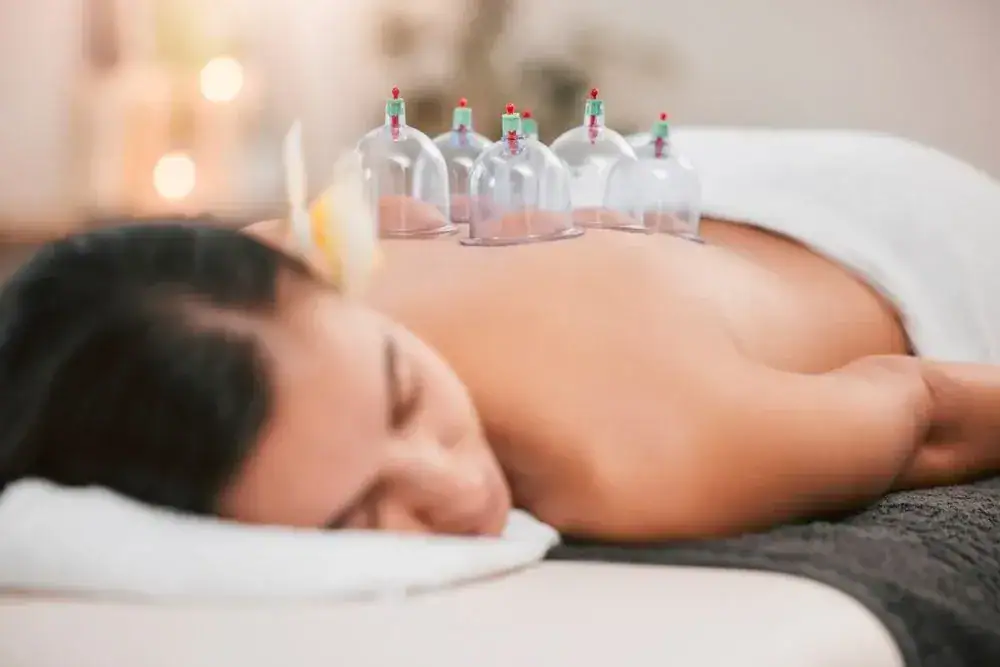
Cupping therapy works differently. The suction loosens fascia and connective tissue that’s been locked up for weeks or months. Blood flow increases to areas that weren’t getting enough oxygen. Muscle tension releases, sometimes within minutes of the cups coming off.
Most people notice they can move their neck further or bend without that sharp pull in their lower back. The stiffness that made getting out of bed difficult starts to ease. You’re not masking the problem—you’re addressing what’s causing it.
This isn’t about temporary relief. It’s about giving your body what it needs to actually heal. And you can feel the difference right away.
We’ve been treating patients across Long Island for years, including right here in Kings Point. Our physical therapists are licensed, trained in cupping techniques, and experienced in treating chronic pain conditions that haven’t responded to other approaches.
We don’t just slap cups on and set a timer. Every session is based on what your body needs that day. We assess muscle tension, range of motion, and pain patterns before we start. Then we adjust pressure, placement, and duration based on how you respond.
Kings Point residents deal with the same issues we see across the North Shore—desk jobs that wreck your posture, weekend warrior injuries that never fully heal, arthritis that limits what you can do. We’ve treated all of it. And we know cupping works best when it’s part of a broader plan that includes movement, strength, and education about what’s actually going on in your body.
Your first session starts with a conversation. We ask about your pain—where it is, how long you’ve had it, what makes it worse. Then we assess your movement and identify the areas that need attention.
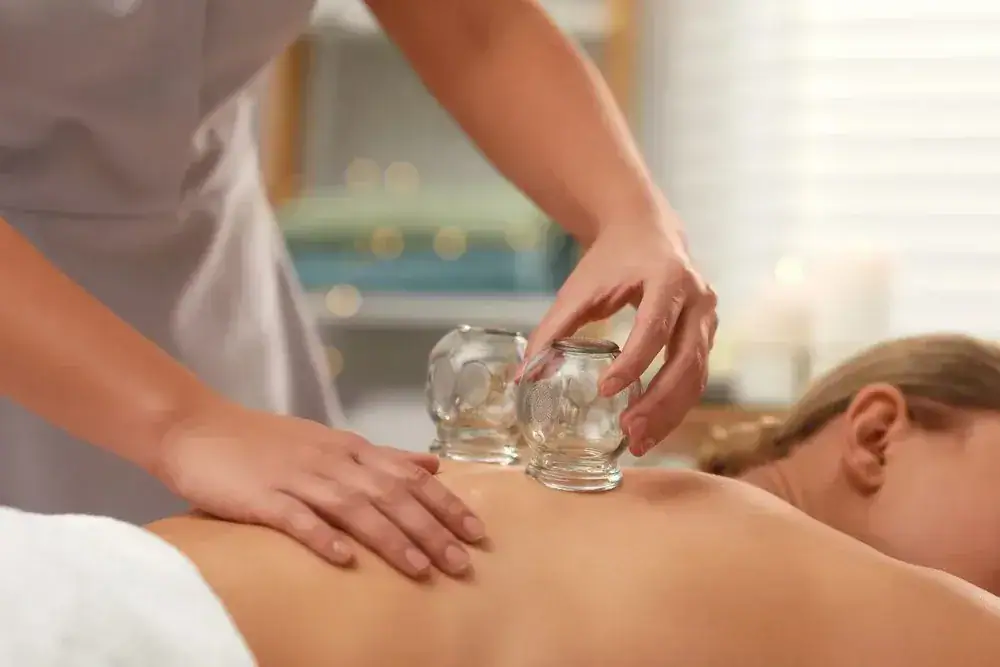
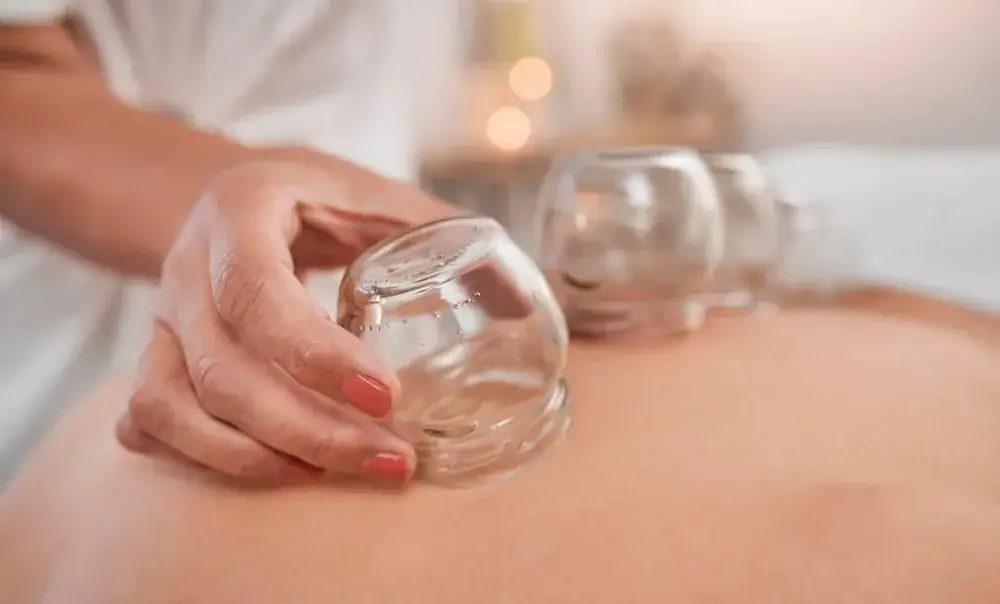
Cupping itself is straightforward. We place specialized cups on your skin, usually on your back, shoulders, neck, or legs. The suction pulls tissue upward, increasing blood flow and releasing tight fascia. Most people say it feels like a deep tissue massage, but without the pressure. Some find it relaxing enough to fall asleep.
We typically leave cups in place for 5 to 15 minutes, depending on the area and your tolerance. When we remove them, you’ll see circular marks—they’re not bruises, just temporary discoloration from increased blood flow. They fade within a few days to a week.
After your session, we’ll talk about what you should expect. Some people feel immediate relief. Others notice improvement over the next 24 to 48 hours as inflammation decreases and circulation continues to improve. We’ll also discuss whether you’d benefit from follow-up sessions or if cupping should be combined with other physical therapy techniques for better long-term results.
Ready to get started?
Cupping works well for chronic back pain, especially lower back pain that flares up from sitting or standing too long. It’s effective for neck pain and shoulder tension—common problems for anyone working at a computer all day. We also use it for knee pain, hip stiffness, and muscle soreness that won’t go away on its own.
In Kings Point and the surrounding North Shore communities, we see a lot of patients dealing with repetitive strain injuries and age-related joint pain. Cupping helps with both. It increases range of motion in stiff joints and reduces the muscle guarding that happens when your body tries to protect an injured area.
Athletes use cupping for faster recovery between workouts. It reduces muscle fatigue and helps clear metabolic waste that builds up during intense training. But you don’t have to be an athlete to benefit. If you’re dealing with everyday pain that limits what you can do—gardening, playing with your kids, walking without discomfort—cupping can help.
The treatment is low-risk with minimal side effects. You might feel a little sore afterward, similar to how you’d feel after a tough workout. But there’s no downtime, no medication, and no long recovery period. Most people go right back to their normal routine after a session.
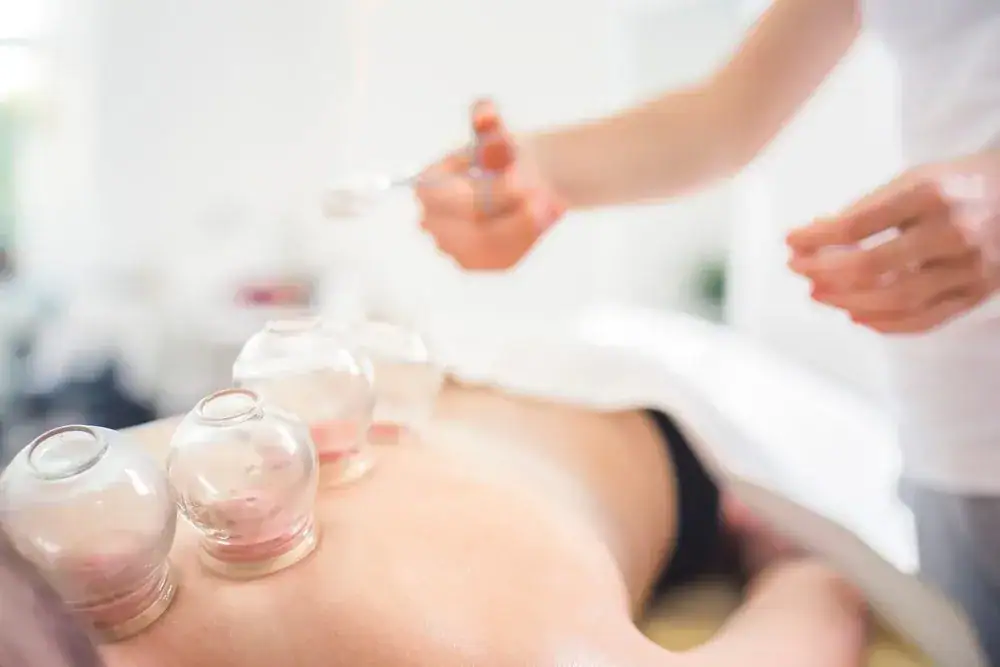
Yes, and there’s research backing it up. Studies show cupping therapy provides moderate to strong evidence for reducing chronic pain, including lower back pain, neck pain, and knee osteoarthritis. It’s not placebo—it’s a mechanical process that increases blood flow, releases tight fascia, and reduces inflammation in targeted areas.
The suction from cupping pulls stagnant blood and fluid away from injured tissue, allowing fresh, oxygen-rich blood to flow in. This speeds up healing and reduces the pain signals your nerves are sending to your brain. Many patients notice improvement after just one session, though chronic conditions usually require multiple treatments for lasting results.
Cupping won’t fix structural problems like herniated discs or torn ligaments. But for muscle-related pain, tension, and restricted movement, it’s one of the most effective non-invasive options available. And because it’s drug-free, you’re not dealing with side effects or dependency concerns.
Those marks aren’t bruises—they’re areas of increased blood flow. When we apply suction, blood rushes to the surface of your skin. The darker the mark, the more stagnation was in that area. It’s actually a sign the treatment is working.
The marks typically fade within three to seven days, depending on how much tension was in the tissue and how your body responds. They don’t hurt. Most people forget they’re even there unless they catch a glimpse in the mirror.
If you’re concerned about visible marks—say, you have an event coming up—let us know before your session. We can adjust the suction level or place cups in areas that clothing will cover. But honestly, most patients stop worrying about the marks once they feel how much better they move afterward.
It depends on what we’re treating. Acute muscle tension or soreness from a recent injury might only need one or two sessions. Chronic pain that’s been building for months or years usually requires more—often four to six sessions spread over a few weeks.
We don’t push you into a long treatment plan if you don’t need it. After your first session, we’ll have a better idea of how your body responds and can give you a realistic timeline. Some patients come in weekly for a month, then taper off to maintenance sessions every few weeks. Others get what they need in two or three visits and move on.
The goal isn’t to keep you coming back forever. It’s to reduce your pain, improve your movement, and give you tools to maintain those results on your own. If cupping alone isn’t enough, we’ll talk about combining it with other physical therapy techniques for better outcomes.
Cupping is considered a low-risk therapy when performed by trained professionals. The most common “side effect” is the temporary circular marks we already mentioned. Some people feel mild soreness or tightness in the treated area for a day or two, similar to post-workout muscle fatigue.
Serious complications are rare and usually only happen when cupping is done incorrectly or by someone without proper training. That’s why it matters who’s performing the treatment. Our physical therapists are licensed healthcare providers with specific training in cupping techniques and safety protocols.
We don’t use cupping on everyone. If you have certain skin conditions, blood clotting disorders, or are on blood thinners, we’ll discuss whether it’s appropriate for you. We also avoid cupping over open wounds, sunburned skin, or areas with active inflammation. Your safety comes first, and we’ll always assess whether cupping is the right choice before we start.
Absolutely, and we often recommend it. Cupping works well alongside manual therapy, therapeutic exercise, and other physical therapy techniques. In fact, combining treatments usually gives you better results than cupping alone.
For example, if you’re dealing with chronic lower back pain, we might use cupping to release tight fascia and improve blood flow, then follow up with targeted exercises to strengthen the muscles supporting your spine. Or we might combine cupping with manual therapy to address both soft tissue restrictions and joint mobility issues at the same time.
The key is creating a treatment plan that addresses the root cause of your pain, not just the symptoms. Cupping is a powerful tool, but it’s most effective when it’s part of a comprehensive approach that includes movement, strength training, and education about how to prevent the problem from coming back. We’ll work with you to figure out what combination makes sense for your specific situation.
During the session, most people describe the sensation as a firm pull or tug on the skin—not painful, just different. Some areas might feel more intense than others, especially if there’s a lot of tension in the tissue. Many patients find it relaxing, similar to a deep massage. It’s common to feel your muscles start to release and soften while the cups are still in place.
Right after we remove the cups, the treated area might feel warm or slightly tender. That’s normal—it’s increased blood flow doing its job. Within a few hours, many people notice they can move more freely or that the sharp pain they came in with has dulled significantly.
Over the next 24 to 48 hours, you might feel some soreness, like you worked out a muscle group that hasn’t been used in a while. This usually passes quickly. The real improvements—better range of motion, less stiffness, reduced pain—often become more noticeable a day or two after treatment as inflammation continues to decrease and your body continues healing. Drink plenty of water after your session to help flush out the metabolic waste we’ve mobilized, and avoid intense physical activity for the rest of the day to give your body time to recover.
Other Services we provide in Kings Point