


You stop planning your day around what hurts. That’s the difference when chronic pain finally loosens its grip.
Cupping therapy increases blood flow to areas that have been tight or inflamed for months. The suction pulls fresh circulation into muscles that haven’t been getting enough oxygen or nutrients. That means faster recovery, less stiffness, and relief that lasts longer than a standard massage.
Most people notice the difference after one session. Your lower back stops locking up when you stand. Your neck doesn’t ache by mid-afternoon. You sleep better because you’re not waking up to adjust your position every hour.
This isn’t about masking symptoms. It’s about addressing the tension and restricted blood flow that’s been feeding the pain cycle. When circulation improves and muscles release, your body can actually start healing instead of just coping.
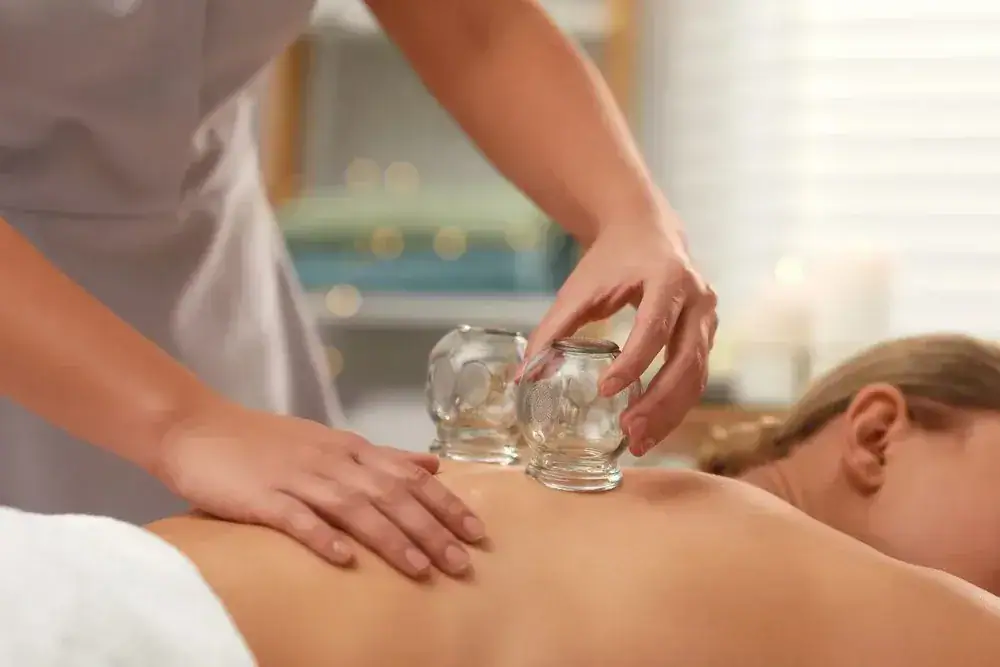
Your therapist starts with an assessment. We need to know where the pain is, how long you’ve had it, and what makes it worse. That tells us where to place the cups and how much suction to use.
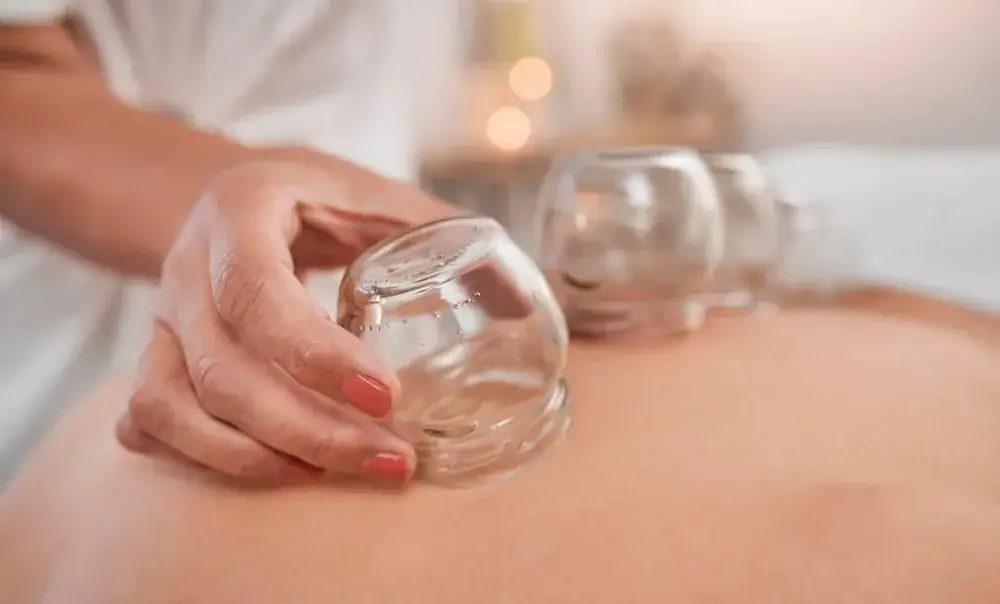
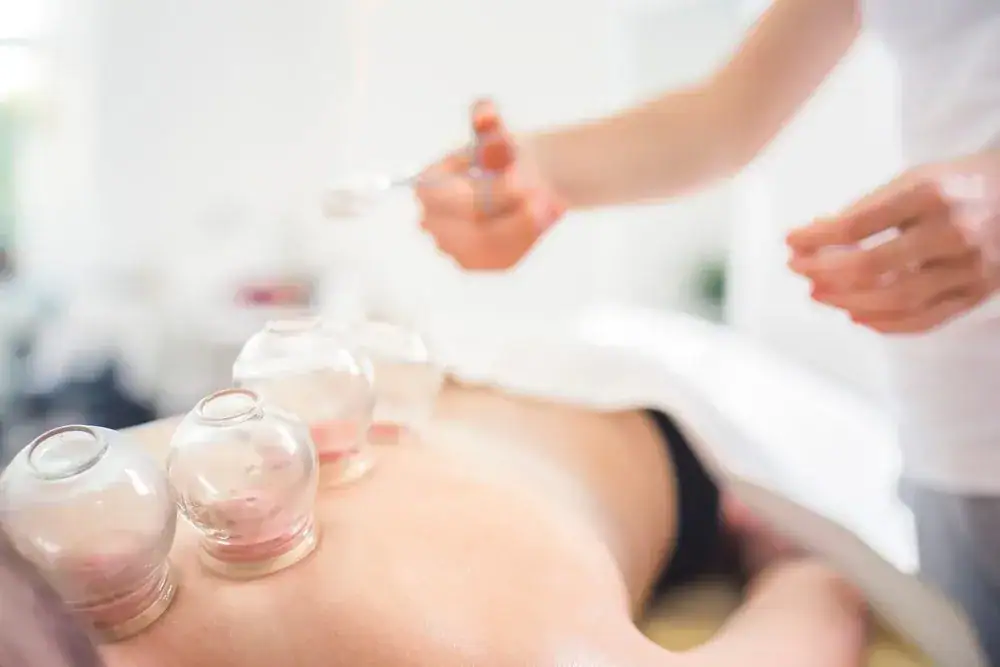
During the session, small cups are placed on your skin—usually on your back, shoulders, neck, or legs. A pump creates suction that pulls your skin and underlying tissue upward into the cup. You’ll feel a tight pulling sensation, but most people find it surprisingly relaxing. It’s the opposite of pressure; it’s a lift that releases instead of compresses.
The cups stay in place for 5 to 15 minutes depending on the area and your tolerance. While they’re on, blood flow increases to those spots. Tight fascia starts to release. Muscles that have been locked up begin to soften.
When the cups come off, you might see circular marks where they were placed. Those aren’t bruises—they’re areas where stagnant blood and fluids were drawn to the surface. They fade within a few days. What lasts longer is the relief.
Ready to get started?
Cupping isn’t a standalone miracle. It works best when it’s part of a broader physical therapy plan that might include manual therapy, stretching, and strengthening exercises.
In Kings Park, we see a lot of patients dealing with lower back pain, neck stiffness, and shoulder tension—often from desk work, repetitive strain, or old injuries that never fully healed. Cupping helps break up the scar tissue and adhesions that keep those areas locked up. It’s especially effective for people who’ve tried chiropractic adjustments or massage without lasting results.
We use dry cupping, which means no needles and no blood. It’s low-risk, non-invasive, and most people tolerate it well. Some patients come in once a week during flare-ups. Others use it monthly for maintenance. The frequency depends on your condition and how your body responds.
You’re not committing to endless sessions. After the first few treatments, we’ll know if cupping is helping. If it’s not the right fit, we’ll adjust the plan. The goal is always to get you feeling better—not to keep you coming back indefinitely.
Yes, but it’s not magic—it’s mechanics. Cupping improves blood flow and releases tight fascia, which are often the root causes of chronic back pain that won’t go away.
When you’ve had back pain for months or years, the muscles and connective tissue in that area get stiff and restricted. Blood flow decreases, which means less oxygen and fewer nutrients reaching the tissues that need to heal. Cupping reverses that by creating suction that pulls fresh blood into the area.
Clinical studies show that cupping can be more effective than sham therapy for reducing pain and improving function in people with persistent lower back pain. Most patients notice a difference after one or two sessions—not complete relief, but enough improvement to move more easily and sleep better. For long-term results, cupping works best when combined with stretching, strengthening, and posture correction.
You’ll likely see circular marks where the cups were placed, but they’re not bruises in the traditional sense. They’re areas where stagnant blood and fluids were drawn to the surface.
The marks usually range from light pink to deep purple depending on how much tension and stagnation was in that area. They don’t hurt, and they typically fade within three to seven days. If you have an event coming up where you’ll be showing your back or shoulders, let your therapist know—we can adjust the suction or placement.
Some people see the marks as a sign the treatment is working. Others prefer lighter suction to minimize discoloration. Either way, the marks are temporary and they’re not an indication of damage. Your skin and tissue are fine. The discoloration is just your body’s way of moving old, stuck fluids out of the area so fresh circulation can take over.
Massage pushes down into your muscles. Cupping pulls up. That difference matters when you’re dealing with deep tension or restricted fascia that doesn’t respond well to pressure.
With massage, a therapist uses their hands to knead and compress muscle tissue. That’s great for surface-level tightness and relaxation. But if your pain is coming from adhesions, scar tissue, or fascia that’s been locked up for a long time, pushing down on it might not be enough.
Cupping creates negative pressure that lifts the tissue away from the underlying structures. That separation helps release adhesions and improve blood flow in a way that compression can’t. The effects also tend to last longer. Many patients say one cupping session gives them more relief than several massages. That said, the two therapies work well together. Some treatment plans include both depending on what your body needs.
Cupping itself usually isn’t billed separately, but when it’s part of a physical therapy treatment plan, the session is often covered under your PT benefits.
At Medcare Therapy Services, we accept Medicare and most major insurance plans. Cupping is typically included as an adjunctive technique during your physical therapy appointment. That means you’re not paying extra for it—it’s part of the overall treatment you’re already receiving.
Coverage depends on your specific plan, your deductible, and whether you’ve met your out-of-pocket maximum for the year. We recommend calling your insurance provider before your first visit to confirm your PT benefits. Our team can also verify your coverage and let you know what to expect in terms of co-pays or co-insurance. If you’re paying out of pocket, we’ll give you a clear cost estimate upfront.
Most people notice improvement after one or two sessions, but lasting relief usually takes four to six treatments spread over a few weeks.
If you’re dealing with acute pain from a recent injury, you might feel significantly better after just one session. Chronic pain that’s been building for months or years takes longer to resolve because the underlying tissue restrictions didn’t develop overnight.
Your therapist will reassess your progress after each visit. If cupping is helping, you’ll notice less pain, better range of motion, and easier movement between sessions. If it’s not making a difference after three or four treatments, we’ll adjust the approach. There’s no point continuing something that isn’t working.
Some patients use cupping as needed during flare-ups. Others come in monthly for maintenance once their pain is under control. The goal is always to get you to a place where you don’t need us anymore—or at least not as often.
Yes. Neck and shoulder tension respond especially well to cupping because those areas tend to hold a lot of stress and postural strain.
If you sit at a desk, drive for long periods, or crane your neck to look at screens, the muscles in your upper back, neck, and shoulders get overworked. Over time, that creates trigger points, restricted fascia, and poor circulation. Cupping targets those exact issues by increasing blood flow and releasing the tight tissue that’s pulling on your neck and shoulders.
Most patients feel immediate relief in their range of motion. Turning your head becomes easier. Your shoulders drop away from your ears. The tension headaches that start at the base of your skull happen less often. For long-term improvement, cupping works best alongside exercises that strengthen your posture and retrain the muscles that have been compensating for the tension. That’s the combination that keeps the pain from coming back.
Other Services we provide in Kings Park