

Your back stops screaming every time you bend over. Your neck doesn’t lock up by mid-afternoon. You can move through your day without planning around pain or popping another pill that barely takes the edge off.
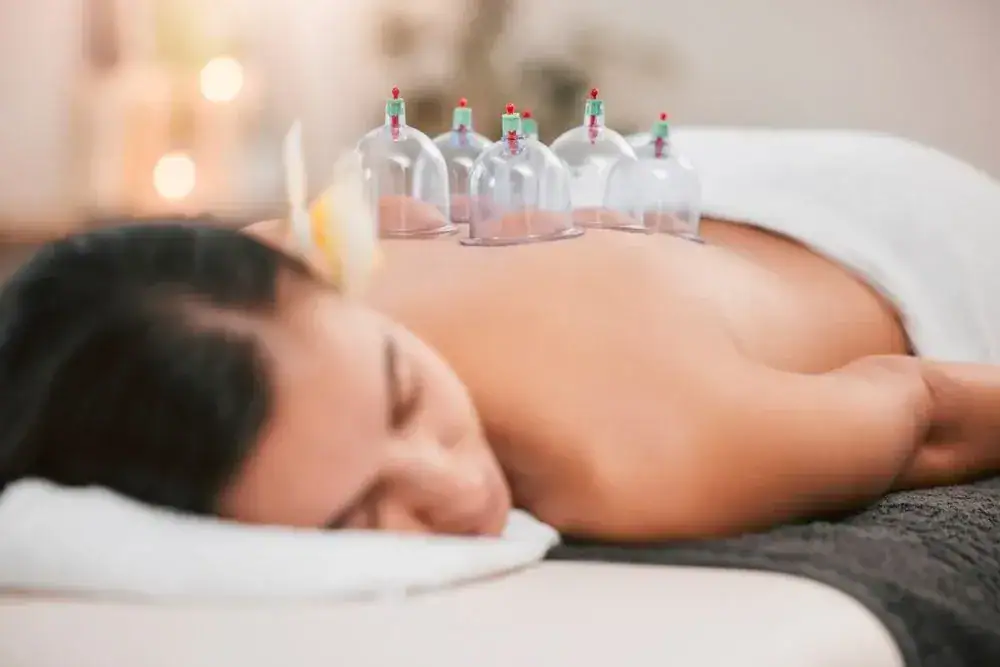
Cupping therapy works by creating suction that pulls blood flow into deep tissue, the kind most treatments can’t reach. That increased circulation delivers oxygen and nutrients exactly where your body needs them to heal. It’s not a temporary fix that wears off by dinner.
Studies show cupping can reduce chronic low back pain, neck pain, and knee osteoarthritis. Some patients with myofascial pain report complete relief after one session. Athletes use it to recover faster after intense training because it helps eliminate lactic acid buildup and improves muscle oxygenation.
The marks fade in a few days. The relief often lasts for weeks. And you’re not adding another medication to your routine or wondering if this is just going to be your life now.
We’ve been serving Islip and the surrounding Long Island communities for over two decades. We’re not a franchise or a rotating door of therapists who don’t know your name.
Our team includes licensed physical therapists who integrate cupping with other proven techniques to build personalized treatment plans. We’ve worked with everyone from athletes dealing with stubborn IT band pain to older adults managing arthritis and mobility issues.
Islip’s aging population means more residents are dealing with chronic pain, limited range of motion, and conditions that don’t respond well to standard treatments. We see that every day. And we’ve built our practice around giving people options that actually work, not just what insurance companies prefer or what takes the least time.
Your first visit starts with an evaluation. We need to understand what’s causing your pain, how long you’ve been dealing with it, and what you’ve already tried. This isn’t a rushed intake form—it’s a real conversation about what’s not working and what you need to get back to.
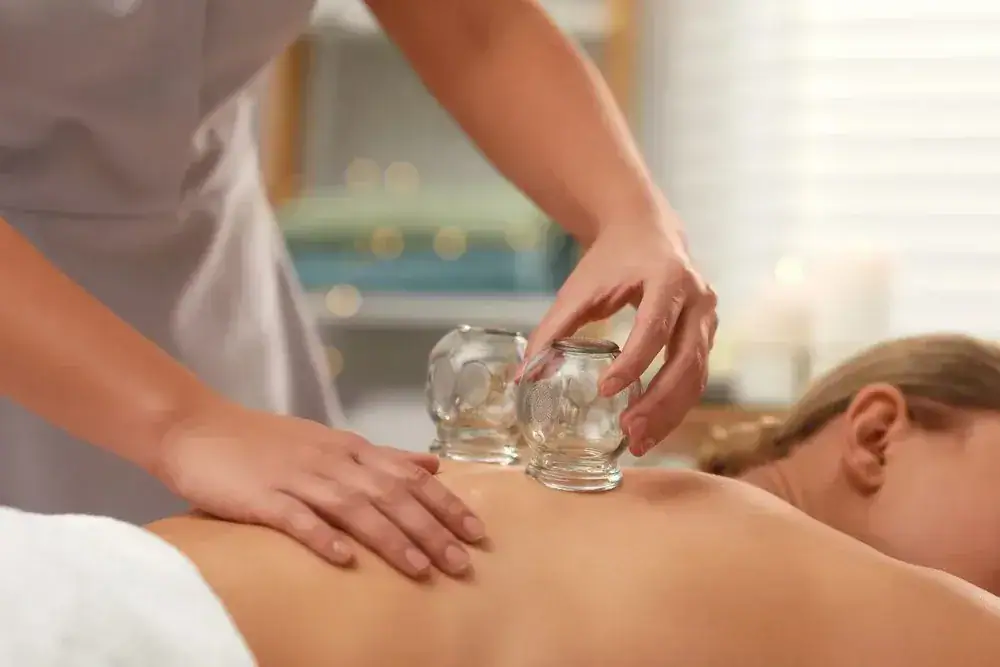
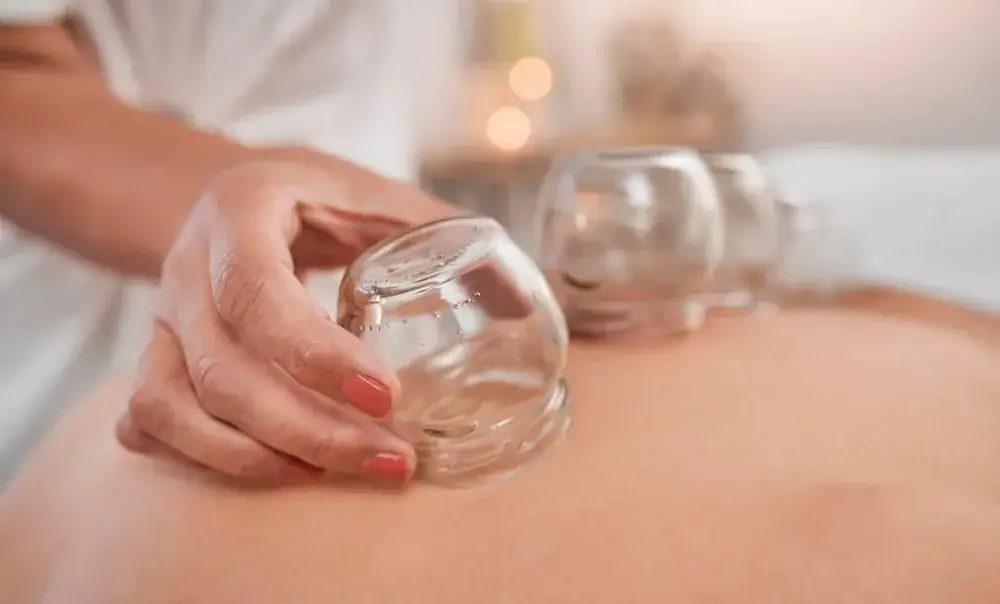
Once we know what we’re treating, we place specialized cups on the affected areas. The suction pulls your skin and tissue upward, increasing blood flow to muscles, fascia, and connective tissue. Some therapists use dry cupping, where cups stay in place. Others use gliding techniques, moving cups across your skin to release deeper layers.
You’ll feel pressure, not pain. The sensation is intense but not unbearable. Sessions typically last 15 to 30 minutes depending on the treatment area and your condition.
After your session, you’ll likely see circular marks where the cups were placed. Those aren’t bruises—they’re a sign of increased blood flow to areas that needed it. They fade within a few days to a week.
Many patients notice immediate improvements in mobility and pain levels. Others need a few sessions before they feel significant relief. We’ll map out a treatment plan based on how your body responds, not some cookie-cutter protocol.
Ready to get started?
Cupping isn’t a magic bullet. It’s one tool in a complete treatment approach that might also include stretching, strengthening exercises, manual therapy, and movement training.
Here’s what matters for Islip residents specifically: Long Island has one of the oldest populations in New York, and by 2030, nearly all baby boomers will be over 65. That means more people dealing with arthritis, musculoskeletal disorders, and age-related pain. Cupping therapy offers a drug-free option that’s especially valuable as more patients look for alternatives to opioids and long-term medication use.
We combine cupping with physical therapy techniques that address the root cause, not just symptoms. If your lower back pain comes from weak core muscles and tight hip flexors, cupping will help release that tension—but you’ll also need exercises that prevent it from coming back.
We also work with athletes and active adults who need faster recovery times. Cupping helps reduce muscle soreness, improve range of motion, and speed up healing after injuries or intense workouts. Some of our patients come in after running, lifting, or playing sports and leave with noticeably better mobility.
You’ll get a personalized plan that fits your schedule, your goals, and your body’s specific needs. Not a generic protocol that treats everyone the same.
Yes, and the research backs it up. Studies show that cupping can significantly reduce chronic low back pain, with many patients experiencing relief that lasts for weeks after treatment. It’s not a placebo effect or wishful thinking.
Cupping works by increasing blood flow to deep tissue and muscles that are locked up from years of tension, poor posture, or previous injuries. That increased circulation brings oxygen and nutrients that help tissue heal and relax. When those muscles finally release, the pain often goes with them.
Some patients see improvement after one session. Others need several treatments depending on how long they’ve been dealing with pain and what’s causing it. If your back pain comes from a herniated disc or structural issue, cupping can help manage symptoms but won’t fix the underlying problem. We’ll be honest about what it can and can’t do during your evaluation.
Cupping leaves circular marks that look like bruises, but they’re not the same thing. Bruises happen when blood vessels break under the skin from impact. Cupping marks come from increased blood flow being pulled to the surface, which is actually the point of the treatment.
The marks are usually dark red or purple right after your session, then fade to lighter shades over the next few days. Most disappear completely within a week, though some people’s skin holds onto them a bit longer depending on skin tone and how much suction was used.
If you have an event coming up where you’ll be in a bathing suit or sleeveless outfit, let us know beforehand. We can adjust placement or timing so the marks aren’t visible in areas that matter to you. But for most patients, the marks are a non-issue compared to the relief they get from treatment.
It depends on what we’re treating and how long you’ve been dealing with it. Some patients with acute muscle pain or tension feel immediate relief after one session. Others with chronic conditions like osteoarthritis or fibromyalgia need ongoing treatment to maintain results.
A typical treatment plan might include 4 to 6 sessions over a few weeks, then maintenance visits as needed. If you’re an athlete using cupping for recovery, you might come in after hard training sessions or competitions. If you’re managing a chronic condition, you might need regular appointments to keep pain under control.
We don’t lock you into packages or make you prepay for sessions you might not need. After your first visit, we’ll give you a realistic timeline based on how your body responds. Some people get what they need in a handful of visits. Others benefit from longer-term care. We’ll adjust the plan as we go based on your progress, not some arbitrary number we decided before meeting you.
Sometimes, but it depends on your specific plan and how the treatment is billed. If cupping is part of a physical therapy session and coded as manual therapy or myofascial release, many insurance plans will cover it under your PT benefits.
If it’s billed as a standalone alternative therapy, coverage gets less predictable. Some plans explicitly exclude cupping or other traditional Chinese medicine techniques. Others cover it if it’s medically necessary and prescribed by a physician.
We recommend calling your insurance company before your first visit to ask about coverage for physical therapy services that include cupping or manual therapy techniques. Bring your insurance card to your appointment, and we’ll verify your benefits and let you know what you’ll owe out of pocket. If insurance doesn’t cover it, we’ll discuss cash pay options so you know exactly what you’re paying before we start treatment.
Cupping works for both. Athletes use it to recover faster after intense training, reduce muscle soreness, and improve range of motion before competition. It’s not just for people dealing with years of chronic pain.
When you push your body hard, lactic acid builds up in your muscles and causes that deep soreness that makes it hard to move the next day. Cupping improves circulation and helps flush out metabolic waste faster, which speeds up recovery. Some athletes also use it to treat specific injuries like IT band syndrome, rotator cuff issues, or hamstring strains.
Olympic and professional athletes have used cupping for years, and there’s a reason it’s stuck around. It works. If you’re training for a race, recovering from a sports injury, or just trying to stay active without constant soreness, cupping can be part of your recovery routine. We’ll combine it with other techniques like stretching, strengthening, and movement training to keep you performing at your best.
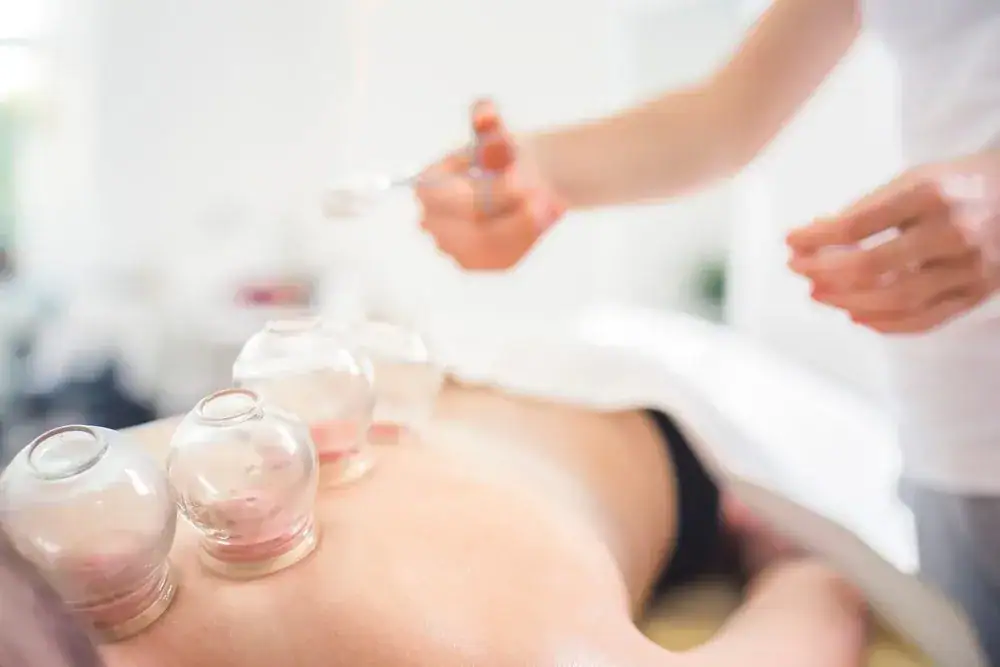
Dry cupping is the most common type we use in physical therapy. Cups are placed on your skin, suction is created (either with a pump or heat), and they stay in place for several minutes. The suction pulls tissue upward, increases blood flow, and releases tight muscles and fascia.
Wet cupping involves making small incisions in the skin before applying cups, which draws out a small amount of blood. It’s more common in traditional Chinese medicine but less frequently used in Western physical therapy settings. Most patients don’t need it, and dry cupping delivers the same benefits without breaking the skin.
Some therapists also use gliding or massage cupping, where cups are moved across your skin instead of staying stationary. This technique is especially useful for releasing larger muscle groups or working along fascia lines. We use dry cupping and gliding techniques depending on what your body needs. We’ll explain which approach makes the most sense for your condition during your evaluation.
Other Services we provide in Islip