
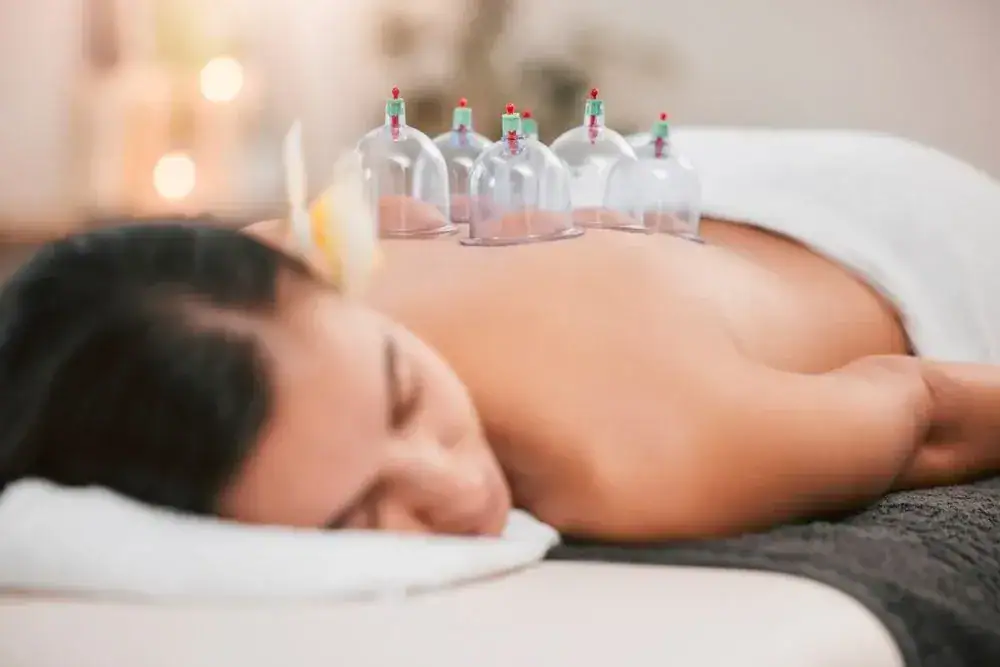

You’re dealing with pain that limits what you can do. Back pain that makes getting out of bed harder than it should be. Neck tension that won’t quit no matter how many times you stretch. Shoulder tightness that keeps you from lifting your arm without wincing.
Cupping therapy works by increasing blood flow to the areas that hurt most. When circulation improves, your muscles get the oxygen and nutrients they need to heal. Tension releases. Inflammation decreases. Range of motion improves.
The treatment stimulates your body to release endorphins, which are your natural pain-relieving chemicals. You’re not masking symptoms or depending on medication to get through your day. You’re addressing the root cause of muscle pain and stiffness.
Most people notice reduced pain levels after their first few sessions. Movement becomes easier. Daily activities that felt impossible start feeling manageable again. You sleep better because you’re not waking up from discomfort.
Medcare Therapy Services has been treating patients across Long Island since 2010. Our physical therapists are licensed, trained in cupping techniques, and experienced in treating the chronic pain conditions common in Huntington Bay’s active community.
We don’t offer cupping as a trendy add-on. It’s integrated into comprehensive physical therapy treatment plans designed around your specific condition. Whether you’re dealing with arthritis, sports injuries, or chronic back pain, you’re working with professionals who understand how to use dry cupping effectively.
Huntington Bay residents have access to our secure, verified locations where patient data is protected and treatment is consistent. You’re not walking into a spa offering cupping without medical oversight. You’re getting care from healthcare providers who combine cupping with other evidence-based therapies to get you actual results.
Your first visit starts with an evaluation. We assess your pain level, range of motion, and the specific areas causing problems. This isn’t a one-size-fits-all treatment. Your therapist needs to understand what’s going on before placing any cups.
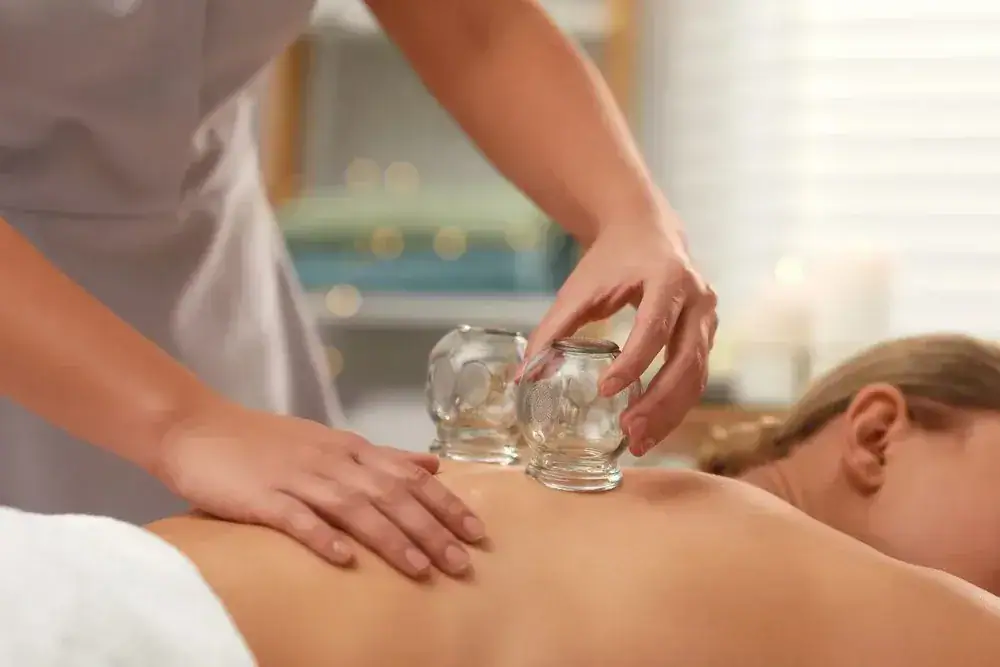
During the session, we use dry cupping, which is less invasive and more comfortable than wet cupping. Cups are placed on your skin, creating suction that pulls blood to the surface. This increases circulation, loosens tight fascia, and helps release muscle knots. The cups stay in place for several minutes while your muscles relax.
You might see circular marks afterward. That’s normal. They’re not bruises, they’re a result of increased blood flow, and they fade within a few days. Most people describe the sensation as a deep tissue massage, not painful.
We typically combine cupping with other physical therapy techniques like manual therapy, stretching, or strengthening exercises. The goal is to reduce your pain long-term, not just during the session. Your therapist will create a treatment plan based on how your body responds and what your recovery goals are.
Ready to get started?
You’re getting treatment from licensed physical therapists, not massage therapists dabbling in cupping. That matters because physical therapists understand musculoskeletal conditions, injury recovery, and how to integrate cupping into a broader treatment strategy.
Huntington Bay has an aging population dealing with arthritis, chronic back pain, and mobility limitations. Our approach addresses these specific conditions with techniques proven to reduce pain and improve function. Dry cupping is effective for knee osteoarthritis, low back pain, neck pain, and shoulder injuries, all common in this area.
Each session is personalized. If you’re recovering from a sports injury, your treatment looks different than someone managing chronic arthritis pain. We adjust cup placement, suction intensity, and session length based on your tolerance and response.
You also get education. We explain what’s happening, why it works, and what you can do between sessions to maintain progress. Cupping isn’t magic. It’s a therapeutic technique that works best when combined with movement, proper body mechanics, and consistency. We make sure you understand the process so you can make informed decisions about your care.
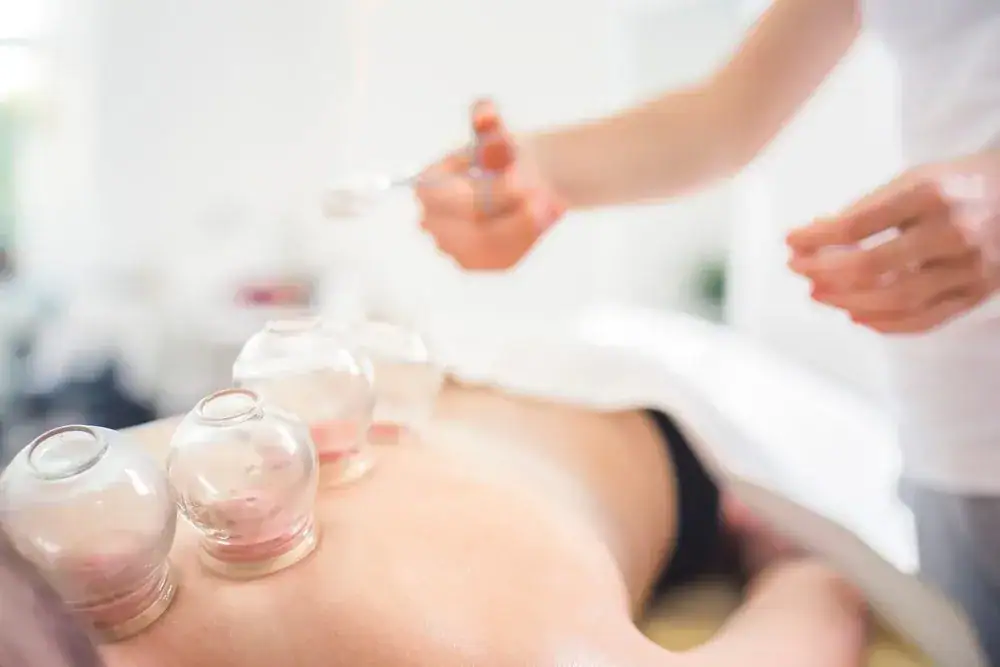
Yes, research shows cupping therapy can significantly reduce chronic back pain when performed correctly. Studies demonstrate that it improves blood circulation to affected areas, which helps decrease muscle tension and inflammation. The suction created by the cups pulls stagnant blood and fluids to the surface, allowing fresh, oxygenated blood to reach tight, painful muscles.
For chronic low back pain specifically, cupping has shown moderate-quality evidence of effectiveness. It’s not a cure, but it’s a legitimate treatment option that many people find more effective than relying solely on pain medication. The key is consistency and combining it with other therapies like stretching and strengthening.
You won’t feel 100% better after one session. Most people need several treatments to see lasting improvement. But many patients report reduced pain levels, better mobility, and less stiffness after their first few sessions. It works best when you’re also addressing the underlying causes of your pain, not just treating symptoms.
Dry cupping is considered safe when performed by trained professionals like licensed physical therapists. The most common side effect is temporary circular discolorations on your skin where the cups were placed. These marks look dramatic but they’re not bruises. They’re caused by increased blood flow and typically fade within three to seven days.
Some people experience mild soreness in the treated areas, similar to what you’d feel after a deep tissue massage. This usually resolves within 24 hours. Skin infections are rare and almost always the result of improper technique or unsterilized equipment, which is why working with a licensed provider matters.
We use dry cupping exclusively because it’s effective for muscle relaxation and pain relief without the added risks of wet cupping, which involves small incisions. If you have certain skin conditions, are on blood thinners, or are pregnant, let your therapist know during your evaluation. There are some cases where cupping isn’t recommended, and we’ll discuss alternatives if that applies to you.
A typical cupping session lasts between 30 and 60 minutes, depending on the areas being treated and whether it’s combined with other physical therapy techniques. The cups themselves usually stay on your skin for 5 to 15 minutes per placement area.
Your first appointment will be longer because it includes an evaluation. Your therapist needs to assess your condition, discuss your pain history, and determine the best treatment approach. Follow-up sessions are usually shorter since we’re focusing on treatment rather than assessment.
If cupping is part of a comprehensive physical therapy plan, the session might include manual therapy, exercises, or other modalities before or after the cups are applied. The total time depends on your treatment plan. Most people schedule cupping once or twice a week initially, then reduce frequency as pain improves. Your therapist will recommend a schedule based on your specific condition and how your body responds to treatment.
Cupping therapy is most effective for musculoskeletal pain and muscle-related conditions. This includes chronic back pain, neck pain, shoulder pain, knee osteoarthritis, and sports injuries. It’s particularly helpful for conditions where muscle tension, poor circulation, or fascial restrictions are contributing to your pain.
Many people use cupping for recovery after intense physical activity or to manage chronic conditions like arthritis. It helps reduce inflammation, improve range of motion, and decrease muscle tightness. Athletes often incorporate cupping into their recovery routine because it can speed healing and reduce soreness.
Cupping isn’t appropriate for every condition. It won’t fix structural problems like herniated discs or torn ligaments, but it can help manage the pain and muscle tension that often accompany those injuries. It’s also not a replacement for medical treatment if you have a serious underlying condition. Your physical therapist will evaluate whether cupping is right for your specific situation and recommend it only if there’s a reasonable expectation it will help. If it’s not the best option, we’ll tell you what is.
Coverage depends on your specific insurance plan and whether cupping is performed as part of physical therapy treatment. Many insurance plans cover physical therapy services, and if cupping is included in your treatment plan as a therapeutic technique, it may be covered under your physical therapy benefits.
We recommend calling your insurance provider before your first appointment to ask about coverage for physical therapy and specifically mention cupping or myofascial decompression, which is the clinical term some insurers use. Ask about your copay, deductible, and whether you need a referral from your primary care doctor.
Our team can verify your benefits and provide cost estimates before you start treatment. We handle insurance claims and will work with your provider to maximize your coverage. If cupping isn’t covered, we’ll discuss out-of-pocket costs upfront so there are no surprises. Some people choose to pay out of pocket because the relief they get is worth the cost, but you should have all the information before making that decision.
Cupping uses suction to pull tissue upward, while massage uses pressure to push tissue down. That difference matters because cupping can reach deeper layers of fascia and muscle tissue in a way that manual pressure sometimes can’t. The suction creates space between muscle layers, releases adhesions, and improves blood flow more directly to problem areas.
Massage is great for relaxation and general muscle tension, but cupping targets specific therapeutic outcomes like reducing inflammation, breaking up scar tissue, and improving circulation to injured or chronically tight areas. When performed by a physical therapist, cupping is part of a medical treatment plan, not just a wellness service.
You might feel more immediate relief from cupping in areas where you have deep muscle knots or chronic tightness. The marks left behind also give your therapist visual feedback about where blood flow was most restricted, which helps guide future treatments. Both techniques have value, but cupping offers a different mechanism of action that can be more effective for certain types of pain, especially when other treatments haven’t worked.
Other Services we provide in Huntington Bay