
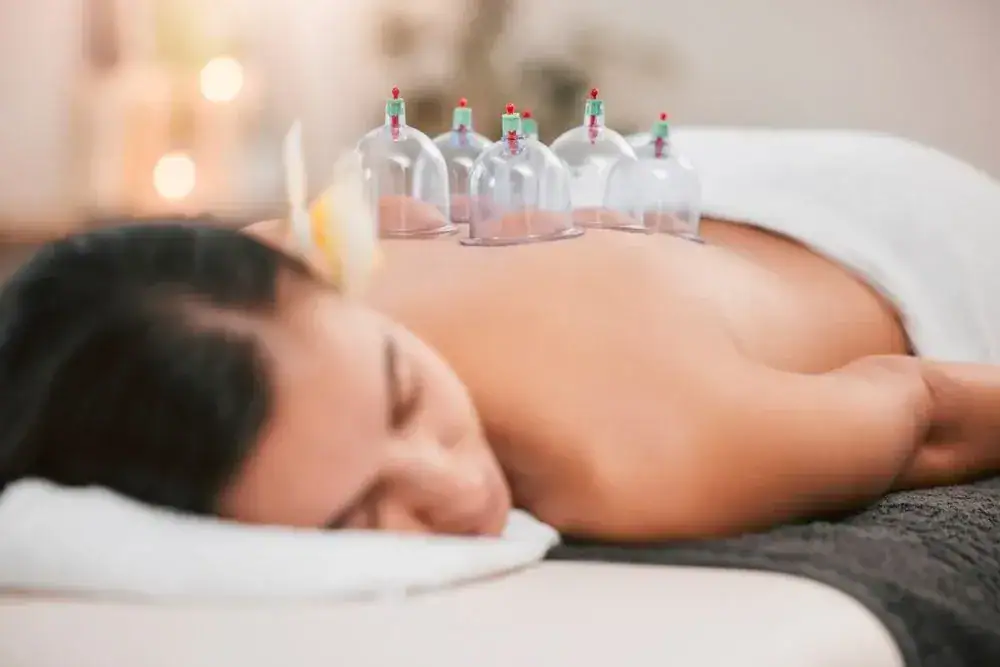

You’re not looking for temporary relief that wears off by dinner. You want to sleep through the night without waking up stiff. You want to pick up your kids or grandkids without wincing. You want to get through your workday without constantly shifting positions or reaching for another pill.
Cupping therapy works by improving blood flow to tight, painful areas and releasing the tension trapped deep in your muscle tissue. The suction draws fresh blood to the surface, encourages muscle fibers to loosen, and reduces the inflammation that’s been keeping you stuck in the pain cycle.
Most people notice better range of motion after their first session. That doesn’t mean the problem disappears overnight, but it does mean you start moving differently—with less guarding, less compensation, and more confidence that your body can actually heal.
This isn’t about chasing trends or trying something because an athlete posted about it. It’s about addressing the root cause of your pain with a technique that’s been used for thousands of years and is now backed by licensed physical therapists who know exactly how to apply it for your specific condition.
We’ve been serving Holbrook and the surrounding Long Island communities with professional physical therapy for years. Our therapists aren’t just certified—they’re trained specifically in cupping techniques and know how to integrate this treatment into a comprehensive care plan that actually works.
We’re not a spa offering relaxation sessions. We’re a medical practice focused on measurable outcomes. Every treatment is supervised by licensed professionals who understand musculoskeletal injuries, chronic pain conditions, and how to get you functioning again.
You’ll find us treating everyone from office workers with neck and shoulder tension to athletes recovering from sports injuries to older adults managing arthritis and mobility issues. What they all have in common is wanting relief that lasts, not just feels good for an hour.
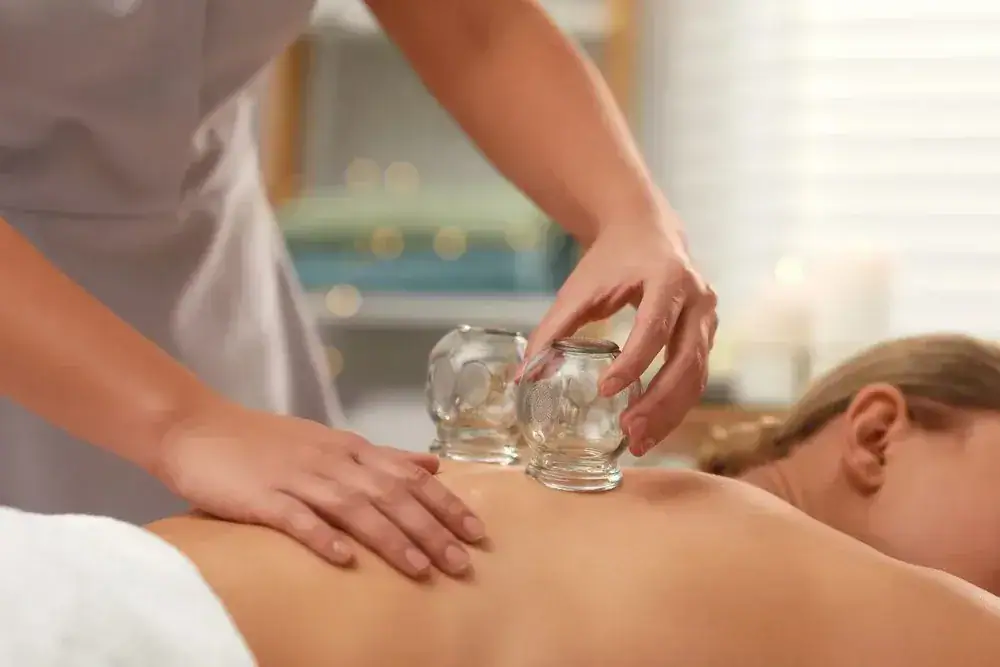
Your first visit starts with an evaluation. We need to understand what’s causing your pain, how long you’ve been dealing with it, and what you’ve already tried. This isn’t a one-size-fits-all treatment, and we don’t pretend it is.
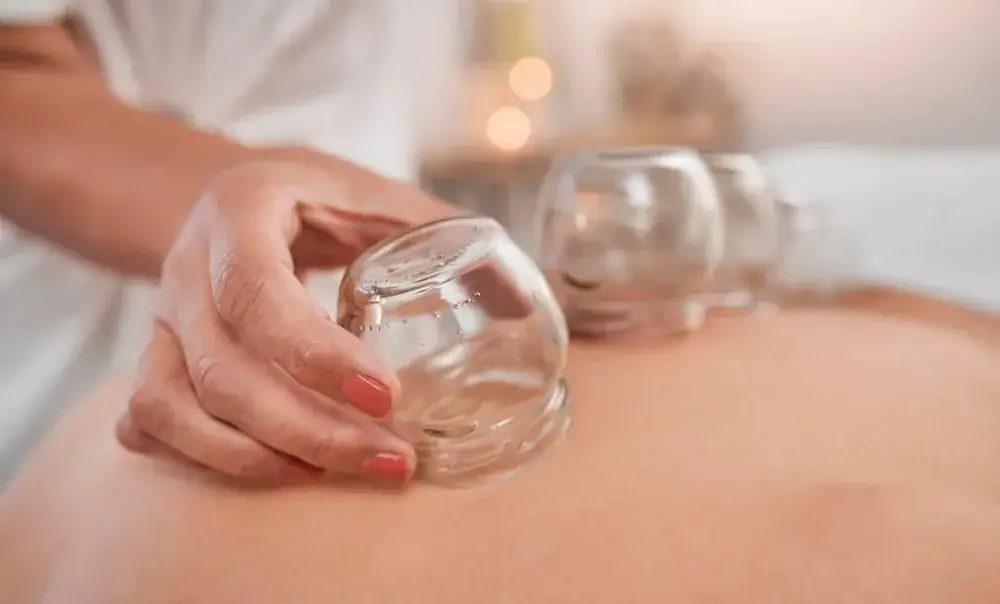
Once we’ve identified the problem areas, we apply cups to your skin using either dry cupping or myofascial decompression techniques. The cups create suction that pulls blood to the surface and lifts the tissue away from the underlying muscle. You’ll feel the pull, but it shouldn’t hurt—most people describe it as a deep pressure that actually feels relieving.
We leave the cups in place for several minutes, sometimes moving them across the muscle in a gliding technique to release larger areas of tension. The increased blood flow helps reduce inflammation, flush out metabolic waste, and deliver oxygen and nutrients your tissues need to heal.
After we remove the cups, you might notice circular marks on your skin. Those aren’t bruises—they’re a sign of increased circulation and usually fade within a few days. Many patients feel immediate relief in terms of reduced tightness and improved mobility, though the full benefits build over multiple sessions as your body continues healing.
Ready to get started?
Cupping works particularly well for chronic back pain, neck pain, and shoulder tension—the kind of pain that’s been hanging around for months or years and hasn’t responded well to other treatments. We also use it for headaches, especially tension headaches that start in the neck and radiate upward.
If you’re an athlete or weekend warrior dealing with muscle strains, ligament sprains, or overuse injuries, cupping can speed up your recovery by improving circulation and reducing muscle spasms. We’ve seen it significantly improve range of motion in people who’ve been stuck at a plateau in their rehab.
For Holbrook residents managing conditions like arthritis, fibromyalgia, or other chronic pain disorders, cupping offers a way to reduce pain and inflammation without adding more medications to your routine. It integrates seamlessly with your other treatments and can actually make your physical therapy exercises more effective by loosening up the tissues first.
We customize every session based on what your body needs that day. Some weeks you might need more aggressive treatment. Other weeks we focus on maintenance and prevention. The goal is always the same: get you feeling better and keep you there.
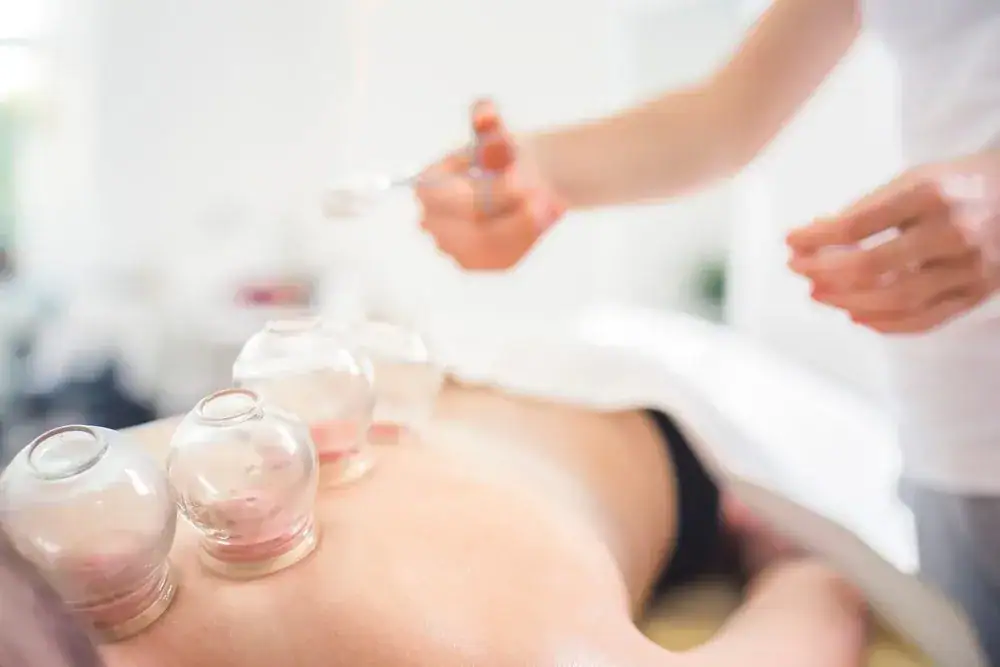
Yes, and the research backs it up. Multiple studies show that cupping therapy can effectively reduce chronic back pain, particularly lower back pain that hasn’t responded well to other conservative treatments.
Here’s what’s actually happening: chronic back pain often involves tight, inflamed muscle tissue with restricted blood flow. Cupping increases circulation to those areas, which helps reduce inflammation and delivers the oxygen and nutrients your muscles need to heal. The suction also releases fascial restrictions—the connective tissue that can get stuck and pull on your muscles and joints.
Most people notice some improvement after their first session, but real, lasting change typically requires multiple treatments over several weeks. We’re not just masking symptoms—we’re addressing the underlying tissue dysfunction that’s causing your pain. That takes time, but it also means the results tend to stick around longer than what you’d get from a quick fix.
It depends on your specific plan and how the treatment is billed. When cupping is performed by a licensed physical therapist as part of your physical therapy treatment plan, many insurance companies will cover it under your PT benefits.
We bill cupping as a manual therapy technique within your physical therapy session, not as a separate alternative medicine service. That distinction matters for insurance purposes. Before your first visit, we can verify your benefits and let you know what your out-of-pocket costs will be.
Even if your insurance doesn’t cover it or you haven’t met your deductible yet, the cost is typically much less than ongoing pain medications, repeated doctor visits, or missing work because you’re in too much pain to function. We’re transparent about pricing upfront so you can make an informed decision about your care.
The difference is training, intent, and integration with medical care. At a spa, cupping is typically offered as a relaxation treatment by massage therapists or aestheticians. At our clinic, it’s performed by licensed physical therapists who’ve been trained to treat specific musculoskeletal conditions.
We’re not just placing cups randomly or following a generic relaxation protocol. We’re assessing your movement patterns, identifying exactly which muscles and fascia are restricted, and using cupping strategically to address those specific problem areas. We also integrate it with other physical therapy techniques—stretching, strengthening, manual therapy—to create a comprehensive treatment plan.
Our goal isn’t to help you relax for an hour. It’s to reduce your pain, improve your function, and get you back to your normal activities. That requires a clinical approach with proper evaluation, treatment planning, and follow-up—not just a feel-good session.
Most people notice some improvement after one or two sessions, but meaningful, lasting change usually takes four to eight sessions over several weeks. That’s not a sales pitch—it’s just how tissue healing works.
The first session often provides immediate relief in terms of reduced muscle tension and improved mobility. But chronic pain doesn’t develop overnight, and it doesn’t disappear overnight either. Your body needs time to break the pain cycle, reduce inflammation, and build new, healthier movement patterns.
We’ll reassess your progress every few sessions and adjust the treatment plan based on how you’re responding. Some conditions resolve quickly. Others need ongoing maintenance. We’re honest about what to expect and don’t drag out treatment longer than necessary. If cupping isn’t working for you after a reasonable trial, we’ll tell you and recommend something else.
No, they’re temporary and they’re not actually bruises. The circular marks you see after cupping are caused by increased blood flow to the area—basically, the treatment is doing exactly what it’s supposed to do.
The marks typically fade within three to seven days, depending on how much stagnation was in the tissue and how your body responds. Areas with more pain and restriction often show darker marks initially, which is actually a good sign that we’re addressing the right spots.
Unlike bruises, which are caused by trauma and broken blood vessels, cupping marks are the result of controlled suction bringing blood to the surface. They don’t hurt, and they’re not a sign of damage. If you’re concerned about visible marks for an event or occasion, just let us know and we can adjust the intensity or skip certain areas.
Absolutely. In fact, that’s exactly how we use it. Cupping isn’t a standalone treatment—it’s a technique we integrate into your overall physical therapy plan to make everything else work better.
For example, if you’re doing exercises to strengthen your shoulder but the muscles are too tight to move properly, we might use cupping first to release that tension. Then your exercises become more effective because you’re moving through a better range of motion with less compensation.
We also combine cupping with other manual therapy techniques, stretching, and functional training based on what your body needs. The goal is always to address your specific condition in the most effective way possible, and cupping is one more tool that helps us do that for the right patients at the right time.
Other Services we provide in Holbrook