

You’re not looking for temporary relief that wears off in three hours. You want to sleep through the night without waking up stiff. You want to reach for something on a high shelf without bracing yourself first.
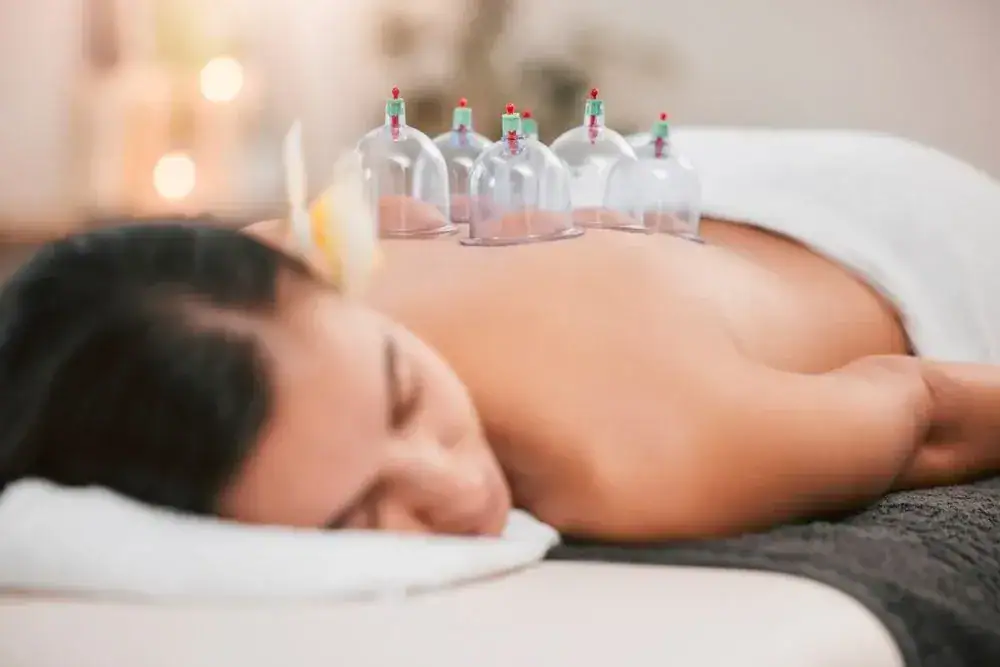
Cupping therapy works by creating suction on your skin that pulls blood flow to the affected area. That increased circulation helps break up the tension patterns causing your pain. The cups stay in place for several minutes, and most people feel a noticeable difference in muscle tightness before they even leave the table.
This isn’t about masking symptoms. It’s about addressing what’s actually causing the discomfort so your body can start functioning the way it should. For people dealing with chronic neck pain, lower back issues, or restricted mobility from old injuries, that difference matters.
We operate across Long Island with licensed physical therapists trained in cupping techniques and complementary therapies. Our Hewlett Neck patients come from across Nassau County because they’re tired of rushed appointments and cookie-cutter treatment plans.
Every session starts with understanding what’s not working in your body right now. Then we build a treatment approach that makes sense for your specific condition. Cupping often works best when combined with other physical therapy techniques, and our therapists know how to integrate it effectively.
We’ve been serving this community long enough to know that people here don’t want to be sold. They want straight answers about what will actually help.
Your first appointment includes an assessment. We need to understand where you’re feeling pain, what makes it worse, and what you’ve already tried. This isn’t a formality—it directly shapes how we approach your treatment.
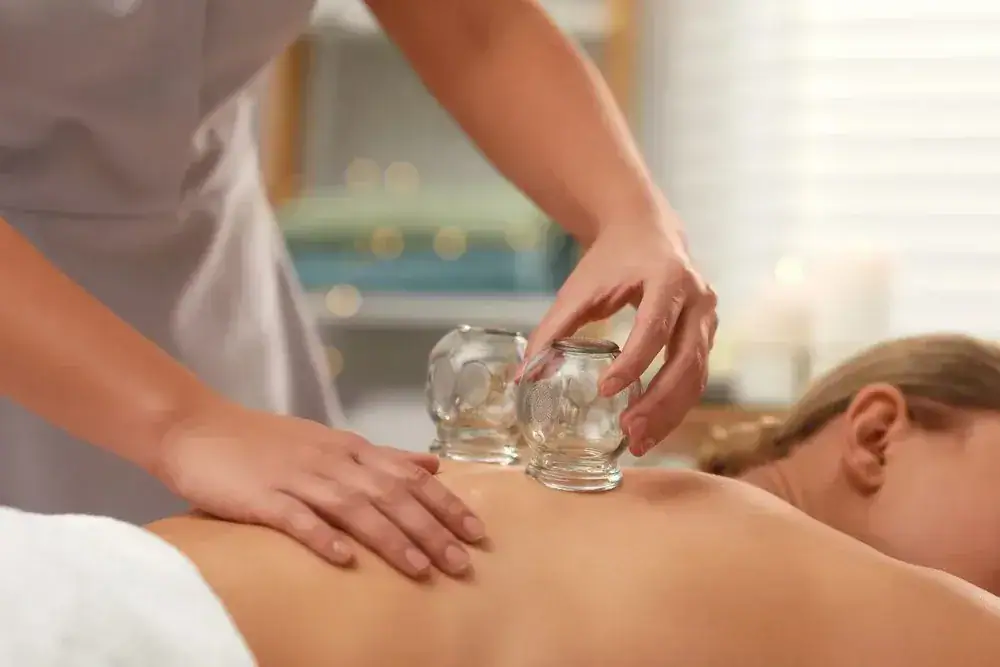
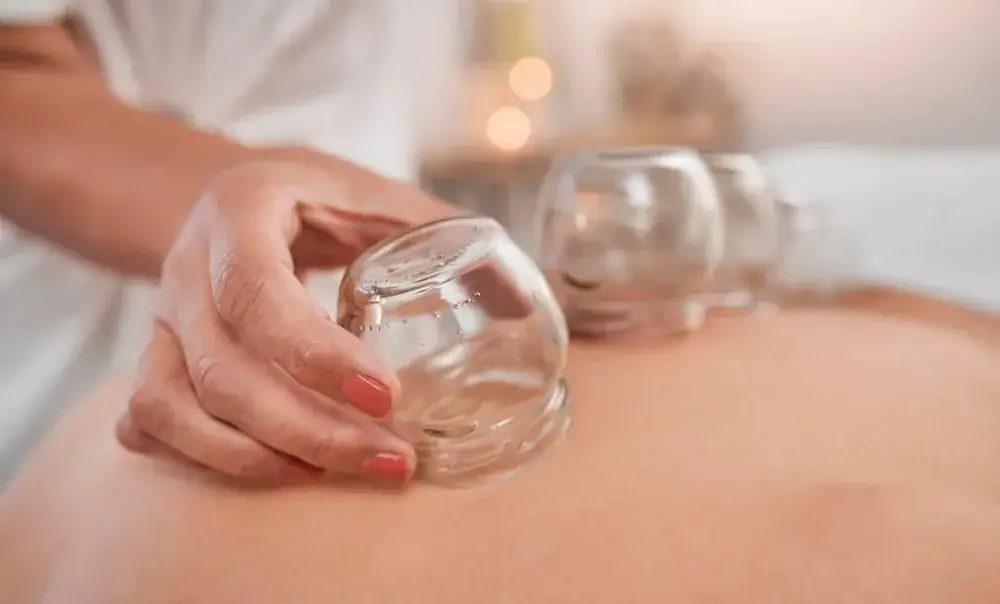
During the cupping session itself, we place specialized cups on targeted areas of your body. The cups create suction that draws your skin upward slightly. You’ll feel pressure and tightness, but it shouldn’t hurt. Most people describe it as a deep tissue sensation that’s intense but not painful.
The cups typically stay in place for 5-15 minutes depending on what we’re treating. While they’re working, that suction is increasing blood flow to tissues that aren’t getting enough circulation. It’s also helping to release fascial restrictions and trigger points that contribute to chronic pain patterns.
After we remove the cups, you might see circular marks on your skin. Those aren’t bruises—they’re a sign of increased blood flow to the area. They fade within a few days and don’t hurt.
Ready to get started?
Cupping therapy is particularly effective for chronic lower back pain, persistent neck tension, and knee pain from osteoarthritis. If you’ve been dealing with muscle tightness that won’t release no matter how much you stretch, this approach targets that directly.
Here in Hewlett Neck and across Nassau County, we’re seeing more patients who want alternatives to long-term medication use. The opioid crisis has made people rightfully cautious about prescription pain management. Cupping offers a non-pharmaceutical option that’s been proven effective in clinical studies for reducing pain intensity and improving function.
We often combine dry cupping with other physical therapy techniques. That might include manual therapy, targeted exercises, or movement training. The goal isn’t just to make you feel better for a day—it’s to address the underlying dysfunction so the pain doesn’t keep coming back.
Your treatment plan depends on what’s actually wrong. Some people see significant improvement after just a few sessions. Others with more complex chronic conditions benefit from ongoing treatment integrated into a broader rehabilitation program.
Yes, and the research backs this up. Multiple clinical studies show that cupping significantly improves both pain levels and disability in people with chronic lower back pain. We’re talking about measurable improvements in how far you can bend, how long you can sit without discomfort, and how much pain you’re experiencing day-to-day.
The mechanism makes sense when you understand what’s happening. Chronic back pain often involves muscles that are constantly tight, restricting blood flow and creating trigger points. Cupping increases circulation to those areas and helps release the fascial restrictions contributing to your pain.
That said, cupping works best as part of a complete treatment approach. If your back pain stems from poor movement patterns or weak stabilizing muscles, cupping will provide relief but you’ll also need corrective exercises to prevent the problem from returning. That’s why we integrate it with other physical therapy techniques rather than offering it as a standalone treatment.
Cupping is safe when performed by trained healthcare professionals. The most common “side effect” is temporary circular marks where the cups were placed. These look dramatic but don’t hurt and typically fade within 3-7 days. They’re caused by increased blood flow to the area, not tissue damage.
Some people feel mild soreness in treated areas for a day or two after their first session, similar to how you might feel after a deep tissue massage. This is normal and usually decreases with subsequent treatments as your body adapts.
Cupping isn’t appropriate for everyone. We don’t use it on people taking blood thinners, those with certain skin conditions, or in areas with open wounds or recent injuries. That’s why the initial assessment matters—we need to know your full medical history before starting treatment. Our licensed physical therapists are trained to identify any contraindications and adjust your treatment plan accordingly.
Most people notice some improvement after their first session, but lasting results typically require multiple treatments. For acute pain or muscle tension, you might see significant relief within 3-5 sessions. Chronic conditions that have been developing for months or years usually need a longer treatment timeline.
The honest answer is that it depends on what’s causing your pain and how your body responds. Someone with recent neck tension from a stressful work period will likely improve faster than someone managing chronic pain from a years-old injury. Your overall health, activity level, and whether you’re doing recommended exercises between sessions all factor in.
We’ll give you a realistic timeline after your initial assessment. If you’re not seeing any improvement after several sessions, we’ll reassess and adjust the approach. The goal is always to get you better, not to keep you coming indefinitely. Many of our patients use cupping as part of their initial treatment to reduce pain, then transition to maintenance visits as needed.
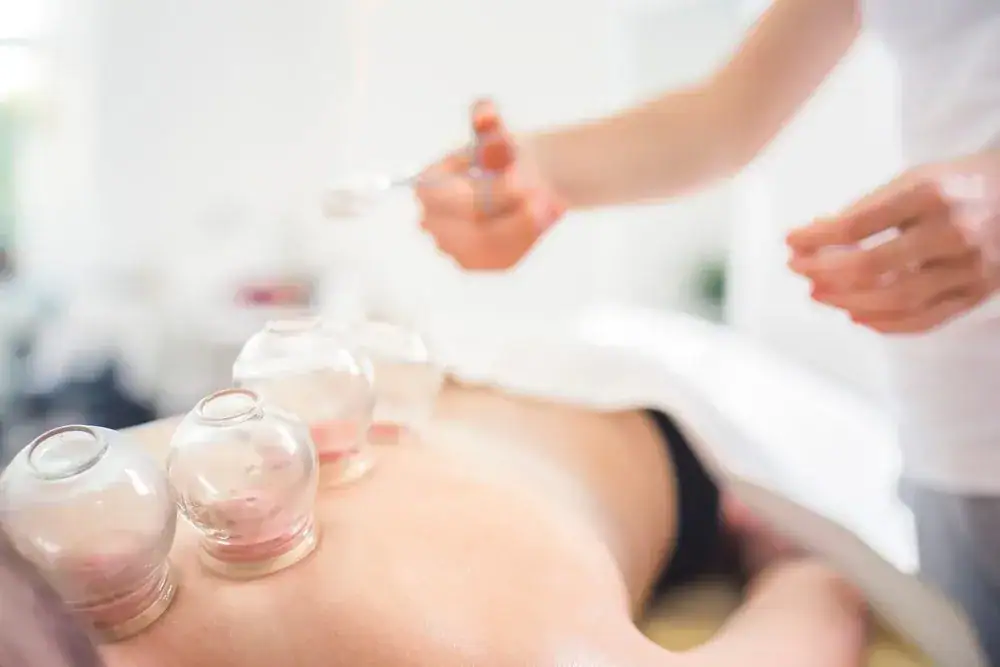
Dry cupping is what we practice at Medcare. It involves placing cups on your skin to create suction without any incisions or blood removal. The cups stay in place for several minutes, then we remove them. That’s it.
Wet cupping, also called hijama, involves making small incisions in the skin before applying the cups. The suction then draws out small amounts of blood. This technique is more common in traditional Chinese medicine and Middle Eastern practices, but it’s not something we offer as part of our physical therapy services.
For the pain conditions we treat—chronic back pain, neck tension, muscle tightness, joint pain—dry cupping is effective and less invasive. The research supporting cupping therapy for musculoskeletal pain primarily involves dry cupping techniques. You get the circulation benefits and fascial release without any cutting or blood removal.
Yes, and that’s actually how we get the best results. Cupping works well alongside manual therapy, therapeutic exercises, and other physical therapy techniques. The increased blood flow and tissue release from cupping can make other treatments more effective.
For example, if you have chronic shoulder pain with restricted range of motion, we might use cupping to release tight muscles and improve circulation, then follow up with specific stretches and strengthening exercises while the tissue is more pliable. The combination addresses both the immediate pain and the underlying weakness or dysfunction causing the problem.
We also coordinate with other healthcare providers when needed. If you’re already seeing a doctor for pain management or working with another specialist, we’ll communicate to make sure all your treatments work together. The goal is a complete approach that actually solves the problem, not just a collection of separate treatments that don’t talk to each other.
Coverage depends on your specific insurance plan and how cupping is integrated into your treatment. When cupping is part of a physical therapy treatment plan—which is how we provide it—many insurance plans will cover it under your physical therapy benefits. It’s billed as part of your PT session, not as a separate alternative medicine service.
That said, insurance policies vary significantly. Some plans have generous physical therapy coverage with low copays. Others have higher out-of-pocket costs or limit the number of sessions per year. We recommend calling your insurance provider before your first appointment to understand your specific coverage and any potential costs.
Our administrative team can verify your benefits and give you a clear picture of what you’ll pay. We don’t want cost to be a surprise, and we’re upfront about pricing from the start. If insurance coverage is limited, we’ll work with you to create a treatment plan that fits your budget while still addressing your pain effectively.
Other Services we provide in Hewlett Neck