
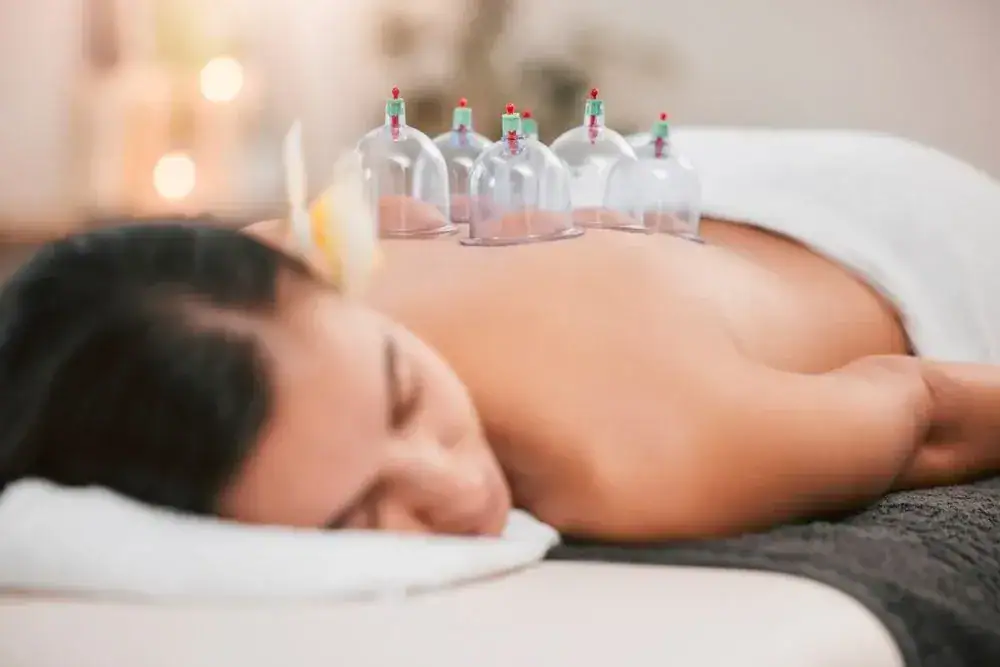

Back pain that keeps you up at night. Neck stiffness that makes driving uncomfortable. Knee pain that turns grocery shopping into an ordeal. These aren’t just inconveniences—they’re roadblocks to the life you want to live.
Cupping therapy works by increasing blood flow to tight, painful areas. More circulation means your muscles get the oxygen and nutrients they need to heal. Less tension means better range of motion and fewer days where you’re stuck on the couch.
The treatment itself is straightforward. Cups create suction on your skin, drawing blood to the surface and loosening the fascia—the connective tissue that gets tight and restricts movement. Most people notice their muscles feel looser right after the first session. Pain reduction usually follows within a few treatments, depending on how long you’ve been dealing with the problem.
This isn’t about masking symptoms. It’s about addressing the muscle tension and restricted blood flow that cause chronic pain in the first place. When combined with other physical therapy techniques, cupping helps you regain mobility you thought was gone for good.
We’ve been treating Long Island residents since 2010. Our physical therapists are licensed, Medicare-certified, and trained in multiple treatment modalities including dry cupping.
We know Wyandanch. We know that getting to appointments can be difficult when you’re already in pain, when transportation is limited, or when your schedule doesn’t align with typical clinic hours. That’s why we bring the treatment to you.
Our therapists work with your doctor’s treatment plan and coordinate care through established networks like Catholic Health IPA. You get the same quality treatment you’d receive in a clinic, but in your own home where you’re most comfortable.
Your first appointment starts with an evaluation. Your therapist asks about your pain—where it is, how long you’ve had it, what makes it better or worse. They’ll assess your range of motion and identify which muscles are causing problems.
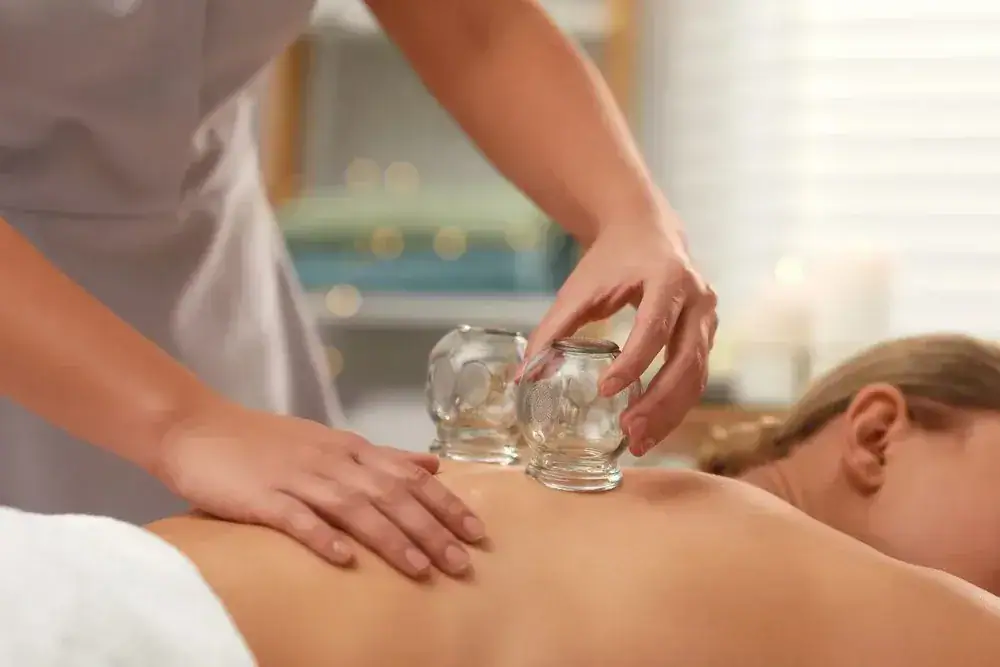
During the cupping treatment, your therapist places cups on specific areas where you’re holding tension. The suction pulls your skin up slightly, which increases blood flow to those muscles. The cups stay in place for 5-15 minutes depending on your condition. Some people feel immediate relief. Others notice the difference a day or two later as inflammation decreases.
Most treatment plans include cupping alongside other physical therapy techniques—stretching, strengthening exercises, manual therapy. Your therapist adjusts the approach based on how you respond. Sessions typically happen 1-2 times per week initially, then taper off as you improve.
You might see circular marks where the cups were placed. They’re not bruises—they’re a sign of increased blood flow. They fade within a few days and don’t hurt. What you should notice is less pain, easier movement, and better sleep.
Ready to get started?
Cupping works particularly well for chronic back pain, neck pain, shoulder tension, and knee osteoarthritis. If you’ve been dealing with muscle tightness for months or years, this treatment can help break the cycle of pain and limited mobility.
Athletes and active adults use cupping for faster recovery after workouts or injuries. The increased circulation helps reduce post-exercise soreness and gets you back to your routine quicker. We’ve worked with everyone from weekend warriors to people who just want to play with their grandkids without hurting the next day.
In Wyandanch, we see a lot of patients dealing with pain from physically demanding jobs or from conditions that have gone untreated too long. Many come to us after trying medications that didn’t work or wanting to avoid surgery. Cupping therapy offers a non-invasive option that addresses the root cause—restricted blood flow and tight fascia—rather than just covering up symptoms.
Medicare Part B covers our services when medically necessary. We handle the paperwork and coordinate with your doctor. You focus on getting better.
Yes, and the research backs it up. Multiple studies show that cupping therapy provides moderate to significant relief for chronic low back pain, particularly when combined with other physical therapy treatments.
Here’s what’s actually happening: chronic back pain often comes from tight muscles that aren’t getting enough blood flow. When muscles stay contracted for long periods, they develop trigger points—those knots you can feel when you press on your back. These areas have restricted circulation, which means less oxygen and more waste products building up in the tissue.
Cupping increases blood flow to these problem areas. The suction draws fresh blood to the surface, which helps relax the muscle fibers and flush out inflammatory chemicals. Most people feel their back muscles loosen up during or right after treatment. Pain reduction usually follows within a few sessions as inflammation decreases and range of motion improves.
The treatment works best when it’s part of a complete physical therapy plan. Your therapist will also work on strengthening weak muscles, improving your posture, and teaching you movements that protect your back. Cupping handles the immediate pain and tightness. The other techniques prevent it from coming back.
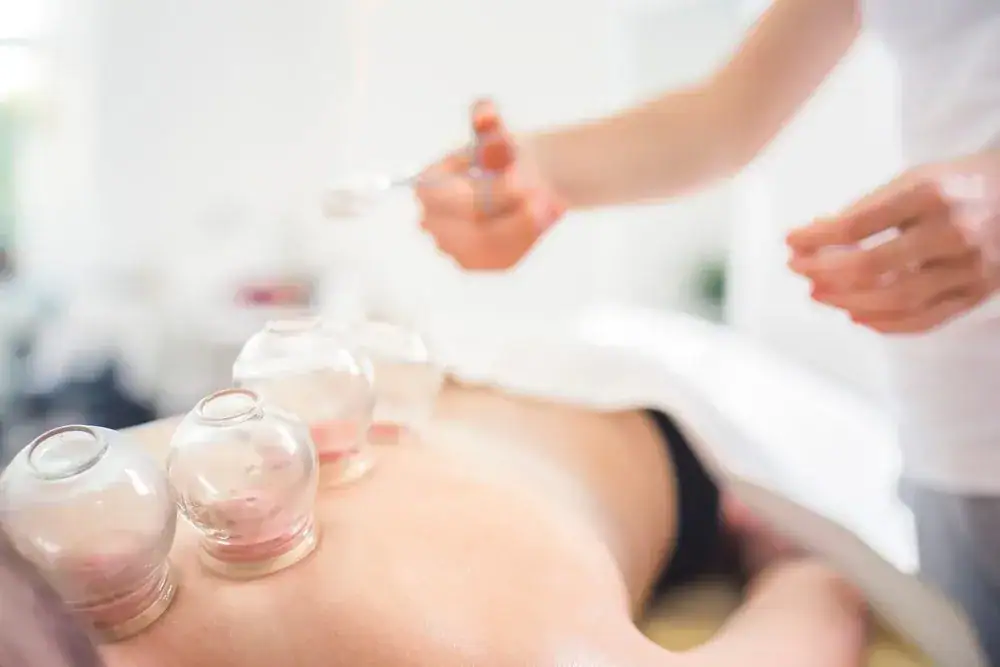
Dry cupping is what most physical therapists use, and it’s what we offer at Medcare. The cups create suction and stay in one place on your skin for several minutes. That’s it—no needles, no fire, no cutting.
Some practitioners use “wet cupping,” which involves making small cuts in the skin to draw out blood. We don’t do that. It’s not necessary for pain relief and it carries higher risks. Dry cupping gets the same results—increased blood flow and muscle relaxation—without breaking the skin.
You might also hear about “fire cupping,” where a flame briefly heats the inside of the cup before it’s placed on your skin. The cooling air creates suction. Modern cups use a pump instead, which gives your therapist more control over the pressure. Same effect, more precise, safer.
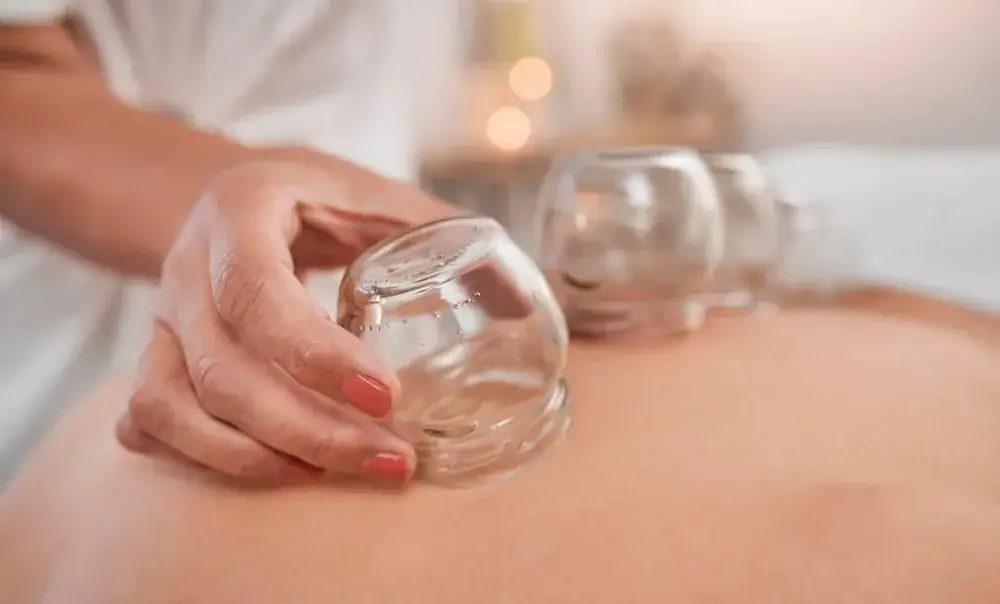
The cups themselves can be glass, silicone, or plastic. We typically use silicone or plastic cups with a pump mechanism. Your therapist can adjust the suction level based on your comfort and the area being treated. Bony areas need less suction. Larger muscle groups can handle more.
Yes, usually. You’ll likely see circular marks where the cups were placed. They look like hickeys or bruises, but they’re not the same thing.
Bruises happen when blood vessels break and leak into surrounding tissue. Cupping marks are different—they’re caused by blood being drawn to the surface, which is exactly what we want. The marks show that circulation increased in that area. Darker marks often appear where you have more stagnation or tightness.
The marks don’t hurt. They fade on their own within 3-7 days, sometimes sooner. How dark they are depends on how much tension you’re holding, how strong the suction was, and how your body responds. Some people barely mark at all. Others get darker circles that take a week to disappear.
If you have an event coming up where the marks would be visible and problematic, let your therapist know. They can adjust the treatment or work on areas that will be covered by clothing. But for most people, the marks are a small trade-off for significant pain relief.
Most people start noticing improvement within 3-6 sessions, but the total number depends on how long you’ve had the problem and how severe it is.
If you’re dealing with acute pain—something that just started in the last few weeks—you might feel significantly better after just a few treatments. Chronic conditions that have been building for months or years typically need more sessions. Your muscles have been tight for a long time, and it takes consistent treatment to retrain them.
A typical treatment plan starts with 1-2 sessions per week for the first few weeks. As you improve, we space them out—maybe once a week, then every other week. Your therapist tracks your progress and adjusts based on how you’re responding. Some people reach their goals in 6-8 weeks. Others with more complex conditions might need 12 weeks or longer.
The goal isn’t to keep you in treatment forever. It’s to get you functional again and teach you how to maintain the improvements. Once your pain is manageable and your range of motion is back, we transition you to a home exercise program that keeps you strong and prevents the problem from returning.
Yes, when it’s provided by a licensed physical therapist as part of a medically necessary treatment plan. Medicare Part B covers outpatient physical therapy services, including cupping when it’s used to treat a diagnosed condition.
Here’s what needs to happen: Your doctor refers you for physical therapy. We evaluate you and create a treatment plan that includes cupping along with other appropriate techniques. We submit the documentation to Medicare showing that the treatment is medically necessary for your specific condition—back pain, knee osteoarthritis, neck pain, whatever you’re dealing with.
Medicare covers a certain amount of physical therapy services per year. Once you hit that cap, you may need additional approval for continued treatment, but most people don’t reach that limit. We track your benefits and let you know where you stand.
If you have a Medicare Advantage plan instead of original Medicare, coverage works similarly but you’ll want to confirm that we’re in your plan’s network. We work with Catholic Health IPA and other networks that serve Wyandanch residents. We handle the insurance paperwork so you can focus on your treatment, not on billing questions.
Absolutely. Athletes have been using cupping for faster recovery and injury treatment for years—you probably saw the circular marks on Olympic swimmers and other professional athletes.
When you work out hard or injure a muscle, inflammation and micro-tears occur in the tissue. That’s normal—it’s how muscles get stronger. But too much inflammation or inadequate recovery leads to prolonged soreness, reduced performance, and increased injury risk. Cupping speeds up the recovery process by increasing blood flow to the affected muscles.
More blood flow means more oxygen and nutrients reaching the damaged tissue. It also means faster removal of metabolic waste products like lactic acid that contribute to soreness. Many athletes notice they’re less sore the day after treatment and can return to training sooner. The technique is particularly effective for tight hip flexors, hamstrings, shoulders, and lower back—areas that take a beating during most sports.
We also use cupping to treat specific sports injuries like muscle strains, tendinitis, and IT band syndrome. Combined with targeted exercises and manual therapy, it helps you heal properly instead of just pushing through pain and risking a worse injury. Whether you’re training for something specific or just want to stay active without constant soreness, cupping can be part of your recovery routine.
Other Services we provide in Wyandanch