
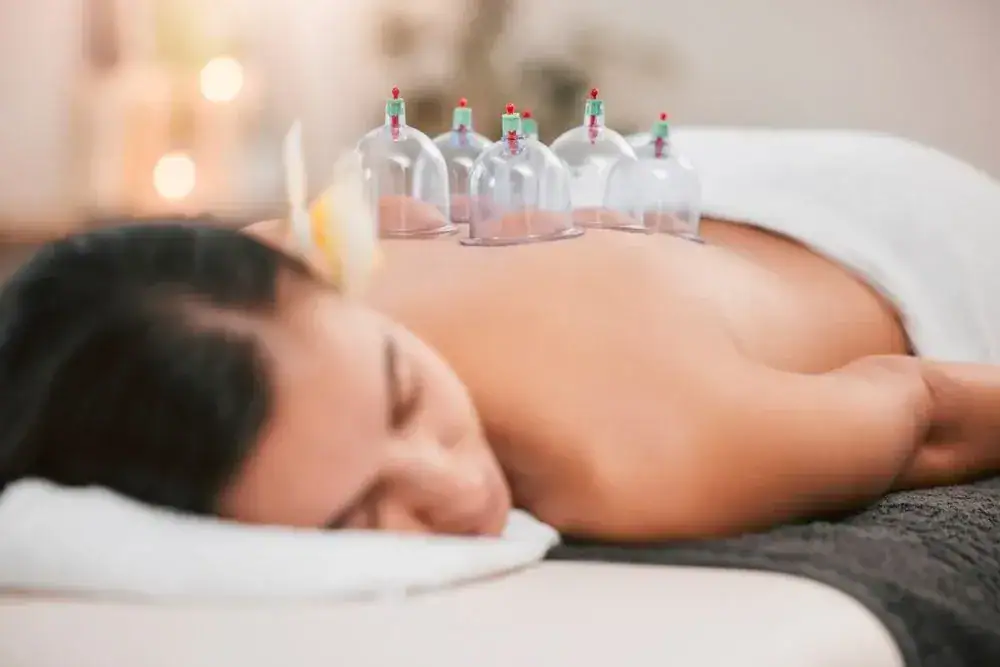

Chronic back pain changes how you move through your day. Neck stiffness limits what you can do at work. Knee pain makes simple tasks feel impossible.
Cupping therapy addresses these issues by improving blood flow to tight, painful areas. The suction created during treatment helps release muscle tension that’s been building for months or years. You’re not masking symptoms—you’re addressing what’s causing the discomfort in the first place.
Most people notice reduced pain within 24 hours of their first session. That tightness in your lower back eases up. Your neck turns without that sharp catch. Your knees feel more stable when you walk.
The goal isn’t temporary relief. It’s getting you back to activities that pain has been limiting—whether that’s playing with your kids, working without constant discomfort, or just sleeping through the night without waking up stiff.
We’ve been providing home-based physical therapy across Nassau County for over a decade. We’ve treated thousands of Long Island residents dealing with chronic pain, post-surgical recovery, and mobility limitations.
Our therapists are trained in modern cupping techniques and integrate this treatment into comprehensive physical therapy plans. We accept Medicare and most commercial insurance, making professional care accessible without the financial stress.
What sets us apart in Woodbury is simple: we come to you. No fighting traffic on Jericho Turnpike. No waiting rooms. Just focused, one-on-one treatment in your own home where you’re most comfortable.
Your first session starts with an evaluation. We assess your pain levels, range of motion, and what movements trigger discomfort. This isn’t a generic treatment—it’s built around your specific condition.
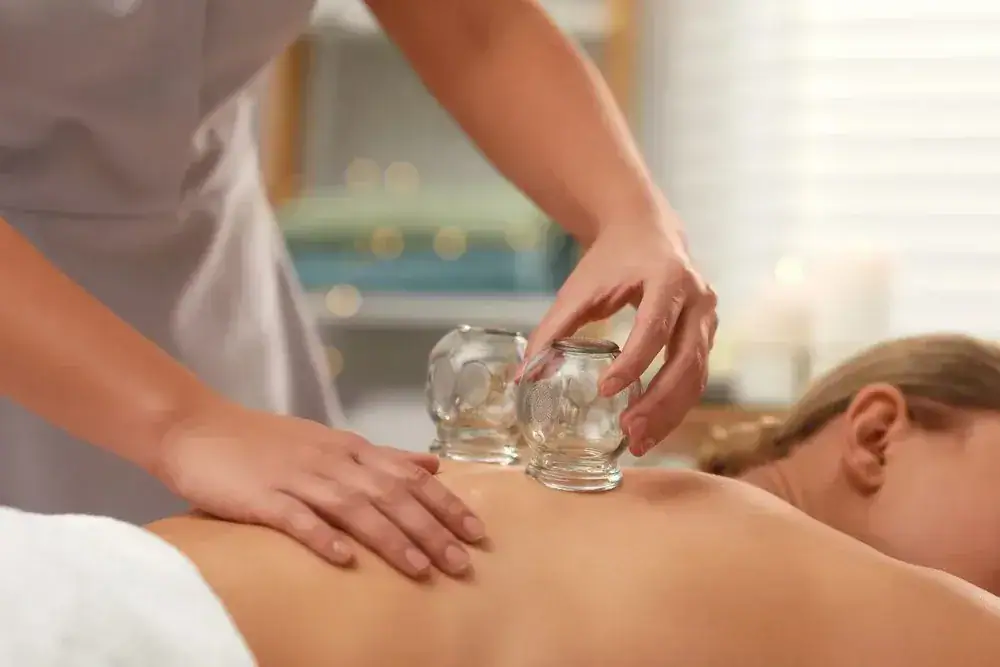
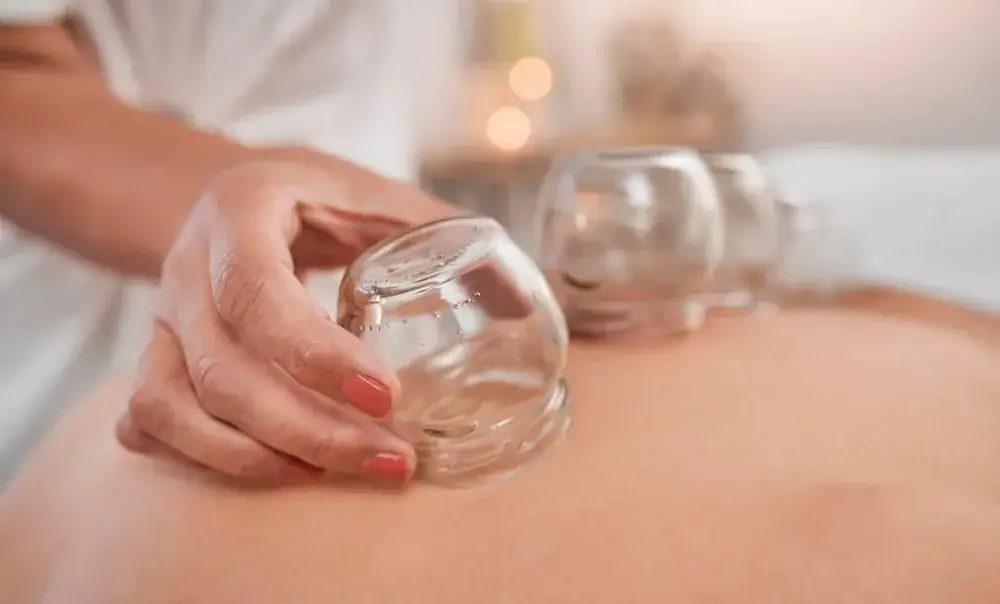
During dry cupping, we place specialized cups on targeted areas of your body. The suction pulls tissue upward, increasing blood flow to muscles that have been tight or injured. You’ll feel pressure, but it shouldn’t hurt. Most people describe it as a deep tissue massage sensation.
Sessions typically last 30-45 minutes. The cups stay in place for 5-15 minutes depending on your condition and tolerance. Afterward, you might see circular marks on your skin—that’s normal and fades within a few days.
We usually integrate cupping with other physical therapy techniques. Stretching, strengthening exercises, and manual therapy work together to give you better results than cupping alone. You’re not just getting symptom relief—you’re building strength and mobility that lasts.
Ready to get started?
Cupping works particularly well for chronic lower back pain—one of the most common complaints we see in Woodbury. The aging population in Nassau County deals with this daily, and research shows cupping significantly reduces both pain intensity and disability compared to standard care alone.
We also treat neck pain, knee osteoarthritis, and muscle tension from repetitive stress. If you’re dealing with stiffness from sitting at a desk all day or pain from an old sports injury that never fully healed, cupping helps break up that chronic tension.
The treatment is low-risk when performed by trained professionals. Side effects are minimal—usually just temporary skin discoloration and occasional mild soreness. Compare that to the side effects and dependency risks of long-term pain medication.
Each session costs between $50-$150 in the New York area, and because we integrate it with physical therapy, insurance often covers it. That makes it a cost-effective option, especially when you consider the alternative: ongoing medication costs, potential surgery, or just living with the pain.
The research is clear: cupping shows measurable improvements in pain reduction and disability for specific conditions. Studies on chronic lower back pain found that cupping provided superior and sustainable pain relief compared to medication and usual care. Patients reported improvements immediately after treatment, at 24 hours, and still at two weeks post-treatment.
For knee osteoarthritis, neck pain, and myofascial pain, the evidence ranges from moderate to high quality. That means multiple well-designed studies have confirmed the benefits. This isn’t about celebrity endorsements or social media trends—it’s about documented clinical outcomes.
That said, cupping works best as part of a complete physical therapy plan, not as a standalone treatment. We use it to reduce acute pain and muscle tension, which then allows you to participate more effectively in strengthening and mobility exercises. Those exercises are what create long-term improvement. Think of cupping as the tool that gets you unstuck so the real rehabilitation work can happen.
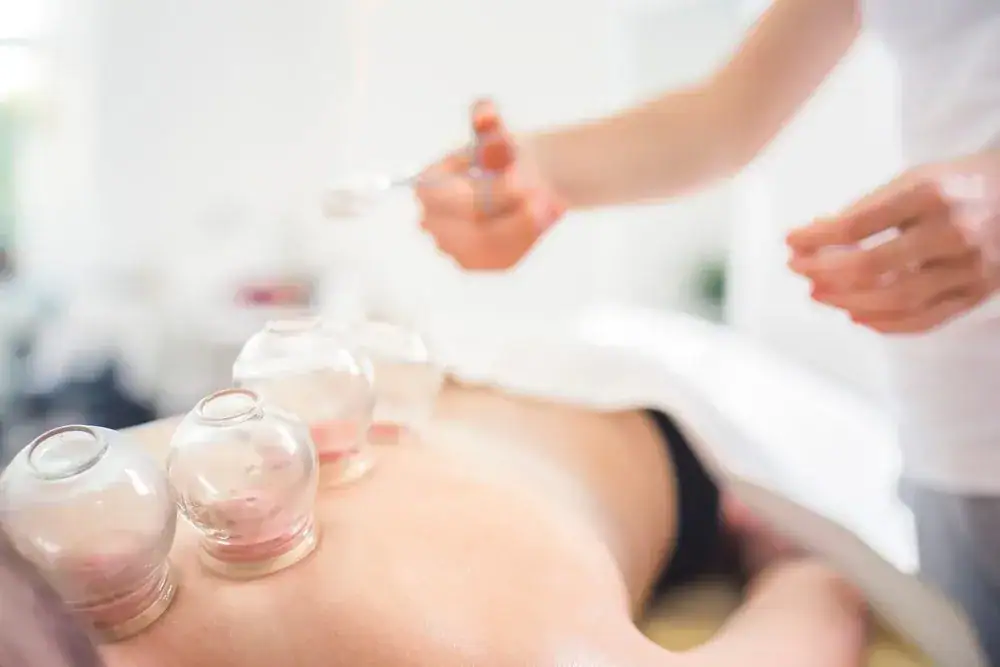
Dry cupping uses suction alone—no needles, no blood, no fire directly on your skin. We place cups on your body and create a vacuum that pulls tissue upward. It’s non-invasive and has minimal risk when done by a trained physical therapist.
Wet cupping involves making small incisions and drawing out blood, which is a different practice entirely and not what we offer. Fire cupping uses a flame to create suction inside glass cups, but modern dry cupping typically uses a pump mechanism that’s more controlled and comfortable.
The dry cupping method we use is specifically designed to complement physical therapy. We’re targeting trigger points, releasing fascial restrictions, and improving circulation to support your overall treatment plan. The goal is functional improvement—helping you move better and hurt less in your daily life—not just temporary relaxation.
Yes, circular marks are common and expected. They’re not technically bruises—they’re caused by blood being drawn to the surface of the skin, which is actually part of the therapeutic effect. The marks indicate increased circulation to that area.
The discoloration typically ranges from light pink to deep purple depending on how much tension and stagnation was in that tissue. Areas with more chronic tightness often show darker marks. They usually fade within 3-7 days, sometimes up to two weeks for darker marks.
These marks don’t hurt. You might have some tenderness in the treated area for a day or two, similar to post-workout soreness, but the skin discoloration itself is painless. If you have an event coming up where the marks would be visible and problematic, let us know before treatment and we can adjust placement or intensity. Most people don’t mind them once they understand they’re a normal part of the healing process.
When cupping is integrated into a physical therapy treatment plan, insurance typically covers it as part of your PT benefits. We accept Medicare and nearly all commercial insurance plans, and cupping is billed as a physical therapy modality, not as a separate alternative medicine service.
Your coverage depends on your specific plan’s physical therapy benefits—copays, deductibles, and visit limits all apply the same way they would for any PT session. We verify your insurance before starting treatment so you know exactly what your financial responsibility will be.
For patients paying out of pocket, sessions range from $50-$150 in the New York area. That’s often less expensive than ongoing pain medication costs, especially when you factor in the potential to reduce or eliminate medication use. We’re transparent about costs upfront because unexpected medical bills are the last thing you need when you’re already dealing with chronic pain.
Many people feel some relief after a single session—reduced muscle tension, better range of motion, less sharp pain. But one session isn’t going to resolve chronic issues that have been developing for months or years.
For chronic lower back pain or neck pain, research suggests a series of 4-8 sessions produces the most significant and lasting results. We typically start with twice-weekly sessions for 2-3 weeks, then reduce frequency as your condition improves. The exact timeline depends on your specific condition, how long you’ve had the pain, and how your body responds.
The key is consistency and integration with other therapy. Cupping reduces your pain enough that you can do the strengthening exercises and stretches that create lasting change. If you only do cupping and skip the rehabilitation work, you’ll get temporary relief but not long-term improvement. We build a complete plan that uses cupping strategically to support your overall recovery, not as an endless series of treatments.
Yes, and this is actually one of the most common reasons people seek cupping therapy. Old injuries often leave behind chronic muscle tightness, fascial restrictions, and reduced circulation to the affected area. Your body compensated around the injury, and those compensation patterns created their own problems.
Cupping addresses this by breaking up adhesions in the tissue and restoring blood flow to areas that have been chronically tight. That old shoulder injury from years ago that still aches when it rains, or the knee that never quite felt right after that sports injury—cupping can help reduce that persistent discomfort.
The treatment works by creating space in compressed tissue and triggering your body’s natural healing response in areas that have been stuck in a chronic pain cycle. Combined with targeted exercises to restabilize and strengthen the area, you can often achieve significant improvement even years after the original injury. It’s not about erasing the past—it’s about reducing how much that old injury still affects your daily life.
Other Services we provide in Woodbury