


You stop planning your day around what hurts. That’s what happens when cupping therapy works the way it should—targeting the muscle tension and restricted blood flow that’s been keeping you stuck.
Cupping increases circulation to areas that need it most. More blood flow means faster healing, less inflammation, and muscles that finally relax instead of staying locked up. You’ll notice improved range of motion, sometimes in the first session.
This isn’t about masking symptoms. Dry cupping and myofascial decompression address the tissue restrictions causing your pain. Back pain, neck stiffness, shoulder tightness—these respond because the treatment goes after the root problem, not just the surface complaint.
Most patients feel a difference right away. Some need a few sessions to see lasting change. Either way, you’re working with licensed physical therapists who know how to integrate cupping with the rest of your treatment plan so the results actually stick.
We’ve been delivering home-based and clinic physical therapy across Long Island since 2010. That includes Westhampton, where getting quality care shouldn’t mean rearranging your entire day.
Our therapists are licensed, Medicare-approved, and trained in cupping techniques that integrate with evidence-based physical therapy. We accept most commercial insurance, and we handle the verification and scheduling so you’re not stuck on hold.
What makes us different is how we operate. Every Google Business Profile is verified and secured. Staff access is controlled. Patient data is protected. These aren’t marketing claims—they’re the operational standards that keep your care consistent and your information safe. Westhampton residents deserve therapists who show up on time, know what they’re doing, and don’t disappear when insurance questions come up.
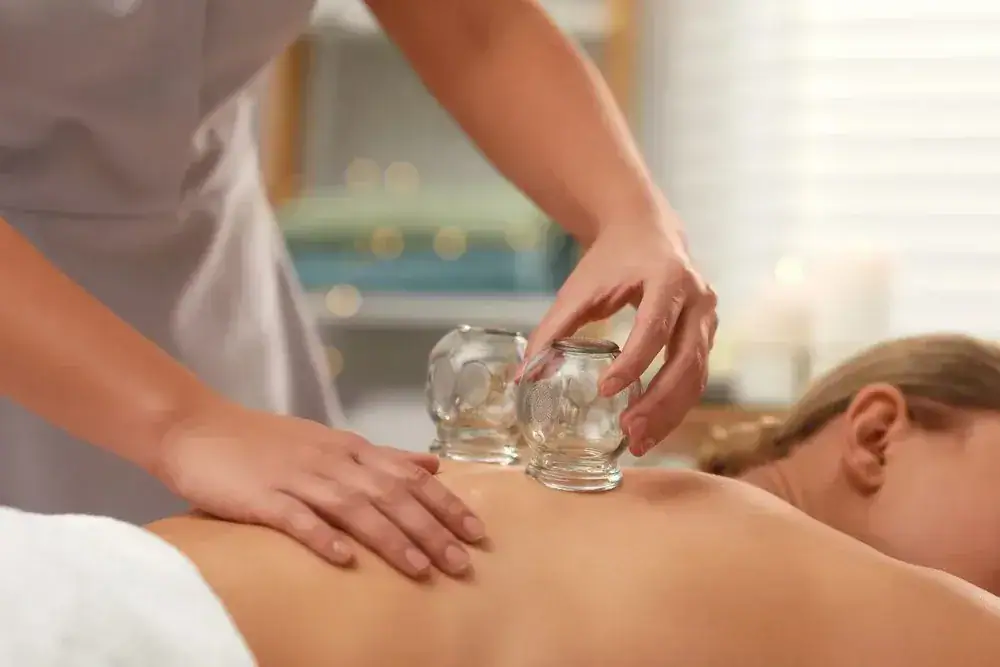
First, your therapist evaluates your pain, range of motion, and movement patterns. Cupping isn’t a one-size-fits-all treatment. Where the cups go, how long they stay, and what you do during the session depends on what’s actually wrong.
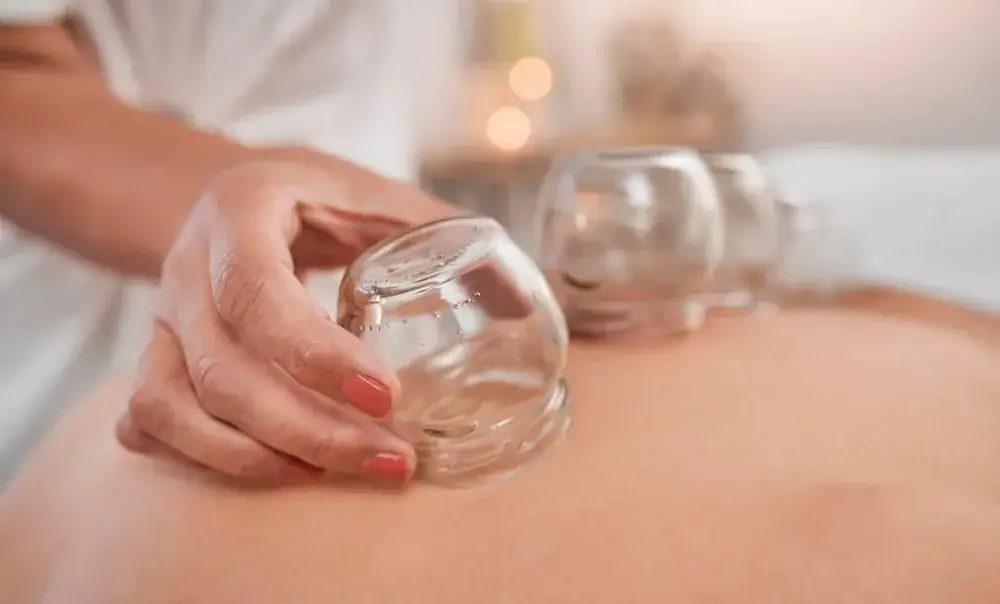
During dry cupping, cups are placed on your skin to create suction. This pulls blood to the area, lifts the tissue, and releases fascial restrictions. You might feel a tight pull, but it shouldn’t hurt. Some therapists combine this with movement—that’s myofascial decompression, and it’s especially effective for athletes or anyone dealing with repetitive strain.
Sessions typically last 30 to 45 minutes. You may see circular marks afterward—that’s normal and fades within a few days. Most people feel looser immediately. Pain reduction and improved mobility build over the next few sessions as inflammation decreases and tissue quality improves.
Your therapist will also give you exercises or stretches to do between sessions. Cupping works best when it’s part of a broader plan that includes strengthening, mobility work, and education on how to avoid re-injury.
Ready to get started?
Back pain is the most common reason people try cupping in Westhampton—and for good reason. Chronic low back pain, neck stiffness, and shoulder tension respond well because cupping addresses the muscle tightness and poor circulation that traditional stretching often misses.
Knee pain, especially from osteoarthritis, also improves with cupping when combined with strengthening exercises. The same goes for tension headaches and migraines that stem from tight neck and shoulder muscles. If you’ve been dealing with fibromyalgia or widespread muscle pain, cupping can reduce flare-ups by calming overactive trigger points.
Athletes use cupping for faster recovery after training or competition. It’s not just for pros—weekend warriors dealing with strains, sprains, or overuse injuries see benefits too. Cupping reduces muscle soreness and speeds up the healing process so you’re not sidelined as long.
Westhampton’s active community—people who boat, golf, garden, or just want to keep up with their grandkids—needs therapy that fits into real life. That’s why we offer both in-home and clinic-based cupping. You get the same licensed care, just in the setting that works for your schedule and mobility.
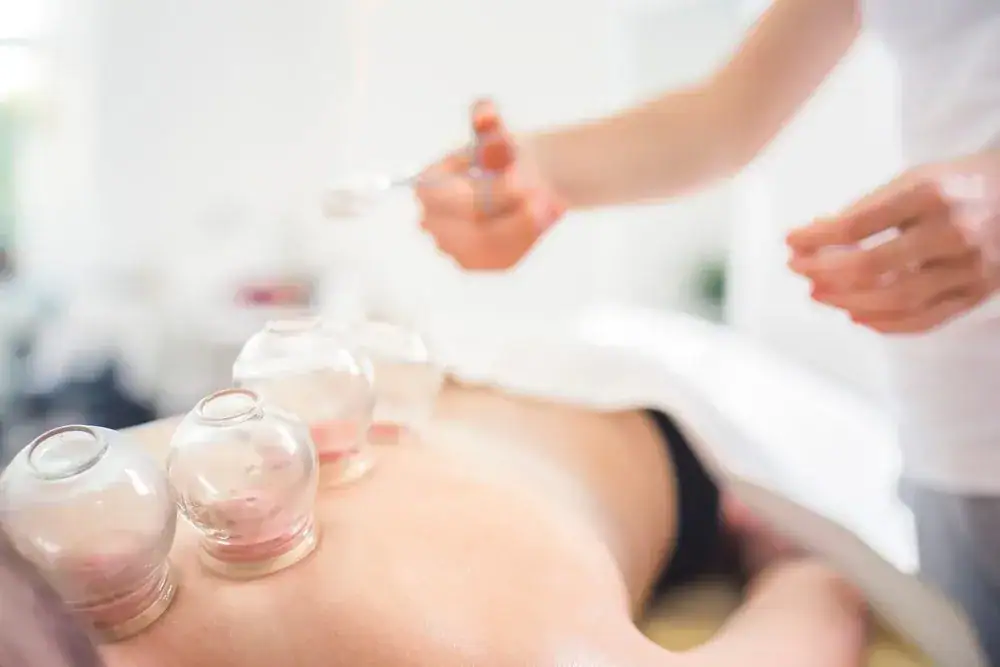
Yes, when it’s done correctly and combined with other physical therapy techniques. Cupping increases blood flow to tight, painful areas in your back, which helps reduce inflammation and muscle tension. That’s not a theory—it’s what happens when you improve circulation to tissue that’s been starved of oxygen and nutrients.
Chronic back pain usually involves more than one issue. Tight muscles, weak stabilizers, poor posture, or old injuries that never fully healed. Cupping addresses the soft tissue component by releasing fascial restrictions and calming down overactive muscle fibers. But it works best when your therapist also gives you exercises to strengthen your core and correct the movement patterns that caused the problem in the first place.
Most patients notice less stiffness and better range of motion within the first few sessions. Lasting relief takes longer because you’re retraining your body, not just treating symptoms. If someone tells you cupping alone will fix chronic pain, they’re overselling. If they tell you it won’t help at all, they haven’t seen what happens when it’s integrated into a real treatment plan.
Dry cupping is the traditional method—you lie still while cups create suction on your skin, pulling blood to the area and lifting the fascia away from the muscle. It’s effective for general pain relief, muscle relaxation, and improving circulation. The cups stay in place for several minutes, and you’re not moving during the treatment.
Myofascial decompression uses the same cups, but you move while they’re on. Your therapist might have you bend, twist, or stretch with the cups attached. This adds a dynamic component that targets fascial restrictions more aggressively. It’s especially useful for athletes or people whose pain gets worse with specific movements—like reaching overhead or bending forward.
Both techniques work. The choice depends on what’s causing your pain and what your body responds to. Some people need the deep, stationary pull of dry cupping to release chronic tension. Others benefit more from the movement-based approach of myofascial decompression. Your therapist will test both and adjust based on how your tissue responds and what gives you the most relief.
If cupping is part of a physical therapy treatment plan, Medicare and most commercial insurance plans will cover it. The key is that it has to be medically necessary and performed by a licensed physical therapist—not a spa or wellness center.
We’re Medicare-approved and accept nearly all commercial insurance. We handle the verification before your first session so there are no surprises. Cupping is billed as part of your physical therapy visit, not as a separate add-on service. That means your copay and coverage work the same way they would for any other PT treatment.
If you’re unsure about your specific plan, call us. We’ll check your benefits and tell you exactly what you’ll pay before you commit to anything. Some plans have visit limits or require a referral from your doctor. We’ll walk you through that too. The goal is to make sure you can actually afford the care you need without spending hours on the phone with your insurance company.
Most people feel some relief after the first session—less tightness, better range of motion, or a noticeable drop in pain. But one session won’t fix a problem that’s been building for months or years. Lasting improvement usually takes four to eight sessions, depending on what’s wrong and how your body responds.
Acute injuries—like a pulled muscle or recent strain—respond faster. You might only need two or three sessions before you’re back to normal. Chronic conditions like long-term back pain, neck stiffness, or fibromyalgia take longer because the tissue has adapted to being tight and restricted. You’re not just treating the pain—you’re retraining the muscle and fascia to function correctly again.
Your therapist will give you a realistic timeline after the first evaluation. If you’re not seeing progress by the third or fourth session, that’s a sign to adjust the approach—not keep doing the same thing and hope it works. Good therapy adapts to how you’re responding. If cupping isn’t enough on its own, your therapist will add strengthening exercises, manual therapy, or other techniques to get you where you need to be.
No, they’re temporary and harmless. The marks happen because cupping pulls blood to the surface and can cause small capillaries to break under the skin. It looks like a bruise, but it doesn’t hurt like one. Most marks fade within three to seven days, depending on how much suction was used and how your body responds.
The color of the marks can tell your therapist something about what’s going on. Darker marks usually mean there was more stagnant blood or inflammation in that area. Lighter marks suggest better circulation. Some people barely mark at all, and that’s fine too—it doesn’t mean the treatment isn’t working.
If you’re worried about how the marks look, plan your sessions accordingly. Don’t schedule cupping right before a beach day or event where you’ll be in a bathing suit or sleeveless shirt. But don’t avoid the treatment just because of the marks. They’re a side effect, not a problem. And if you’re someone who bruises easily or takes blood thinners, let your therapist know—they’ll adjust the suction to minimize marking while still getting results.
You can buy cupping kits online, but that doesn’t mean you should use them without guidance. Cupping is low-risk when done correctly, but incorrect placement, too much suction, or leaving cups on too long can cause bruising, skin irritation, or no results at all. More importantly, if you don’t know why you’re in pain, you’re just guessing where to put the cups.
A licensed physical therapist doesn’t just apply cups—they assess your movement, identify the muscles or fascia causing your pain, and integrate cupping into a treatment plan that includes exercise, manual therapy, and education. That’s the difference between temporary relief and actually fixing the problem.
If you want to use cups at home between sessions, ask your therapist to show you how. They can teach you safe techniques for maintenance or minor flare-ups. But the initial evaluation and treatment plan should come from someone who knows what they’re doing. We offer home-based therapy in Westhampton, so if getting to a clinic is the barrier, that’s not an excuse. We’ll come to you, assess what’s wrong, and show you exactly how cupping fits into your recovery.
Other Services we provide in Westhampton