
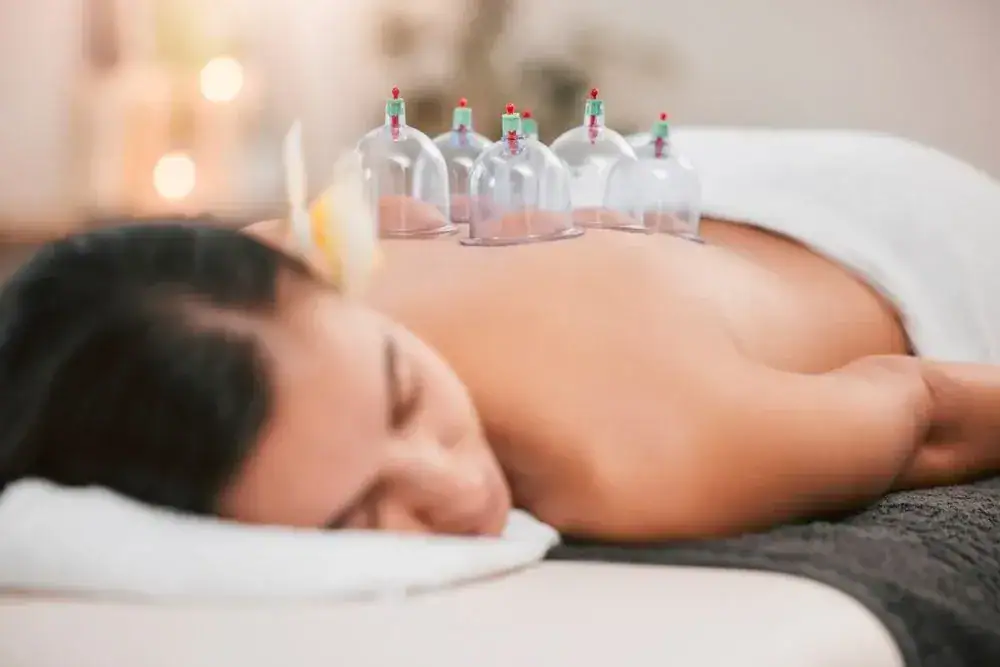

Tight muscles don’t just hurt. They compress, circulation drops, and toxins build up. You lose range of motion. Your posture shifts to compensate. The pain spreads.
Cupping therapy uses controlled suction to pull blood flow back into those compressed areas. Your muscle fibers loosen. Inflammation drops. Movement comes back without the constant ache you’ve been managing for months.
Most people feel the difference during the first session. That deep tension you’ve been carrying in your neck, shoulders, or lower back starts to release. You’re not just masking symptoms—you’re addressing what’s actually causing the tightness and restricted movement.
This isn’t a temporary fix. When combined with physical therapy, cupping helps you regain flexibility and strength in areas that have been locked up. You move better. You sleep better. You’re not planning your day around what your body can’t handle anymore.
We’ve been providing home-based physical therapy across Nassau County for over a decade. We’re licensed, insured, and we accept Medicare and most commercial insurance plans.
Our therapists come to your home in Westbury with the same equipment and expertise you’d find in a clinic. No waiting rooms. No driving when you’re already in pain. Just focused, one-on-one care in your own space.
We know Nassau County residents deal with long commutes, packed schedules, and the challenge of finding quality care that doesn’t add more stress to your day. That’s why we built our practice around bringing treatment to you—whether you’re recovering from an injury, managing a chronic condition, or just tired of treatments that aren’t working.
Your first appointment starts with an evaluation. We assess your pain, range of motion, and what’s been limiting you. Then we map out a treatment plan that makes sense for your specific condition.
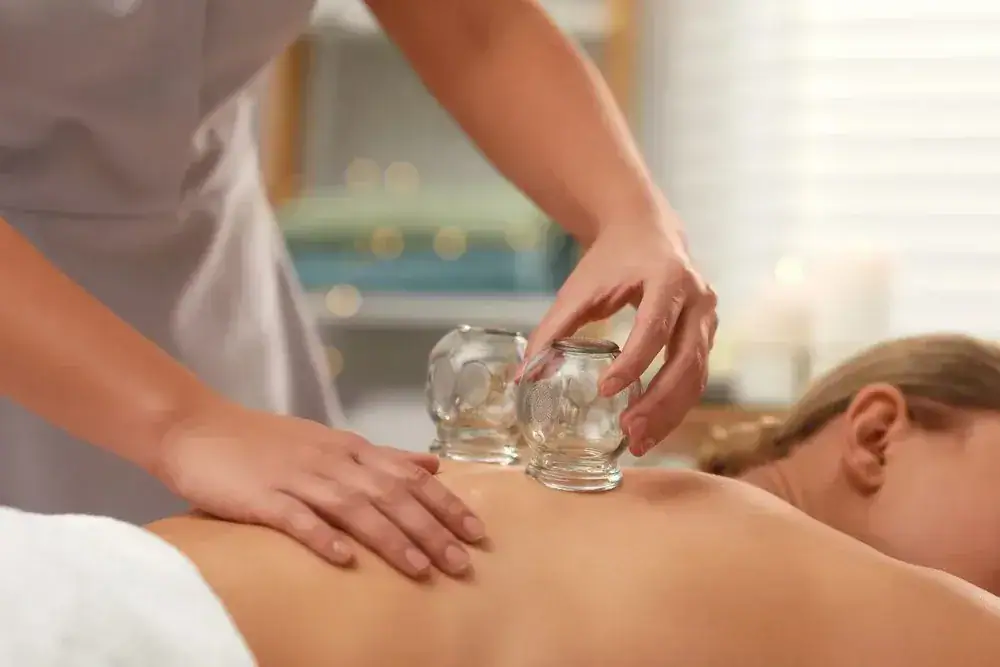
During cupping, we place specialized cups on targeted areas—usually your back, neck, shoulders, or legs. The suction draws blood to the surface and encourages tight muscle fibers to release. Most sessions last 30 to 45 minutes. You’ll see circular marks afterward; they’re not bruises, and they fade within a few days.
We typically use dry cupping, which focuses purely on suction and doesn’t involve any incisions or bloodletting. It integrates easily with other physical therapy techniques like manual therapy, stretching, and strengthening exercises.
You might feel immediate relief after one session, but sustained improvement usually takes consistency. We recommend weekly treatments for eight to twelve weeks, depending on your condition. Between sessions, we’ll give you exercises and guidance to keep progress moving forward.
Ready to get started?
You get a licensed physical therapist who comes to your home with professional-grade cupping equipment. Every session is one-on-one. No assistants. No rotating staff. Just consistent care from someone who knows your case.
We treat chronic lower back pain, neck pain, shoulder tension, knee pain, and muscle stiffness that’s limiting your daily movement. Cupping works especially well for conditions where traditional physical therapy hasn’t fully resolved the deep tightness or restricted mobility you’re dealing with.
Nassau County has one of the highest median household incomes in New York, but that doesn’t mean everyone has equal access to quality care. Transportation barriers, work schedules, and mobility limitations keep plenty of people from getting the treatment they need. We remove those obstacles by coming to you.
Your treatment plan is based on clinical evidence, not trends. Cupping has been studied extensively for chronic musculoskeletal pain, and the research supports its effectiveness—especially when combined with physical therapy. You’re not experimenting. You’re using a method that’s been refined over thousands of years and validated by modern clinical trials.
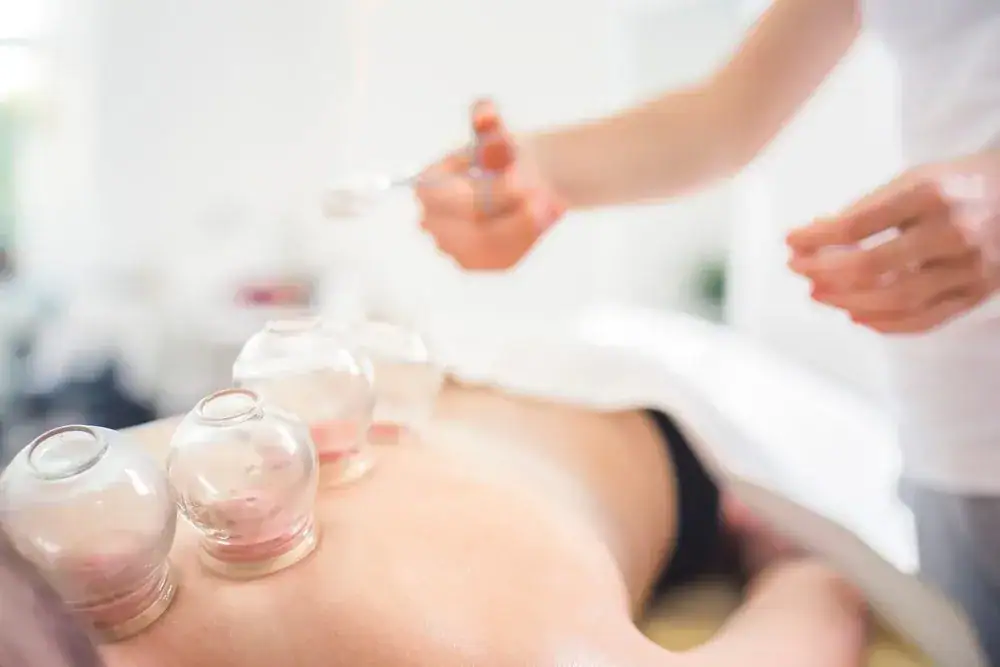
Yes, and there’s clinical evidence backing it. Multiple randomized controlled trials show that cupping therapy significantly reduces chronic pain—particularly lower back pain, neck pain, and knee osteoarthritis—more effectively than conventional treatments alone.
The mechanism is straightforward. Cupping increases blood flow to areas where circulation has been restricted by tight, compressed muscles. That improved circulation helps reduce inflammation, flush out metabolic waste, and deliver oxygen and nutrients that support healing. Your muscle fibers relax, and the pain that’s been radiating from those areas starts to decrease.
Most people feel some relief after a single session, but one treatment won’t reverse months or years of chronic tension. Consistent weekly sessions over eight to twelve weeks produce the most significant and lasting results. When combined with physical therapy exercises that address strength and mobility, you’re not just getting temporary relief—you’re changing the underlying patterns that caused the problem in the first place.
Cupping works best for musculoskeletal conditions where muscle tension, poor circulation, and inflammation are driving your symptoms. That includes chronic lower back pain, neck pain, shoulder tightness, tension headaches, and knee pain from osteoarthritis.
If you’ve been dealing with restricted range of motion—like you can’t turn your head fully, or bending forward hurts—cupping helps release the fascial restrictions and muscle adhesions that are limiting your movement. It’s also effective for athletes or active individuals dealing with muscle soreness and recovery issues.
Cupping isn’t a cure-all. It won’t fix structural problems like herniated discs or torn ligaments. But if your pain is coming from tight, overworked muscles that aren’t getting enough blood flow, cupping directly addresses that. We’ll evaluate your specific condition during the first session and tell you honestly whether cupping is the right approach or if you need a different treatment strategy.
Each session typically lasts 30 to 45 minutes, depending on how many areas we’re treating and what other physical therapy techniques we’re combining with cupping. The actual cupping portion usually runs 10 to 20 minutes, with the rest of the time spent on evaluation, manual therapy, or exercises.
For chronic conditions, expect to need weekly sessions for eight to twelve weeks to see sustained improvement. Acute issues—like a recent muscle strain—might respond faster, sometimes in three to five sessions. A single treatment can provide relief that lasts a few days, but lasting change requires consistency.
We’ll reassess your progress every few weeks and adjust the treatment plan based on how you’re responding. Some people reach their goals in two months. Others with more complex or long-standing issues might need a longer timeline. The key is that you’re seeing measurable improvement—less pain, better movement, fewer limitations in your daily activities—not just temporary relief that disappears between appointments.
Yes, cupping leaves circular marks that look like bruises, but they’re not actually bruises. The suction draws blood to the surface of your skin, which causes temporary discoloration. These marks are painless and typically fade within three to seven days.
The treatment itself shouldn’t hurt. You’ll feel a pulling sensation and tightness where the cups are placed, but it’s not sharp or painful. Most people describe it as a deep pressure that’s actually relieving, especially if you’ve been dealing with chronic muscle tension. If the suction ever feels too intense, we adjust it immediately.
Some tenderness in the treated area is normal for a day or two after your session, similar to how your muscles might feel after a deep tissue massage. That’s your body responding to the increased circulation and the release of tension. It’s not a sign of damage—it’s part of the healing process. If you have an event or situation where visible marks would be a concern, just let us know and we can adjust the treatment timing or focus on areas that won’t be visible.
When cupping is provided as part of a physical therapy treatment plan, it’s typically covered under your physical therapy benefits. We accept Medicare and most commercial insurance plans, and cupping is billed as part of your overall PT session—not as a separate alternative therapy service.
Coverage depends on your specific plan, your deductible, and whether you’ve met any visit limits for physical therapy. We verify your benefits before starting treatment so you know what to expect. Most patients pay a standard PT copay per session, which usually ranges from $20 to $50 depending on the plan.
If you’re on Medicare, home health physical therapy is covered when it’s medically necessary and ordered by your physician. Cupping falls under the manual therapy techniques we use during your sessions. We handle all the documentation and billing, so you’re not navigating insurance requirements on your own. If you have questions about your specific coverage, call us and we’ll walk through your benefits with you before scheduling your first appointment.
Convenience matters when you’re already dealing with pain and limited mobility. Driving to a clinic, sitting in a waiting room, and then driving home adds stress and physical strain that can actually set back your recovery. Home therapy removes all of that.
You get the same licensed, experienced physical therapist and the same quality of care—just in your own space where you’re already comfortable. There’s no rushing to make an appointment time or worrying about traffic on the LIE. Your session happens when it works for your schedule, and you can rest immediately afterward instead of getting back in the car.
For people in Westbury dealing with chronic pain, mobility limitations, or recovery from surgery, home therapy isn’t just more convenient—it’s often more effective. You’re relaxed. You’re not aggravating your condition by traveling. And we can assess how you’re moving in your actual environment, which gives us better insight into what’s limiting you and how to address it. If getting to appointments has been a barrier to getting treatment, home therapy solves that problem completely.
Other Services we provide in Westbury