


Your back hurts when you wake up. Your neck is tight by lunch. You’ve tried heat, ice, stretching, and over-the-counter pills that barely touch it.
Cupping therapy works differently. It increases blood flow to the exact areas where you’re hurting, which means your body can actually start healing the damaged tissue instead of just coping with it. The suction from the cups lifts your skin and fascia, creating space for fresh blood and oxygen to reach muscles that have been tight for months or years.
Most people notice immediate pain reduction after their first session. That’s not a temporary numbing effect like you get from medication. It’s your muscles releasing tension they’ve been holding, sometimes for longer than you realize. You’ll move easier, sleep better, and stop planning your day around what your back will or won’t let you do.
We operate multiple therapy centers across Long Island, including Physical Therapy Associates of Smithtown and Speonk. We’re not a new clinic trying to figure things out as we go.
Every treatment plan here is built around what you need, not what’s easiest for us to bill. Your therapist will explain what’s happening, why it’s happening, and what you can expect as your body responds to treatment. We accept most insurance plans and our staff will work directly with your provider to maximize your benefits.
Village of the Branch has a significant population over 45, and we see the reality of that every day: people dealing with arthritis, chronic back pain, limited mobility, and the slow decline that comes when pain makes you move less. You don’t have to accept that as normal.
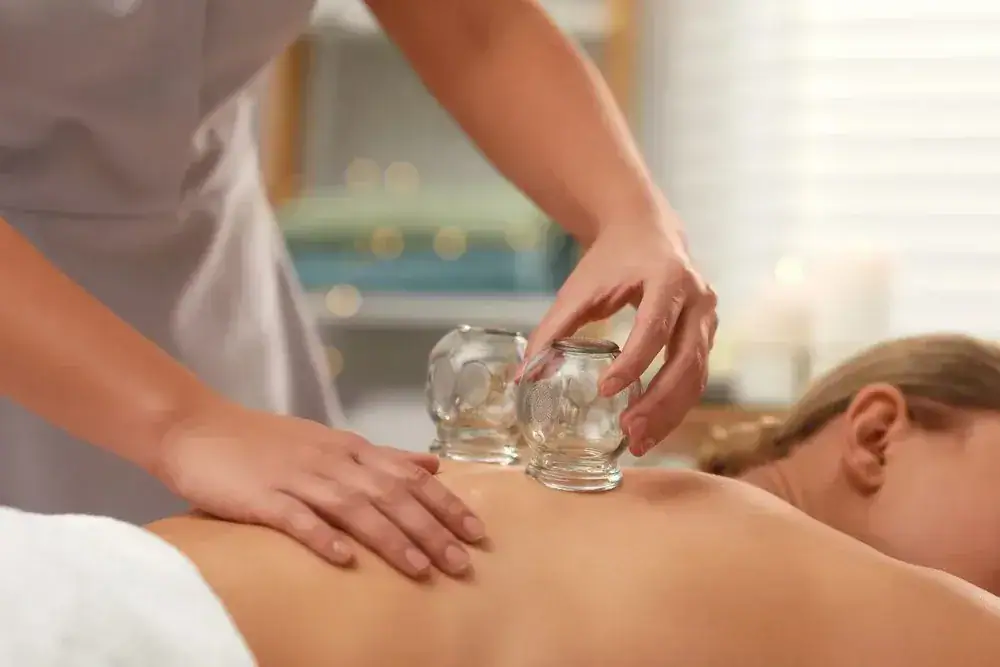
Your first visit starts with an evaluation. We need to understand where you’re hurting, how long it’s been going on, and what’s already been tried. This isn’t a formality—it’s how we figure out whether cupping is the right approach for your specific situation.
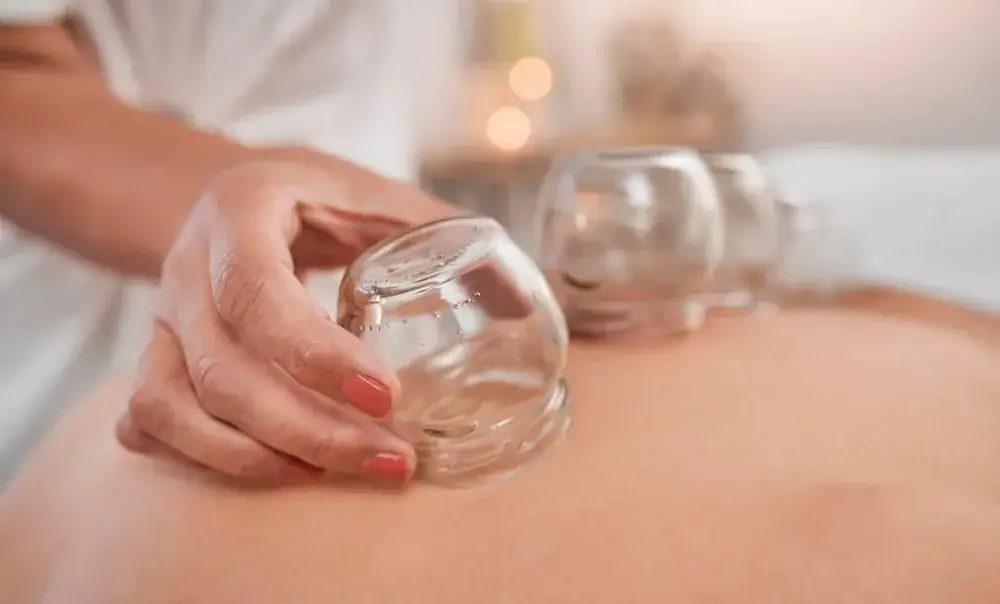
During the session, your therapist places specialized cups on your skin, typically on your back, shoulders, or neck. The cups create suction that pulls your skin up slightly, which increases circulation and releases the fascia—the connective tissue that gets tight and restricts your movement. Some therapists use stationary cups (dry cupping), while others glide the cups across your muscles to release larger areas of tension.
You’ll feel the suction, but it shouldn’t hurt. Most people describe it as a deep pulling sensation that actually feels good once your muscles start to let go. Sessions typically last 15 to 30 minutes, and you might see some circular marks on your skin afterward—that’s normal and fades within a few days.
After your session, you should notice less pain and easier movement. Depending on what we’re treating, you might need several sessions to get lasting results, but you’ll know pretty quickly whether this is working for you.
Ready to get started?
Cupping therapy treats chronic neck pain, low back pain, muscle tightness, and fibromyalgia. It’s especially effective for myofascial trigger points—those knots in your muscles that refer pain to other areas and won’t release no matter how much you stretch.
The treatment works by creating negative pressure under the cups, which is the opposite of what happens during a massage. Instead of pushing down on tight tissue, cupping lifts it up, creating space for blood flow and lymphatic drainage. This helps reduce inflammation, release scar tissue adhesions, and improve tissue mobility.
In Village of the Branch and across Long Island, we’re seeing more people turn to cupping as an alternative to pain medication. The research backs this up: studies show that cupping significantly improves pain and disability, often with better results than medication alone. For older adults dealing with arthritis or age-related musculoskeletal issues, cupping offers a non-invasive option that doesn’t come with the side effects or dependency risks of long-term drug use.
We also integrate cupping with other physical therapy techniques when it makes sense. If you’re already doing PT for an injury or post-surgical recovery, adding cupping can speed up your progress and help you regain full mobility faster.
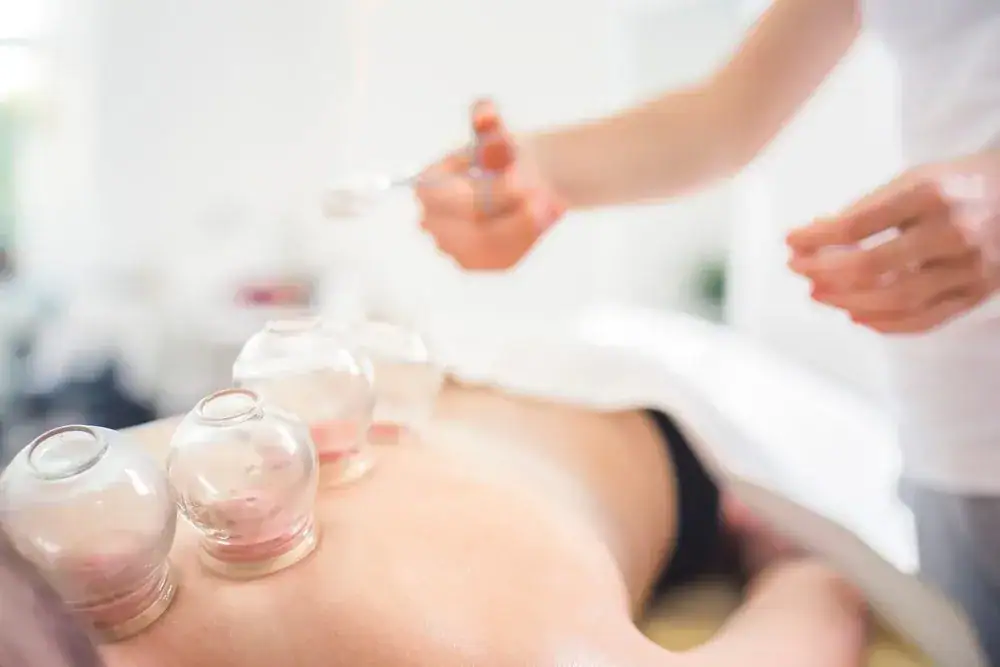
Yes, and the evidence is solid. Back pain is the most common reason people seek physical therapy, and cupping has become a go-to treatment because it addresses the root cause instead of just managing symptoms.
When you have chronic back pain, it’s usually because the muscles, fascia, and connective tissue in your back are tight, inflamed, or restricted. Cupping increases blood flow to those areas, which brings oxygen and nutrients your body needs to repair damaged tissue. It also releases fascial adhesions—basically, spots where your tissue has gotten stuck together and won’t move the way it should.
Research shows that cupping can provide immediate pain relief after a single session, and regular treatments lead to significant improvements in both pain levels and mobility. For a lot of people, that means finally being able to bend over without wincing, sleep through the night, or get through a workday without constantly shifting to find a comfortable position. It’s not a magic cure, but it works when other things haven’t.
Massage pushes down on your muscles to release tension. Cupping pulls up, which creates a completely different effect on your tissue.
The suction from the cups lifts your skin and fascia away from the underlying muscle, which increases space for blood flow and reduces pressure on nerves. This makes cupping especially effective for deep muscle tightness and trigger points that don’t respond well to traditional massage. It’s also better at breaking up scar tissue and adhesions because the negative pressure literally pulls stuck tissue apart.
A lot of people find cupping more effective for stubborn pain that massage hasn’t been able to touch. That said, the two techniques work well together. Some therapists will combine cupping with hands-on work during the same session, depending on what your body needs. If you’ve been getting massages and they help temporarily but the pain keeps coming back, cupping might be the missing piece.
You’ll likely see circular marks where the cups were placed, but they’re not bruises in the traditional sense. They’re caused by increased blood flow to the area, and they fade within a few days to a week.
The marks look like round discolorations ranging from light pink to dark purple, depending on how much tension and stagnation was in that area. Tighter, more restricted tissue tends to show darker marks. This isn’t damage—it’s actually a sign that the treatment is working and bringing fresh circulation to areas that weren’t getting enough blood flow.
If you’re worried about how they look, plan accordingly. The marks are most visible on your back and shoulders, so if you have an event where you’ll be wearing something that shows your back, you might want to schedule your session for afterward. But for most people, the pain relief is worth a few temporary marks that nobody else will see anyway.
Most people notice some improvement after the first session, but lasting results usually take several treatments. How many depends on what we’re treating and how long you’ve been dealing with it.
For acute pain or a recent injury, you might only need three to five sessions. For chronic conditions like ongoing back pain, fibromyalgia, or long-term muscle tightness, you’re looking at a longer treatment plan—sometimes eight to twelve sessions spread over several weeks. Your body didn’t get tight overnight, and it won’t fully release overnight either.
The good news is that you’ll know pretty quickly whether cupping is working for you. If you’re not feeling any improvement after two or three sessions, we’ll reassess and figure out if we need to adjust the approach or try something different. We’re not interested in running up your bill with treatments that aren’t helping. You’ll get honest feedback about what’s working and what’s not.
It depends on your plan, but many insurance providers do cover cupping when it’s part of a physical therapy treatment plan. The key is that it needs to be medically necessary, not just wellness or relaxation.
We accept most insurance plans, and our staff will verify your coverage before you start treatment. We’ll also work directly with your insurance company to make sure you’re getting the maximum benefits available under your plan. If cupping is covered as part of your PT visits, you’ll typically pay whatever your normal copay is for physical therapy.
If your insurance doesn’t cover it or if you haven’t met your deductible yet, we’ll give you clear pricing upfront so there are no surprises. A lot of people find that even paying out of pocket is worth it when you compare the cost to months of pain medication, missed work, or putting off activities you enjoy because your back won’t cooperate.
Yes, especially if your headaches are tension-related or caused by tight neck and shoulder muscles. Chronic neck pain is one of the most common conditions we treat with cupping, and the results are well-documented.
When the muscles in your neck and upper back are tight, they restrict blood flow and put pressure on nerves that can trigger headaches. Cupping releases that tension by increasing circulation and decompressing the tissue. A lot of people who’ve been dealing with daily headaches find that they decrease in frequency and intensity once their neck muscles actually relax.
The treatment focuses on your neck, shoulders, and upper back—the areas where most people hold stress and tension. If you’ve been living on ibuprofen or muscle relaxers just to get through the day, cupping offers a way to address what’s causing the problem instead of just dulling the symptoms. You might still get the occasional headache, but it won’t be the constant, grinding pain that makes it hard to focus or sleep.
Other Services we provide in Village Of The Branch