
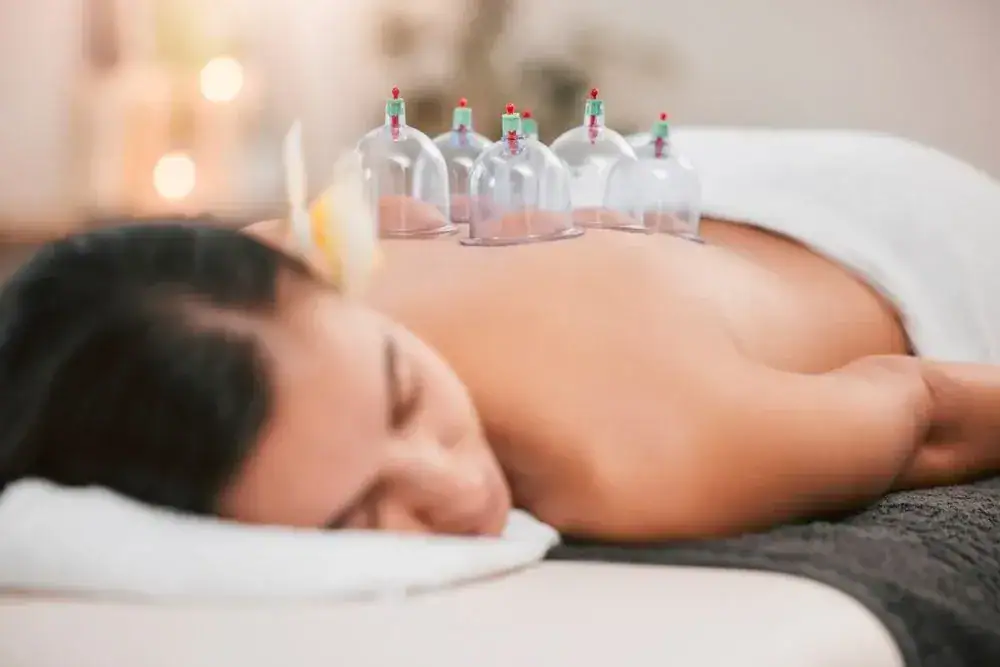

You’ve tried stretching. You’ve tried rest. The tightness keeps coming back, and the pain follows you through your day.
Cupping therapy works by creating suction on your skin that pulls blood into the area. More blood means more oxygen, more nutrients, and faster removal of the waste products that cause soreness. The cups mechanically lift your fascia—the tissue wrapping your muscles—which helps break up adhesions and restore normal movement.
Most people notice less pain within the first session. Your range of motion improves because the tissue isn’t fighting itself anymore. You can bend, reach, and twist without that sharp pull or dull ache stopping you short.
This isn’t about temporary relief. When combined with the right stretches and strengthening exercises, cupping helps reset how your body moves so the problem doesn’t just keep cycling back.
We’ve been treating patients across Long Island for years, including right here in Setauket. We’re not a franchise following a script. We’re local therapists who’ve worked with chronic back pain, post-surgical recovery, sports injuries, and the kind of stubborn muscle tension that doesn’t respond to basic treatment.
Our Google Business Profile is verified. Your patient data is secure. Your treatment plan is personalized, not copied from a template.
Setauket has plenty of therapy options, but not all of them integrate modern techniques like cupping with hands-on manual therapy and movement training. We do, because that’s what gets people back to their lives faster.
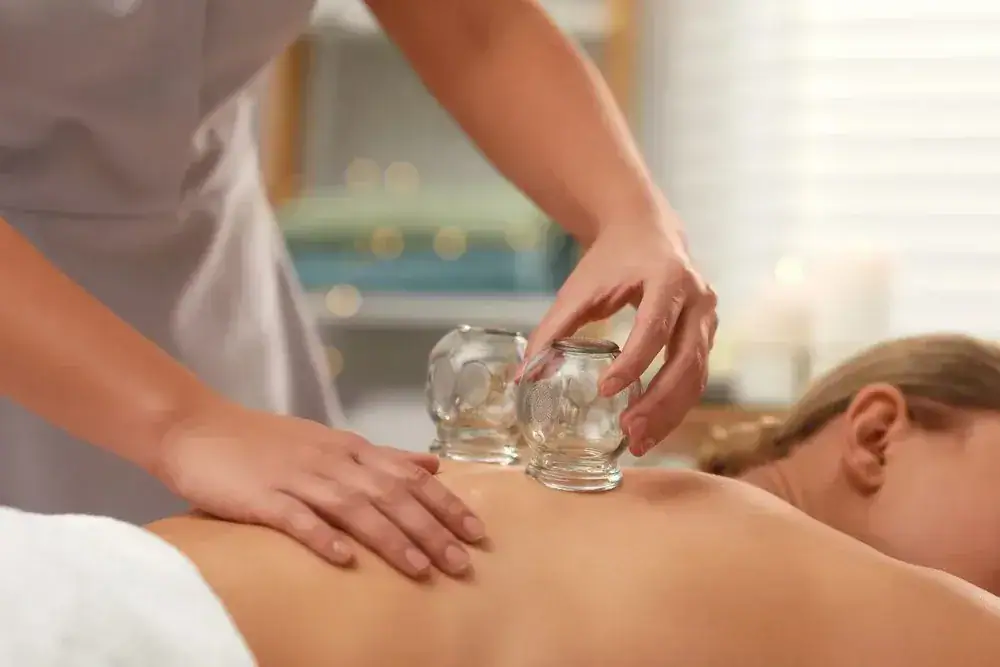
You’ll start with an evaluation. We need to know where it hurts, how long it’s been going on, and what makes it worse. That tells us whether cupping is the right tool or if you need something else first.
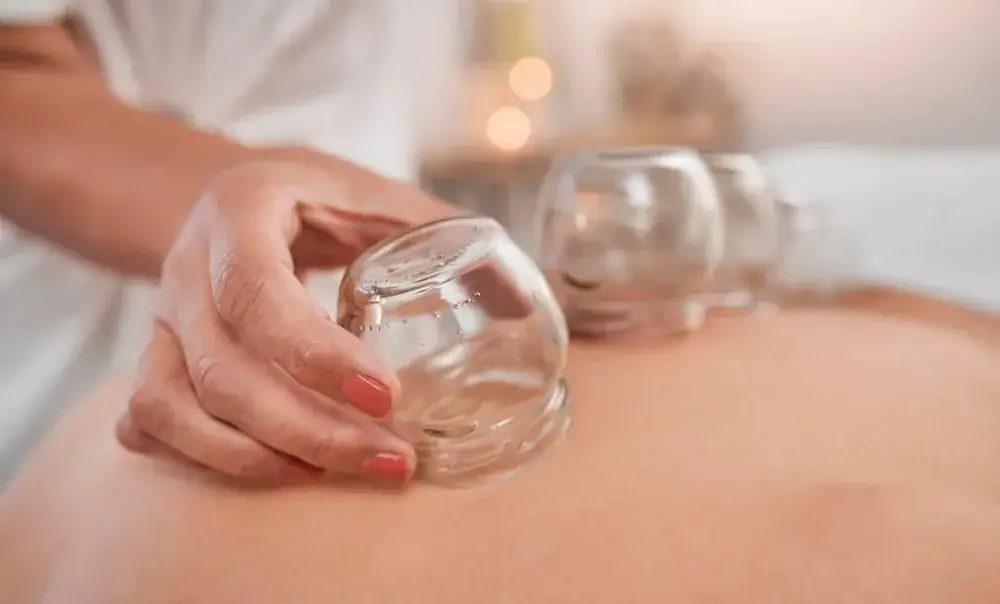
During the session, we place cups on the affected area—usually your back, neck, shoulders, or legs. The suction pulls your skin up slightly, which might feel tight but shouldn’t hurt. We often combine this with movement, having you bend or rotate while the cups are on, which increases range of motion and accelerates the release.
You’ll see circular marks afterward. They’re not bruises—they’re the result of increased blood flow to the area. They fade in a few days to a week and aren’t painful, though the area might feel a little tender right after treatment.
Most people feel looser immediately. The deeper changes—less pain, better movement patterns—build over a few sessions, especially when you’re also doing the exercises we give you between visits.
Ready to get started?
Cupping works best when it’s part of a bigger plan. You’re not just getting cups placed on your back and sent home. You’re getting a full physical therapy approach that includes manual therapy, targeted exercises, and education on how to keep the problem from coming back.
In Setauket and across Long Island, chronic pain is common. Desk jobs, long commutes, repetitive movements, old sports injuries that never fully healed—these all add up. Cupping addresses the tissue restrictions that develop over time, but you also need to retrain how you move and strengthen the areas that have been compensating.
We treat conditions like chronic low back pain, neck stiffness, knee osteoarthritis, tight IT bands, and post-workout soreness that won’t go away. If you’re dealing with fascial restrictions or scar tissue from surgery, cupping can help improve tissue mobility in ways that stretching alone can’t.
You’ll leave each session with a clear understanding of what we did, why we did it, and what you should do before the next visit. No guessing. No vague instructions.
Yes, and there’s research backing it up. Studies show moderate-quality evidence that cupping reduces chronic pain, particularly for conditions like low back pain, neck pain, and knee osteoarthritis. It’s not a miracle cure, but it’s effective when used correctly.
The mechanism is straightforward. Cupping increases local blood flow, which delivers oxygen and nutrients while removing metabolic waste. This reduces inflammation and helps tight muscles relax. The suction also creates a mechanical lift that separates fascial layers, improving tissue glide and reducing the densification that causes stiffness.
Most patients notice a difference within the first few sessions, especially when cupping is combined with movement and strengthening. It’s not about one treatment fixing everything—it’s about using cupping as part of a plan that addresses why the pain started in the first place.
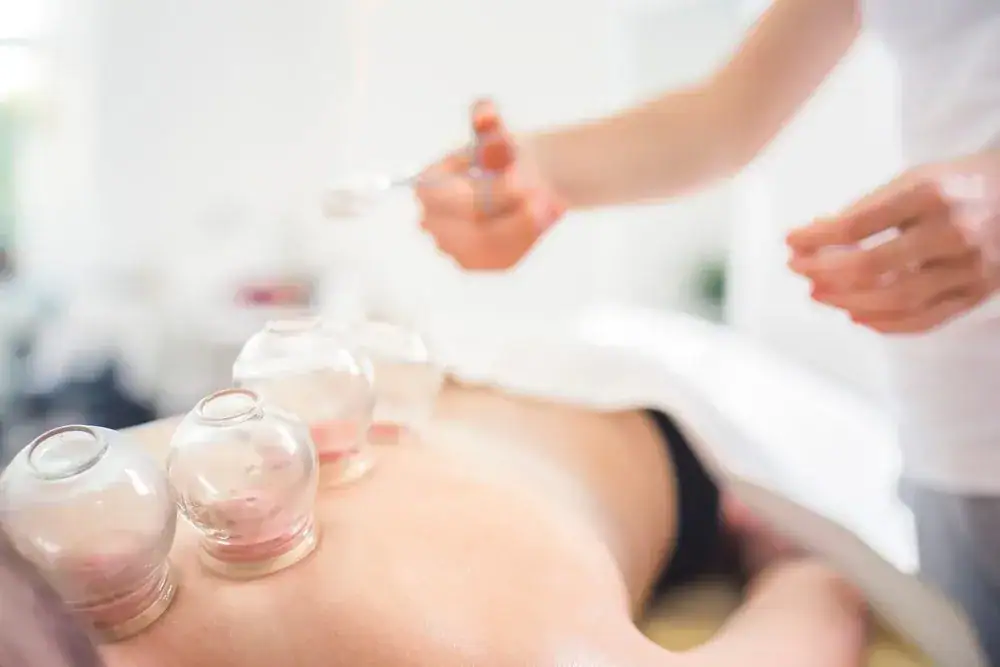
Dry cupping uses suction only—no needles, no incisions, no blood. The cups create negative pressure that pulls your skin and underlying tissue upward. It’s non-invasive and safe for most people.
Wet cupping involves making small cuts in the skin and using suction to draw out a small amount of blood. That’s not what we do here, and it’s not necessary for the pain relief and muscle relaxation most people are looking for.
In physical therapy settings like ours, dry cupping is often combined with movement. We might have you stretch or rotate while the cups are on, which increases the effectiveness and helps improve your range of motion faster. This approach—sometimes called myofascial decompression—gives you more functional results than just placing cups and waiting.
Yes, cupping leaves circular marks that can be deep red or purple. They look dramatic, but they’re not bruises and they’re not painful. They’re the result of increased blood flow to the area, which is exactly what we’re trying to achieve.
The marks typically last anywhere from a few days to a week, depending on how much suction was used and how your body responds. Some people have minimal marking, others have more. It doesn’t correlate with how effective the treatment is.
You might feel a little soreness in the area right after treatment, similar to how you’d feel after a deep tissue massage. That fades quickly. If you have an event coming up where the marks would be visible and that’s a concern, just let us know and we can adjust timing or placement.
Most people feel some relief after the first session, but lasting results usually take a few visits. If you’re dealing with acute tightness—like soreness from a tough workout—one or two sessions might be enough. Chronic issues take longer.
For conditions like ongoing back pain, neck stiffness, or restricted mobility from old injuries, expect a series of sessions over a few weeks. We’ll reassess as we go and adjust the plan based on how you’re responding. Some people come in once a week, others twice a week initially, then taper off as things improve.
The key is that cupping works best when combined with the exercises and movement work we give you. If you’re only doing cupping and not addressing the underlying weakness or movement pattern, the problem will likely come back. We’re not just treating symptoms—we’re helping you fix the root cause.
In most cases, yes—if it’s provided as part of your physical therapy treatment. Cupping is a technique we use within a therapy session, not a standalone service, so it’s typically billed under your physical therapy benefits.
Coverage depends on your specific plan, and we accept most major insurances. Some plans require a referral from your doctor, others don’t. We’ll verify your benefits before you start so there are no surprises.
If you have questions about your coverage or what your out-of-pocket cost might be, call us. We’ll walk you through it and make sure you understand what you’re paying for before your first visit.
Cupping is safe for most people, but there are some situations where we’d avoid it or modify the approach. If you’re pregnant, have a pacemaker, take blood thinners, or have a bleeding disorder, cupping might not be appropriate. Same goes for active skin infections, open wounds, or certain cardiovascular conditions.
During your evaluation, we’ll go through your medical history and any medications you’re taking. If cupping isn’t a good fit, we’ll tell you and recommend other techniques that will work better for your situation.
The goal is always to help you feel better and move better, and that means using the right tool for your specific case. Cupping is effective for a lot of conditions, but it’s not the only option we have, and we’re not going to use it if something else makes more sense for you.
Other Services we provide in Setauket