
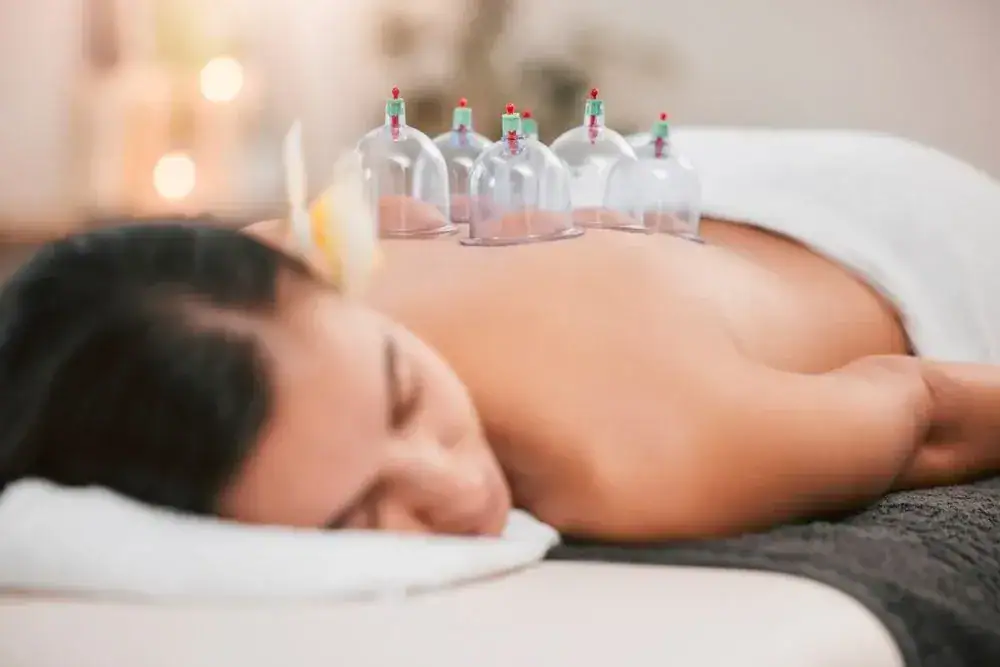

You’ve tried heat. You’ve tried stretching. Maybe you’ve even tried ignoring it. But that knot in your shoulder, that ache in your lower back, that stiffness limiting how you move—it’s still there.
Cupping therapy works differently. It creates negative pressure that lifts tissue, increases blood flow to areas starved of circulation, and releases fascial adhesions that other treatments can’t reach. The result isn’t just temporary relief—it’s improved mobility, reduced inflammation, and muscles that finally stop fighting you.
Most people notice a difference within the first session. That tightness in your neck loosens. Your range of motion improves. You move through your day without constantly adjusting your posture or reaching for pain relievers. For chronic conditions like back pain or sports injuries, consistent treatment over eight to twelve weeks creates lasting change in how your muscles and connective tissue function.
We’ve been treating patients across Nassau County for years, combining traditional physical therapy with proven alternative treatments like cupping. Every practitioner on our team holds current licenses and follows rigorous protocols for patient safety and treatment effectiveness.
We’re not a spa offering relaxation cupping. We’re licensed healthcare professionals treating real pain conditions—chronic back pain, sports injuries, post-surgical recovery, and musculoskeletal disorders that limit how you work and live. Our Searingtown location serves professionals, athletes, and residents dealing with the kind of persistent discomfort that doesn’t respond to standard approaches.
You’ll find the same level of care here that you’d expect from any medical practice—verified credentials, secure patient data management, and transparent communication about what treatment involves and what results you can reasonably expect.
Your first visit starts with an assessment. We need to understand your pain patterns, what movements trigger discomfort, and what you’ve already tried. This isn’t a standard intake form—it’s a conversation about what’s actually limiting you.
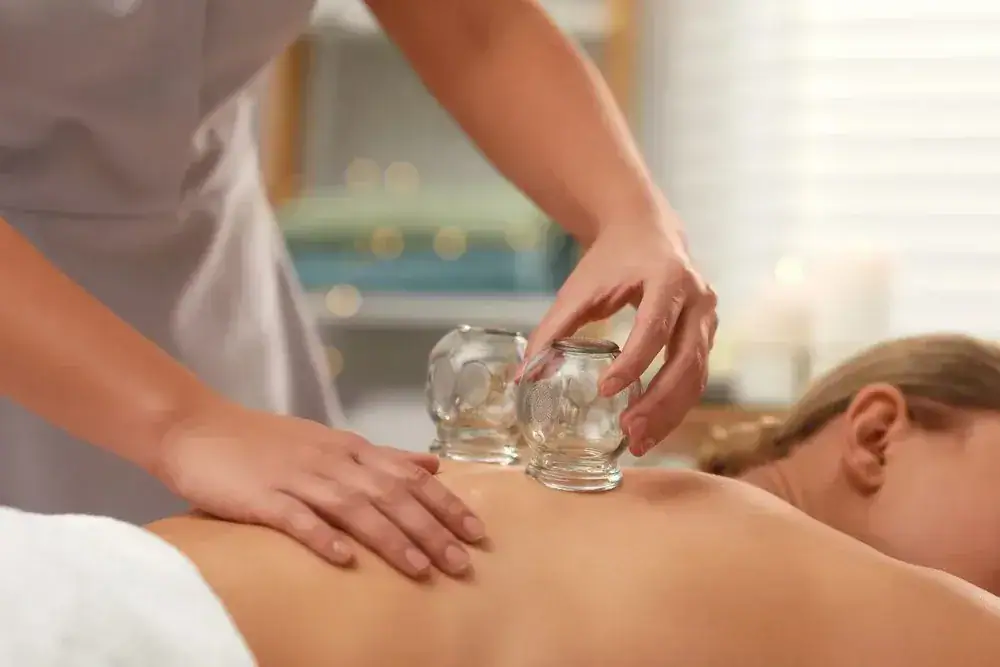
During treatment, we place specialized cups on targeted areas of muscle tension or pain. The suction creates negative pressure that lifts tissue away from underlying structures, increasing blood flow and releasing tight fascia. You’ll feel a pulling sensation, not pain. Most people find it surprisingly comfortable once they adjust to the feeling.
Sessions typically last 15 to 30 minutes depending on the treatment area and your specific condition. Yes, cupping can leave temporary circular marks where blood is drawn to the surface—they’re not bruises, and they fade within a few days. For many patients, we integrate cupping with physical therapy exercises or manual techniques to address both symptoms and underlying movement dysfunction.
Treatment frequency depends on your condition. Acute issues might need weekly sessions for four to six weeks. Chronic conditions often require consistent treatment over two to three months to create lasting tissue changes. We’ll map out a realistic timeline during your first visit.
Ready to get started?
Cupping therapy works best for conditions involving muscle tension, restricted fascia, and circulation problems. That includes chronic back and neck pain—the kind that affects 80% of adults at some point and keeps you from sleeping, working, or exercising normally.
We treat a lot of desk workers from Searingtown and surrounding Nassau County communities dealing with upper back tightness and neck strain from hours at a computer. Athletes come in for sports injury recovery and performance optimization—cupping increases range of motion and speeds muscle recovery between training sessions. Post-surgical patients use it to address scar tissue adhesions and restore normal movement patterns.
The treatment also helps with conditions like tension headaches, TMJ-related jaw pain, and leg muscle tightness that limits mobility. In Nassau County, where long commutes and demanding work schedules are common, we see plenty of stress-related muscle tension that responds well to the nervous system calming effects of cupping combined with targeted physical therapy.
What doesn’t respond well: acute injuries that need rest, skin conditions in the treatment area, or pain that’s primarily nerve-related rather than muscular. We’ll tell you upfront if cupping isn’t the right approach for your specific situation.
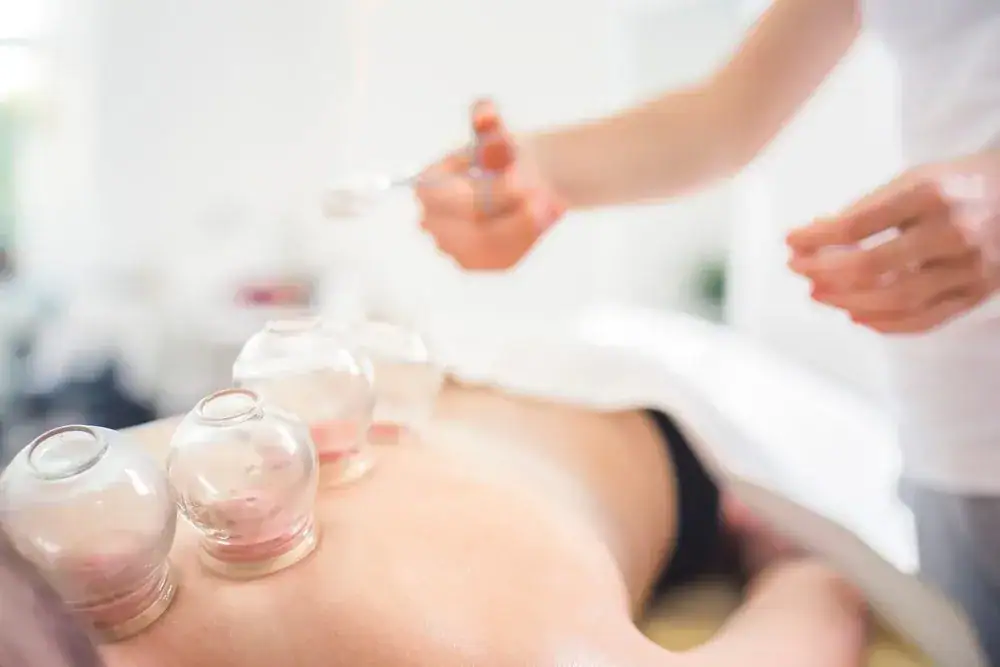
Yes, but not as a standalone treatment for most people. Cupping increases blood flow to tight, painful areas of your back and releases fascial restrictions that limit movement. That provides real relief—studies show measurable reductions in pain intensity and improvements in mobility.
The key is consistency and integration. Getting cupped once might give you three to five days of relief. Weekly sessions over eight to twelve weeks create cumulative effects that last longer because you’re actually changing how the tissue functions, not just temporarily reducing symptoms.
For chronic back pain, we typically combine cupping with corrective exercises that address why your back got tight in the first place. If you’re sitting eight hours a day with poor posture, cupping will help—but you’ll need to change movement patterns too. That’s where physical therapy integration makes the difference between temporary relief and lasting improvement.
Dry cupping uses suction only—cups are placed on your skin and left stationary or moved across muscle groups to release tension. There’s no cutting, no blood removal, just negative pressure that lifts tissue and increases circulation. This is what we practice at Medcare.
Wet cupping involves making small incisions and drawing out blood. It’s used in some traditional medicine practices but requires different training and carries higher risk. Fire cupping uses flame to create suction, while modern dry cupping uses mechanical or silicone pumps for more controlled pressure.
For treating muscle pain, sports injuries, and chronic tension, dry cupping is effective and low-risk. You get the circulation benefits and fascial release without any invasive procedures. The marks it leaves are from blood being drawn to the surface of tissue, not from tissue damage—they fade within three to seven days and don’t hurt.
Most people notice some improvement after the first session—reduced tightness, better range of motion, less pain when moving. That initial relief typically lasts three to five days if you’re dealing with chronic issues.
Real, lasting change takes longer. For chronic back pain, neck tension, or sports injuries, you’re looking at weekly treatments for eight to twelve weeks. That’s how long it takes to create actual changes in fascial tissue and muscle function, not just temporary symptom relief.
Acute issues respond faster. If you tweaked your shoulder last week and it’s locked up, a few sessions over two to three weeks might be enough. Chronic conditions that have been building for months or years need more time. We’ll give you a realistic timeline during your assessment based on what we’re actually seeing, not what you want to hear.
Absolutely. Cupping enhances physical therapy by releasing muscle tension and fascial restrictions that limit your ability to perform therapeutic exercises correctly. When your tissue is tight and restricted, you can’t move through full range of motion—which means you can’t strengthen properly or retrain movement patterns.
At Medcare, we integrate cupping directly into physical therapy sessions when appropriate. You might get cupped at the start of a session to release tight areas, then move into exercises while your tissue is more mobile. Or we might use it at the end to promote recovery and reduce post-exercise soreness.
Many chiropractors, massage therapists, and acupuncturists use cupping alongside their primary treatments for the same reason—it’s complementary, not competitive. If you’re currently seeing another provider, let us know. We can coordinate timing and treatment areas to make sure everything works together rather than overloading your system.
Sometimes, depending on your plan and how the treatment is billed. When cupping is provided as part of a physical therapy session by a licensed physical therapist—which is how we deliver it at Medcare—it’s often covered under your PT benefits.
Insurance companies typically cover cupping when it’s medically necessary for treating a diagnosed condition like chronic back pain, sports injury, or post-surgical recovery. They don’t usually cover it for general wellness or relaxation purposes. We’ll verify your specific coverage during scheduling.
If your plan doesn’t cover cupping or you haven’t met your deductible, we’ll discuss out-of-pocket costs upfront. No surprises. Many patients find that even paying directly is more cost-effective than ongoing pain medication or repeated doctor visits that don’t solve the underlying problem. We’ll help you understand your options before you commit to treatment.
The most common “side effect” is circular marks where the cups were placed. They look dramatic but don’t hurt—they’re caused by blood being drawn to the tissue surface and typically fade within three to seven days. Some people experience mild soreness in treated areas for a day or two, similar to post-workout muscle soreness.
Cupping is very safe when performed by licensed practitioners following proper protocols. Risks are minimal but include temporary skin irritation, lightheadedness during treatment (rare), or minor discomfort if suction is too strong. We adjust pressure based on your tolerance and tissue response.
You shouldn’t get cupping if you have active skin infections in the treatment area, certain bleeding disorders, or are taking blood thinners without medical clearance. Pregnant women need modified treatment approaches. We screen for contraindications during your initial assessment and adjust treatment accordingly. The goal is effective relief without unnecessary risk—we’re not pushing treatment on anyone who isn’t a good candidate.
Other Services we provide in Searingtown