
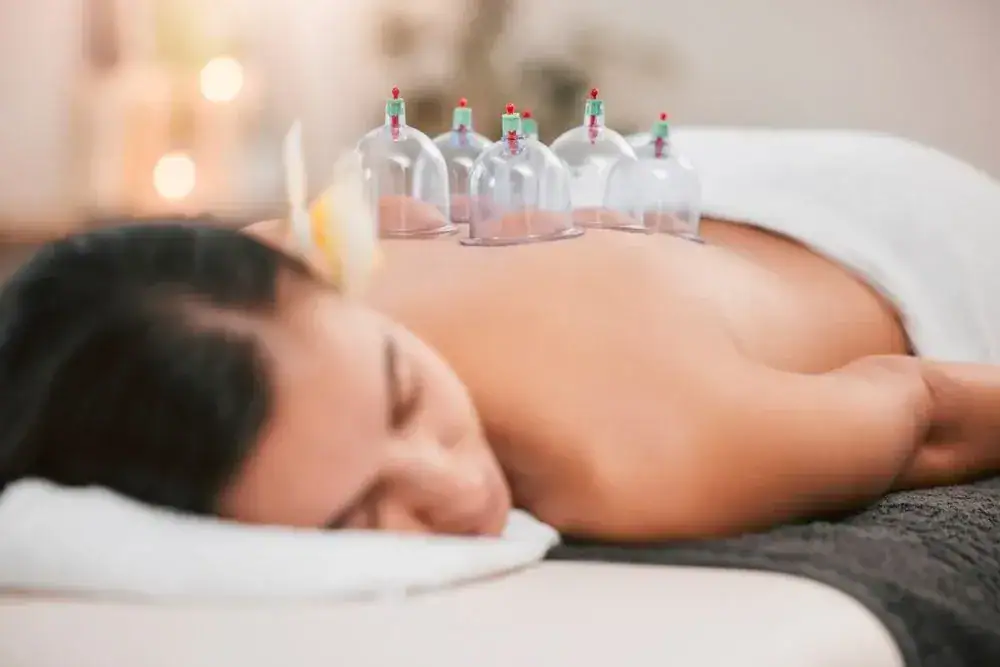

You’ve tried stretching. You’ve tried heat packs. Maybe you’ve even tried ignoring it. But that tightness in your neck, that ache in your lower back, that shoulder that won’t let you reach overhead—it’s still there.
Cupping therapy works by creating suction on your skin, pulling fresh blood and oxygen into areas that have been tight, inflamed, or starved of circulation. The result isn’t just temporary—it’s a reset for muscles that have been locked up for weeks, months, or longer.
Most people notice improved range of motion after their first session. You’ll bend easier. Reach further. Sleep better because you’re not waking up stiff. Dry cupping doesn’t involve needles or incisions, just controlled suction that loosens fascia and lets your body do what it’s designed to do: heal itself.
If you’ve been dealing with chronic pain that limits your day—whether that’s at work, at the gym, or just getting through normal activities—cupping gives your muscles the space they need to recover. And it does it without adding another prescription to your routine.
We operate multiple locations across Long Island, including our centers in Smithtown and Speonk. We’ve built a reputation in Seaford and surrounding Nassau County communities by showing up consistently and treating people like people—not case numbers.
Our team includes licensed physical therapists trained in cupping, Graston technique, active release, and other manual therapies that actually work. We don’t push cookie-cutter treatment plans. Every session is built around what your body needs and what your schedule allows.
We accept most major insurance plans, and we’re transparent about costs before you start. Our Google Business Profiles are verified, our staff credentials are current, and we manage your patient data with the same care we’d expect if we were the ones on the table. You’re trusting us with your recovery—we take that seriously.
Your first visit starts with an evaluation. We’ll ask about your pain—where it is, how long you’ve had it, what makes it worse. We’ll also check your range of motion and muscle tension to figure out where cupping will help most.
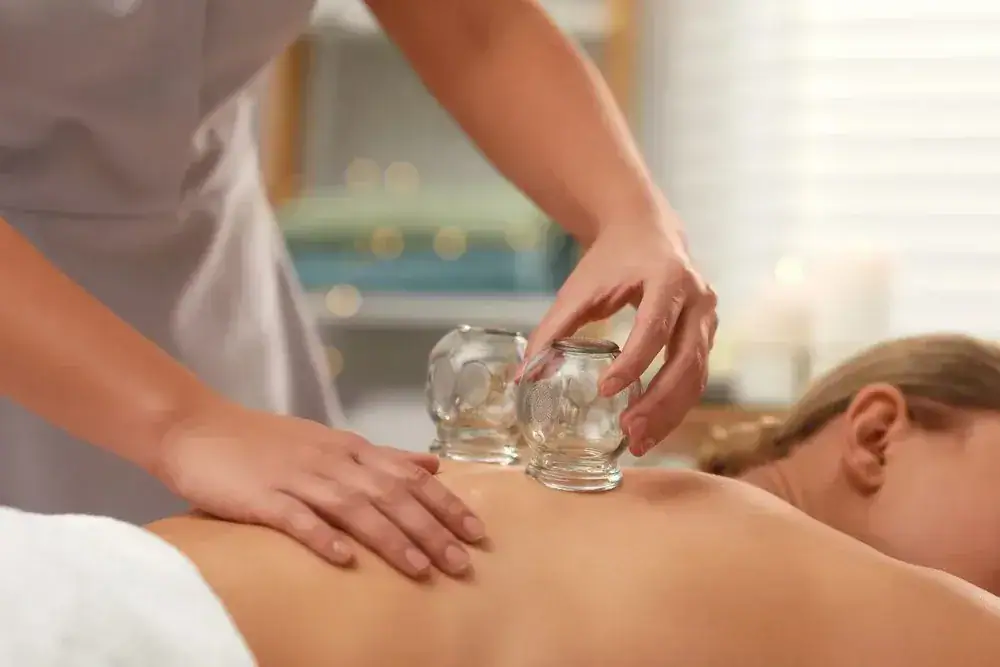
During the session, we place cups on targeted areas of your body. These cups create suction that lifts the skin and underlying tissue, increasing blood flow and releasing tight fascia. You’ll feel pulling, but it shouldn’t hurt. Most people find it surprisingly relaxing once they get used to the sensation.
Sessions typically last around 30 to 45 minutes, depending on how many areas we’re treating. You might see circular marks on your skin afterward—that’s normal and fades within a few days. Those marks show where blood was drawn to the surface, which is part of the healing process.
We usually recommend starting with a few sessions over a couple of weeks, then adjusting based on how you respond. Some people feel relief immediately. Others need a few treatments before they notice a difference. Either way, we’ll track your progress and modify the plan as you improve.
Ready to get started?
Cupping therapy at Medcare isn’t a standalone service—it’s part of a broader physical therapy plan. That means we’re not just putting cups on your back and calling it a day. We’re combining cupping with other manual techniques, corrective exercises, and education so you understand what’s happening and how to maintain the results.
In Seaford and across Nassau County, we see a lot of desk workers with neck and shoulder tension, athletes dealing with sports injuries, and older adults managing arthritis or chronic lower back pain. Cupping helps all of them, but the approach changes depending on the condition. For muscle tightness, we focus on fascia release. For inflammation, we target blood flow. For recovery after injury, we use cupping to speed healing in specific areas.
Sessions run about an hour when combined with other therapies, or around 30 minutes if you’re just doing cupping. Most insurance plans cover cupping when it’s part of a physical therapy treatment plan, which ours is. If you’re paying out of pocket, expect to pay around $85 per session in the Seaford area—that’s the going rate based on local market data.
You’ll leave each session with a clear understanding of what we did, why we did it, and what to expect before your next visit. No guessing. No vague instructions. Just straightforward care that fits into your life.
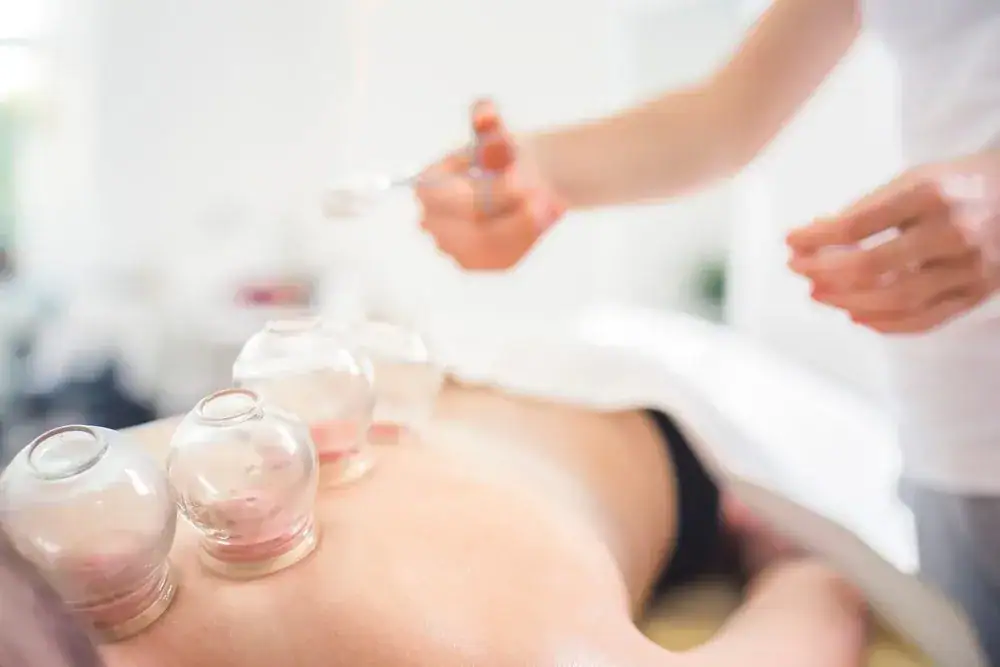
Yes, and there’s research backing it up. Cupping therapy has moderate-quality evidence supporting its use for chronic pain conditions, including lower back pain, neck pain, and knee osteoarthritis. It’s not a miracle cure, but it’s a legitimate treatment option.
The way it works is pretty straightforward. Chronic back pain often comes from tight muscles, poor circulation, or fascia that’s stuck in place. Cupping creates suction that lifts tissue, increases blood flow, and releases tension in areas that have been locked up. That gives your muscles room to relax and your body a chance to heal.
Most people notice some improvement within the first few sessions, especially if their pain is related to muscle tightness or poor posture. If your back pain is caused by a herniated disc or structural issue, cupping can still help manage symptoms, but it’s usually combined with other therapies like strengthening exercises or manual adjustments. We’ll assess your specific situation during your first visit and let you know what to expect.
You’ll likely see circular marks where the cups were placed, but they’re not bruises in the traditional sense. They’re caused by blood being drawn to the surface of your skin, which is part of how cupping works. The marks usually fade within three to seven days.
Some people get darker marks than others, depending on how tight their muscles are and how much stagnation is in the tissue. If you have a lot of tension or inflammation in an area, the marks might be more noticeable. That’s actually a sign the treatment is working—it means fresh blood and oxygen are being pulled into areas that needed it.
The marks don’t hurt. You might feel a little tender in the treated areas for a day or two, similar to how you’d feel after a deep tissue massage. If you’re concerned about visible marks for an event or something, just let us know and we can adjust the intensity or work on areas that won’t be visible.
Massage pushes tissue down. Cupping pulls it up. That’s the main difference, and it matters because some types of pain respond better to one approach than the other.
Massage therapy uses pressure to release muscle knots and improve circulation. It’s great for general relaxation and surface-level tension. Cupping, on the other hand, uses suction to lift tissue away from underlying structures. This is especially helpful for fascia—the connective tissue that wraps around your muscles—which can get stuck or restricted after injury, overuse, or prolonged poor posture.
Cupping also brings blood flow to deeper layers of tissue more effectively than massage in some cases. If you’ve been dealing with chronic tightness that massage hasn’t fully resolved, cupping might be the missing piece. We often use both techniques together, depending on what your body needs. They’re not competing treatments—they’re complementary.
Absolutely. Cupping has become popular among athletes because it speeds recovery and helps maintain performance during heavy training cycles. You probably saw the circular marks on swimmers and gymnasts during the 2016 Olympics—that was cupping.
Athletes use cupping to reduce muscle soreness, improve flexibility, and recover faster between workouts or competitions. The increased blood flow helps clear metabolic waste from muscles and delivers oxygen and nutrients that support repair. If you’re training hard and dealing with tight hip flexors, sore shoulders, or nagging leg pain, cupping can help you recover without taking time off.
We work with recreational athletes, high school sports players, and weekend warriors in Seaford who want to stay active without getting sidelined by injuries. Cupping fits into a training plan easily—you can do it between sessions without disrupting your routine. Just keep in mind that it works best when combined with proper warm-ups, cooldowns, and mobility work. It’s a tool, not a replacement for smart training.
Most major insurance plans cover cupping therapy when it’s part of a physical therapy treatment plan, which is how we provide it at Medcare. We’re not a spa offering cupping as a standalone wellness service—we’re a licensed physical therapy practice using cupping as a clinical tool to treat pain and dysfunction.
That distinction matters for insurance purposes. If your doctor refers you for physical therapy and we determine that cupping is an appropriate treatment for your condition, it’s typically covered under your PT benefits. We’ll verify your coverage before you start and let you know what your copay or out-of-pocket cost will be.
If you don’t have insurance or prefer to pay out of pocket, sessions in Seaford run around $85 on average. We’re upfront about costs and work with patients to create a treatment plan that fits their budget. No surprises, no hidden fees—just clear communication about what you’re paying for and why.
It depends on what we’re treating and how your body responds. Most people start with two sessions per week for the first couple of weeks, then taper down as symptoms improve. Some conditions resolve in four to six sessions. Others take longer, especially if you’re dealing with chronic pain that’s been building for months or years.
During your first visit, we’ll give you a realistic timeline based on your specific condition. If you’re coming in for acute muscle strain, you might feel significantly better after two or three sessions. If you’re managing arthritis or long-term back pain, we’ll likely recommend a longer treatment plan that includes cupping along with exercises and other manual therapies.
We track your progress at every visit. If you’re not improving at the rate we’d expect, we adjust the plan. If you’re responding faster than anticipated, we’ll scale back. The goal isn’t to keep you coming in forever—it’s to get you functional, pain-free, and back to your normal activities as quickly as possible.
Other Services we provide in Seaford