
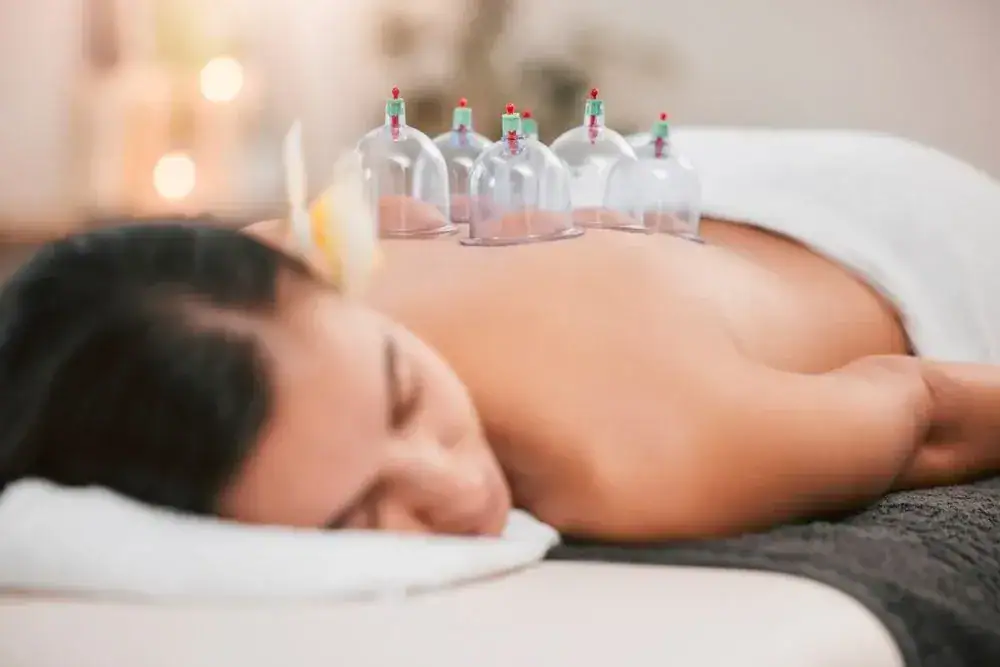

Cupping therapy uses controlled suction to pull blood flow into tight, painful areas. That increased circulation helps reduce inflammation, loosens stubborn muscle tension, and gives your body what it needs to start healing on its own.
You’re not masking pain with another pill. You’re addressing the root cause—restricted blood flow, adhesions in the fascia, and muscles that won’t release on their own.
Most people notice immediate relief after their first session. Stiffness decreases. Range of motion improves. The constant ache that’s been limiting your day finally starts to back off. For chronic conditions like low back pain, neck tension, or shoulder tightness, dry cupping combined with physical therapy creates lasting change, not just temporary comfort.
This isn’t about trends or what athletes post on Instagram. It’s about a 5,000-year-old technique that works—and now it’s available in your home in Salisbury, NY, through licensed physical therapists who know how to use it correctly.
We’ve been serving Long Island communities since 2010. We bring licensed physical therapists directly to your home in Salisbury and surrounding areas—because getting quality care shouldn’t require you to fight traffic, arrange rides, or push through pain just to make an appointment.
Our team specializes in treating patients who can’t easily access traditional clinic settings. That includes older adults managing chronic conditions, post-surgical patients with mobility limitations, and anyone dealing with pain severe enough that leaving the house feels impossible.
We’re Medicare-certified, which means your treatment is covered under your existing benefits. No surprise bills. No out-of-network confusion. Just straightforward care delivered by professionals who’ve been doing this for over a decade across multiple Long Island locations.
Your therapist starts with an evaluation. They’ll ask about your pain—where it is, how long you’ve had it, what makes it worse. They’ll assess your range of motion and identify which muscles or areas are restricted.
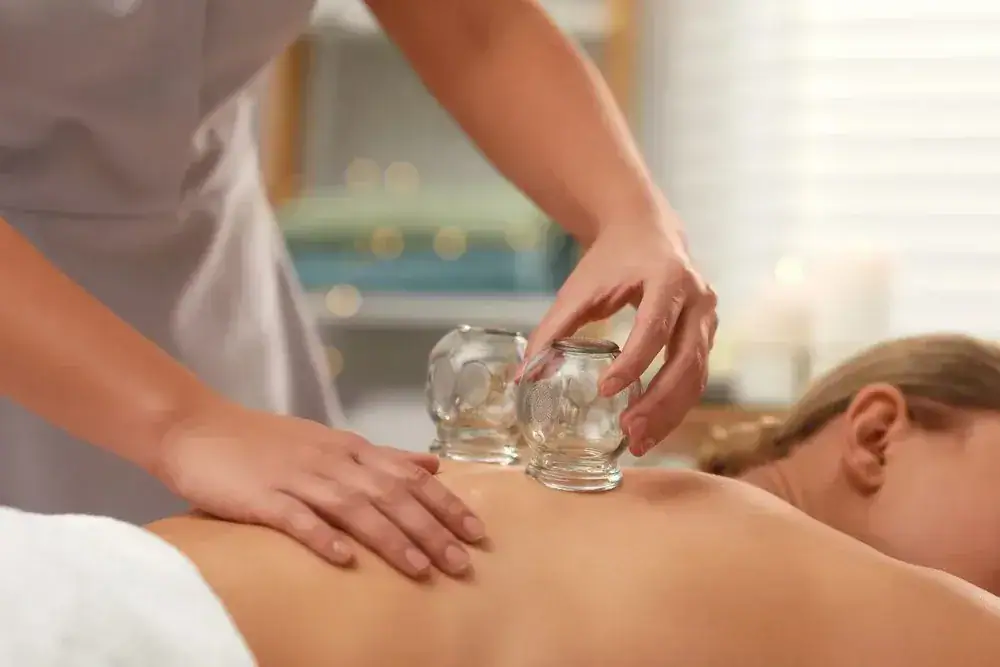
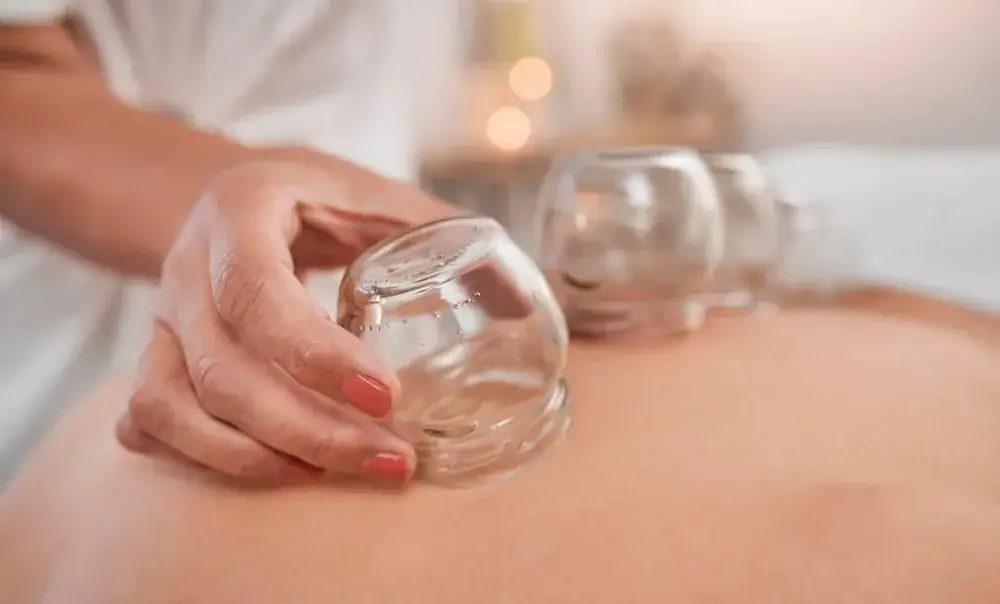
Then comes the cupping itself. Your therapist places specialized cups on your skin, creating suction that pulls tissue upward. This is called myofascial decompression. It feels like a strong pull or stretch—not painful, but you’ll definitely feel it working. The cups stay in place for several minutes, or your therapist may move them across your muscles to release deeper tension.
After the cups are removed, you’ll likely see circular marks on your skin. Those aren’t bruises—they’re a sign of increased blood flow to areas that weren’t getting enough circulation. The marks fade within a few days.
Most sessions last 30 to 45 minutes. Cupping is often combined with other physical therapy techniques like stretching, manual therapy, or strengthening exercises. That’s the advantage of working with a licensed PT—they’re not just doing cupping in isolation. They’re building a treatment plan that addresses your specific condition and gets you moving better overall.
Ready to get started?
When you schedule cupping therapy with us, you’re getting more than just the cups. You’re getting a full physical therapy evaluation, a personalized treatment plan, and ongoing adjustments based on how your body responds.
Your therapist brings everything needed to your home—cupping equipment, assessment tools, and any additional therapy supplies. Sessions are scheduled at times that work for you, and your therapist will coordinate directly with your physician if needed.
For Salisbury residents, this matters. Long Island traffic is brutal. Medical appointments pile up. If you’re already dealing with chronic pain or recovering from surgery, the last thing you need is another stressful trip to a clinic. Home-based care removes that barrier entirely.
Cupping works especially well for conditions common among older adults in Nassau County—chronic low back pain, arthritis-related stiffness, rotator cuff issues, and neck tension from years of poor posture or repetitive strain. These aren’t quick fixes, but with consistent treatment, most patients see significant improvement in pain levels and daily function within a few weeks.
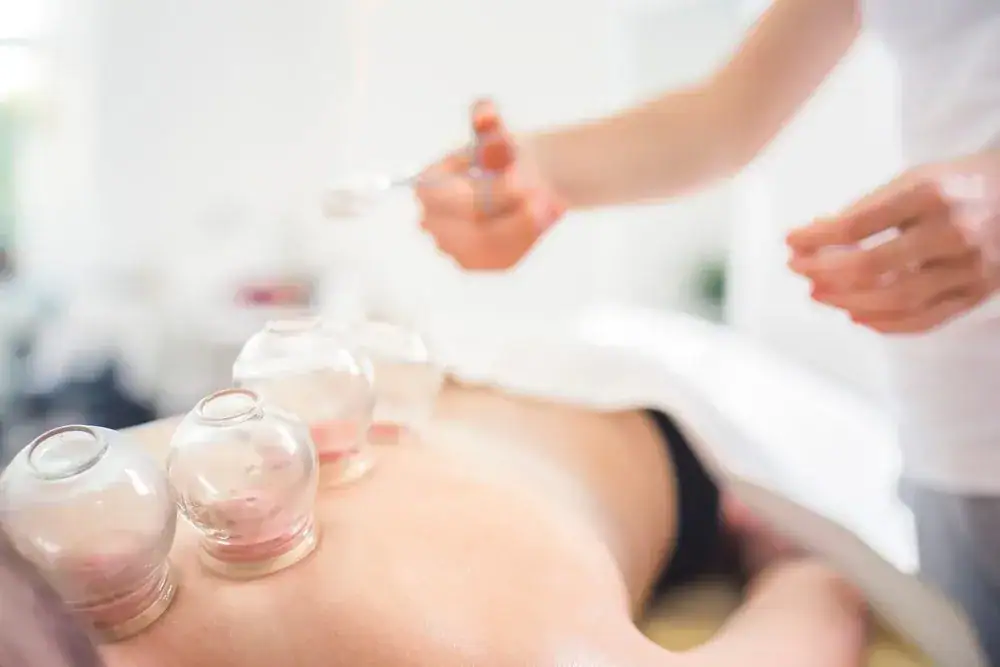
Yes, but it’s not magic. Research shows cupping provides measurable short-term pain relief, particularly for chronic low back pain. Studies using laser Doppler flowmetry confirm that cupping significantly increases blood flow to treated areas, which helps reduce inflammation and muscle tightness.
The key is combining cupping with other physical therapy interventions. Cupping alone might give you temporary relief, but when it’s part of a broader treatment plan that includes strengthening, stretching, and movement retraining, the results last longer. That’s how we use it—as one tool in a complete approach to managing your pain.
You’ll likely feel some relief after your first session, but real improvement comes with consistency. Most patients need several sessions over a few weeks to see lasting change, especially if they’re dealing with chronic conditions that have been building for months or years.
Cupping itself isn’t separately billed, but when it’s part of your physical therapy treatment plan, it’s covered under Medicare Part B. We’re a Medicare-certified provider, which means your home-based physical therapy visits—including cupping as a treatment technique—are covered under your existing benefits.
Medicare does have annual therapy thresholds, and once you hit a certain dollar amount, your therapist will need to document medical necessity to continue treatment. But for most patients dealing with chronic pain or recovering from surgery, that’s not an issue. Your therapist handles all the documentation and works directly with Medicare to keep your treatment on track.
You won’t pay out-of-pocket for the cupping equipment or extra fees for home visits. It’s all part of your standard physical therapy coverage, which makes this accessible for patients who might not be able to afford private pay services.
Cupping feels like a strong suction pulling your skin and the tissue underneath upward. It’s not painful, but it’s intense—especially over tight or restricted areas. Some people find it relaxing once they get used to the sensation. Others describe it as uncomfortable but tolerable, like a deep tissue massage.
The circular marks you see after cupping are normal. They’re caused by increased blood flow and mild capillary expansion in areas that weren’t getting good circulation. The marks aren’t bruises—they don’t hurt to touch, and they fade within three to seven days depending on your skin and how restricted the tissue was.
If you’re worried about visible marks, let your therapist know. They can adjust the suction intensity or place cups in areas that are easier to cover with clothing. But honestly, most patients stop caring about the marks once they feel how much better they move afterward.
Most people feel some immediate relief after their first session—less stiffness, better range of motion, reduced pain when moving. But one session isn’t going to fix a chronic problem that’s been developing for months or years.
For acute issues like a recent muscle strain or post-workout soreness, you might only need two to four sessions. For chronic conditions like ongoing low back pain, arthritis, or shoulder impingement, expect to need six to eight sessions over several weeks, combined with other physical therapy work.
Your therapist will reassess your progress regularly and adjust your treatment plan based on how you’re responding. Some patients continue cupping as part of maintenance care once their pain is under control. Others transition to strengthening and movement training once the initial restrictions are resolved. It depends entirely on your condition and your goals.
That’s exactly why we offer home-based cupping therapy. If you’re struggling to leave your house because of pain, balance problems, or difficulty with transportation, we bring the treatment to you.
Your therapist will set up in whatever space works best—your bedroom, living room, even a kitchen chair if that’s most comfortable. You don’t need special equipment or a treatment table. We work with what you have and adapt the session to your needs.
This is especially important for older adults in Salisbury and across Nassau County who are managing multiple health conditions. You shouldn’t have to choose between getting effective pain treatment and staying safe at home. Home-based physical therapy removes that impossible choice and gives you access to the same quality care you’d get in a clinic—just without the stress of getting there.
Yes, when performed by a licensed physical therapist who understands your medical history. Cupping is considered a low-risk therapy with minimal side effects, which makes it a good option for older adults who want to avoid medications or more invasive treatments.
That said, cupping isn’t appropriate for everyone. If you’re on blood thinners, have fragile skin, or have certain circulatory conditions, your therapist will either modify the technique or recommend a different approach. That’s why the evaluation matters—your therapist needs to know your full health picture before starting treatment.
Our therapists specialize in geriatric care and home-based treatment for patients with complex medical histories. We’re not just doing cupping because it’s trendy. We’re using it strategically as part of a safe, effective treatment plan designed specifically for your age, condition, and goals.
Other Services we provide in Salisbury