

You’re not looking for temporary relief that wears off by dinner. You want to sleep through the night without your back waking you up. You want to reach for something on a high shelf without that sharp pull in your shoulder.
Cupping therapy works by increasing blood flow to tight, painful areas and releasing the fascia that’s been locked up for months or years. The suction lifts tissue, separates muscle layers, and gives your body room to heal itself. Most people notice looser movement within the first session.
This isn’t about chasing trends. Nearly a quarter of adults in the U.S. deal with chronic pain, and many are tired of being handed the same pharmaceutical options. Cupping gives you another path—one that’s been used for thousands of years and is now backed by physical therapists who understand how your body actually moves.
We operate multiple locations across Long Island, including right here in Remsenburg-Speonk. We’re not a franchise that rotates therapists every few months. Our team stays, learns the community, and builds care plans around what you actually need—not what fits a template.
Every Google Business Profile we manage is verified and secure. Every treatment plan is built with you in the room. We don’t hand you off to an assistant after the first visit, and we don’t rush you out the door after 15 minutes.
You’ll work with licensed physical therapists who use evidence-based methods, including cupping therapy, to treat the whole problem—not just the spot that hurts. That’s how people get back to work, back to the gym, and back to life without constant pain following them around.
Your first visit starts with a conversation. We ask where it hurts, how long it’s been going on, and what makes it worse. Then we assess your movement, your posture, and the areas that aren’t moving the way they should.
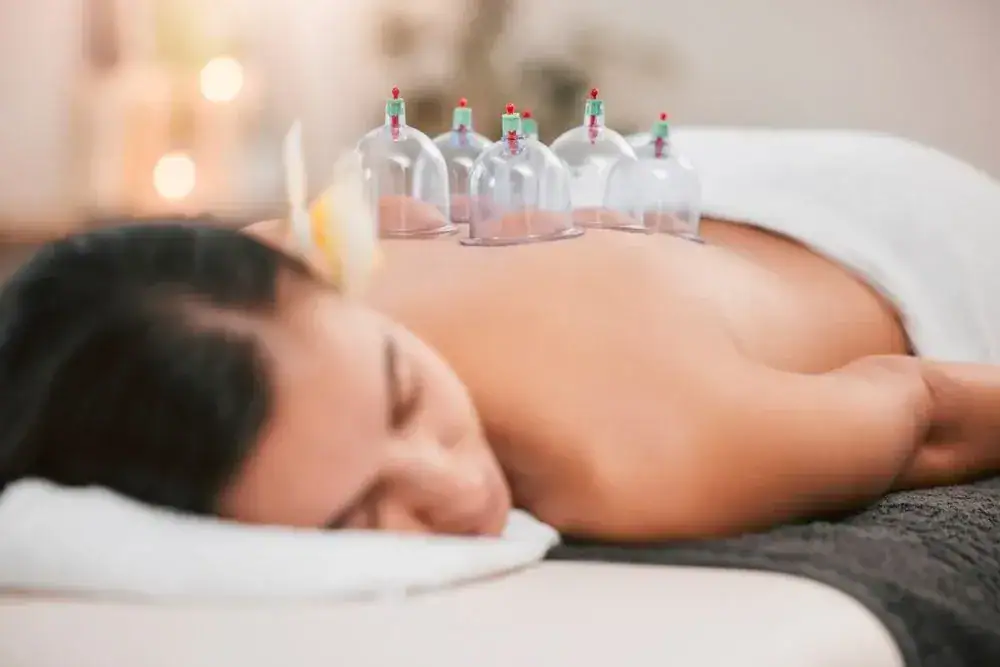
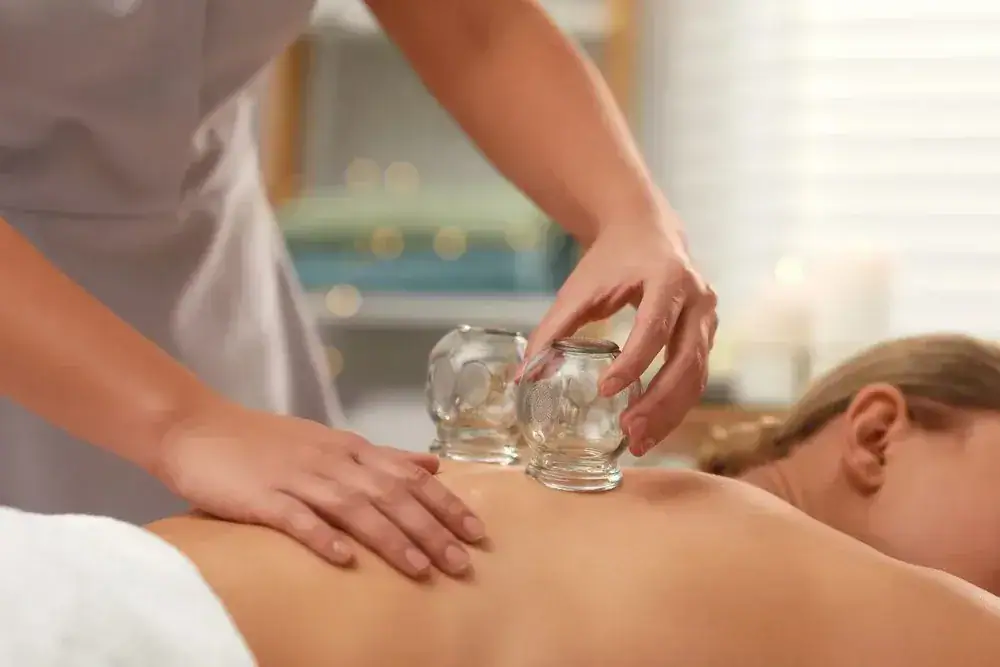
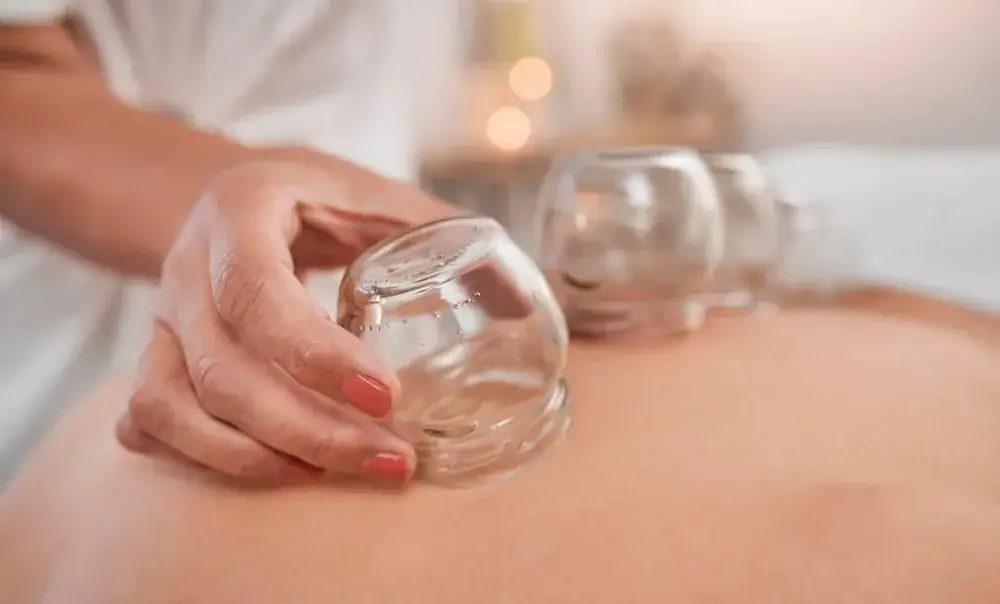
Cupping itself is straightforward. We place small cups on your skin—usually along your back, shoulders, neck, or legs—and create suction using either heat or a pump. That suction pulls tissue upward, which increases blood flow and releases tension in the fascia and muscles underneath. You’ll feel a tight pull, but it shouldn’t hurt. Most people say it’s oddly satisfying.
We leave the cups in place for five to fifteen minutes depending on what we’re treating. Some of our therapists use “sliding cupping,” where we move the cups across your skin to release larger areas. When we remove them, you might see circular marks—that’s normal and they fade within a few days.
Cupping is usually combined with other physical therapy techniques like stretching, strengthening exercises, or manual therapy. The goal isn’t just short-term relief. It’s to retrain your body so the pain doesn’t keep coming back every time you move wrong.
Ready to get started?
We use dry cupping, which means no needles and no incisions. It’s non-invasive, low-risk, and works well alongside the other physical therapy treatments we’re already doing. You’re not choosing between cupping and everything else—you’re adding a tool that makes the rest of your care more effective.
Cupping helps with more than just sore muscles. We use it to treat chronic back pain, neck stiffness, knee pain, shoulder tension, and even arthritis symptoms. Research shows it’s particularly effective for musculoskeletal pain when combined with physical therapy. That’s exactly how we use it.
Here in Remsenburg-Speonk, we see a lot of patients dealing with pain that’s been ignored for too long. Maybe you’ve been told it’s just part of getting older, or that you need to learn to live with it. That’s not true, and it’s not fair. Pain is your body telling you something’s wrong—and cupping therapy is one way we help fix it.
You’ll also get a personalized plan that goes beyond the treatment table. We’ll show you exercises to do at home, teach you how to move differently, and give you realistic expectations about your timeline. Some people feel better immediately. Others need a few sessions before things start to shift. Either way, you’ll know what’s happening and why.
Yes, and the research backs it up. Studies show that cupping therapy significantly reduces pain in people dealing with chronic musculoskeletal conditions—especially when it’s combined with physical therapy. It’s not a miracle cure, but it’s also not placebo.
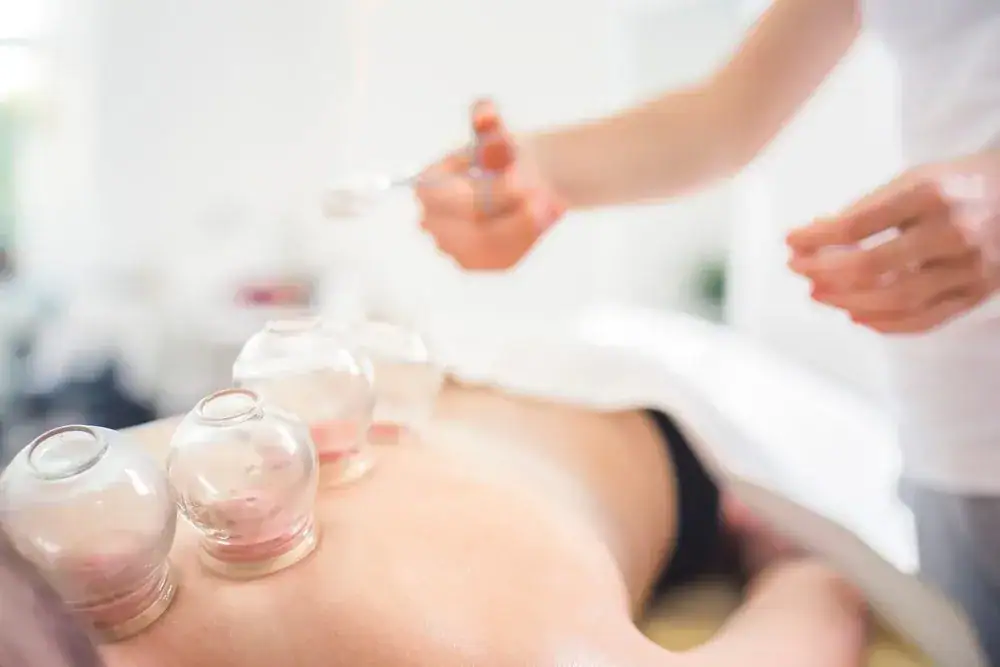
The suction from the cups increases blood flow to areas that aren’t getting enough circulation. That helps reduce inflammation, relax tight muscles, and improve your range of motion. For a lot of people, that’s the difference between barely getting through the day and actually being able to move without wincing.
Cupping works best when it’s part of a bigger plan. If all you do is show up for cupping and then go home and sit on the couch, you’re not going to see long-term change. But if you’re also doing your exercises, working on your posture, and staying consistent with treatment, cupping can speed up your recovery and make everything else more effective.
Cupping is very safe when it’s done by a trained professional like a licensed physical therapist. The most common side effect is temporary circular marks where the cups were placed. They look like bruises, but they’re not painful—they’re just a result of increased blood flow to the surface of your skin.
Those marks usually fade within three to seven days. Some people don’t get them at all, depending on how much suction we use and how your skin responds. If you’re worried about how they look, let us know. We can adjust the treatment or place cups in areas that are easier to cover.
Serious side effects are rare. You might feel a little sore afterward, similar to how you’d feel after a deep tissue massage. That soreness typically goes away within a day or two. Cupping isn’t recommended if you have certain skin conditions, blood disorders, or if you’re pregnant—but we’ll go over all of that during your initial evaluation.
It depends on what we’re treating and how long you’ve been dealing with it. Acute pain—like a pulled muscle or recent injury—might only need a few sessions. Chronic pain that’s been building for months or years usually takes longer to resolve.
Most people start with one or two sessions per week for a few weeks. After that, we reassess. If you’re improving, we might space out your visits. If progress is slower than expected, we’ll adjust the treatment plan. There’s no one-size-fits-all answer, and anyone who gives you one isn’t being honest.
What matters more than the number of sessions is whether you’re actually getting better. We track your pain levels, your range of motion, and your ability to do the things that matter to you. If cupping isn’t helping after a reasonable amount of time, we’ll try something else. The goal is results, not just appointments.
For some people, yes. For others, it reduces how much medication they need. Cupping isn’t going to replace every painkiller overnight, but it can give you enough relief that you’re not reaching for the bottle every few hours.
A lot of our patients come in specifically because they want to avoid opioids or they’re worried about long-term use of over-the-counter anti-inflammatories. Cupping offers a non-pharmaceutical option that actually addresses the source of the pain instead of just masking it. When your muscles relax and your fascia starts moving properly again, the pain decreases naturally.
That said, we’re not going to tell you to stop taking medication that’s been prescribed by your doctor. If you’re on pain meds, keep taking them as directed and talk to your physician about whether you can reduce your dosage as your symptoms improve. We’ll work with your medical team to make sure everyone’s on the same page.
Massage pushes tissue down. Cupping pulls it up. That might sound like a small difference, but it changes how your body responds. The suction from cupping lifts the fascia and muscle layers, which helps release adhesions and scar tissue that massage alone can’t always reach.
Cupping also brings blood flow to deeper layers of tissue. When you get a massage, the therapist is working from the outside in. With cupping, the suction draws blood and oxygen toward the surface, which can help with healing and inflammation in areas that don’t get much circulation.
Both are valuable, and we sometimes use them together. Cupping is especially useful when you’ve got stubborn knots, restricted fascia, or areas that just won’t loosen up no matter how much manual therapy you’ve tried. It’s another tool in the toolbox, and for a lot of people, it’s the one that finally makes a difference.
It depends on your plan. When cupping is performed by a licensed physical therapist as part of your physical therapy treatment, many insurance companies will cover it under your PT benefits. It’s typically billed as part of your overall session, not as a separate service.
We recommend calling your insurance provider before your first visit to confirm your coverage. Ask specifically whether manual therapy techniques—including cupping—are covered under your plan. Most plans that cover physical therapy will include it, but it’s always better to know upfront.
If you don’t have insurance or your plan doesn’t cover it, we’ll talk through your options. Our goal is to make care accessible, not to surprise you with bills you weren’t expecting. We’ll give you a clear breakdown of costs during your first visit so you can make an informed decision about moving forward.
Other Services we provide in Remsenburg-Speonk