
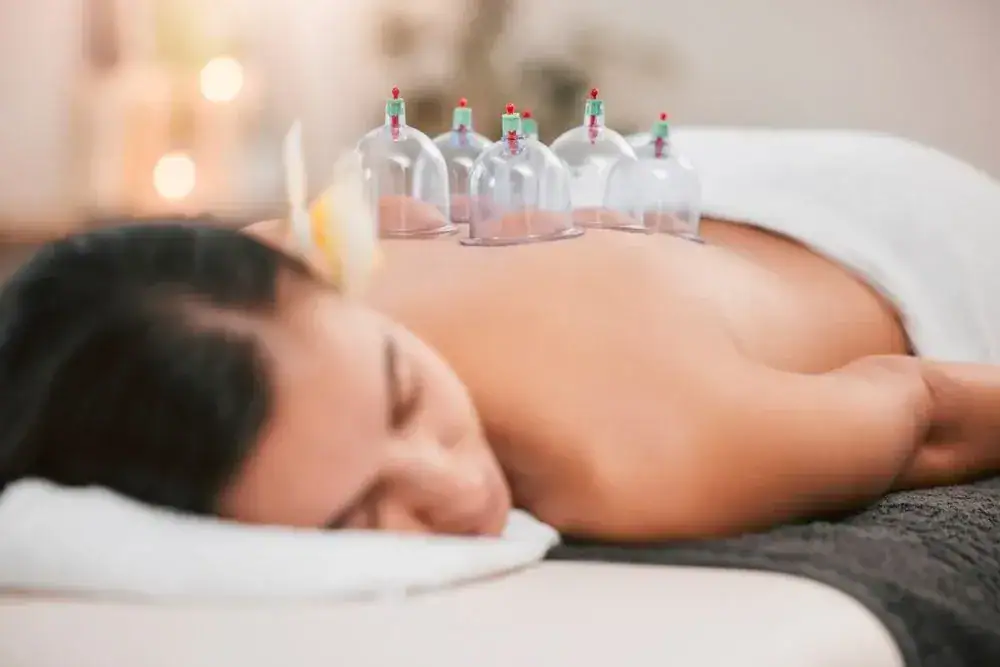

Chronic back pain doesn’t just hurt. It keeps you from sleeping right, playing with your kids, or getting through a workday without constantly shifting positions.
Cupping therapy works by increasing blood circulation to tight, painful areas. More blood means more oxygen, faster healing, and less inflammation. The suction pulls stagnant fluid away from injured tissue and brings fresh nutrients in.
Most people notice reduced pain within the first session. Some feel immediate relief. Others see the biggest improvements after a few treatments as circulation improves and muscles start to release. Either way, you’re not masking symptoms—you’re helping your body actually recover.
This isn’t about temporary fixes. It’s about getting your range of motion back, reducing stiffness, and feeling functional again without relying on medications that only dull the pain.
We’ve been treating patients across Long Island since 2010. Our affiliated centers—Physical Therapy Associates of Smithtown and Speonk Physical Therapy—have been serving local communities even longer, with roots going back to 2000 and 2004.
We’re licensed professionals who accept Medicare and nearly all commercial insurances. Every treatment plan is built around what you’re dealing with, not a one-size-fits-all protocol.
Port Washington North residents come to us because we combine proven techniques like cupping therapy with hands-on care that actually addresses the root cause. You’re not a number here. You’re someone we’re trying to help get better.
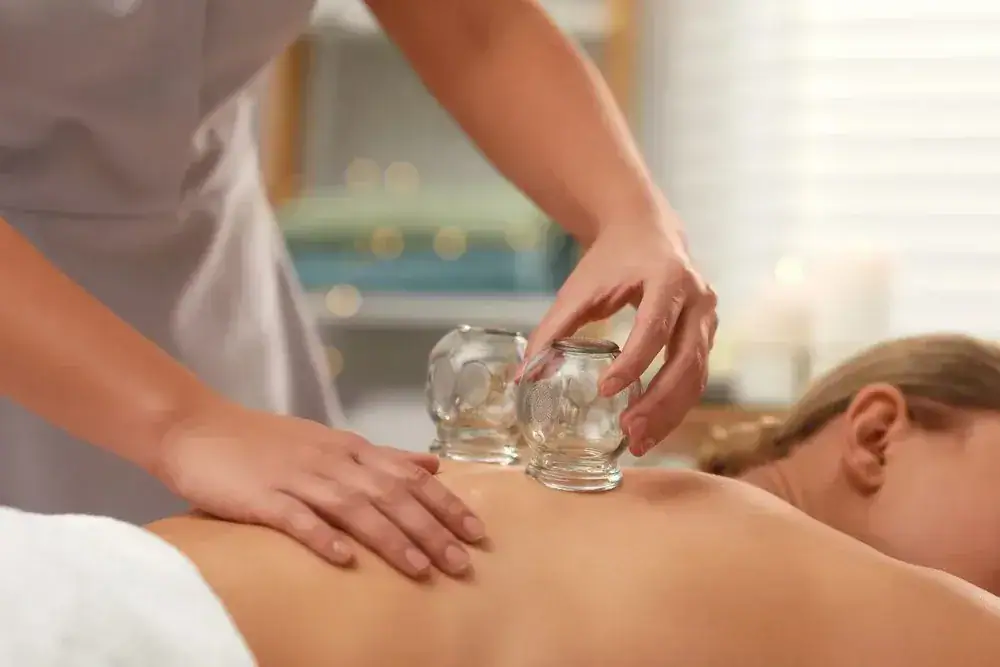
Your first visit starts with an evaluation. We ask about your pain, your history, what’s worked and what hasn’t. Then we look at your movement, check your range of motion, and figure out where the tightness or dysfunction is coming from.
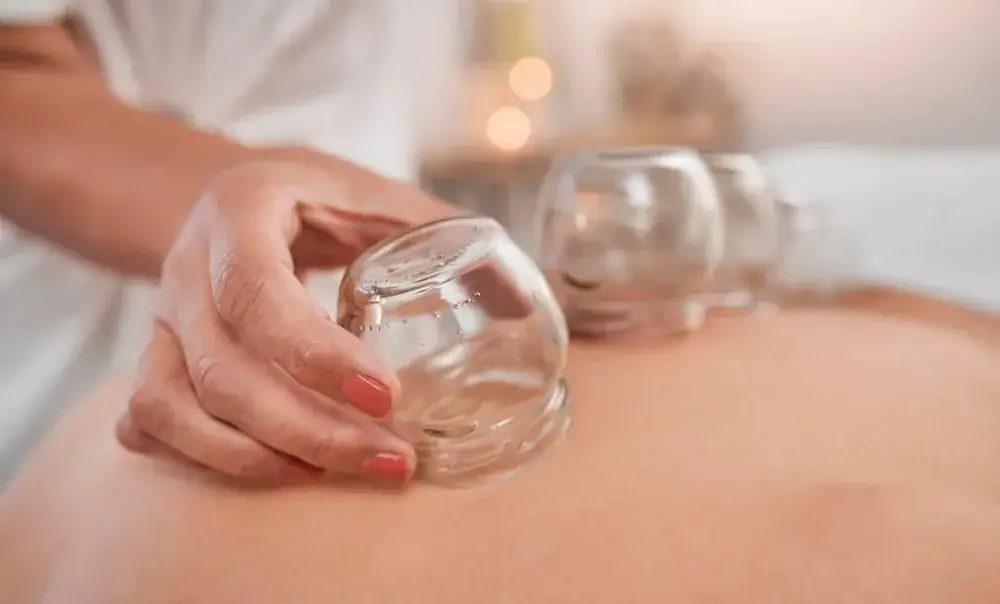
During the cupping session, we place specialized cups on targeted areas of your body. The suction pulls your skin up slightly, which increases blood flow and helps release tight fascia and muscle tissue. Most sessions last between 10 and 15 minutes, depending on the area being treated.
You might see some circular marks afterward—that’s normal and temporary. They’re not bruises. They’re a sign that old, stagnant blood is being drawn to the surface so your body can clear it out and bring in fresh circulation.
We often combine cupping with other physical therapy techniques like manual therapy or targeted exercises. The goal is to reduce your pain, improve your mobility, and give you tools to keep the progress going at home.
Ready to get started?
We use dry cupping, which is non-invasive and doesn’t involve any needles or incisions. It’s safe, effective, and works well for a range of conditions—back pain, neck pain, shoulder tightness, knee pain, and sports injuries.
Port Washington North has a competitive physical therapy market, but most providers don’t offer cupping as part of their treatment plans. We do, because the research supports it and because we’ve seen it work for patients who’ve tried everything else.
Each session is personalized. If you’re recovering from an injury, we focus on increasing circulation and reducing inflammation. If you’re dealing with chronic tightness, we target muscle relaxation and fascia release. If you’re an athlete, we work on performance and recovery.
You’re not locked into long-term contracts. We accept most insurances, and we’re upfront about costs. Treatment frequency depends on your condition—some people come weekly, others monthly, and some just need a few sessions to get back on track.
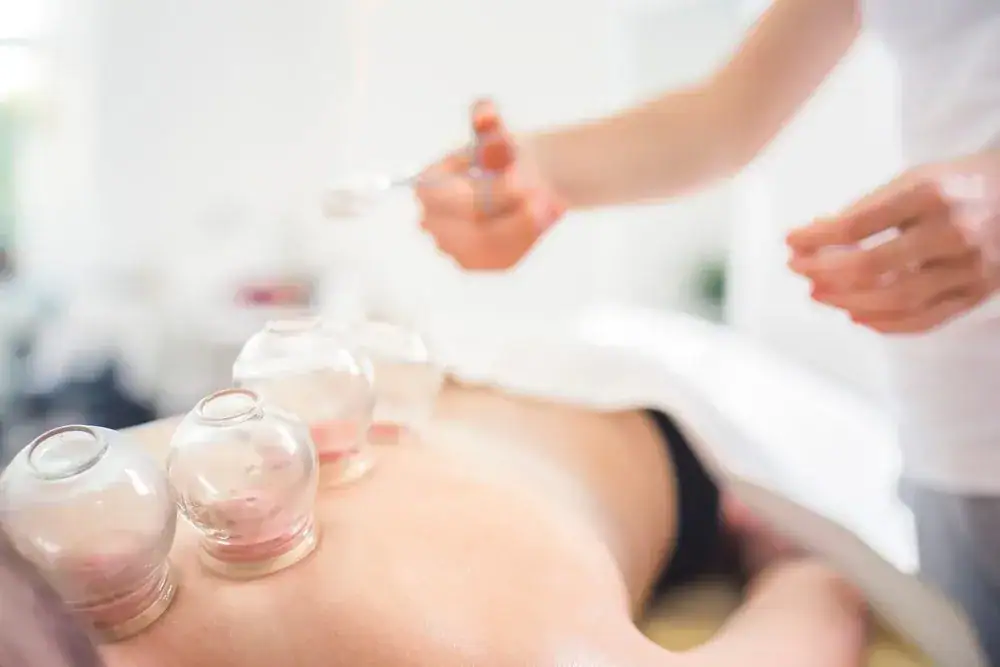
Yes. Research shows that cupping significantly reduces pain and improves function in people with chronic low back pain, often with results that last weeks after treatment.
The way it works is straightforward. Chronic pain usually involves tight muscles, restricted blood flow, and inflammation. Cupping increases circulation to the affected area, which helps flush out inflammatory byproducts and brings in oxygen and nutrients your muscles need to heal.
Most people feel some relief after the first session. The improvement builds over time as your body responds to better circulation and reduced muscle tension. It’s not a miracle cure, but it’s a proven method that works especially well when combined with other physical therapy techniques like stretching, strengthening, and manual therapy.
A typical cupping session lasts between 10 and 15 minutes, though your total appointment time will be longer if we’re combining it with other treatments.
The cups stay on your skin for about 5 to 10 minutes per area. That’s the window where you get the most benefit without overdoing it. We’re not trying to leave dramatic marks—we’re trying to improve circulation and release tension.
Your first visit will take longer because we need to evaluate your condition, talk through your history, and build a treatment plan. Follow-up sessions are usually quicker since we already know what we’re targeting and how your body responds.
Most of the time, yes—if it’s part of a physical therapy treatment plan. We accept Medicare and nearly all commercial insurances.
Insurance companies typically cover cupping when it’s used as a complementary technique within a broader physical therapy program. That means if you’re being treated for back pain, neck pain, or a musculoskeletal injury, and cupping is one of the methods we use, it’s usually covered under your PT benefits.
We verify your coverage before you start treatment so there are no surprises. If you have questions about your specific plan, call us. We’ll walk you through what’s covered and what your out-of-pocket costs might be.
Cupping is very safe when performed by a licensed professional. The most common side effect is temporary circular marks on your skin where the cups were placed.
Those marks aren’t bruises—they’re caused by increased blood flow to the surface. They usually fade within a few days to a week. Some people feel a slight pinch when the suction is applied, but it’s not painful.
Serious side effects are extremely rare. Cupping has been used for thousands of years and is recognized as a low-risk therapy. We monitor how your skin and muscles respond during each session to make sure you’re comfortable and getting the results you need without any issues.
Absolutely. Cupping is popular among athletes because it speeds up recovery and helps reduce muscle soreness after intense training or competition.
When you work out hard or get injured, your muscles accumulate lactic acid and other metabolic waste. Cupping increases blood flow, which helps clear out that waste faster and delivers fresh oxygen to tired or damaged tissue. That means less soreness and quicker recovery between workouts or games.
We also use cupping to treat specific sports injuries like strained hamstrings, tight hip flexors, shoulder impingements, and IT band issues. It works well alongside strengthening exercises and manual therapy to get you back to full performance without rushing the healing process.
It depends on what you’re dealing with. Acute injuries or mild muscle tightness might only need a few sessions. Chronic pain or long-term dysfunction usually requires more.
Most people start with one or two sessions per week for the first few weeks, then taper down as symptoms improve. Some patients feel significant relief after three or four visits. Others benefit from ongoing monthly sessions to manage chronic conditions or maintain mobility.
We don’t push unnecessary treatments. Once you’re feeling better and moving well, we’ll give you exercises and strategies to keep the progress going on your own. The goal is to get you functional again, not to keep you coming back forever.
Other Services we provide in Port Washington North