
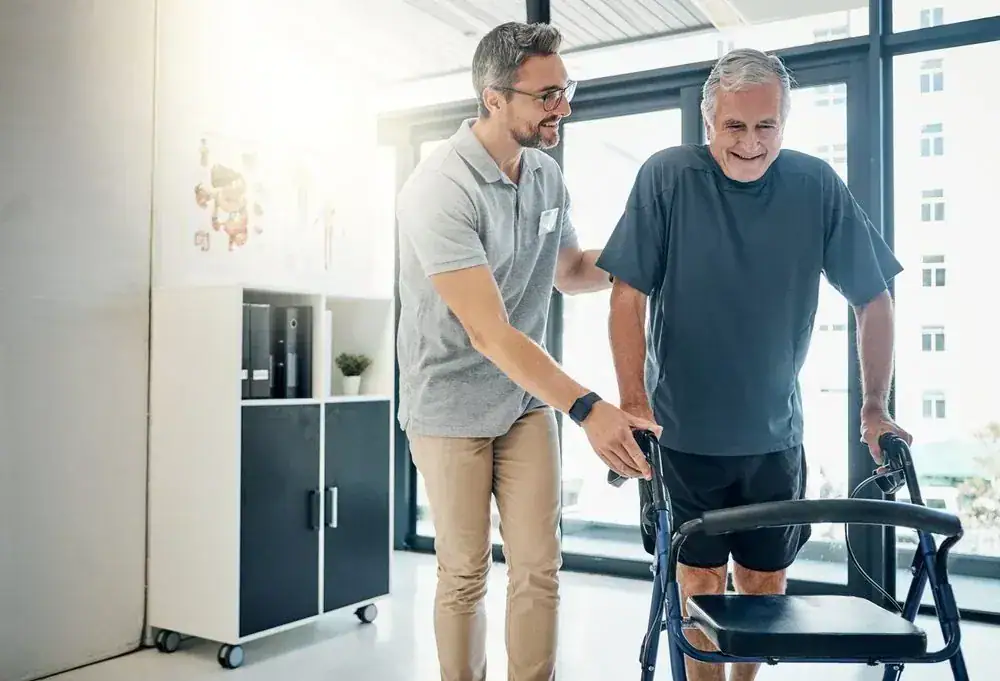
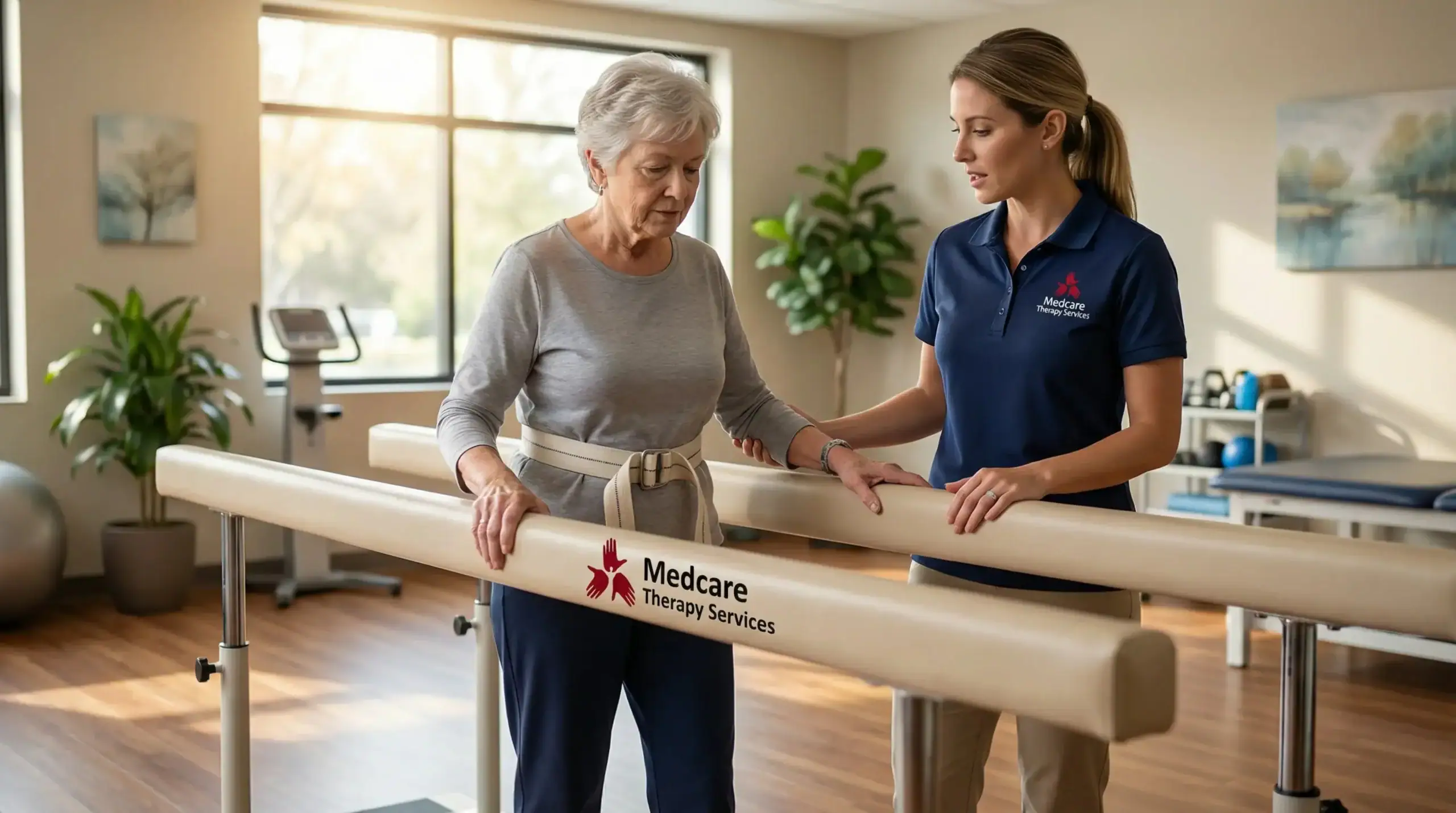
You stop second-guessing every step. Getting up from a chair doesn’t require a strategy session. Walking to the mailbox or reaching for something on a shelf becomes automatic again, not a calculated risk.
That’s what happens when balance training actually works. Your confidence comes back because your body remembers how to catch itself. You’re not just avoiding falls—you’re moving through your day without that constant background fear.
Research backs this up: fall prevention programs reduce your risk by 30 to 35 percent. Balance exercises for seniors cut fall rates by 23 percent when done consistently. But the real outcome isn’t a statistic—it’s you living in your own home on your terms, not tiptoeing around it like a guest.
We work with you in Wyandanch, NY and across Nassau and Suffolk counties because that’s where the need is highest. Long Island seniors rank among the top in New York State for fall-related incidents. In Nassau County alone, 88 percent of injury hospitalizations for adults over 65 are due to falls. This isn’t a minor issue—it’s the leading cause of injury for older adults here, and it’s preventable.
We’ve been providing in-home physical therapy and occupational therapy across Long Island for over a decade. We’re not new to this. We’re affiliated with Physical Therapy Associates of Smithtown and Speonk Physical Therapy, and we’ve built our reputation on showing up, doing the work, and helping people stay independent.
We accept Medicare and most commercial insurance. Our therapists are licensed, trained in elderly fall prevention, and experienced in working with people who have difficulty getting to a clinic. That’s why we come to you—because your home is where falls happen, and it’s where the real work needs to be done.
You’re not a case number here. You’re someone who deserves to move safely in your own space, and we take that seriously. Wyandanch, Amityville, Babylon, Brentwood, Coram, Deer Park—we serve the communities that need this most, and we do it with consistency and care.
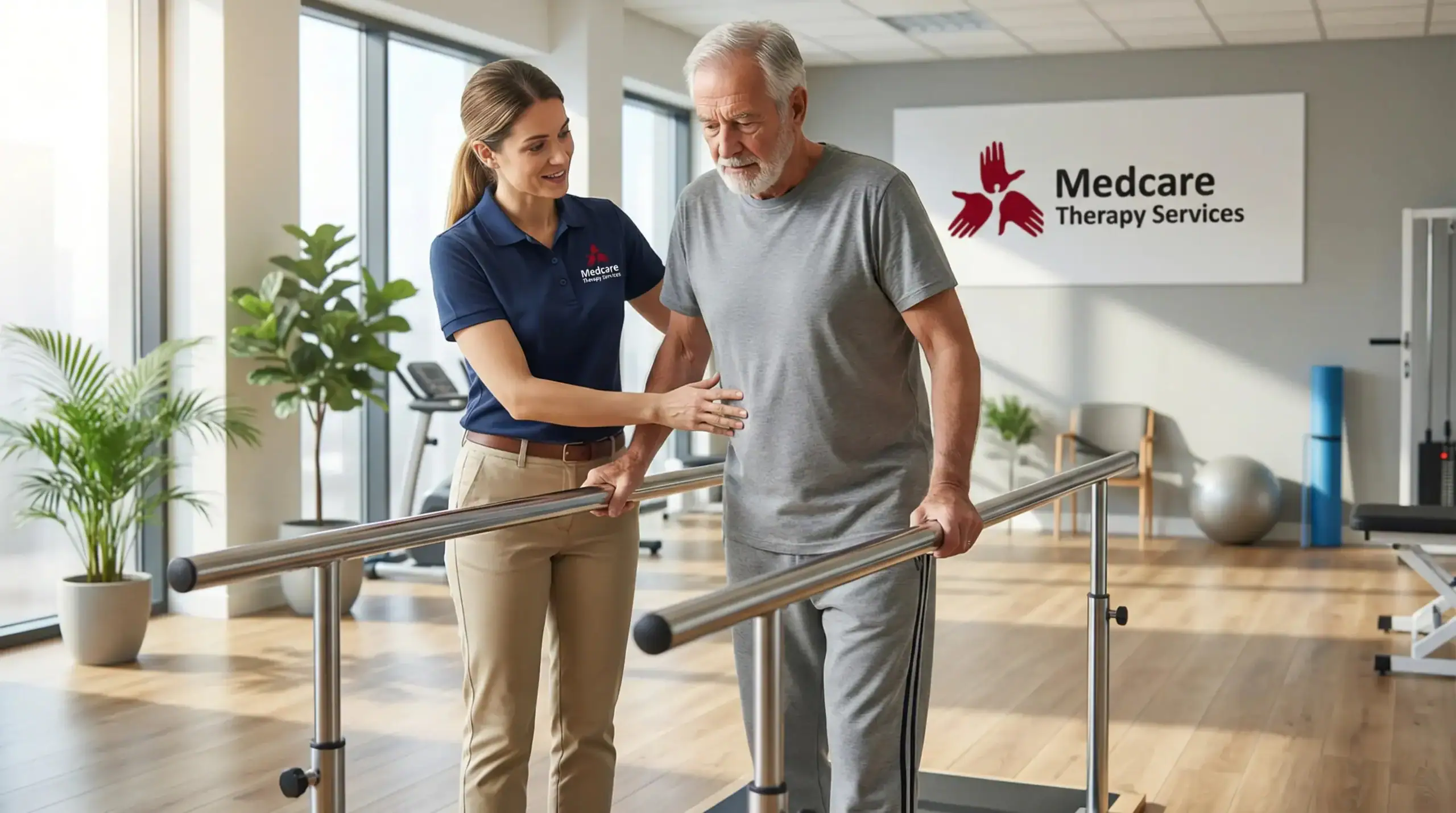
First, a licensed physical therapist comes to your home and does a full fall risk assessment. They’re looking at your strength, your balance, how you move, what medications you’re taking, and what hazards might be lurking in your environment. This isn’t a checklist—it’s a real evaluation of why you’re unsteady and what needs to change.
From there, we build a personalized program. That might include strength training to stabilize your legs and core, balance exercises tailored to your current ability, and gait training so you walk with more control. We also address your home setup—lighting, rugs, bathroom safety, furniture placement—because even the best balance won’t help if your environment is working against you.
Sessions happen in your home, on your schedule. You’re working with the same therapist each time, so they know your progress and can adjust as you improve. This isn’t a six-week program that disappears—it’s a process that continues until you feel stable, capable, and confident again.
Most people notice a difference within a few weeks. Your legs feel stronger. You catch yourself faster. That fear starts to fade because your body is doing what it’s supposed to do.

Ready to get started?
You get a comprehensive fall risk assessment that identifies exactly why you’re at risk—whether it’s muscle weakness, medication side effects, balance deficits, or environmental hazards. Then you get a treatment plan that addresses those specific factors, not a generic handout.
Your program includes one-on-one physical therapy sessions in your home with exercises designed to improve strength, flexibility, and balance. These are senior balance exercises that progress as you get stronger—not static routines that stop working after two weeks. We also incorporate occupational therapy when needed, especially if daily tasks like dressing, bathing, or cooking have become risky.
Home safety education is part of every plan. We walk through your space and point out what needs to change: loose rugs, poor lighting, clutter in walkways, missing grab bars. Small fixes that make a big difference.
And because we know Long Island seniors face higher fall risks than most of New York—Nassau and Suffolk rank 4th and 5th statewide—we treat this work with the urgency it deserves. You’re not overreacting by seeking help. You’re being smart. Falls aren’t inevitable, but preventing them takes real action, and that’s what we’re here for.
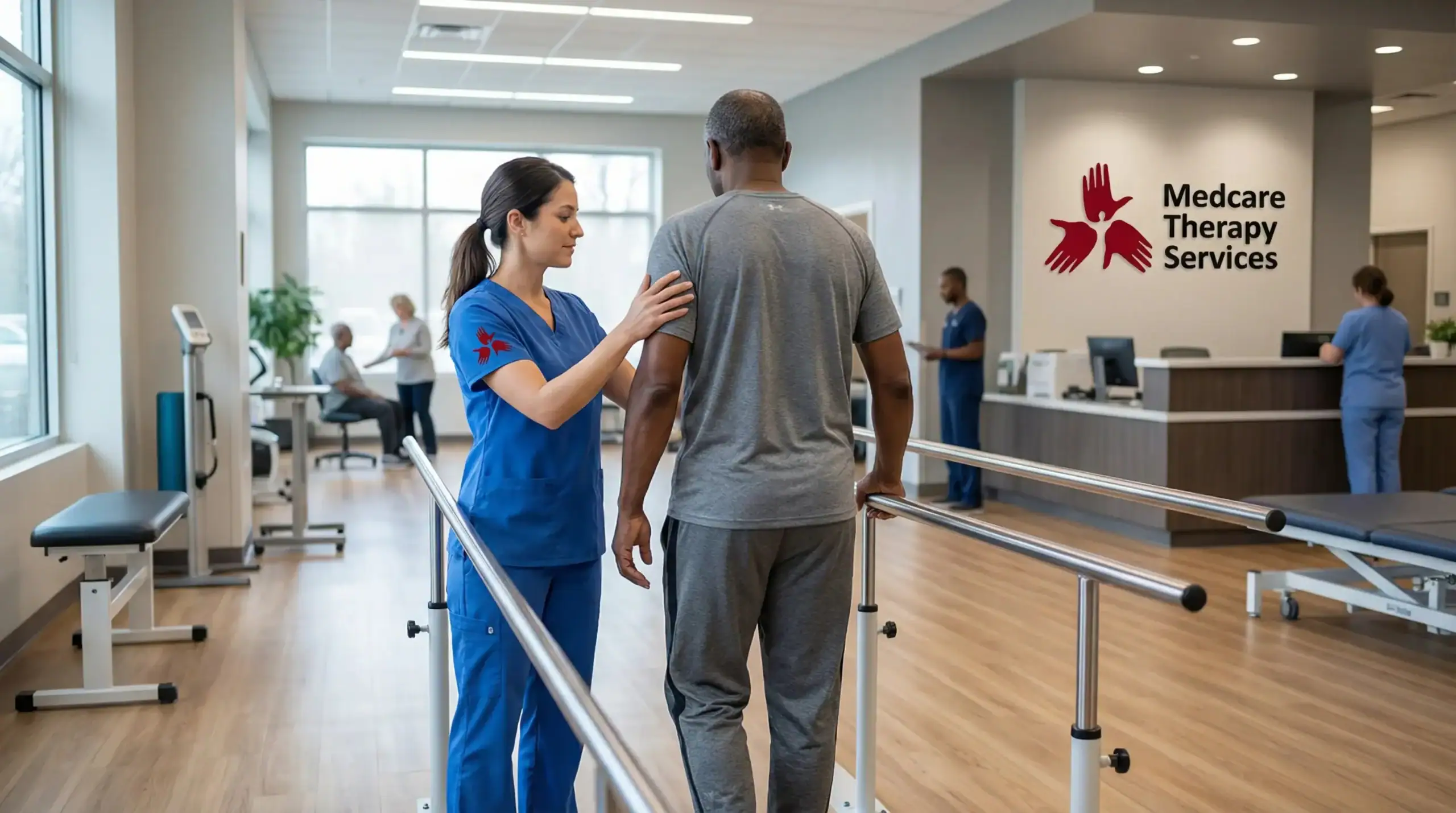
If you’ve fallen in the past year, you need it. If you feel unsteady when you walk, get up from a chair, or turn your head, you need it. If you’re avoiding activities because you’re afraid of falling, you need it.
Even if you haven’t fallen yet, certain factors put you at higher risk: taking five or more medications, having vision problems, experiencing dizziness, or noticing that your legs feel weaker than they used to. A physical therapist can assess your risk in about 30 minutes and tell you exactly where you stand.
Most people wait until after a fall to get help. That’s too late. The goal is to prevent the first fall, not recover from it.
Yes. Medicare Part B covers physical therapy and occupational therapy for fall prevention when it’s medically necessary and prescribed by your doctor. That includes in-home therapy if you have difficulty leaving your house.
We accept Medicare and handle the billing process. Most people pay little to nothing out of pocket after their deductible is met. We also accept most commercial insurance plans, so coverage is rarely an issue.
If you’re unsure about your specific plan, call us. We’ll verify your benefits before your first session so there are no surprises.
Your home is where you’re going to fall. That’s where the uneven threshold is, the dim hallway, the rug that slides, the stairs you take every day. A clinic can’t replicate that.
When we come to your home, we see the real environment you’re navigating. We can adjust your program based on your actual furniture layout, lighting, and daily routines. We can also spot hazards you’ve stopped noticing and help you fix them before they cause a problem.
Plus, if getting to a clinic is hard—whether due to transportation, mobility, or just the hassle—you’re more likely to skip appointments. In-home therapy removes that barrier. You get consistent care without the stress of leaving your house.
It depends on your starting point and your goals. Most people see noticeable improvement in four to eight weeks, but that doesn’t mean therapy stops there.
Some people need a few months of consistent work to rebuild strength and retrain their balance. Others continue with maintenance sessions to stay sharp. Your therapist will reassess your progress regularly and adjust the plan as you improve.
The timeline isn’t one-size-fits-all. What matters is that you’re getting stronger, steadier, and more confident—and that takes as long as it takes. We’re not rushing you through a protocol. We’re making sure the work sticks.
Being careful helps, but it’s not enough. You can’t think your way out of a balance problem. Your body needs to be trained to react when you start to tip, and that only happens through specific, repeated exercises.
Research is clear: balance training reduces fall rates by 23 percent. Strength and balance programs combined reduce fall risk by 30 to 35 percent. These aren’t small numbers—they represent thousands of people who didn’t fall because they did the work.
Exercises like single-leg stands, heel-to-toe walking, and sit-to-stand repetitions retrain your muscles and nervous system to catch you before you go down. It’s not magic. It’s biomechanics, and it works when done consistently with proper guidance.
Absolutely. Falling once doubles your chance of falling again, but that’s not set in stone. Physical therapy after a fall focuses on rebuilding the strength and balance you lost, addressing whatever caused the fall in the first place, and giving you strategies to prevent it from happening again.
We also work on the psychological side. Many people develop a fear of falling that limits their activity, which actually makes them weaker and more likely to fall. Therapy helps you regain confidence in a controlled, progressive way so you’re not living in fear.
The sooner you start after a fall, the better. Waiting only increases your risk and makes recovery harder. If you’ve fallen recently, don’t brush it off. Get assessed, get a plan, and get back to moving safely.
Other Services we provide in Wyandanch