
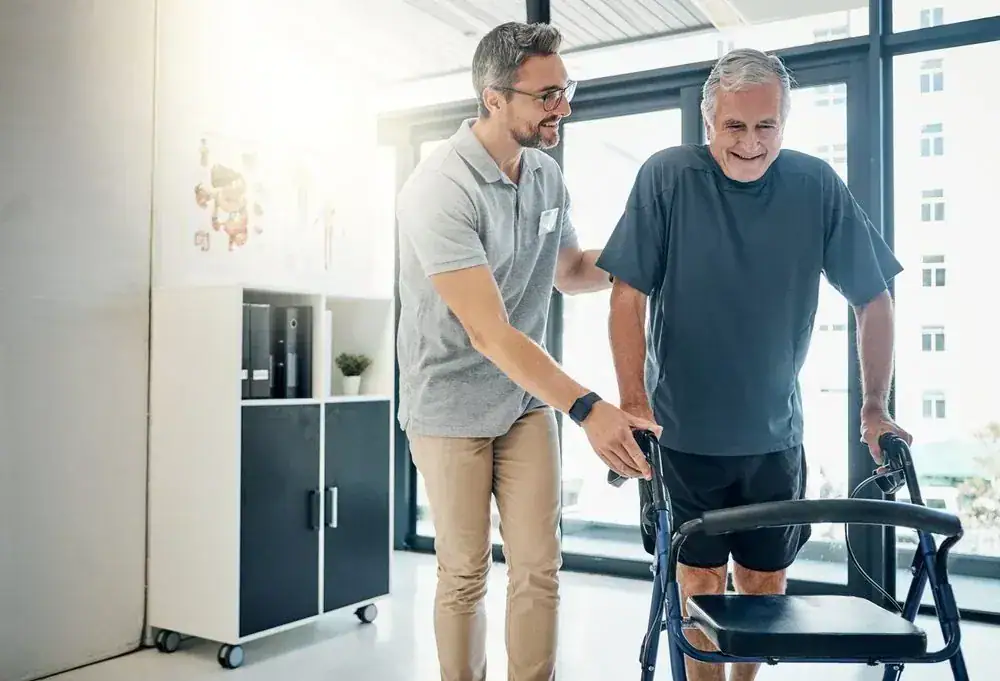
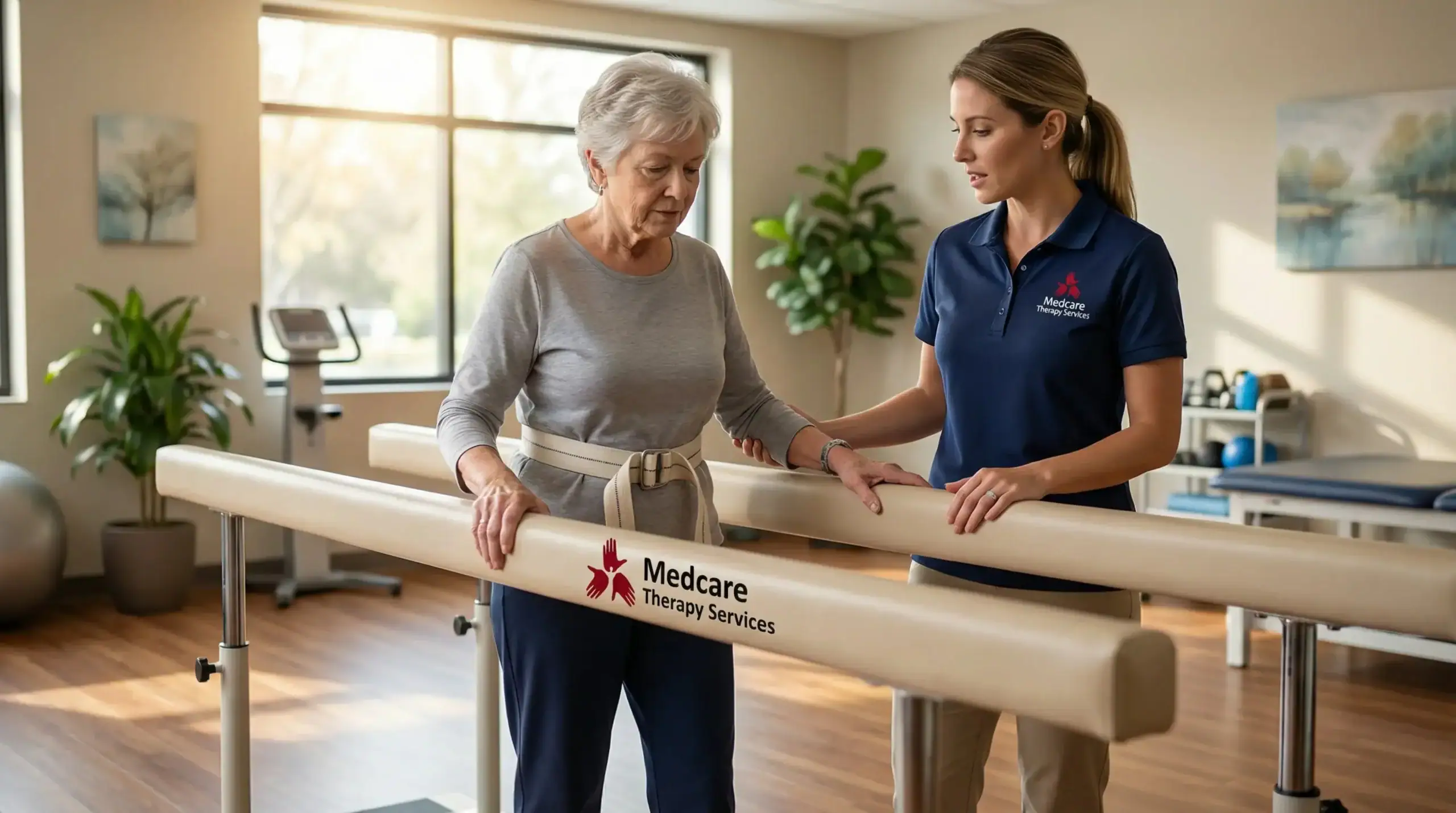
You’ve noticed it. The hesitation before standing up. The extra second you need to steady yourself. Maybe you’ve grabbed the counter more often than you’d like to admit.
That fear changes how you live. You skip activities you used to enjoy. You avoid going out. You start planning your day around what feels safe instead of what you actually want to do.
Here’s what most people don’t realize: falls aren’t inevitable. In Woodsburgh and across Nassau County, 88% of injury hospitalizations for adults over 65 come from falls. But regular balance training and targeted physical therapy can cut your fall risk in half. Not someday. Not eventually. Within weeks of starting the right program.
You get your stability back. You walk without second-guessing every step. You do the things you’ve been putting off because you weren’t sure you could manage them safely anymore.
We’ve been providing home-based physical therapy across Long Island for over a decade. We specialize in fall prevention because we’ve seen what happens when people don’t get the right help early enough.
Woodsburgh has one of the highest senior populations in the area at over 25%. That means you’re not alone in dealing with balance concerns. But it also means you need someone who understands the specific challenges older adults face in maintaining independence at home.
We come to you. No driving to appointments. No worrying about transportation. Our licensed therapists bring everything needed to assess your fall risk, strengthen your balance, and build a program that actually fits into your daily routine. Every session is covered by Medicare when you qualify.

First, we assess where you’re actually at. A therapist comes to your home and evaluates your balance, gait, muscle strength, and how you move through your space. We look at your inner ear function, visual tracking, joint stability, and proprioception. This isn’t a generic checklist. It’s a full picture of what’s affecting your stability.
Then we build your program. You’ll get exercises designed specifically for your needs, based on the Otago fall prevention method. Some focus on static balance while sitting or standing still. Others work on dynamic balance so you can move safely during daily activities. We teach you exactly how to do each exercise correctly, and we adjust as you progress.
You practice at home between visits. Most programs include strengthening work, stretching, position awareness drills, and gait training. We track your improvement over time and modify your plan as your balance gets better.
The goal isn’t just fewer falls. It’s getting you back to living without constantly calculating risk in your head.

Ready to get started?
You get a full evaluation that looks at every system affecting your balance. That includes muscle and joint assessment, inner ear testing, eye tracking ability, skin sensation, and proprioception. Your therapist identifies which factors are contributing to your fall risk so nothing gets missed.
Your exercise program includes both static and dynamic balance training. Static exercises help you stay steady while sitting or standing in place. Dynamic exercises train your body to maintain balance while you’re moving and doing normal daily tasks like walking, reaching, or turning.
We also address gait issues. Many people develop walking patterns that actually increase fall risk without realizing it. Our therapists are trained in gait restoration techniques that retrain how you move through space.
Long Island ranks 4th and 5th in New York State for fall-related incidents across Nassau and Suffolk counties. In Woodsburgh specifically, the affluent senior population often delays getting help because they assume balance issues are just part of aging. They’re not. And waiting makes everything harder to fix.
You’ll also get education on environmental modifications. Sometimes simple changes in your home setup make a significant difference in safety.

Most people notice changes within the first two to three weeks. You might feel steadier when standing up from a chair or more confident walking to the bathroom at night.
Measurable improvement in balance tests usually shows up around week four. That’s when your therapist will retest your gait speed, stability, and functional movement. Studies on the Otago program show that people who stick with the exercises see reduced fear of falling, increased walking speed, and better physical function within eight weeks.
But here’s the thing: improvement isn’t linear. Some weeks you’ll feel like you’re making huge progress. Other weeks it might feel slower. That’s normal. Your body is retraining muscle memory and neurological pathways that have weakened over time. Consistency matters more than intensity.
Yes. Actually, if you’ve already fallen, you’re statistically at higher risk of falling again. That makes starting a prevention program even more important.
After a fall, many people develop a fear that limits their activity. You start moving less, which weakens your muscles further, which increases fall risk. It becomes a cycle. Physical therapy breaks that cycle by rebuilding strength and confidence at the same time.
Your therapist will work within your current ability level. If you’re recovering from an injury, we adjust the program accordingly. The goal is to progressively challenge your balance in a controlled way so you get stronger without putting yourself at risk during the process. We’ve worked with people who’ve had multiple falls and helped them regain the stability they thought was gone for good.
You can find balance exercises online. But doing them without an assessment first can actually be counterproductive or even unsafe.
Here’s why: most falls happen because of multiple factors working together. Maybe your inner ear function is off, your ankle strength is weak, and your visual tracking is slower than it used to be. Generic exercises won’t address your specific combination of issues.
A physical therapist evaluates all the systems affecting your balance and designs a program that targets your actual problem areas. We also make sure you’re doing exercises correctly. Small adjustments in form make a big difference in whether an exercise helps or just wastes your time.
Plus, we progress your program as you improve. What works in week one won’t be challenging enough by week six. You need someone who knows when to advance you and how to do it safely.
Yes, when it’s medically necessary. Medicare Part B covers outpatient physical therapy, including fall prevention programs, as long as a doctor orders it and you’re working with a licensed therapist.
You’ll need a referral or prescription from your physician stating that you need physical therapy for balance issues or fall risk. Once we have that, Medicare typically covers the sessions. You may have a copay depending on your specific plan and whether you’ve met your deductible.
We handle the billing and work directly with Medicare, so you don’t have to navigate the paperwork yourself. During your initial call, we’ll verify your coverage and let you know exactly what to expect cost-wise. Most people are surprised to find out how much is covered when therapy is done at home.
Most programs run between eight and twelve weeks, with visits once or twice per week. But the exact length depends on your starting point and your goals.
Some people need more intensive work upfront if they’ve had a recent fall or surgery. Others are dealing with chronic balance issues that require a longer timeline to address. Your therapist will give you a realistic estimate after the initial evaluation.
The visits taper off as you improve. Early on, you might see your therapist twice a week. As you get stronger and more confident with the exercises, you might drop to once a week, then every other week. Eventually, you’ll have a maintenance program you can do independently.
But here’s what matters most: the program doesn’t just end and leave you on your own. You’ll know exactly what to keep doing at home to maintain your progress long-term.
You’re training in the environment where you actually need to be stable. Your home is where most falls happen. Working with a therapist in your own space means we can address the real challenges you face every day.
We see how you navigate your hallway, your bathroom, your stairs. We identify hazards you might not notice. We teach you how to move safely in the specific layout of your home, not a generic clinic setting.
There’s also the practical side. No transportation stress. No getting ready and driving somewhere when you’re already worried about your balance. For many people in Woodsburgh, especially those who’ve limited their driving or don’t feel comfortable going out, home therapy removes a major barrier to getting help.
And frankly, people tend to stick with home programs better. It’s easier to stay consistent when therapy fits into your routine instead of disrupting your entire day.
Other Services we provide in Woodsburgh