
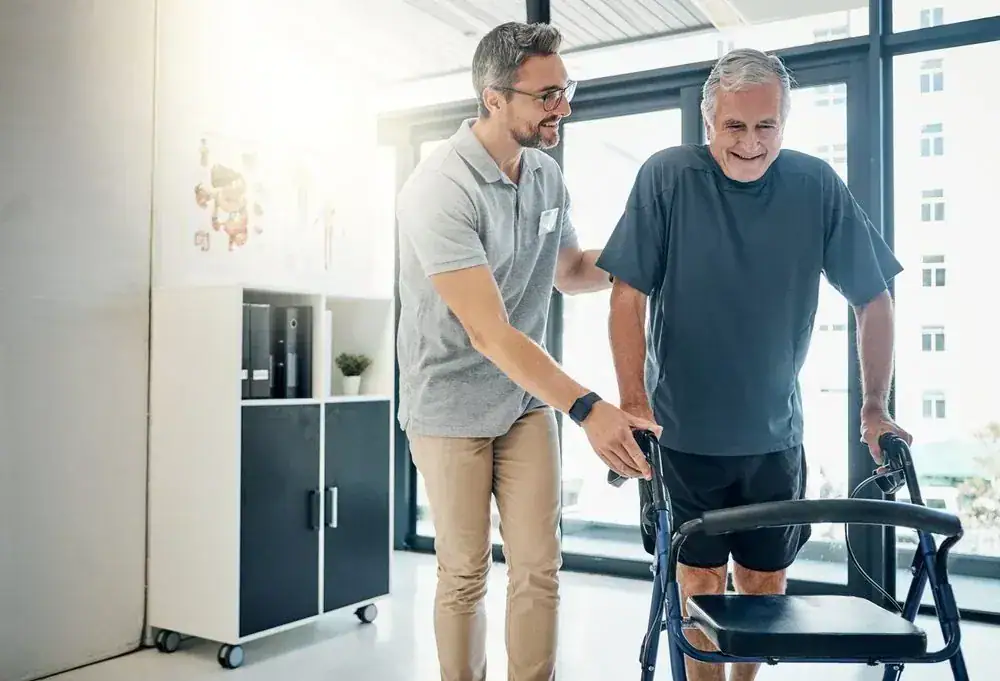
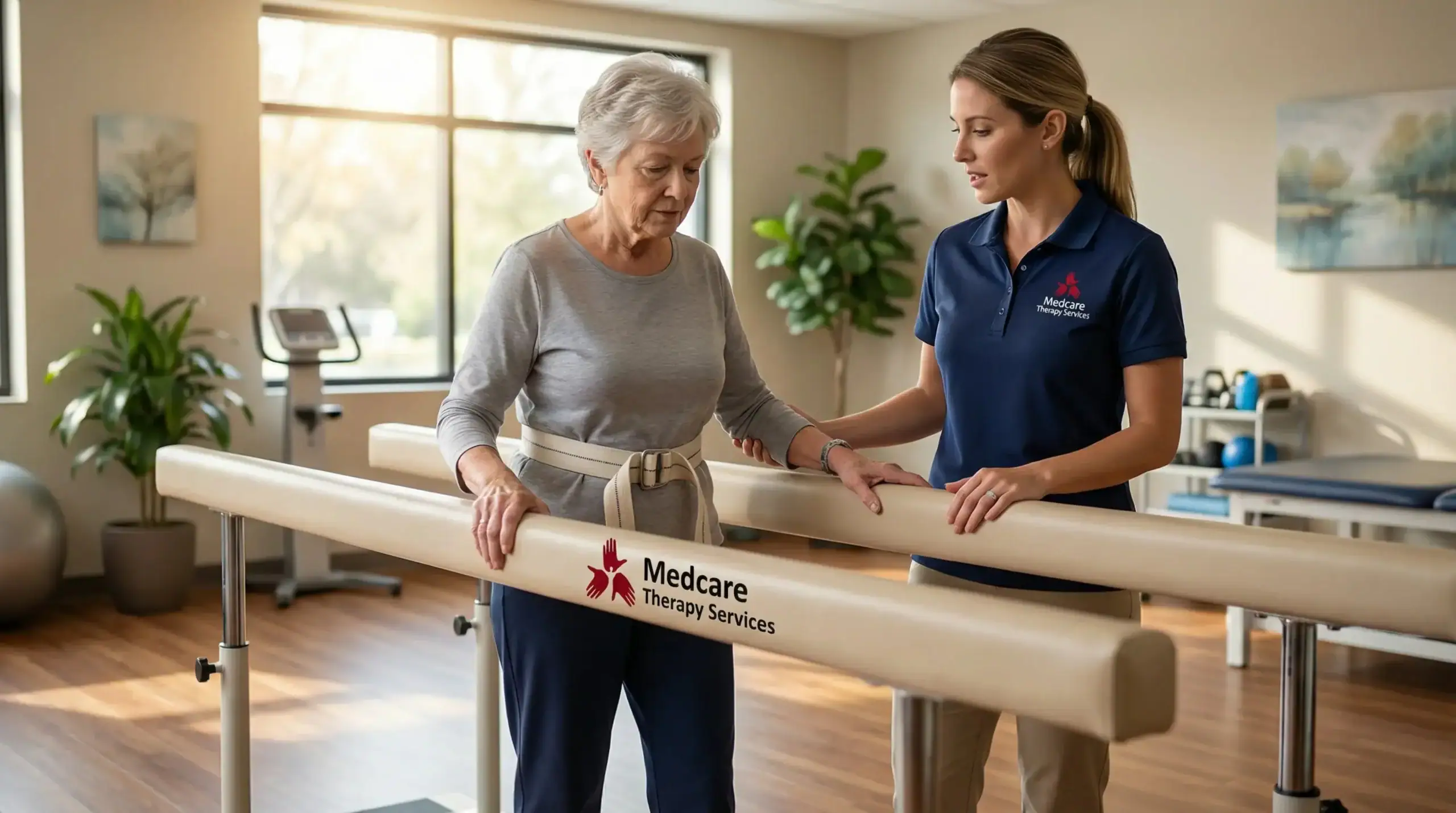
You move through your home without that constant background fear. Getting up at night doesn’t feel like a risk. Walking to the mailbox stops being something you overthink.
That’s what happens when your balance actually improves—not from generic exercises you found online, but from a program built specifically for how your body moves right now. Research shows the right balance training can cut your fall risk by up to 40%. That’s not a small number when you consider what a fall can cost you.
You get faster reaction times when you stumble. Stronger legs that support you when you stand. Better coordination that kicks in before you lose your footing. And just as important—you get your confidence back. The kind that lets you stay active instead of pulling back from the things you want to do.
Most falls happen at home. That’s exactly where this work needs to happen. You train in the environment where you actually live, with the furniture, stairs, and flooring that matter to your daily safety.
We’ve been providing home-based physical and occupational therapy across Long Island since 2010. Our therapists include Otago fall prevention specialists—one of the most researched and effective programs for reducing falls in older adults.
We’re Medicare-certified, which means your therapy is likely covered. More importantly, we’re local. We understand that Nassau County has one of the highest rates of fall-related incidents in New York State, ranking fourth statewide. That’s not just a statistic to us—it’s why this work matters.
You’re not coming to a clinic. We come to you. That’s how we assess your actual fall risks—the rug that slides, the lighting that’s too dim, the step you navigate every day. We build your program around your real life, not a treatment room.
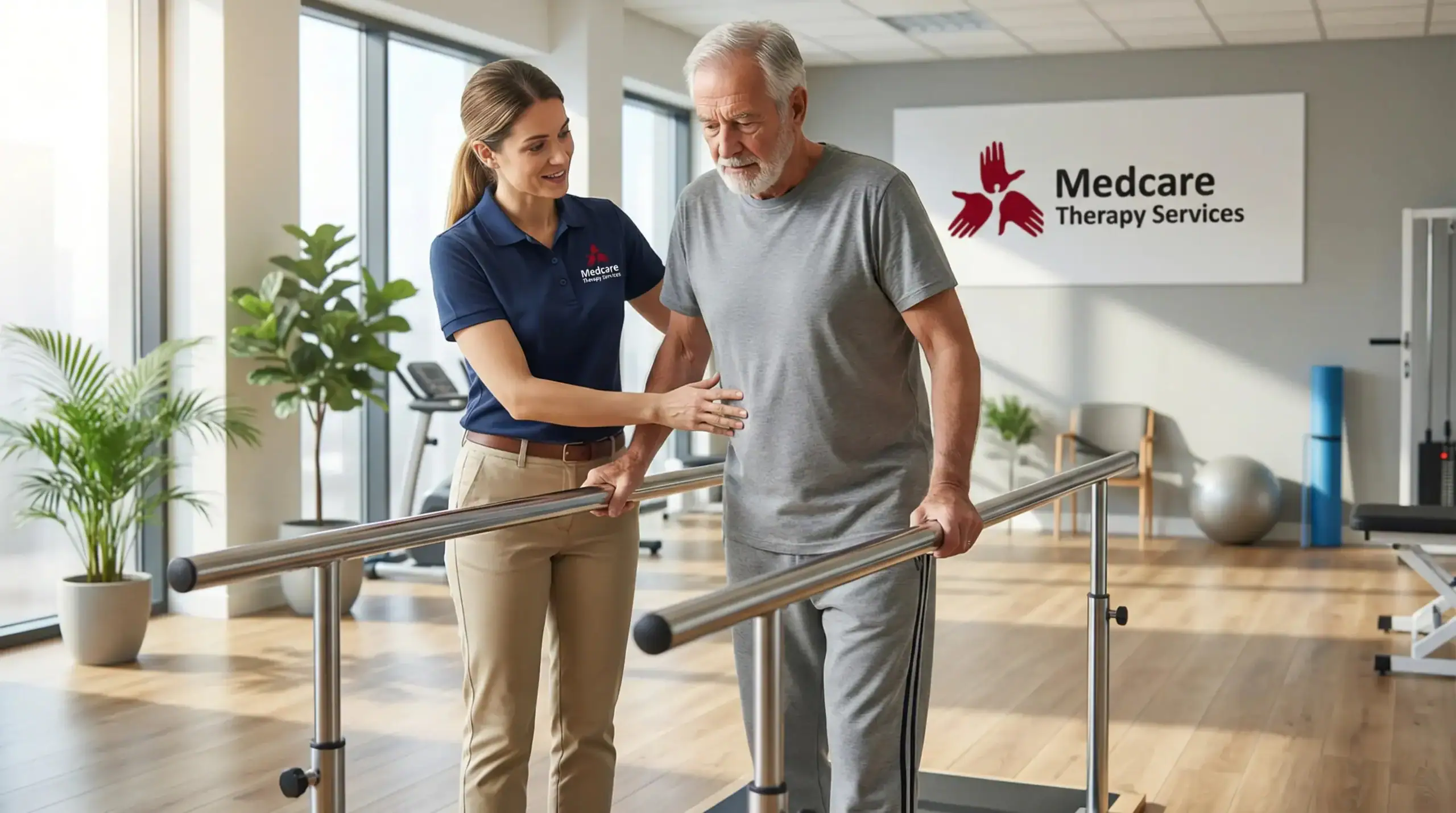
First, a licensed therapist comes to your home for a full assessment. They’re looking at your balance, your strength, how you walk, what medications you take, and what hazards exist in your space. This isn’t a quick checklist—it’s a real evaluation of why you might be at risk.
From there, you get a customized program. It’s not the same exercises everyone gets. It’s built for your current ability level and adjusted as you improve. Most programs run around 11 to 12 weeks, with sessions three times per week, each lasting 30 to 45 minutes. That’s the timeframe research shows actually creates lasting change.
Your therapist works with you in your home. You’ll do exercises that challenge your balance in controlled ways—standing on one leg, shifting your weight, moving your head while walking. Small movements that teach your body to react faster and recover better.
You’ll also get guidance on fall risks in your home. Sometimes it’s as simple as better lighting or removing a tripping hazard. Other times it’s about how you’re using assistive devices or managing medications. Everything gets addressed because everything matters.
Progress gets tracked. You’ll see measurable improvements in how you move, how strong your legs are, and how confident you feel. And when the program ends, you’ll have the tools to keep that progress going.

Ready to get started?
You get one-on-one sessions with a licensed physical or occupational therapist trained in fall prevention. Every visit happens in your home, so there’s no transportation stress and no exposure to clinic waiting rooms.
Your program includes balance training, strength exercises for your legs and core, gait training to improve how you walk, and exercises to help your body respond faster to imbalance. If you’ve had a stroke or deal with neurological conditions like Parkinson’s, we have specialized training for that too.
Here’s what matters for Westbury residents: Nassau County sees about 88% of injury hospitalizations in adults over 65 come from falls. Many of those falls happen at home. You’re training in the exact environment where you’re most at risk, which makes the work more relevant and more effective.
Medicare typically covers home-based physical therapy when it’s medically necessary. We handle the verification and billing. You focus on getting stronger and steadier. If you’re taking four or more medications—which is a known fall risk—we’ll coordinate with your doctor to make sure everything’s working together safely.
This isn’t about making you feel better for a few weeks. It’s about reducing your actual risk and keeping you independent in your own home for as long as possible.
If you’ve fallen in the past year, you need it. If you feel unsteady when you walk or stand, you need it. If you’re avoiding activities because you’re afraid of falling, you need it.
Other signs: you grab onto furniture or walls when you move around your home. You’ve had a close call where you almost fell. You take four or more medications. You have numbness in your feet or legs. Your vision has changed. Any of these puts you at higher risk.
One in three adults over 65 falls each year. But falls aren’t inevitable. The right exercises, done consistently, can cut your risk significantly. A therapist can assess your specific risk factors and build a program that actually addresses them. Waiting until after a fall means you’re recovering instead of preventing. That’s a much harder road.
You’re training in the space where you actually live. That means your therapist sees the real hazards—the step into your bathroom, the carpet that bunches up, the lighting that’s too dim in your hallway. They can address those while also improving your strength and balance.
Clinics are controlled environments. They’re helpful for some things, but they don’t show how you navigate your kitchen or manage your stairs. Home-based therapy lets you practice the exact movements you do every day, in the context where they matter most.
There’s also the practical side. No transportation needed. No getting ready to go out. No waiting rooms. Your therapist comes to you, works with you for 30 to 45 minutes, and you’re done. For people with mobility limitations—which affects 20% of the population and increases with age—that makes a real difference in whether therapy actually happens consistently.
Yes, when it’s medically necessary. If your doctor orders physical therapy because you’re at risk for falls or you’ve already fallen, Medicare Part B typically covers home health physical therapy. You’ll have a copay, but the bulk of the cost is covered.
We’re Medicare-certified and handle all the verification and billing. You don’t need to figure out the paperwork. We make sure everything’s submitted correctly and that you understand what your costs will be before we start.
What Medicare looks for is medical necessity and a plan of care from your physician. If you have documented balance issues, a history of falls, or conditions that affect your mobility—like arthritis, stroke, or Parkinson’s—you’ll likely qualify. The key is getting the right documentation and working with a provider who knows how to navigate Medicare requirements. We do this every day.
Most people start noticing changes around week four or five. You’ll feel steadier when you stand. You’ll move with a little more confidence. Small things that used to make you nervous—like reaching for something on a high shelf—start to feel manageable again.
Research shows that 11 to 12 weeks of consistent training, three times per week, creates measurable, lasting improvement. That’s when you see real changes in strength, reaction time, and how your body recovers when you start to lose balance. It’s not instant, but it’s also not a year-long process.
The key is consistency. Missing sessions or not doing the exercises between visits slows everything down. But if you stick with it, the improvements build on each other. Your legs get stronger, which helps your balance. Your balance improves, which boosts your confidence. Your confidence increases, which means you stay more active. It’s a cycle that works in your favor as long as you keep showing up.
It’s not too late. It’s actually the most important time to start. If you’ve fallen once, your risk of falling again is higher. But that risk isn’t fixed—it’s something you can actively reduce with the right program.
After a fall, your body often compensates in ways that actually increase your risk. You might start moving more cautiously, which sounds safe but can weaken your muscles and make you less stable. You might avoid certain activities, which leads to deconditioning. Fear of falling becomes its own risk factor because it keeps you from moving in the ways that would make you stronger.
Fall prevention therapy after a fall focuses on rebuilding your strength, retraining your balance, and addressing whatever caused the fall in the first place. Was it a hazard in your home? A medication side effect? Muscle weakness? Poor lighting? We figure out what happened and make sure it doesn’t happen again. The goal isn’t just recovery—it’s making you more stable than you were before the fall.
Yes. Conditions like Parkinson’s, stroke, or neuropathy absolutely affect your balance—but targeted therapy can still make a significant difference. The exercises just need to be adapted to how your condition affects your movement and stability.
For Parkinson’s, balance training focuses on bigger, more deliberate movements and strategies to overcome freezing episodes. For stroke recovery, it’s about retraining the affected side and compensating safely for any lasting weakness. For neuropathy, where you might have numbness in your feet, it’s about using other sensory cues and strengthening the muscles that support your ankles and legs.
Our therapists have specialized training in neurological rehabilitation. They understand how these conditions change your fall risk and how to build a program that works with your limitations, not against them. You won’t get the same results as someone without a neurological condition—but you can absolutely get stronger, steadier, and more confident than you are right now. That’s what matters.
Other Services we provide in Westbury