
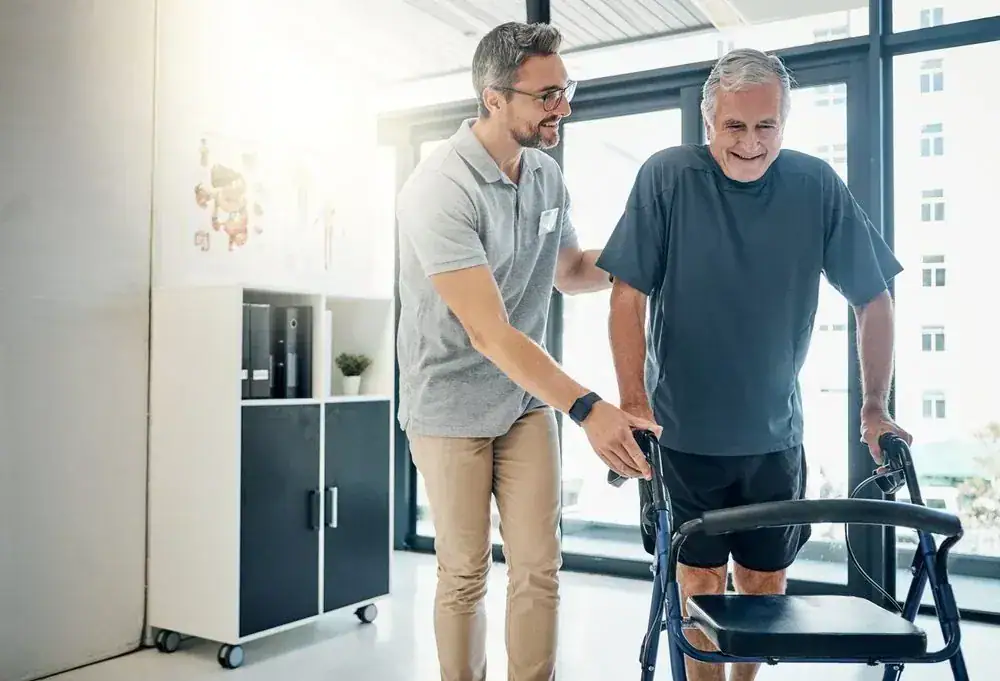
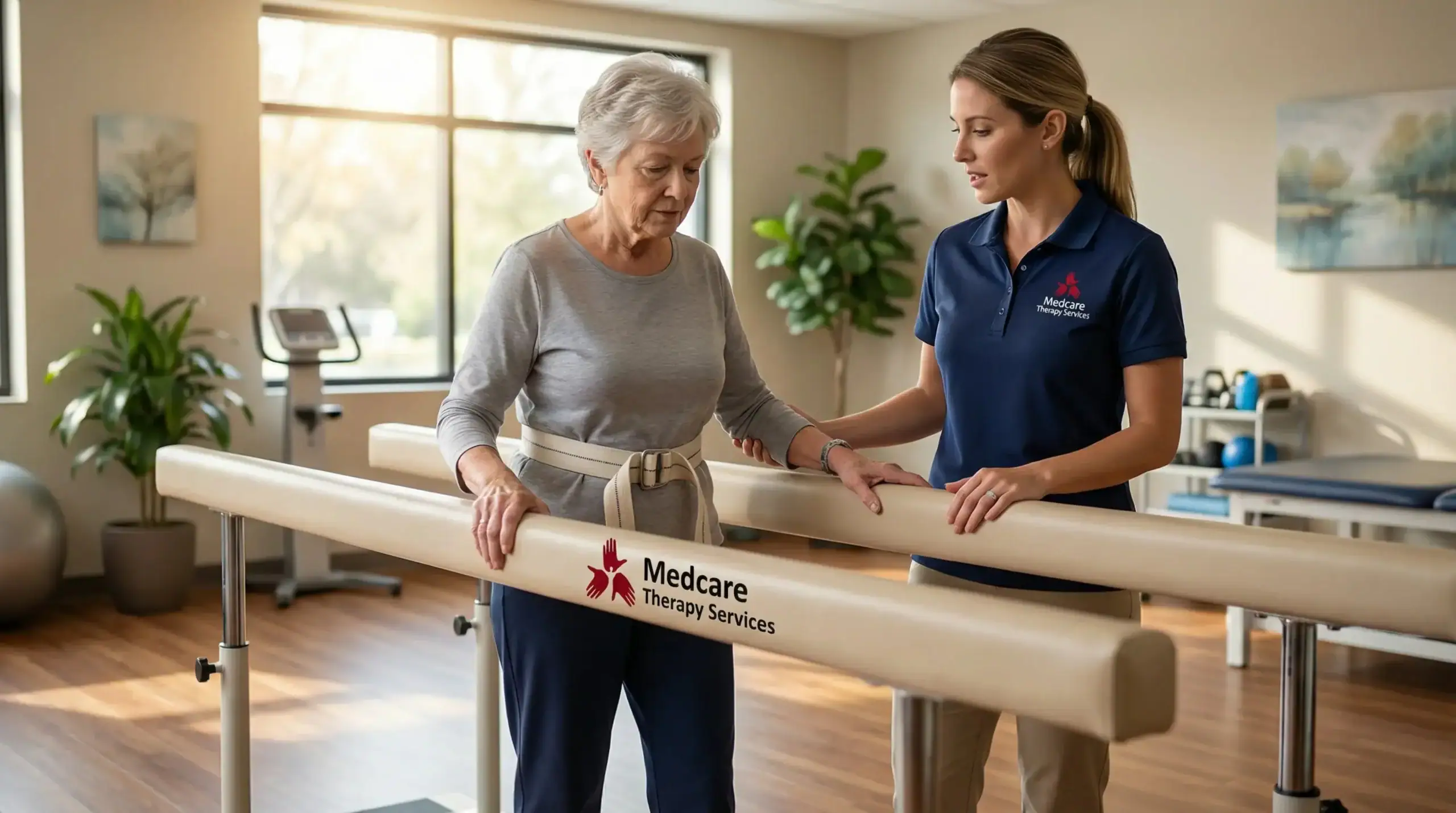
You’ve felt unsteady getting out of bed. Maybe you’ve grabbed the counter more than once just walking through your kitchen. That hesitation? It’s stealing your independence one careful step at a time.
Here’s what changes when you work with a therapist who comes to your home. You practice balance exercises in the exact spaces where you actually live. Your bathroom. Your bedroom. The hallway where the lighting isn’t great and the rug bunches up.
The exercises are specific. Strength work that targets the muscles you use to catch yourself. Balance training that rebuilds the confidence you’ve lost. And it happens in your home, where you need it most, without the hassle of driving to appointments or navigating unfamiliar clinic spaces.
We’ve been treating Long Island residents in their homes for over a decade. We’re not a franchise or a corporate chain. We’re therapists who specialize in keeping older adults safe and mobile in West Hempstead and across Nassau County.
Nassau County ranks 4th in New York State for fall-related incidents. That’s not a statistic we’re proud of—it’s why we’re here. Our therapists are trained in the Otago Exercise Program, which reduces falls by 35-40% in older adults through targeted strength and balance work.
You’re not getting a generic exercise sheet. You’re getting a therapist who understands that West Hempstead homes look different than Manhattan apartments, and your needs are specific to how you actually live.

First, we talk. A therapist comes to your home and walks through your space with you. Where do you feel unsteady? What movements make you nervous? Have you fallen before, and if so, where?
Then we assess. Your strength, your balance, your gait, your medication list. We’re looking at the full picture—not just your body, but your environment. Loose rugs, dim lighting, awkward furniture placement. All of it matters.
From there, we build your program. It’s based on the Otago method, which means 17 specific exercises designed to reduce fall risk. Some are strength-based. Some challenge your balance. All of them are done in your home, with your therapist, until you’re confident doing them on your own.
Sessions typically run twice a week at the start, then taper as you get stronger. If you qualify, Medicare covers it. If you’ve had two or more falls in the past year, you’re likely eligible.

Ready to get started?
This isn’t a stretching class. Every session is built around reducing your fall risk using evidence-based exercises that have been studied and proven to work.
You’ll do strength training that targets your legs, hips, and core—the muscles that keep you upright when you start to lose balance. You’ll practice standing on one foot, stepping over objects, and moving from sitting to standing without using your hands. These aren’t arbitrary movements. They’re the exact actions that prevent falls in real life.
Your therapist will also walk through your home and point out hazards you might not notice. In West Hempstead, we see a lot of older homes with narrow hallways, steep stairs, and outdated lighting. Small changes—moving a lamp, securing a rug, adding a grab bar—can make a massive difference.
And because Nassau County has such a high rate of fall-related hospitalizations, we take medication reviews seriously. If you’re on five or more prescriptions, your fall risk goes up. We’ll flag that and coordinate with your doctor if needed.
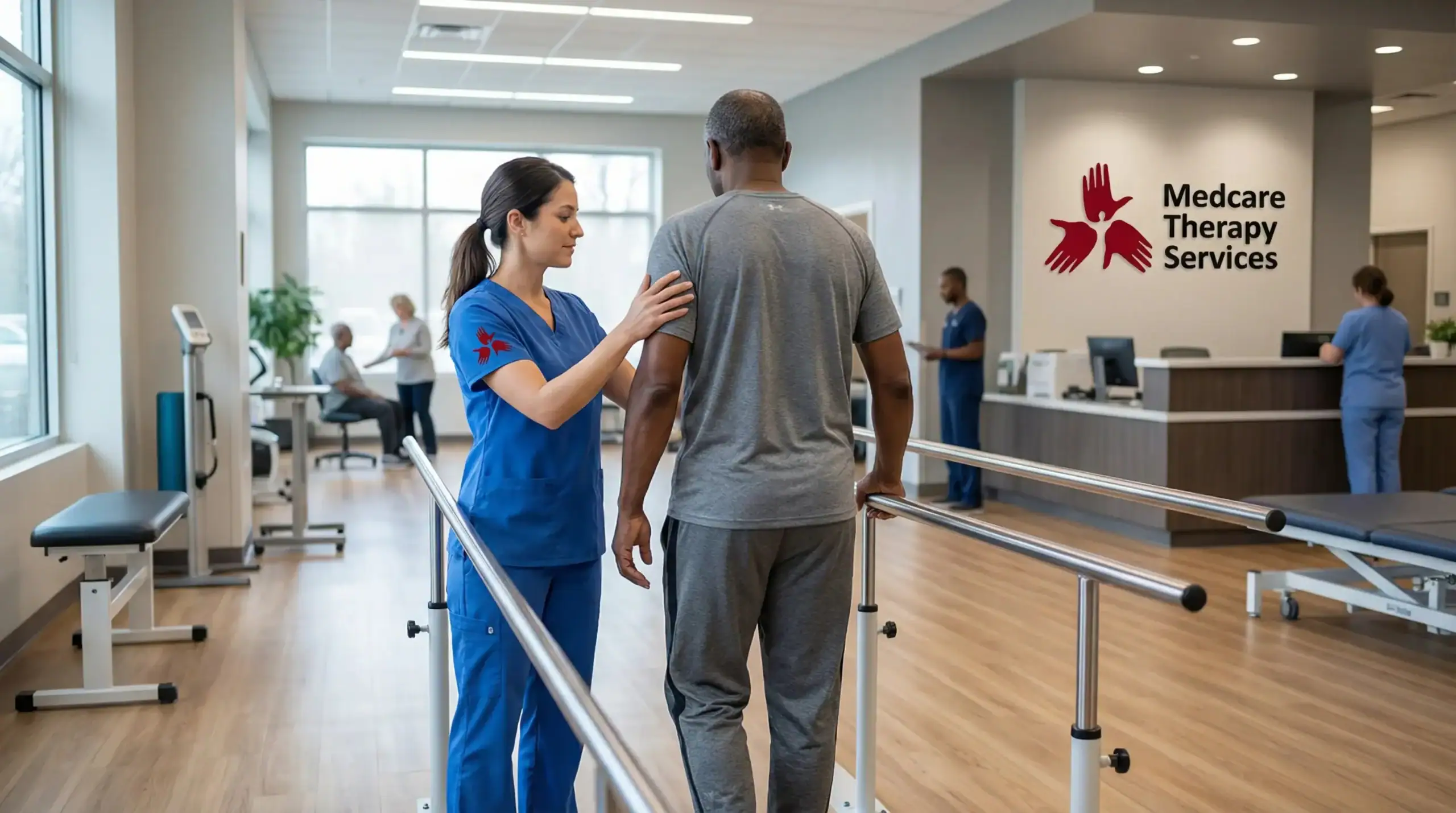
Yes, if you meet the criteria. Medicare covers outpatient physical therapy for fall prevention if you’re considered “at risk,” which generally means you’ve had two or more falls in the past 12 months or you have a documented balance or gait issue.
Your therapist will handle the paperwork and work directly with your doctor to get the necessary referral. Most people don’t realize this benefit exists, but it’s been part of Medicare for years now. If you don’t qualify under Medicare, we’ll talk through other payment options that make sense for your situation.
The key is getting assessed first. Once we understand your fall risk and your insurance coverage, we can map out a plan that works financially and clinically.
Most people see measurable improvement in 8 to 12 weeks. That doesn’t mean you’re “done” in three months—it means you’ve built enough strength and confidence to continue the exercises on your own.
In the beginning, you’ll typically have two sessions per week. As you get stronger and more stable, we reduce frequency. Some people transition to once a week, then once every other week. The goal is always independence, not dependence on ongoing therapy.
That said, everyone’s different. If you’ve had a recent fall or surgery, or if you have neurological issues affecting your balance, it may take longer. We adjust based on your progress, not a predetermined timeline.
You practice in the environment where you actually live. That’s the biggest difference. Clinic floors are flat, well-lit, and obstacle-free. Your home isn’t. You need to practice balance in the bathroom where you shower, not on a gym mat under fluorescent lights.
In-home therapy also removes the transportation barrier. If you’re already unsteady or nervous about falling, getting in and out of a car and navigating a clinic can be stressful. We come to you, so that’s not an issue.
And frankly, it’s more effective. Studies show that fall prevention programs are most successful when they’re tailored to your specific living situation. We see where you’re actually at risk and address those exact scenarios.
Absolutely. In fact, a previous fall is one of the strongest predictors of falling again, which is exactly why therapy matters even more after a fall. Many people develop what’s called “post-fall syndrome,” where the fear of falling again causes them to move less, which weakens them further and increases fall risk. It’s a bad cycle.
Therapy breaks that cycle. We rebuild your strength, retrain your balance, and—just as importantly—restore your confidence. You’ll practice the movements that scared you in a controlled way, with someone right there to support you.
We also figure out why you fell in the first place. Was it a trip hazard? A medication issue? Muscle weakness? Once we know the cause, we can prevent it from happening again. You’re not fragile. You just need the right support to get back to moving safely.
No. They’re simple, functional movements that match what you do every day. Standing up from a chair. Walking heel to toe. Balancing on one leg while holding a counter. Nothing fancy or overly complicated.
The Otago program we use was specifically designed for older adults, including those who are frail or haven’t exercised in years. Your therapist will meet you where you are and progress at your pace. If something feels too hard, we modify it. If it’s too easy, we make it harder.
The exercises might feel challenging at first—that’s normal. But they’re never unsafe, and you’re never doing them alone until you’re ready. The goal is to build strength and stability gradually, not to push you beyond what’s appropriate for your current ability level.
If you’ve fallen in the past year, you’re at risk. If you feel unsteady when you walk or stand, you’re at risk. If you avoid certain activities because you’re afraid of falling, you’re at risk. And if you take five or more medications, your risk goes up significantly.
But here’s the thing—you don’t have to guess. A fall risk assessment is straightforward and takes about 30 to 45 minutes. We’ll test your balance, strength, and gait. We’ll review your medical history and medications. We’ll walk through your home and identify hazards. At the end, you’ll know exactly where you stand and what needs to be addressed.
Even if you haven’t fallen yet, prevention is smarter than recovery. Nassau County has one of the highest rates of fall-related hospitalizations in New York. The time to address your risk is before a fall happens, not after.
Other Services we provide in West Hempstead