
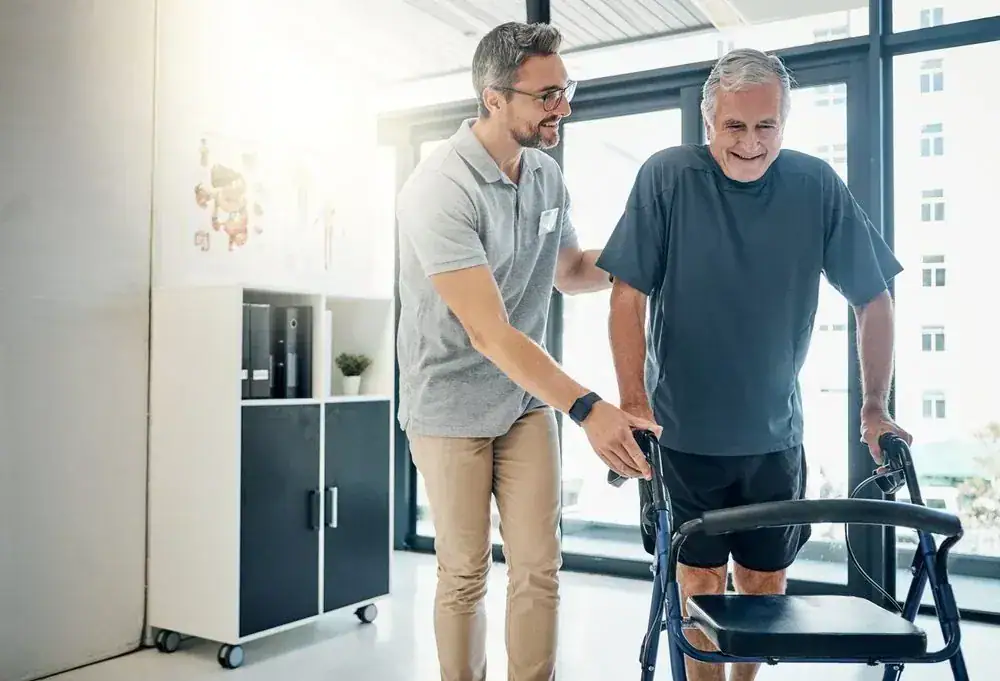
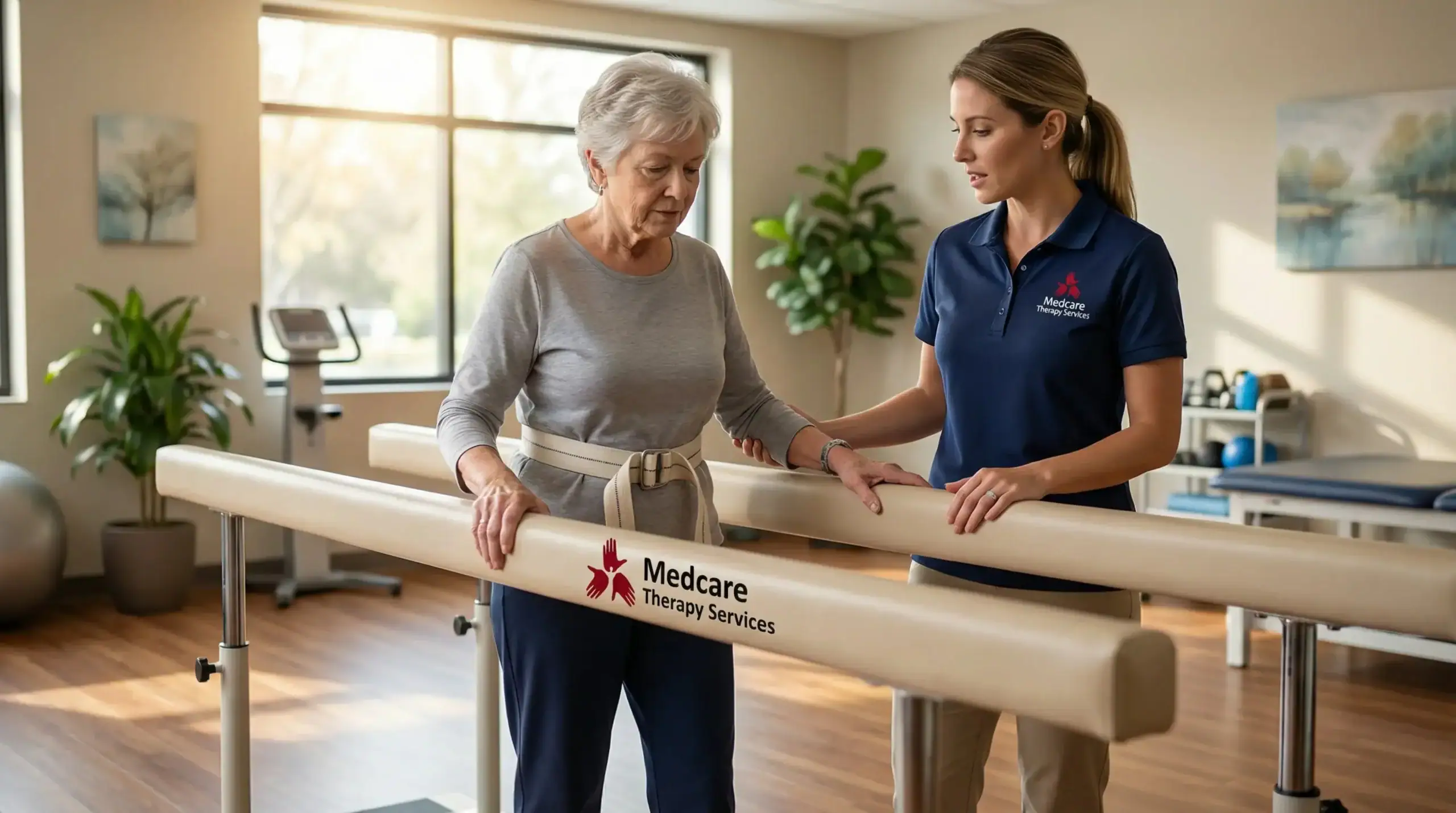
You stop planning your day around what feels safe. The bathroom at night isn’t a risk anymore. Getting the mail doesn’t require a mental checklist.
That’s what happens when balance exercises for seniors actually work. Research shows structured programs reduce falls by 35-40%, but the real outcome isn’t a statistic – it’s walking into your kitchen without gripping the counter. It’s bending down to pick something up without second-guessing yourself.
Falls aren’t accidents. They follow patterns, and those patterns can be interrupted. When your legs are stronger, your balance is sharper, and your home setup makes sense, the fear starts to lift. You’re not avoiding life – you’re living it.
Most people wait until after a fall to get help. You’re here before that happens, which means you’re already ahead.
We’ve been treating patients across Long Island for nearly two decades. We’re not new to Valley Stream, and we’re not new to fall prevention.
Our team knows Nassau County ranks fourth in New York State for fall-related incidents among seniors. We also know that 60% of those falls happen at home – which is exactly where we focus. You’ll work with therapists who understand how a split-level in Hempstead is different from a ranch in East Meadow, and why that matters when you’re trying to stay safe.
We don’t hand you a generic exercise sheet. Every program starts with a full assessment – your medical history, your medications, your movement, your home. Then we build a plan that fits your life, not someone else’s template.
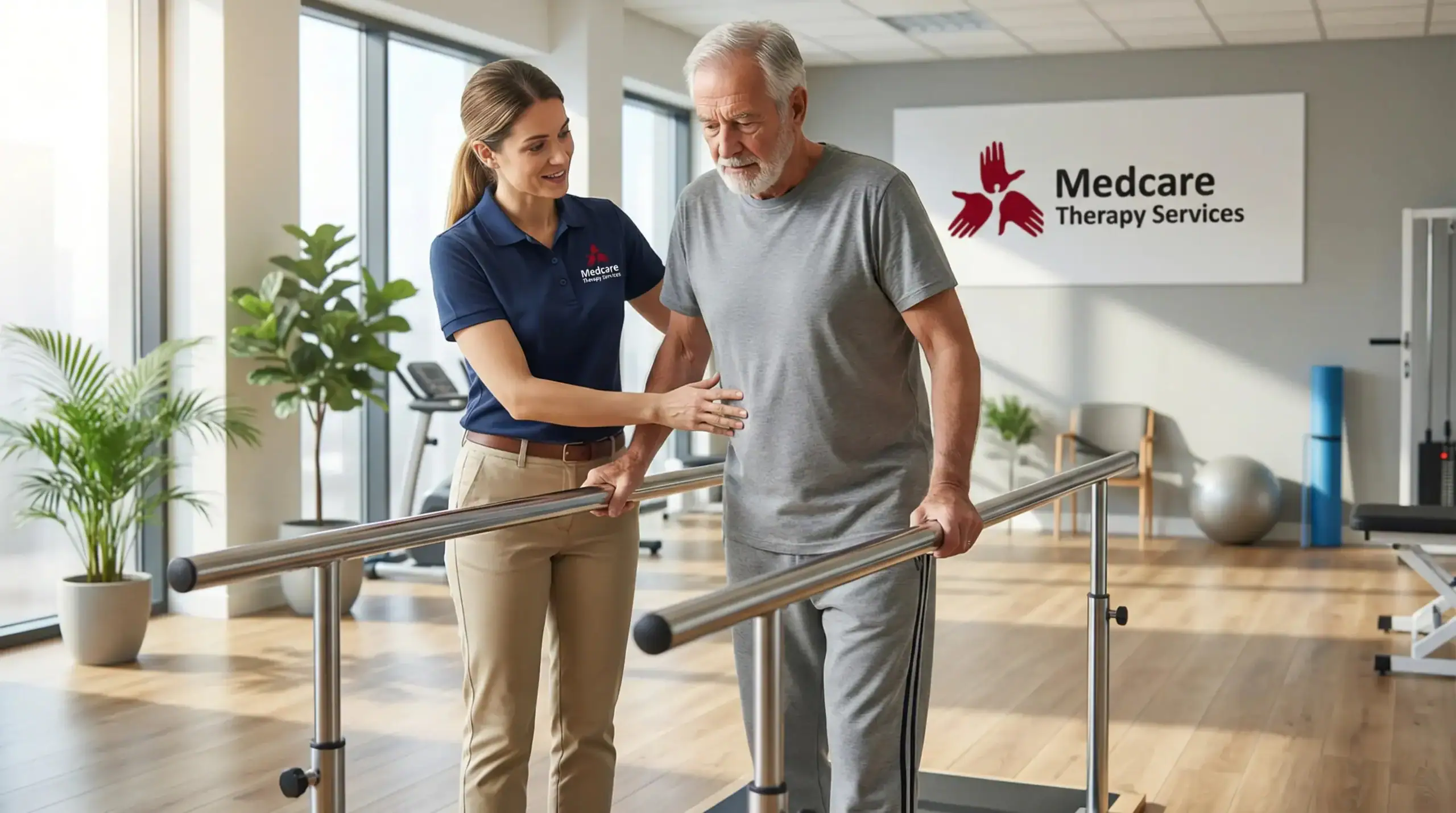
You start with an evaluation. We look at your gait, your balance, your strength, and your coordination. We ask about medications, past falls, and what you’re nervous about at home. This isn’t a quick screening – it’s a full picture of your fall risk.
From there, we design a program. It typically includes balance training, strength exercises, and flexibility work. If you’ve heard of the Otago Exercise Program, that’s one evidence-based approach we use – 17 exercises done three times a week that have been proven to reduce falls. But we adjust based on what you need, not what a manual says.
You’ll also get recommendations for your home. Small changes – better lighting, removing tripping hazards, grab bars in the right spots – make a bigger difference than most people realize. We don’t just work on your body. We work on your environment.
Sessions are consistent, progressive, and designed to build real strength and confidence. You’re not here to check a box. You’re here to stay independent.

Ready to get started?
Every program includes a comprehensive fall risk assessment, personalized balance and strength training, gait analysis, and home safety recommendations. You’ll work one-on-one with a licensed physical therapist who tracks your progress and adjusts your plan as you improve.
The exercises focus on the movements that matter most – standing from a chair, walking on uneven surfaces, reaching overhead, turning quickly. These are the moments where falls happen, so these are the movements we strengthen. You’ll also work on flexibility and aerobic conditioning, because fall prevention isn’t just about balance – it’s about overall function.
In Nassau County, where one-third of seniors over 65 report falling each year, the goal is simple: don’t become part of that statistic. With 60% of fall-related hospitalizations happening at home, we make sure your house works for you, not against you. That means identifying risks you might not see – loose rugs, poor lighting, clutter in walkways – and giving you a clear plan to address them.
This isn’t a six-week program that ends and leaves you guessing. It’s a foundation you can build on for years.
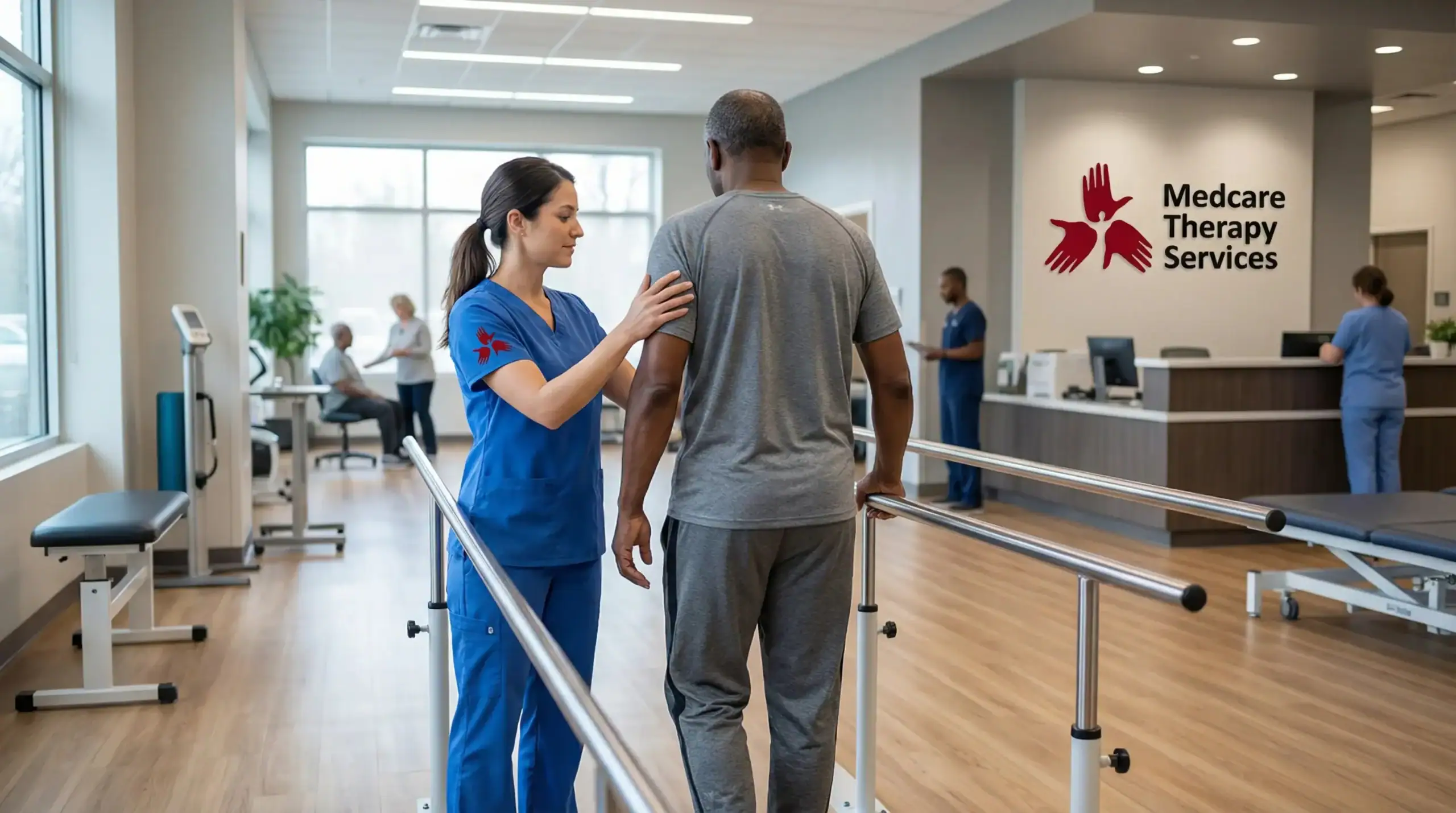
If you’ve fallen in the past year, you need it. If you feel unsteady when you walk, you need it. If you avoid certain activities because you’re worried about falling, you need it.
Other signs: you’re taking five or more medications, you’ve noticed your balance isn’t what it used to be, or you’ve had a close call that scared you. Even if you haven’t fallen yet, these are red flags. Falls follow patterns, and if you’re seeing the early signs, it’s worth addressing now instead of after an injury.
Many people assume fall prevention is only for someone who’s already fallen multiple times. That’s not true. The best time to start is before a fall happens, when your body is still strong enough to make real improvements quickly.
You’ll do exercises that mimic real life – standing on one leg, walking heel to toe, stepping over objects, reaching in different directions. These aren’t random movements. They’re designed to challenge the systems your body uses to stay upright: your vision, your inner ear, and your sense of where your body is in space.
Strength work is part of it too. Weak legs are one of the biggest fall risk factors, so you’ll do exercises like sit-to-stand, step-ups, and resistance training. The goal is to make your legs strong enough to catch you if you start to lose balance.
Everything is tailored to your current ability. If you’re using a walker, we start there. If you’re active but nervous, we push a little harder. You won’t be doing anything that feels dangerous – but you will be doing things that feel challenging, because that’s how you improve.
Most people see improvement in 8-12 weeks, but it depends on where you’re starting and how consistent you are. If you’re coming in after a fall and you’ve lost a lot of strength, it might take longer. If you’re here early and your balance is only slightly off, you might progress faster.
Sessions are usually two to three times per week. You’ll also have exercises to do at home – that’s not optional. The research is clear: people who do their home exercises in addition to supervised therapy see better results and maintain those results longer.
This isn’t physical therapy that ends and you’re done forever. The goal is to give you a program you can continue on your own, so your balance keeps improving even after formal therapy wraps up. Think of it as building a habit, not just finishing a treatment.
Most Medicare and insurance plans cover physical therapy for balance and fall prevention, especially if you’ve had a fall or your doctor has documented balance issues. Coverage depends on your specific plan and whether you’ve met your deductible.
We recommend calling your insurance company before your first visit to confirm your benefits. Ask specifically about physical therapy coverage, how many visits are allowed per year, and what your copay will be. If you need help with this, our front desk can provide the codes and information your insurance company will ask for.
Even if you have a copay, compare that cost to what a fall could mean – hospital bills, rehab, time away from home. Fall-related medical costs in the U.S. hit $50 billion annually. Prevention is almost always more affordable than treatment, and it’s definitely less painful.
Yes. Falling once increases your risk of falling again, but that risk isn’t permanent – it can be reduced with the right intervention. Even if you’ve fallen multiple times, your balance and strength can improve. It just takes a focused, consistent approach.
We’ve worked with plenty of patients who come in after two, three, or more falls. What they all have in common is that the falls followed a pattern – weak legs, poor balance, environmental hazards, or a combination of all three. Once we address those factors, the falls stop.
The key is not assuming falls are just part of aging. They’re not. They’re a sign that something specific needs attention – and that something can be fixed. You’re not too old, too weak, or too far gone. You just need a program that actually works, and someone who knows how to build it.
Both. Exercise builds your physical ability to prevent falls, but your home environment plays a huge role too. We assess both, because fixing one without the other leaves gaps.
During your evaluation, we’ll ask about your home setup – stairs, lighting, bathroom layout, rugs, clutter. If needed, we can do a home visit to see the space ourselves and make specific recommendations. Most changes are simple and inexpensive: adding a grab bar, improving lighting, removing tripping hazards, rearranging furniture to create clear paths.
In Nassau County, where 60% of fall-related hospitalizations happen at home, this part of the program isn’t optional. Your house should support your independence, not threaten it. We’ll make sure it does.
Other Services we provide in Valley Stream