
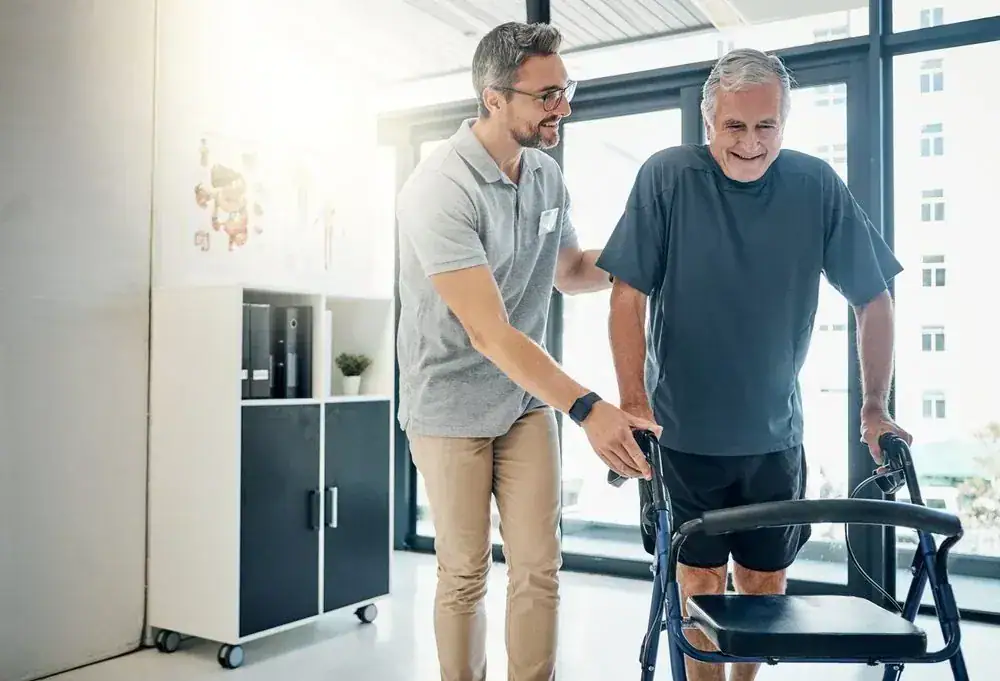
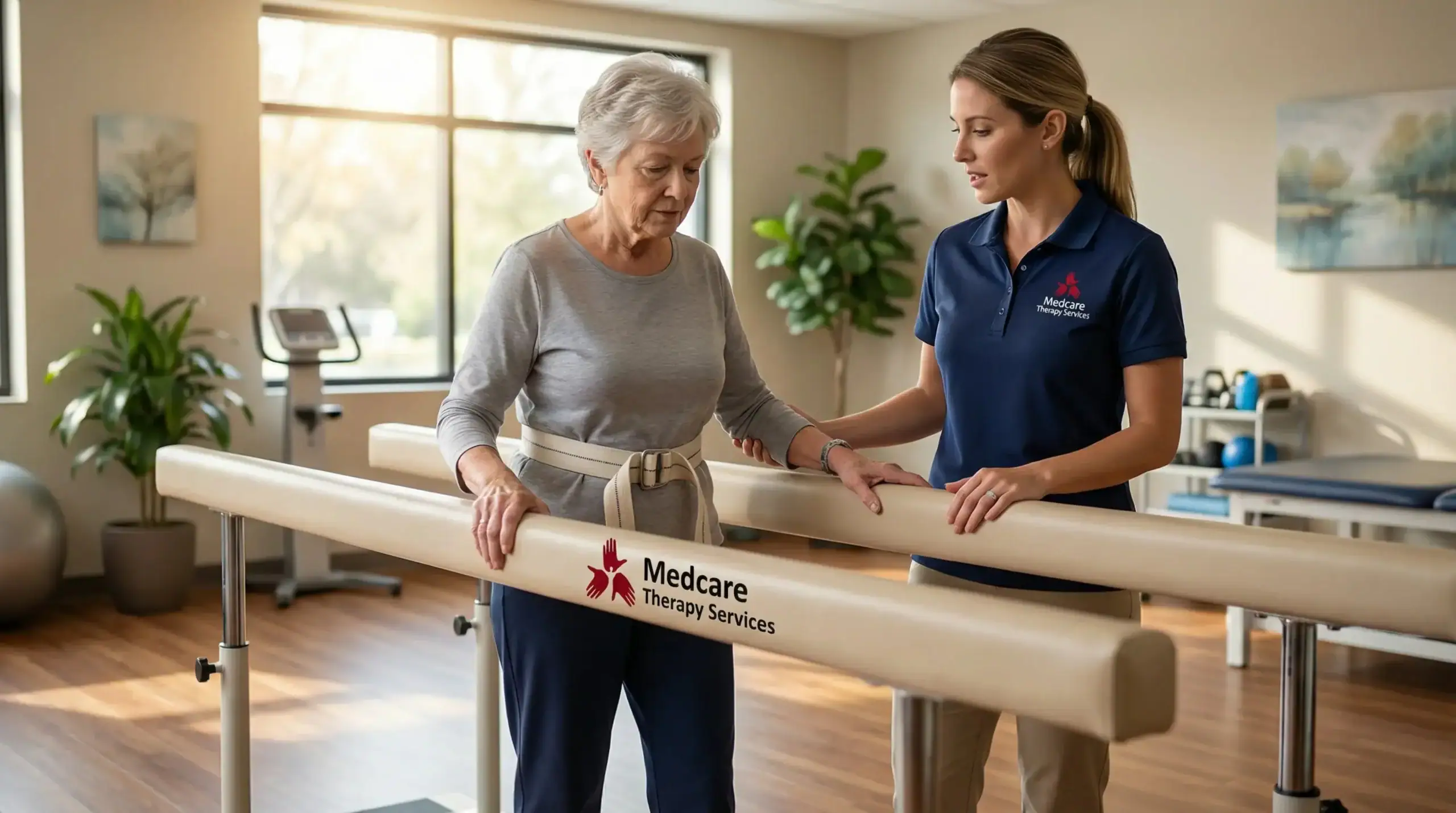
You stop planning your day around what you can’t do. The bathroom at night doesn’t feel like a risk anymore. Getting the mail or reaching for something in the kitchen becomes automatic again, not something you have to think through first.
That shift happens when your legs get stronger and your balance becomes reliable. Research shows balance exercises for seniors can cut fall risk by 24% when done correctly. But the real change is how you feel moving through your own home.
You’re not second-guessing every step. You’re not relying on furniture to steady yourself. And your family isn’t calling twice a day to make sure you’re okay. Physical therapy for balance gives you back the movement patterns your body needs to stay upright, stable, and safe. That’s what independence actually looks like.
We’ve been providing in-home therapy across Long Island for over 14 years. We work with seniors in Syosset, Jericho, Plainview, and throughout Nassau County who need fall prevention care but can’t easily get to a clinic.
Our therapists are trained in evidence-based programs like the Otago fall prevention protocol. That means you’re getting treatment backed by actual research, not guesswork. And because we come to your home, we see the real environment where falls happen—the stairs, the rugs, the lighting, the bathroom setup.
We’re Medicare-certified, locally established, and focused on keeping you stable and independent. You’re not a number here. You’re someone we’re trying to help stay in your own home longer.

It starts with an assessment in your home. A licensed physical therapist evaluates your balance, strength, gait, and any environmental risks. We’re looking at how you move, where you’re unstable, and what’s increasing your fall risk right now.
From there, we build a personalized program. That usually includes balance training, strengthening exercises, and gait work. These aren’t generic senior exercises—they’re specific to what your body needs to stay upright and stable. We also review your medications with you, since some combinations increase dizziness or instability.
Each session happens in your home, on your schedule. You’ll work with the same therapist who understands your goals and your limitations. As you get stronger, the exercises progress. The goal isn’t just to prevent falls—it’s to give you back the confidence to move freely without fear. Most people see measurable improvement in balance and strength within a few weeks.

Ready to get started?
You get a full fall risk assessment that looks at strength, balance, walking pattern, home hazards, and medication effects. Your therapist identifies the specific reasons you’re at risk and builds a plan around those factors.
Your program includes evidence-based balance exercises designed for older adults. We use the Otago method, which has been proven in over 116 studies to reduce falls by 23%. You’ll also get strengthening work for your legs and core, plus gait training to restore a safer walking pattern.
In Syosset and across Nassau County, many seniors face fall risks due to multi-level homes, older housing stock with steep stairs, and winter weather that limits outdoor activity. We address those local realities. Your therapist will recommend home modifications if needed—grab bars, better lighting, removing tripping hazards. And because we’re Medicare-certified, most of this is covered under your plan. You’re getting professional care without the transportation stress or the cost barrier.

Most people start feeling more stable within three to four weeks of consistent therapy. That’s when the strengthening and balance work begins to show up in how you move day to day.
But measurable fall risk reduction takes a bit longer. Studies show that evidence-based programs like Otago typically reduce fall rates after eight to twelve weeks of regular exercise. That timeline depends on your starting point, how often you practice between sessions, and whether other risk factors like medications or vision issues are also being managed.
The goal isn’t just short-term improvement. It’s building strength and balance that lasts. Your therapist will track your progress with specific tests—things like how long you can stand on one leg, your walking speed, and your confidence level. When those numbers improve, your fall risk drops. It’s not instant, but it’s real.
Yes, if it’s medically necessary. Medicare Part B covers outpatient physical therapy when a doctor orders it and a licensed therapist provides it. Fall prevention qualifies when you have a documented fall risk—whether that’s a history of falls, balance problems, muscle weakness, or gait issues.
You’ll need a referral from your physician. Once that’s in place, we handle the rest. We verify your coverage, coordinate with Medicare, and keep you informed about any co-pays or deductibles. Most people pay a 20% co-insurance after their deductible is met, but supplemental plans often cover that.
The advantage of in-home therapy is that it’s covered the same way clinic-based therapy is—but you don’t have to arrange transportation or risk a fall just getting to an appointment. We bring the same quality care to your home in Syosset, and Medicare recognizes that as a legitimate treatment setting. If you’re unsure about your specific plan, we can check your benefits before the first visit.
Balance exercises for seniors are designed around the specific ways aging affects stability. As you get older, you lose muscle mass, reaction time slows down, and the systems that control balance—your inner ear, vision, and proprioception—don’t work as sharply. Regular exercise doesn’t always address those changes.
Senior balance exercises focus on controlled movements that challenge your stability in safe ways. That might mean standing on one leg with support nearby, walking heel-to-toe in a straight line, or shifting your weight from side to side. These aren’t about building cardiovascular endurance or lifting heavy weights. They’re about retraining your body to catch itself when you start to tip.
The other difference is progression. A good fall prevention program starts where you are—even if that means holding onto a counter for support—and gradually makes things harder as your balance improves. You might start with seated exercises and work up to standing without support. The point is to build stability without putting you at risk during the process. That’s why working with a physical therapist matters. They know how to push you just enough without pushing you over.
Yes, and it’s especially important if you have. One fall significantly increases your risk of falling again. That’s partly physical—you might have lost strength or confidence—and partly psychological. Fear of falling makes you move less, which makes you weaker, which makes falling more likely.
Physical therapy interrupts that cycle. After a fall, your therapist will assess what contributed to it. Was it a balance issue? Muscle weakness? A trip hazard in your home? Dizziness from medication? Once we know the cause, we can address it directly.
You’ll work on rebuilding strength in the muscles that keep you upright—your legs, hips, and core. You’ll practice balance exercises that retrain your body’s reflexes. And just as important, you’ll regain confidence. A lot of people who’ve fallen start moving tentatively, which actually makes them less stable. Therapy helps you move with control again, not fear. If you’ve fallen in the past six months, you’re exactly the kind of person who benefits most from a fall prevention program.
Your therapist will spend about an hour with you. The first part is a conversation—your medical history, any falls you’ve had, medications you’re taking, and what you’re hoping to get out of therapy. This isn’t a formality. It helps us understand your specific risk factors.
Then comes the physical assessment. Your therapist will watch you walk, test your balance in different positions, check your leg strength, and see how well you can get up from a chair or navigate stairs. They’ll also look around your home for hazards—loose rugs, poor lighting, lack of grab bars, clutter in walkways.
At the end of the visit, you’ll know what your fall risk level is and what the treatment plan looks like. Your therapist will explain which exercises you’ll be doing, how often they’ll visit, and what you should practice between sessions. You’ll also get recommendations for any home modifications that could make a difference. It’s a thorough process, but it’s not overwhelming. The goal is to leave that first visit with a clear understanding of where you are and how we’re going to help you get more stable.
The biggest difference is that we see how you actually live. In a clinic, your therapist works with you in a controlled environment. At home, we see the stairs you use every day, the bathroom layout, the lighting in your hallway at night. We can address the real-world risks you face, not just theoretical ones.
In-home therapy also removes the transportation barrier. If you’re already unsteady or you don’t drive anymore, getting to a clinic twice a week is stressful—and sometimes risky. You might skip appointments or stop going altogether. When therapy comes to you, that’s not an issue.
The treatment itself is the same quality. You’re working with a licensed physical therapist using the same evidence-based protocols we’d use in a clinic. But the context is better. You’re more comfortable, you’re less rushed, and your therapist can give you specific advice based on your actual environment. For fall prevention, that makes a real difference. You’re not just doing exercises—you’re learning how to move more safely in the space where you spend most of your time.
Other Services we provide in Syosset