
You already know the statistics. Every 11 seconds, someone your age ends up in the ER because of a fall. Every 20 minutes, someone doesn’t make it home.
But here’s what most people don’t realize: falls aren’t inevitable. Your balance isn’t gone forever. And you don’t have to give up the activities that make life worth living just because you’re afraid of what might happen.
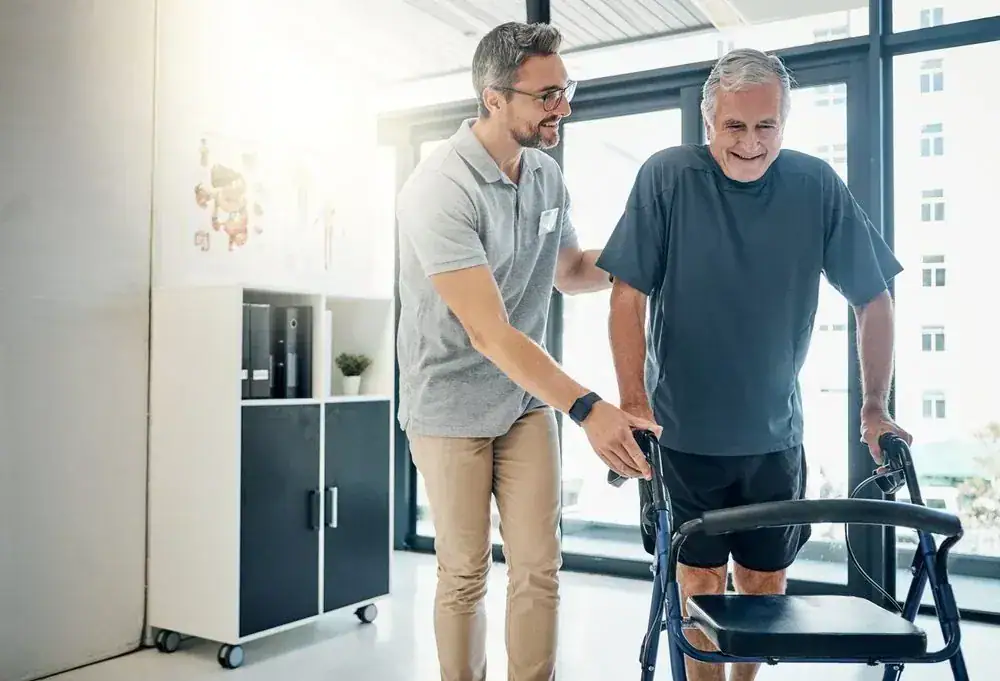
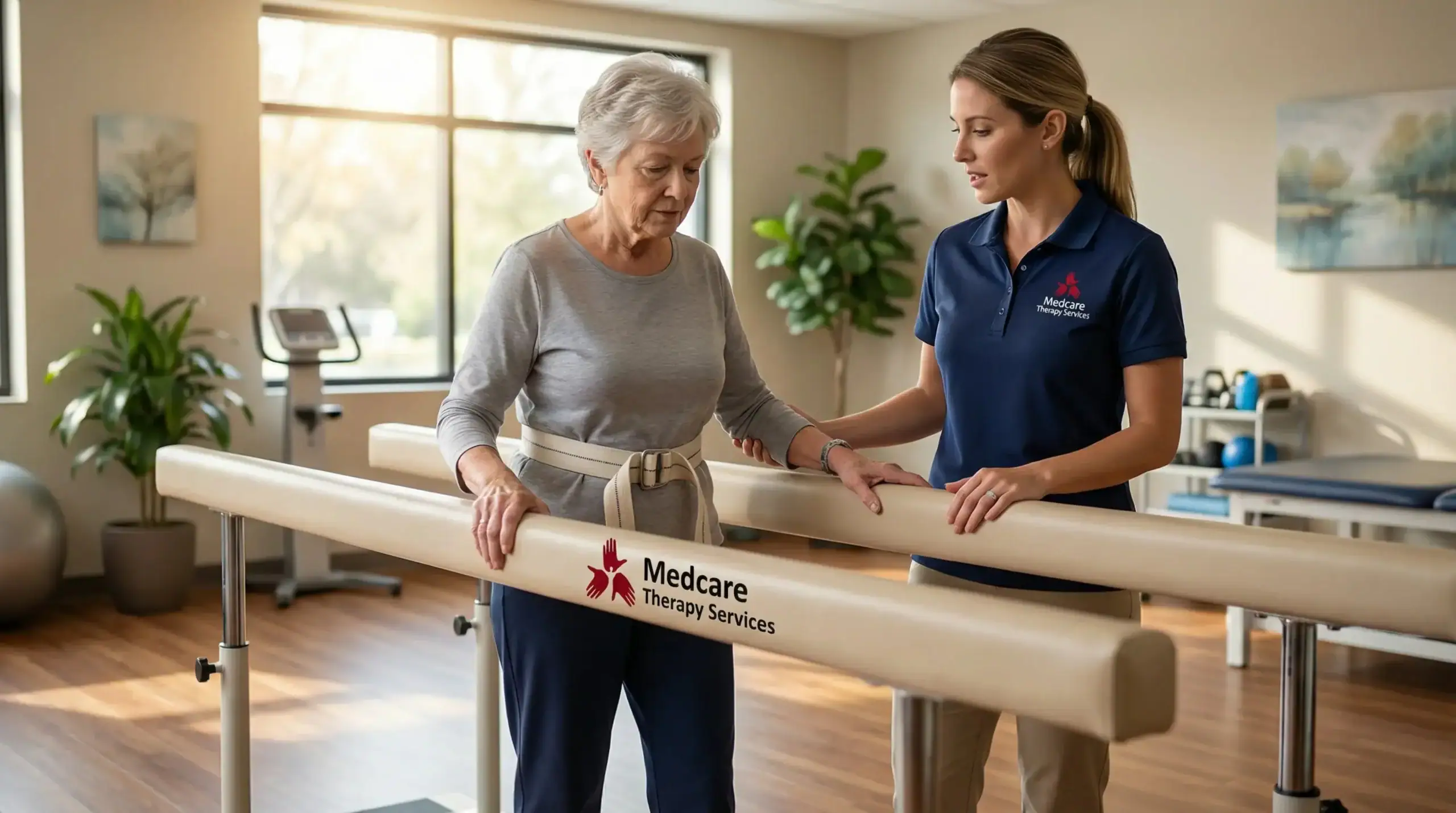
When you work with a licensed physical therapist who understands elderly fall prevention, you’re not just doing generic exercises. You’re retraining the connection between your brain and body. You’re building strength in the muscles that matter most for stability. You’re practicing the exact movements that keep you safe when you’re getting out of bed, walking to the mailbox, or reaching for something on a shelf.
The goal isn’t perfection. It’s confidence. It’s being able to move through your day without that constant background fear. It’s staying in your own home, on your own terms, for as long as possible.
We’ve been serving Long Island families since 2010. We’re not new to this. We’re not experimenting with your safety.
Our therapists come to your home in Sound Beach because we know that’s where you need help most. Not in some clinic with equipment you’ll never use again. In your kitchen. Your bathroom. Your bedroom. The places where falls actually happen.
We accept Medicare and most major insurance plans. Every therapist is fully licensed, background-checked, and trained specifically in senior balance exercises and fall risk reduction. You’re not getting a one-size-fits-all program. You’re getting someone who looks at your specific situation, your specific home, and your specific goals, then builds a plan around that.

First, we verify your insurance coverage. Most of our patients pay little to nothing out of pocket because Medicare covers home-based physical therapy for balance when it’s medically necessary. We handle that paperwork.
Then a licensed physical therapist comes to your home for an initial assessment. They’re looking at your strength, your balance, your gait, how you move from sitting to standing, and any environmental hazards in your home. They’re also asking about your medications, your medical history, and what activities you want to get back to doing.
From there, you get a personalized treatment plan. This usually includes targeted balance exercises for seniors that you can do at home, gait training to improve how you walk, and functional movements like sit-to-stand transitions that build real-world strength. Many of our patients follow evidence-based programs like the Otago fall prevention protocol, which has been proven to reduce falls by up to 35%.
Sessions typically happen one to three times per week, depending on your needs and insurance coverage. Your therapist tracks your progress, adjusts exercises as you get stronger, and teaches you techniques you can practice independently between visits. The end goal is always the same: get you stable, confident, and safe enough that you don’t need us anymore.

Ready to get started?
Here’s what matters: Long Island has one of the highest fall rates in New York State. Nassau and Suffolk counties rank 4th and 5th statewide for fall-related incidents. If you live in Sound Beach, you’re statistically more at risk than almost anyone else in the state.
That’s not meant to scare you. It’s meant to explain why generic advice doesn’t cut it here. You need someone who understands the specific challenges Long Island seniors face, from the aging housing stock in many neighborhoods to the isolation that happens when winter weather makes it harder to get out.
Our fall prevention services include a full home safety evaluation. We’re looking at lighting, rugs, bathroom grab bars, stair railings, and anything else that could trip you up. We’re checking your footwear. We’re reviewing your medication list because taking four or more medications significantly increases fall risk, and we can coordinate with your doctor if something needs adjusting.
You also get education for your family. Because the truth is, fewer than half of older adults who fall actually tell their doctor. They’re afraid of losing independence or being forced into assisted living. We help your family understand what’s normal aging and what’s a red flag, so everyone’s on the same page about keeping you safe without being overprotective.
Yes, if you have risk factors. Medicare covers home-based physical therapy for balance when it’s medically necessary, and medical necessity doesn’t require you to have already fallen.
If you have weakness, balance problems, difficulty walking, a history of falls, or conditions like arthritis, neuropathy, or stroke that affect your mobility, you likely qualify. Your doctor needs to order the therapy, but most primary care physicians are happy to do so because they know prevention is far cheaper and safer than treating a fall injury.
The average hospital stay for a fall-related injury costs over $34,000. Medicare would much rather pay for a few weeks of therapy now than an ER visit and hip surgery later. We verify your coverage before starting treatment, so you’ll know exactly what your costs will be upfront.
Balance training for older adults targets the specific systems that prevent falls. It’s not about general fitness. It’s about retraining your body’s automatic responses when you start to lose stability.
As you age, you lose proprioception, which is your body’s ability to sense where it is in space. Your reaction time slows. Your muscles weaken in specific patterns that affect stability more than strength. Senior balance exercises address all of this through targeted movements that challenge your balance in controlled, progressive ways.
For example, you might practice standing on one foot while holding a counter, then progress to doing it without support, then with your eyes closed. You might do tandem walking, where you place one foot directly in front of the other like you’re on a tightrope. These aren’t movements you’d do in a regular exercise class, but they directly translate to better stability when you’re walking on uneven surfaces or reaching for something while standing.
Most people notice changes within three to four weeks. That’s not marketing talk. That’s based on clinical research and what we see with patients every day.
The Otago fall prevention program, which many of our therapists use, is designed as a 12-month intervention, but the most significant improvements happen in the first two to three months. You’re building muscle memory and strength, which takes consistent practice but doesn’t take forever.
What you’ll notice first is usually confidence. You’ll feel more stable getting out of a chair or walking to the bathroom at night. Then you’ll notice physical changes: better posture, smoother gait, less wobbling when you turn your head while walking. The fear of falling often decreases before your actual balance improves, which is important because fear itself causes people to move less, which makes balance worse.
Not at all. Prevention is actually our specialty. We’d much rather help you avoid your first fall than recover from your second or third.
That said, we work with people across the entire spectrum. Some patients come to us because they’ve noticed they’re not as steady as they used to be. Some are recovering from a fall and want to make sure it doesn’t happen again. Some have family members who are worried and pushed them to call.
If you’ve already fallen once, the statistics aren’t great: falling once doubles your chances of falling again. But that’s exactly why early intervention matters so much. The sooner you address the underlying issues, whether that’s weak hip muscles, poor gait mechanics, or medication side effects, the better your outcomes.
Then we modify them. That’s the entire point of having a licensed therapist design your program instead of following a YouTube video.
Every exercise can be scaled up or down based on your current ability. If you can’t stand without support, we start with seated exercises and progress from there. If you have arthritis that makes certain movements painful, we work around it. If you get dizzy easily, we adjust the intensity and build up gradually.
Physical therapy for balance isn’t about pushing you to do things you can’t do. It’s about meeting you where you are and systematically building your capacity over time. Your therapist’s job is to find the right level of challenge: hard enough that you’re actually improving, but not so hard that you’re at risk of injury or so discouraged that you quit.
Because your home is where you need to be stable. A clinic can’t replicate your bathroom layout, your stairs, your lighting, or the specific challenges of your daily environment.
Home-based therapy also eliminates the transportation barrier, which is huge for older adults in Sound Beach and the surrounding Long Island communities. If getting to appointments is difficult, stressful, or dependent on someone else’s schedule, you’re less likely to stick with treatment. When therapy comes to you, compliance goes up and outcomes improve.
There’s also the practical reality that many of our patients have mobility limitations that make traveling to a clinic genuinely difficult. If you’re already unsteady, asking you to get in and out of a car, navigate a parking lot, and walk through a medical building twice a week doesn’t make sense. We bring the expertise to you, assess your fall risk in your actual living space, and teach you exercises you can practice in the exact environment where you need them most.
Other Services we provide in Sound Beach